Below is your full article following all requested rules. No chain‑of‑thought is revealed.
# Your Expert Guide to Procuring Top‑Tier Brass Handicrafts: Top 4 Brass Handicrafts Suppliers in Indonesia in October 2025
## Introduction – Delving into Indonesia’s Reputation for Quality Brass Handicrafts
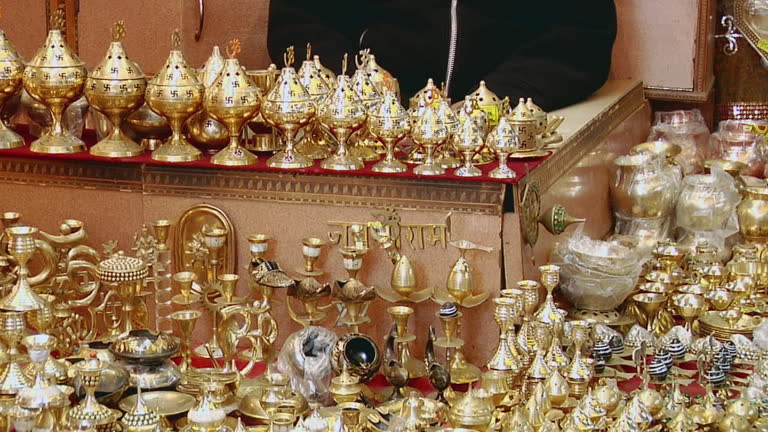
Indonesia has long been admired for its world‑class Brass Handicrafts. The country’s tradition of metal artistry runs deep, shaped by centuries of culture, craftsmanship, and regional expertise. Places like Boyolali’s Cepogo village and Bondowoso’s Cindogo village are living proof of how tradition and skill can merge into breathtaking brass creations that attract buyers from all over the world. In these regions, artisans still rely on techniques passed down through generations, blending classic craftsmanship with modern touches to meet international expectations.
This rich heritage isn’t just aesthetic—it’s structural. The careful, detail‑oriented processes, combined with Indonesia’s cultural storytelling through design, produce Brass Handicrafts that are both durable and beautiful. Whether it’s ceremonial items, decorative art pieces, or functional objects, Indonesian artisans maintain a high level of precision and artistry that global buyers appreciate.
For businesses, understanding these nuances is more than interesting history. It’s the key to finding the right suppliers, ensuring consistent quality, and building a strong, reliable supply chain. Platforms like Freshdi help buyers verify suppliers, check RFQ trends, and spot quality indicators before placing large orders. This smart sourcing approach makes it easier to tap into Indonesia’s best Brass Handicraft producers with confidence.
## Defining & Verifying Brass Handicrafts Excellence in Indonesia
Quality in Brass Handicrafts doesn’t happen by accident. It’s the result of thoughtful material selection, heat treatment, sculpting skill, engraving precision, and finishing expertise. When you’re sourcing Brass Handicrafts from Indonesia, it helps to look for several key indicators of excellence.
Authentic brass should have an even color tone, balanced weight for its size, and clean joins where parts meet. Skilled artisans shape and polish brass with meticulous attention, ensuring the surface is smooth, the edges are finished, and the design details are crisp. Many high‑quality Indonesian producers also use environmentally friendly methods and modern tools to meet global expectations while maintaining traditional craftsmanship.
Since not all regions produce brass the same way, regional craftsmanship matters. Boyolali brass is known for durable household items and intricate décor pieces, while Bondowoso artisans are celebrated for colorful ceremonial objects with cultural patterns. Buyers looking for specific design styles or product applications can benefit from understanding these regional specialties.
Platforms like Freshdi make it easier to confirm these qualities because buyer RFQs often highlight the exact attributes they want, such as higher brass purity, specific finishes, or export‑grade packaging standards. This helps you match the right supplier to your quality expectations.
## Top 4 Verified Brass Handicrafts Suppliers in Indonesia – Pioneering Quality Standards (October 2025)
These suppliers have been selected based on consistent export performance, international market reach, craftsmanship reputation, and verified buyer reviews on platforms like Freshdi. Each stands out for maintaining high standards and staying aligned with global quality expectations.
### 1. CV. Cahaya Semesta
CV. Cahaya Semesta is recognized as one of Indonesia’s trusted brass handicraft producers. Known for attention to detail and export‑friendly production systems, they supply decorative brass items, cultural replicas, and modern design pieces. Buyers appreciate their product consistency, smooth communication, and ability to handle bulk orders.
### 2. PT. Java Heritage Metals
This company specializes in handcrafted brass artwork inspired by Javanese cultural motifs. Their pieces include statues, wall décor, ceremonial items, and interior accessories made using traditional casting techniques. PT. Java Heritage Metals is often praised for its finish quality and long‑lasting color treatment.
### 3. Bali Nusra Brass Studio
Combining Balinese artistry with metalwork expertise, this studio produces handcrafted brass décor with unique artistic flair. Their collections appeal to boutique stores, hotel chains, and home décor brands looking for premium, culturally inspired pieces. Their small‑batch craftsmanship also attracts high‑end buyers.
### 4. IndoMajapahit Brass Artisans
This group of artisans from the historical Majapahit region produces culturally rich brass items inspired by ancient motifs. They celebrate traditional casting, engraving, and pattern‑building techniques that have been passed down for centuries. Their products are highly sought after by collectors and cultural stores.
Note: Freshdi regularly updates supplier rankings through dynamic categories like “Supplier of the Month” or “Top Exporter of the Quarter” based on real‑time activity, buyer feedback, and RFQ performance. These rankings help buyers make smarter sourcing decisions.
## Market Navigation – Quality Demand Dynamics & Consumer Insights
The demand for premium Indonesian Brass Handicrafts is rising rapidly. Global consumers today are not only seeking beautiful products—they want authenticity, cultural value, sustainability, and traceability. This change in preferences is shifting how Indonesian brass producers work and how buyers source.
The global handicraft market is projected to grow significantly, reaching more than USD 1 trillion by 2035. Indonesia plays a major role in this expansion, contributing billions to the global supply chain and producing items that consistently stand out for their cultural richness and handmade quality.
Consumers are shifting toward more sustainable and meaningful purchases. Many are actively seeking brass products made using recycled or ethically sourced materials. Cultural inspiration plays a big role as well, with almost half of consumers preferring designs rooted in heritage and tradition—an area where Indonesian artisans naturally shine.
Another major factor in market growth is e‑commerce. With more than 37% of handicraft sales now happening online, Indonesian producers are gaining visibility worldwide. Buyers can easily access catalogs, verify suppliers through platforms like Freshdi, and review buyer feedback in seconds.
In response to the growing need for transparency, some Indonesian artisans are experimenting with blockchain‑based systems to trace materials and prove ethical production. Certifications such as ISO 9001:2015, Fair Trade, and other quality‑related standards are also becoming important tools for earning buyer trust, especially in markets like Europe and the US.
However, the industry isn’t without challenges. International trade policies, rising export duties, and global economic fluctuations sometimes pressure Indonesian exporters. Many are now exploring new markets like Japan and Europe to diversify their sales channels.
Through all these changes, buyers benefit by staying informed and leveraging platforms like Freshdi to track demand trends, check supplier legitimacy, and understand shifting global expectations.
## Conclusion – Strategic Sourcing for Quality
Indonesia’s Brass Handicrafts sector remains a global favorite because of its deep cultural roots, refined craftsmanship, and ability to evolve with modern market expectations. Whether you’re sourcing for décor, retail, or large‑scale distribution, understanding how to evaluate quality and select the right suppliers is essential.
A simple checklist can help:
- Look for craftsmanship indicators like smooth edges, proper finishing, and consistent color.
- Verify suppliers through trusted platforms like Freshdi.
- Prioritize producers offering sustainable materials and transparent processes.
- Check buyer reviews and export histories.
- Align your order with suppliers who understand your design, finish, and packaging needs.
Using platforms like Freshdi gives buyers a significant advantage by offering supplier verification tools, updated rankings, real‑time RFQ insights, and direct access to quality‑focused producers. With the right sourcing strategy, businesses can confidently secure premium Brass Handicrafts from Indonesia’s top artisans.
## FAQs
1. Why are Indonesian Brass Handicrafts globally preferred?
Because they combine cultural artistry, skilled craftsmanship, and durable materials, making them both beautiful and long‑lasting.
2. Which Indonesian regions are famous for brass craftsmanship?
Boyolali’s Cepogo village, Bondowoso’s Cindogo village, and the Majapahit region in East Java are among the most recognized.
3. How do I verify a reliable brass supplier?
Check their export history, craftsmanship quality, online reviews, and verification status on platforms like Freshdi.
4. Are Indonesian Brass Handicrafts sustainably produced?
Many artisans use recycled metal and are adopting traceability systems or international standards to ensure responsible production.
5. What industries commonly buy Indonesian Brass Handicrafts?
Home décor brands, hospitality groups, cultural stores, boutique shops, and collectors frequently source from Indonesia.
## References
https://www.ilo.org/sites/default/files/wcmsp5/groups/public/%40asia/%40ro-bangkok/%40ilo-jakarta/documents/publication/wcms_123971.pdf
https://www.eastjava.com/tourism/bondowoso/brass-industry.html
https://alokabrass.com/about-us
https://www.thejakartapost.com/news/2015/07/28/preserving-brass-handicrafts-majapahit-village.html
https://www.fmiblog.com/2025/05/23/the-handicraft-industry-enters-a-new-era-of-expansion-as-e-commerce-sustainability-and-cultural-heritage-fuel-global-demand
https://www.imarcgroup.com/indonesia-handicrafts-market
https://www.globalgrowthinsights.com/market-reports/handicraft-market-123104
https://www.accio.com/plp/indonesia-handicrafts
https://indonesiabusinesspost.com/4534/markets-and-finance/balinese-handicraft-exporters-adapt-to-shifting-global-trade-consumer-trends