Introduction – Why the Philippines Stands Out for Quality Fruit
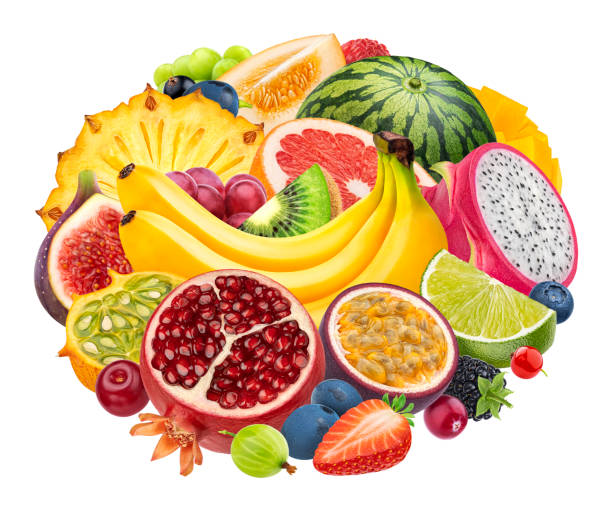
When it comes to tropical fruit, the Philippines is a powerhouse. With its rich volcanic soil, year-round sunshine, and diverse microclimates, the country is a natural fruit basket. From sweet mangoes to juicy pineapples and vibrant dragon fruit, Filipino growers have mastered both variety and taste.
But sourcing high-quality fruit isn’t as easy as picking from a tree. Business buyers, distributors, and importers need to understand the nuances of certification, regional standards, and supplier reliability. That’s where platforms like Freshdi come in—offering verified supplier profiles, RFQ trends, and market insights that help you make smart sourcing decisions.
In this guide, we’ll break down what makes Filipino fruit so special, how to verify quality, and reveal the Top 3 Fruit Suppliers in the Philippines for Q4 2025. Ready to dig into the juicy details? Let’s go.
Defining & Verifying Fruit Excellence in the Philippines
What Does “High-Quality Fruit” Actually Mean?
High-quality fruit isn’t just about good looks. It involves:
- Consistent maturity and sweetness
- Low pest or disease damage
- Proper firmness and shelf life
- Adherence to hygiene and packaging standards
- Certifications like GAP (Good Agricultural Practices)
In the Philippines, however, meeting these standards is a bit more complicated than it sounds.
Certification Challenges in the Philippines
According to a report by the ILO, the adoption of GAP certification in the Philippines has been slow. Only a handful of certified organic operators exist, and most are concentrated in certain regions. The certification process is often seen as restrictive and expensive. With inadequate training, many small farmers feel left behind.
Adding to the complexity, the Participatory Guarantee System (PGS)—which is globally acknowledged—isn’t recognized as a certifying body in the Philippines. This creates a major bottleneck for small-scale, quality-focused growers.
Want to ensure your supplier is certified? Platforms like Freshdi let you filter suppliers by certification and track trends in RFQs that request specific quality standards.
Regional Differences Affecting Fruit Quality
Let’s get real—fruit quality varies wildly depending on where in the Philippines you’re sourcing from.
For example:
- Davao’s Pummelos: A study found that only 19% of Davao-grown pummelos matched international grading standards. That’s a problem when you’re exporting to markets with strict import rules.
- Mango Pricing Gaps: Pampanga saw a 7.10% price growth, while Cebu and Lanao del Norte hit 11.37% and 8.13%, respectively. These differences affect profitability and sourcing strategy.
Regions with better infrastructure, training, and access to certifications naturally produce more export-ready fruit.
Tip: Always ask your supplier where their farms are based. Then check if they align with known high-quality regions—or just consult Freshdi’s verified profiles to save time.
Top 3 Verified Fruit Suppliers in the Philippines – Leaders in Quality
Choosing the right supplier can make or break your fruit business. We’ve scoured export data, buyer reviews on Freshdi, and certification records to bring you the most trusted names.
Here are the Top 3 Fruit Suppliers in the Philippines in Quarter 4 of 2025:
1. River Side Dragon Fruit Farm
- Specialty: Premium red and white dragon fruit
- Why They Stand Out: Known for sustainable farming and a consistent harvest schedule. Positive reviews for export readiness and packaging quality.
- Certifications: Working toward GAP recognition; already meeting many of the standards informally.
2. Gold Time Realty & Marketing
- Specialty: Mangoes, pineapples, and other tropical fruits
- Why They Stand Out: Strong presence in international markets and a reputation for traceable, high-volume supply.
- Certifications: GAP-compliant practices and regular batch inspection reports available.
3. Marjha Passion Fruit
- Specialty: Passion fruit and other exotic varieties
- Why They Stand Out: Niche focus with a quality-over-quantity approach. Known for high Brix levels and uniform sizing.
- Certifications: Engaged in third-party audits and working towards full GAP certification.
Dynamic Ranking Note: Keep in mind that platforms like Freshdi offer dynamic rankings such as “Suppliers of the Month/Quarter,” which are updated based on recent buyer interactions and performance metrics.
Looking to Source Fruit Imports?
Connect with verified suppliers, discover matching products, and explore sourcing opportunities from global markets.
Market Navigation – Tracking Trends in Premium Fruit Demand
Why the Spike in Demand for Certified Fruit?
Global buyers are becoming pickier—especially in markets like Europe, the Middle East, and East Asia.
People now want:
- Traceable sourcing
- Chemical-free or organic produce
- Proper labeling
- Eco-friendly packaging
This shift is driving demand for certified fruit and suppliers who can prove their practices. The Philippines, with its natural advantages and improving infrastructure, is well-positioned—but only if farmers and exporters keep up with these standards.
Curious what buyers are asking for? Check recent RFQs on Freshdi to see which certifications and fruit types are trending.
Export Trends to Watch
- Dragon Fruit: Rising demand in China and South Korea
- Mangoes: Still the king, with the Middle East as a top buyer
- Calamansi & Citrus: Gaining traction in health-focused markets
Conclusion – Sourcing Quality Fruit Strategically
The Philippines has everything it takes to be a global fruit export leader—amazing climate, skilled growers, and diverse regional specialties. But the secret sauce lies in choosing the right supplier who understands quality, certification, and market demands.
So, whether you’re sourcing dragon fruit, mangoes, or something more exotic, here’s your quick checklist:
- Check Certifications: Look for GAP or organic certifications.
- Ask About Region: Know where the fruit is grown to assess quality consistency.
- Verify via Freshdi: Use Freshdi to view verified supplier profiles, RFQs, and buyer reviews.
- Start with the Top 3: Begin your sourcing journey with trusted names like River Side Dragon Fruit Farm, Gold Time Realty & Marketing, and Marjha Passion Fruit.
By combining local insight with tools like Freshdi, you’re not just buying fruit—you’re building a supply chain that’s ripe for growth.
Key Takeaways
- The Philippines offers high-quality fruit, but regional and certification challenges persist.
- Quality varies by region—Davao, Pampanga, and Cebu each have unique strengths and weaknesses.
- Certification is key, but adoption is still catching up. Use third-party audits or platforms like Freshdi to verify claims.
- The top 3 fruit suppliers in Q4 2025 are already leading the way in quality and export-readiness.
- Global consumers now demand traceable, certified fruit—adapt your sourcing strategy accordingly.
Buyer’s Checklist for Sourcing Fruit from the Philippines
Confirm GAP or organic certification
Check supplier’s region and climate suitability
Ask for lab tests or Brix measurements
Review supplier history on Freshdi
Request sample shipments or trial orders
Verify export packaging standards
Monitor RFQ trends for market demands
Future Outlook – What’s Next for the Filipino Fruit Market?
Expect more pressure on suppliers to certify their practices and align with international standards. Cold chain logistics, traceability tech, and eco-packaging will become industry norms. As younger farmers and export-focused businesses enter the game, the market will become more competitive—and more rewarding for those who adapt.
Platforms like Freshdi will continue to play a vital role by offering transparency, supplier discovery, and real-time market updates. The future is fresh, quite literally.
FAQs
1. What is the best fruit to export from the Philippines right now?
Mangoes remain the top export, but dragon fruit and calamansi are growing in demand—especially in health-conscious markets.
2. How can I verify a fruit supplier’s claims about quality or certification?
Use Freshdi to check for certifications, past buyer feedback, and audit reports. Always ask for documentation and lab results.
3. Why do fruit prices vary so much across regions in the Philippines?
Factors include farm location, labor availability, infrastructure, and climate. Some regions have better logistics and farming practices, which impact pricing.
4. Is it worth sourcing from smaller or lesser-known suppliers?
Absolutely—many smaller farms focus on quality over quantity. Just make sure they’re traceable and verified via platforms like Freshdi.
5. How can I stay updated on the best fruit suppliers in the Philippines?
Follow Freshdi’s dynamic rankings like “Suppliers of the Month” and track RFQ trends to see which suppliers are gaining traction.
References
- Pummelo grading misaligned with global standards – Philstar
- Philippine Mango Industry Roadmap – Scribd
- ILO Report on Organic Certification Challenges
- Freshdi – Verified B2B Agricultural Marketplace