
-
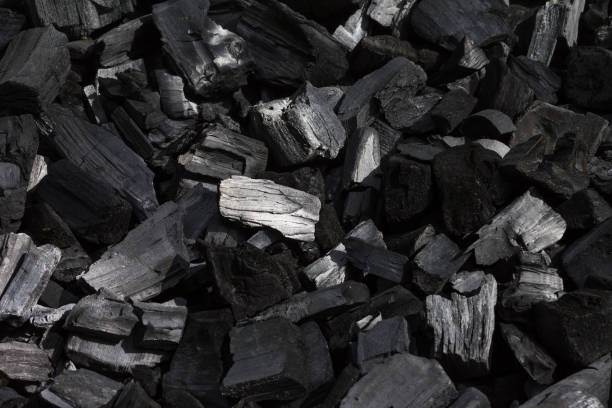
Top 9 Charcoal Suppliers in Brazil in Quarter 3 of 2025
•
Introduction – Brazil’s Charcoal Market: A Quantitative Overview Did you know that Brazil is one of the largest charcoal-producing countries in the world? With vast natural resources and a long-standing tradition in charcoal manufacturing, it’s no surprise that Brazil plays a leading role in the global charcoal trade. Whether you’re sourcing for industrial fuel,…
-
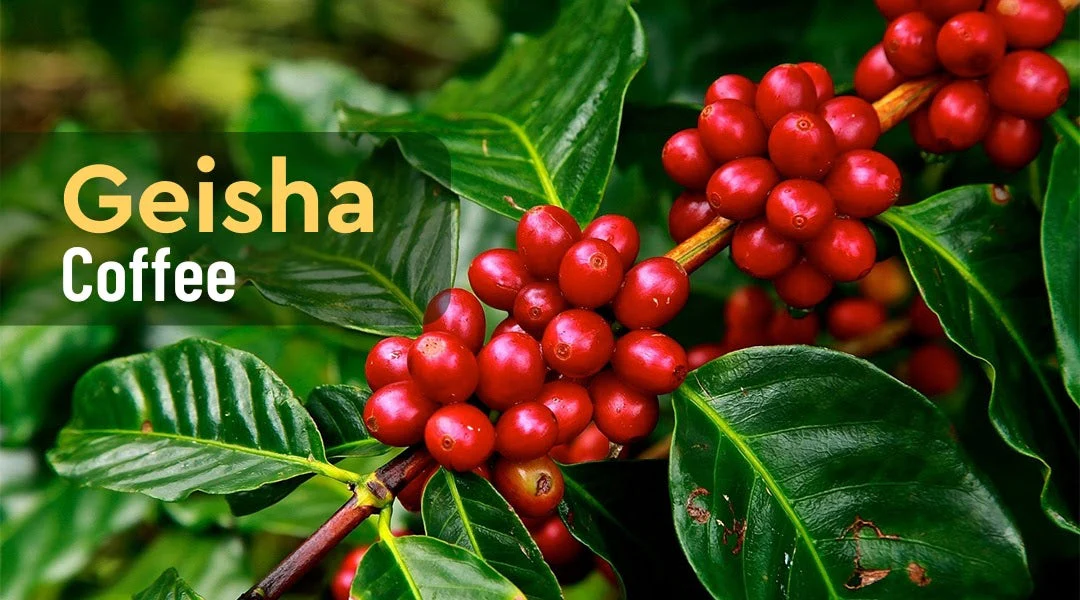
The World’s Finest Coffee Varieties and Where They Are Grown
•
Summary Explore the world’s finest coffee varieties, from Ethiopia’s floral Yirgacheffe and Jamaica Blue Mountain’s luxurious smoothness, to Panama Geisha’s exotic aromas and Hawaiian Kona’s balanced elegance. Each region reflects unique terroir, heritage, and innovation, offering coffees prized for their exceptional quality and distinctive flavors. Ethiopia: Where Coffee Was Born In the lush highlands…
-
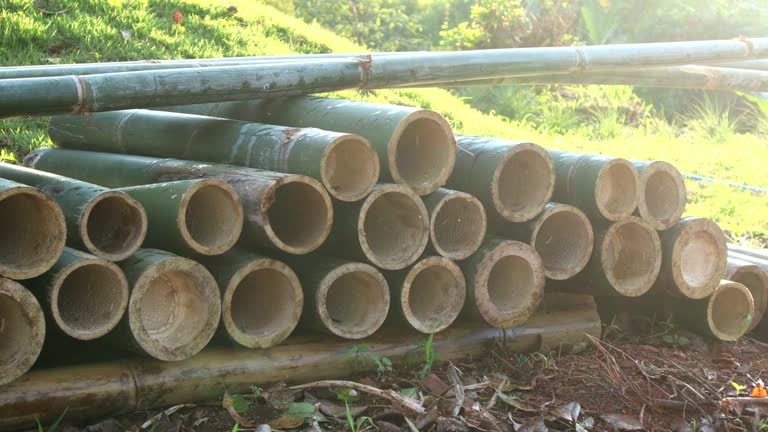
Top 7 Bamboo Suppliers in Brazil in Year 2025: A Data-Driven Guide to Strategic Sourcing
•
Introduction – Brazil’s Bamboo Market: A Quantitative Overview Brazil may be best known for its coffee and carnival, but there’s another green giant quietly growing across its landscapes—bamboo. With over 232 native bamboo species and massive untapped natural reserves, Brazil is rapidly planting itself as a key player in the global bamboo market. While…
-
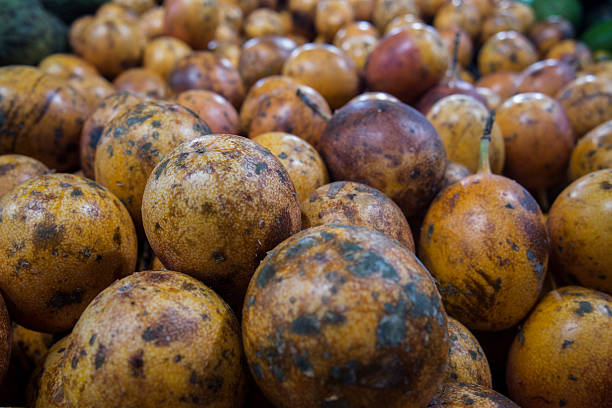
Top 5 Passion Fruit Suppliers in Brazil in Year 2025
•
Introduction – Brazil’s Passion Fruit Market: A Quantitative Overview When you think of passion fruit, Brazil should instantly come to mind. Why? Because Brazil isn’t just a contributor—it’s the global leader in passion fruit production, owning nearly 70% of the world’s total output. That’s not a small feat. In 2022, Brazil produced approximately 698,000…
-
Top 4 Basmati Rice Suppliers in Brazil in July 2025 – Urgent Market Update & Strategic Insights
•
Introduction – Current State of Play: The Basmati Rice Sector in Brazil The Basmati rice market in Brazil is undergoing some serious shifts in 2025. Following massive floods in Rio Grande do Sul in April 2024, one of the country’s most productive rice regions, the Brazilian government is now reevaluating its domestic supply chain.…
-
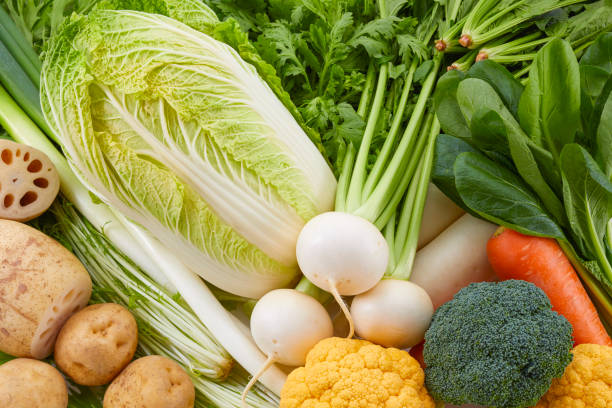
Top 8 Vegetable Suppliers in Brazil in Year 2025: A Snapshot of a Dynamic Agricultural Powerhouse
•
Introduction – Current State of Play: The Vegetable Sector in Brazil The vegetable sector in Brazil is going through a rather intense period of transformation. In 2025, it’s not just about planting and harvesting anymore—it’s about navigating policy shifts, global trade dynamics, sustainability expectations, and high-tech agricultural innovations. With Brazil poised to generate around…