
-
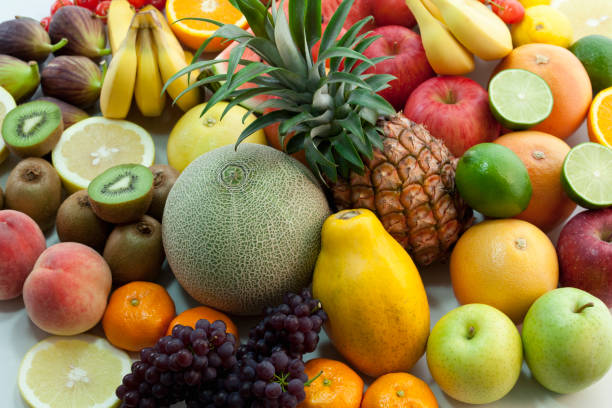
Top 9 Fruit Suppliers in Brazil in Week 22 of 2025
•
Introduction – Brazil’s Fruit Market in Statistical Focus Brazil is a tropical titan when it comes to fruit production. It’s the third-largest fruit producer in the world, churning out a stunning variety of tropical delights. Yet, here’s the kicker—only around 2–2.5% of that bounty ever makes it beyond its borders. In terms of exports,…
-
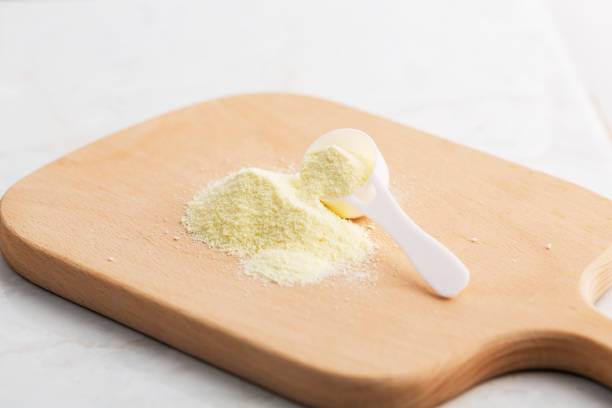
Top 7 Milk Powder Suppliers in Brazil in Year 2025
•
Introduction – Brazil’s Milk Powder Market by the Numbers When we talk about milk powder, Brazil isn’t just playing catch-up — it’s one of the global heavyweights. In 2023, Brazil produced around 586,000 metric tons of dry whole milk powder, up from 568,000 metric tons in 2022. That’s a serious leap, putting Brazil in…
-
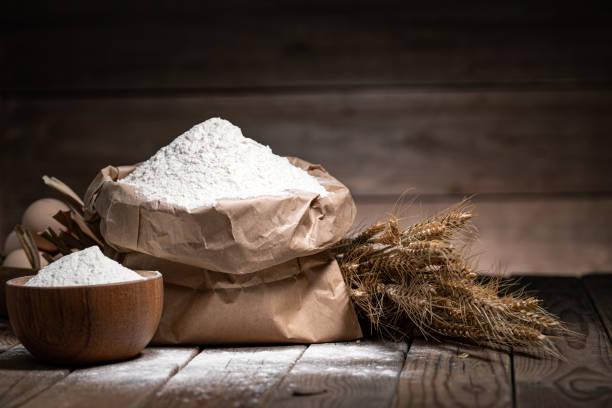
A Comprehensive Guide to Sourcing High-Quality Wheat Flour: Top 5 Wheat Flour Suppliers in Brazil in Quarter 2 of 2025
•
Introduction: Delving into Brazil’s Reputation for Quality Wheat Flour When it comes to high-quality wheat flour, not many think of Brazil as a top contender — but that’s changing fast. Brazil has been quietly making waves in the global wheat market, combining its natural resources with cutting-edge agricultural science to become a powerhouse in…
-

Your Expert Guide to Procuring Top-Tier Mango: Top 8 Mango Suppliers in Brazil in Week 18 of 2025
•
Introduction – Understanding Brazil’s Reputation for Quality Mango When it comes to premium mangoes, Brazil is a powerhouse. With its tropical climate, fertile soils, and decades of agricultural know-how, the country has become one of the leading global exporters of this sweet, juicy fruit. But not all mangoes are created equal — and if…
-
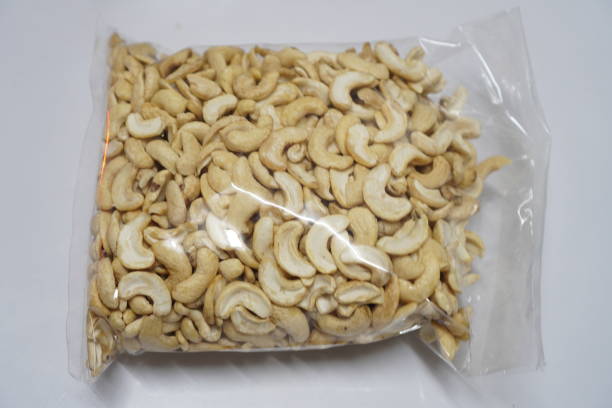
Your Expert Guide to Procuring Top-Tier Cashew Nut: Top 6 Cashew Nut Suppliers in Brazil in Week 18 of 2025
•
Introduction – Exploring Brazil’s Reputation for Quality Cashew Nut When it comes to sourcing premium cashew nuts, few countries can match Brazil’s reputation. Thanks to its tropical climate, nutrient-rich soil, and decades of agricultural expertise, Brazil has become a powerhouse in cashew nut cultivation and exportation. But here’s the thing—just because a cashew nut…
-
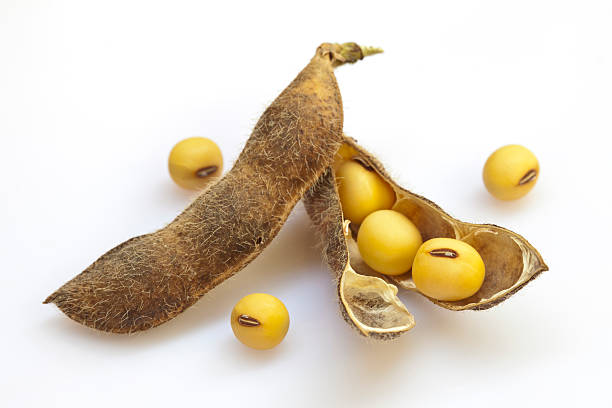
Top 7 Soybean Suppliers in Brazil in Week 14 of 2025
•
Introduction – Brazil’s Soybean Market: A Quantitative Overview When it comes to soybeans, Brazil is the undisputed king of the global market. The country has consistently outpaced competitors like the U.S. and Argentina in both production and exports. For the 2024/25 season, Brazil is forecasted to produce a whopping 169 million metric tons (MMT)…