
-

Top 5 Edible Oils Suppliers in Poland in Year 2025: Market Trends, Insights, and Strategic Guidance
•
Introduction – Current State of Play: The Edible Oils Sector in Poland The edible oils market in Poland is currently riding a wave of transformation. From geopolitical tensions to shifting consumer preferences, businesses are finding themselves in a landscape that’s more dynamic than ever. In 2025, companies dealing in edible oils must navigate through…
-
Top 7 Edible Oils Suppliers in Belgium in July 2025
•
Introduction – Belgium’s Edible Oils Market: A Quantitative Overview When you think of Belgium, you might picture waffles, chocolate, and fries. But behind the scenes, Belgium is also a serious player in the global edible oils market. From sunflower oil to palm and rapeseed oils, the country processes and exports significant volumes across Europe…
-
Top 6 Sunflower Oil Suppliers in Vietnam in Quarter 3 of 2025
•
Introduction – Vietnam’s Sunflower Oil Market: A Quantitative Overview Vietnam’s sunflower oil market has been heating up, and the numbers tell a compelling story. Although not yet a global leader like Ukraine, Vietnam is rapidly carving out a space in the international sunflower oil trade. From February 2023 to January 2024, Vietnam exported 359…
-
Top 4 Edible Oils Suppliers in China in Week 18 of 2025
•
Introduction – China’s Edible Oils Market in Statistical Focus When it comes to edible oils, China plays a colossal role on the global stage. Just to give you a sense of scale—China produced approximately 29.2 million tonnes of edible oils in the 2022–2023 period. That’s not just a number; it’s a massive chunk of…
-
Your Expert Guide to Procuring Top-Tier Edible Oils: Top 5 Edible Oils Suppliers in Thailand in Week 18 of 2025
•
Introduction – Understanding Thailand’s Reputation for Quality Edible Oils When it comes to edible oils, Thailand isn’t just playing the game—it’s setting the standard. With its tropical climate, nutrient-rich soils, and deep-rooted agricultural expertise, Thailand has become one of Southeast Asia’s most reliable producers of high-quality edible oils. From palm and coconut to rice…
-
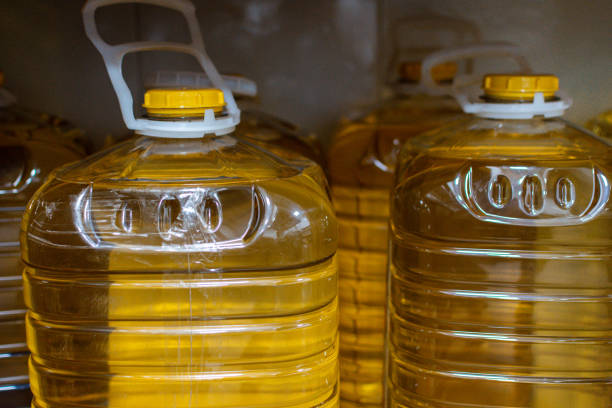
A Comprehensive Guide to Sourcing High-Quality Edible Oils: Top 8 Edible Oils Suppliers in India in Week 08 of 2025
•
Introduction – Understanding India’s Reputation for Quality Edible Oils India has long been recognized as a powerhouse when it comes to producing high-quality edible oils. This reputation isn’t just a matter of chance — it’s rooted in the country’s diverse agro-climatic conditions, time-tested agricultural practices, and solid policy support from the government. Let’s break…