Introduction – Kenya’s Fishing Nets Market by the Numbers
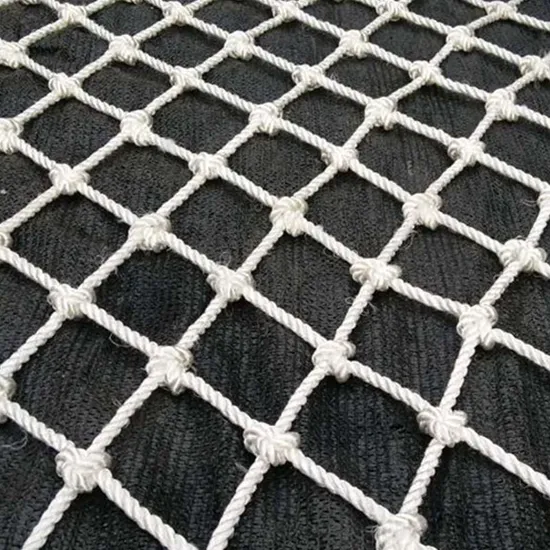
Kenya may not be the first country that pops into your mind when you think of fishing gear exports, but it’s quietly becoming a regional powerhouse—especially when it comes to fishing nets. As of 2024, Kenya exported fishing nets made from man-made textile materials worth approximately $1.84 million, weighing in at around 552,708 kilograms. That’s a lot of nets headed across borders!
Why does this matter? Because if you’re a business looking to source fishing nets from Kenya, you need to be strategic. With the market evolving rapidly, relying on guesswork just won’t cut it anymore. You need real data—export volumes, supplier performance, and buyer trends—to make smart decisions. Platforms like Freshdi are now essential tools for businesses, offering insights into RFQ trends, supplier verification, and market intelligence that helps buyers stay ahead.
Deep Dive – Key Production, Export Statistics & Demand Insights
Let’s break down the numbers that paint the full picture of Kenya’s fishing net industry.
Export Performance (2024)
- Total Export Value (Fishing Nets): $1.84 million
- Total Export Volume: 552,708 kg
- Top Destinations:
- Tanzania: $917,650 (328,111 kg)
- Uganda: $886,940 (198,962 kg)
- Zambia: $21,390 (2,558 kg)
- Rwanda: $7,600 (17,526 kg)
- Somalia: $4,820 (2,050 kg)
Fishing Equipment Category (2023)
Beyond nets, Kenya shipped out:
– Fishing rods, hooks, and tackle worth $1.91 million
– Main buyers:
– United States: $985,000 (51%)
– United Kingdom: $452,000 (23%)
– Italy: $83,000 (4.35%)
– UAE: $65,000 (3.39%)
Domestic Demand Drivers
Kenya’s fishing industry is more than just export-focused. In 2024:
– Total fish production: 168,424 tonnes (up 4.4%)
– Marine catch: Increased by 21%
– Aquaculture: Up by 5%
– Fish deficit: Still short of 510,000 tonnes needed for national consumption
Despite these efforts, illegal fishing gear remains a big issue. Authorities are cracking down hard:
– Illegal nets worth KSh 4 million destroyed in Homa Bay
– Annual losses of KSh 70 million in Lamu due to unauthorized nets
So while the export numbers are strong, sustainability is becoming just as crucial as profitability.
Top 10 Verified Fishing Nets Suppliers in Kenya – Top Tier Based on Export Data
Based on export performance, buyer reviews, and data available on platforms like Freshdi, these are the top fishing net suppliers in Kenya for Q3 of 2025.
1. Flies Per Dozen
This supplier has built a solid reputation for premium-quality handmade fishing nets and flies. Their products are favored in Uganda and Tanzania markets and consistently rank high in RFQs on Freshdi.
2. Lakeview Net Works
Known for their durability and wide product range, Lakeview has been a go-to for commercial fishing operations in East Africa.
3. OceanCatch Supplies Kenya Ltd
With verified exports to Zambia and Somalia, OceanCatch is praised for its eco-friendly mesh designs and reliable delivery timelines.
4. Aquanets Kenya
Focused on aquaculture needs, Aquanets has carved out a niche with high-strength nets for fish farms.
5. Ulaya Marine Gear
They specialize in deep-sea fishing nets and have partnerships with local cooperatives, enabling broader distribution.
6. NetTech Africa
A tech-savvy player, NetTech integrates RFID tags into their nets—helping buyers track usage and durability.
7. East Coast Fishing Gear
A consistent exporter to neighboring countries, they are known for specialized tigerfish nets and longline accessories.
8. Boma Net Products
Focused on affordability, Boma caters to small-scale fishers and NGOs working in fisheries development.
9. Delta Fibre Works
Their synthetic fiber nets are in demand across East Africa for their resistance to wear and tear.
10. AquaPro Gear Kenya
They supply both marine and inland fishing nets, with a growing presence in Uganda and Rwanda.
Dynamic Ranking Note: Rankings may shift monthly or quarterly based on supplier performance, buyer feedback, and RFQ volume. Platforms like Freshdi provide dynamic badges such as “Top Supplier of the Month” and real-time supplier analytics to help buyers make informed decisions.
Market Navigation – Statistical Trends, Value Dynamics & Export Dynamics
Now that we know the top players, let’s decode the bigger trends shaping Kenya’s fishing net market.
Understanding Current Demand
Fishing nets are in high demand, especially in combination with Kenya’s growing fishing industry. The 19.5% decline in fishery exports in 2024 might reflect challenges in the fish stock, but it also signals a shift toward domestic investment in sustainable gear.
Seasonal Price Fluctuations
Fishing net prices don’t stay still. Seasonal influences like:
– Monsoon rains
– Fish breeding seasons
– Government-imposed fishing bans
…all contribute to fluctuating demand for nets. Smart buyers often analyze price trends from the past 2–3 years to anticipate the best purchasing times.
Platforms like Freshdi help track these patterns by aggregating historical RFQ data, so you’re not fishing in the dark—pun intended.
Global Growth Trends
Globally, the fishing nets market is expected to grow at a CAGR of 4.6% from 2025 to 2034, hitting around $5.2 billion by 2034. Factors driving this include:
– Advanced fiber technologies
– Increased seafood consumption
– Rising adoption of eco-friendly fishing gear
Kenya is positioning itself to ride this wave, especially with new modern fishing vessels being distributed in counties like Kwale and aggressive crackdowns on illegal gear.
Conclusion – Leveraging Data for Optimized Supply Chains
Kenya’s fishing net export industry is resilient, steadily growing, and increasingly governed by sustainability initiatives. With $1.84 million in net exports and a strong regional presence, Kenya is a top sourcing destination in East Africa.
But here’s the key: choosing the right supplier isn’t just about price. It’s about understanding performance, reliability, and compliance. That’s where platforms like Freshdi come in. They empower you with:
– Verified supplier profiles
– Export statistics
– Market trend insights
– Live RFQ tracking
Whether you’re sourcing for large-scale commercial fishing or supplying local cooperatives, leveraging data ensures you make smart, future-proof decisions.
Checklist for Buyers – Before Choosing a Fishing Net Supplier
Check supplier’s verified export data
Review Freshdi’s RFQ trends and buyer feedback
Ask for certifications (ISO, eco-certifications, etc.)
Confirm material durability and net specifications
Evaluate seasonal demand and price trends
Consider suppliers with sustainable and legal sourcing practices
Explore dynamic rankings on Freshdi for the latest top performers
Future Outlook – What Lies Ahead for Kenya’s Fishing Net Market
Looking forward, Kenya’s fishing net industry is likely to:
– See increased investment in sustainable gear
– Align with global traceability standards
– Experience greater regional integration in East Africa
– Benefit from government initiatives promoting artisanal fisheries
As the country tackles illegal fishing and boosts aquaculture, demand for quality fishing nets will only grow. That’s good news for buyers—if you know where (and how) to look.
How Freshdi Empowers Fishing Net Buyers
Real-Time Data: Access live RFQ stats and price trends
Verified Suppliers: No more guesswork—connect with trusted exporters
Dynamic Rankings: See who’s leading the market this month
Search Filters: Compare by export volume, certifications, and buyer reviews
Supply Chain Insights: Understand sourcing patterns before you commit
With robust data at your fingertips, platforms like Freshdi help you make confident, informed, and future-ready decisions.
References
- World Bank WITS – Kenya Export Data 2023
- TrendEconomy – Fishing Equipment Exports
- Ecofin Agency – Fish Import Bill
- The Star – Illegal Nets Destroyed
- Eastleigh Voice – Lamu Fishing Sector Losses
- Kenya Fisheries Service – Annual Statistics 2024
- Exactitude Consultancy – Fishing Nets Market Forecast
- Kenya News – Modern Vessels Distribution
- Kenya News – Illegal Nets Worth Sh6M Destroyed
FAQs
1. What types of fishing nets are most exported from Kenya?
Kenya mainly exports made-up fishing nets of man-made textile materials, including gill nets, seine nets, and trawl nets.
2. Which countries are the top buyers of Kenyan fishing nets?
Tanzania and Uganda are the largest importers, followed by Zambia, Rwanda, and Somalia.
3. Are all fishing net suppliers in Kenya certified?
Not all. That’s why it’s essential to use platforms like Freshdi to verify supplier credentials and certifications.
4. How can I avoid buying illegal or non-compliant fishing gear?
Stick to verified suppliers, ask for documentation, and check Freshdi for legal compliance indicators.
5. When is the best time to buy fishing nets from Kenya?
Avoid peak seasons when prices spike due to demand. Use Freshdi’s RFQ history to spot off-peak buying opportunities.