Introduction – Current State of Play: The Beauty Equipment Sector in Germany
Germany’s beauty equipment market is buzzing with activity in 2025. From fresh policy shifts to a booming e-commerce sector, the industry is undergoing a transformation that no business can afford to ignore. With domestic sales witnessing a 5.5% leap to €23.9 billion and overall market revenues hitting €35.6 billion, it’s clear that German consumers consider beauty a daily essential—even in uncertain economic times.
What’s driving this surge? Skincare and haircare demand is through the roof, with growth rates of 11.1% and 8.1%, respectively. Meanwhile, online beauty sales have exploded by 22.5%, now making up 7% of the entire market. These figures scream one thing: the digital-first beauty era has arrived in Germany.
But that’s just one piece of the puzzle. German manufacturers are turbocharging their supply chains. Take HCP Germany, for example—they’ve ramped up their mascara production to an eye-popping 85 million units annually. And P&G? They’ve launched a high-tech warehouse in Euskirchen to streamline operations. Add Henkel to the mix with a 15% efficiency boost, and you’ve got an industry that’s not just growing—it’s evolving.
Let’s not forget regulation. The EU’s upcoming microplastics ban is forcing companies to rethink their product formulations. This pressure is compounded by Germany’s notorious bureaucracy, which 90% of businesses label a major pain point. Yet, amidst these challenges, innovation thrives. From clean beauty to AI-driven skincare tools, consumer tastes are pushing brands to up their game.
Platforms like Freshdi are stepping up to help businesses stay agile. With access to real-time supplier verification, RFQ trend analysis, and market insights, Freshdi is becoming the go-to platform for buyers navigating Germany’s ever-shifting beauty equipment landscape.
Deep Dive – Breaking News: Critical Updates & Their Effects
1. Sales Resilience Amid Economic Fluctuations
Despite global economic wobbles, Germany’s beauty equipment sector isn’t just surviving—it’s thriving. The market recorded a 2.9% sales increase in 2025, hitting €35.6 billion. Domestic consumption is the key driver here, growing by 5.5%, while export sales saw a minor dip of 2.1%.
2. E-Commerce Is Leading the Charge
Online beauty equipment sales have skyrocketed, growing by 22.5%. This digital boom means that brands need to optimize their online presence—quickly. Consumers are shopping with a swipe, and the businesses that don’t adapt will be left behind.
3. AI and Smart Beauty Devices Are the New Norm
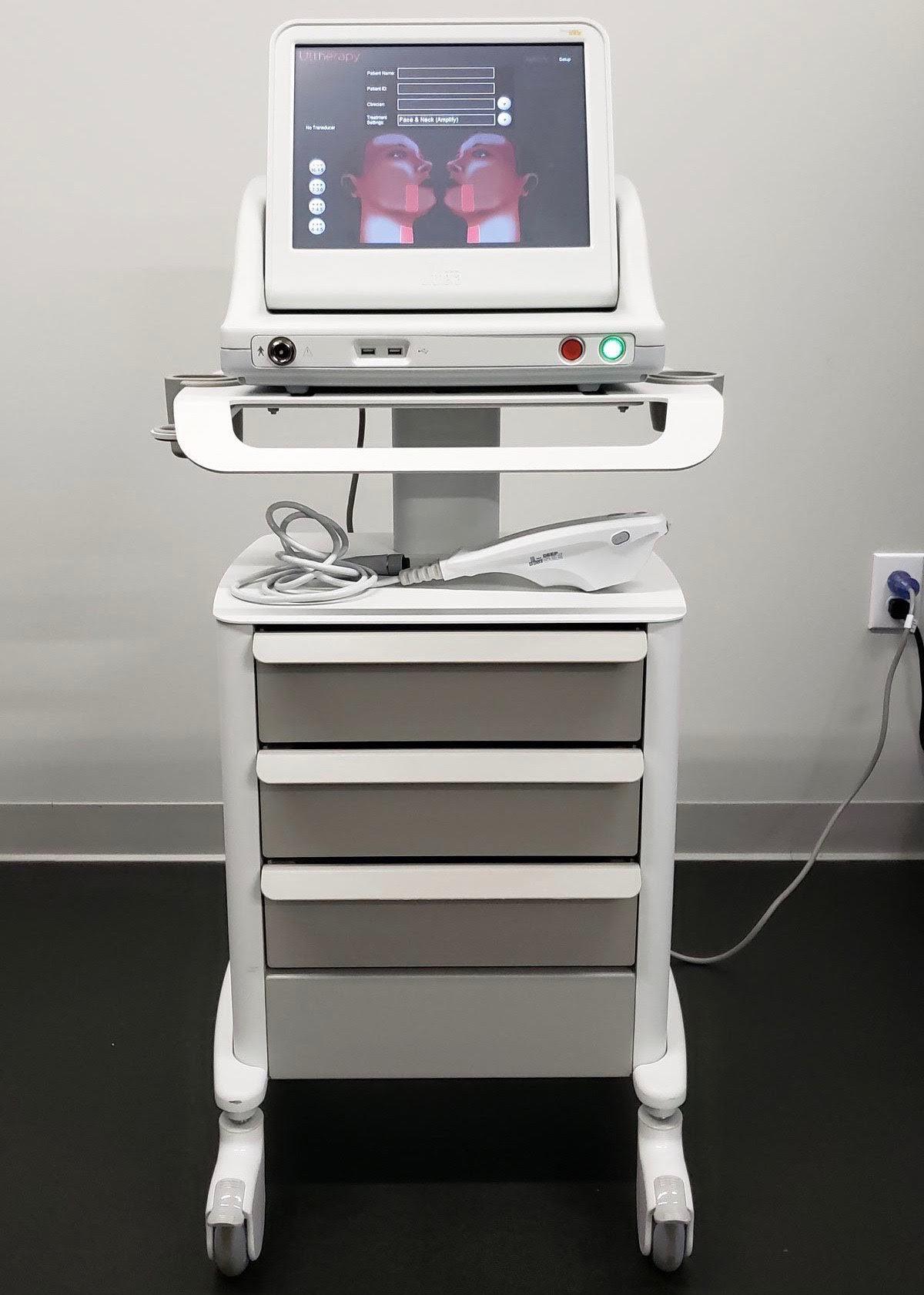
AI-powered tools are now a staple in the German beauty tech scene. Personalized skincare devices, smart facial tools, and diagnostic gadgets are flying off shelves. These innovations are not only enhancing user experience but also creating entirely new product categories.
4. Local Sourcing Gains Momentum
Thanks to supply chain disruptions and cost concerns, German companies are looking closer to home. Suppliers in Eastern Europe and Africa are now in the spotlight, especially those in Poland, Turkey, and South Africa. Sustainability and shorter delivery timelines are the driving factors behind this shift.
5. Eco-Innovation Is a Must-Have
The EU’s microplastics ban has triggered a wave of sustainable innovation. From biodegradable packaging to zero-waste formulations, eco-friendliness is no longer optional—it’s expected.
6. AI-Driven Logistics & Supply Chain Optimization
Germany’s AI-powered retail supply chain optimization market is now worth a staggering $495 million. As companies race to cut costs and boost productivity, AI integration is becoming essential, especially for beauty equipment logistics.
7. Market Forecast: €5.39 Billion to €19 Billion by 2035
Projections show the German beauty tools market will explode from $5.39 billion in 2025 to a jaw-dropping $19 billion by 2035. That’s a CAGR of 13.4%, signaling massive long-term opportunity.
Top 3 Verified Beauty Equipment Suppliers in Germany – Adapting to Today’s Market
Choosing the right supplier in this fast-paced market is more critical than ever. Thanks to platforms like Freshdi, buyers can now access verified reviews, track RFQ activity, and evaluate certifications in real time.
Here are the top 3 beauty equipment suppliers in Germany for Q3 2025:
1. ELU TRADING GMBH
- Location: Germany
- Specialty: High-grade beauty equipment including facial steamers, dermabrasion tools, and salon chairs
- Certifications: ISO 9001, CE certified
- Export Reach: Europe, Middle East, North America
- Market Adaptation: Emphasizes sustainable sourcing and has recently introduced AI-integrated skincare devices.
- Freshdi Insights: Rated highly by buyers for reliability, packaging quality, and responsive customer service.
2. BEAUTECHNIK GmbH
- Location: Frankfurt, Germany
- Specialty: Laser hair removal machines, cryotherapy equipment, and ultrasonic devices
- Certifications: TÜV Rheinland, RoHS, CE
- Export Reach: EU, Asia, and South America
- Market Adaptation: Recently revamped product line to comply with EU microplastics regulations.
- Freshdi Insights: Known for innovation and customization options for large-scale buyers.
3. DERMOEXPERT GmbH
- Location: Berlin, Germany
- Specialty: AI-powered beauty diagnostic tools and skin analysis machines
- Certifications: ISO 13485, CE
- Export Reach: North America, UK, Middle East
- Market Adaptation: Pioneering AI-driven personalization in skincare diagnostics.
- Freshdi Insights: Frequently updated catalog and strong after-sales support make them a buyer favorite.
Dynamic Ranking Note
Keep in mind, platforms like Freshdi offer dynamic supplier rankings that shift based on quarterly performance, buyer feedback, and RFQ activity. Always check the latest “Suppliers of the Month/Quarter” to stay ahead in your sourcing game.
Market Navigation – Strategic Responses to The Prevailing Beauty Equipment Landscape in Germany
So, what does all this mean for businesses looking to source beauty equipment from Germany?
1. Shift Focus to Digitally-Enhanced Products
With the surge in AI-powered beauty tools, businesses should prioritize sourcing smart devices that offer personalization and data-driven skincare. These are the products consumers are raving about.
2. Re-evaluate Supply Chains
Given the preference for local and regional suppliers, companies may need to diversify sourcing strategies. Prioritizing partners in Poland, Hungary, or Turkey can offer more stability and lower costs.
3. Stay Ahead of Regulatory Changes
The upcoming EU microplastics ban isn’t just red tape—it’s a ticking clock. Suppliers already adapting to these rules will be more reliable in the long run. Make sure your partners are reformulating in compliance.
4. Tap Into E-Commerce-Friendly Designs
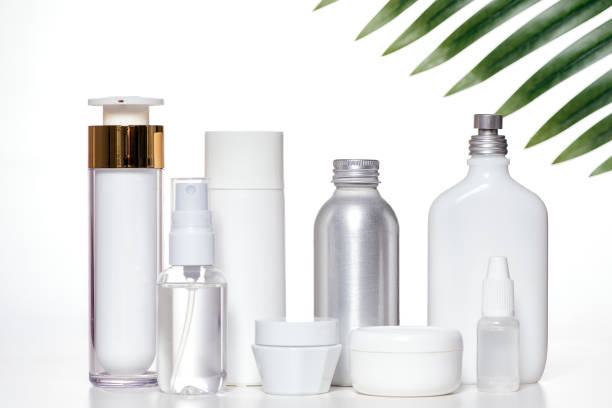
As online sales boom, product packaging and design must be e-commerce-ready. From compact shipping sizes to sustainable materials, these small tweaks can make a big difference.
5. Invest in Sustainable Partnerships
Eco-conscious sourcing isn’t just good for the planet—it’s great for your brand. Align with suppliers who prioritize sustainable practices and certifications.
Conclusion – Key Takeaways for Businesses in a Rapidly Evolving Market
Germany’s beauty equipment sector is in full swing, driven by local demand, digital innovation, and a green revolution in product development. But it’s also a market in motion—shaped by regulatory pressures, supply chain shifts, and evolving consumer behavior.
To keep up, businesses need to be agile. Focus on AI-enhanced devices, source regionally, stay compliant with EU regulations, and lean into e-commerce trends.
Checklist for Buyers:
- Verify supplier certifications (CE, ISO, TÜV, etc.)
- Prioritize AI-enabled and eco-friendly products
- Use platforms like Freshdi for real-time supplier vetting
- Stay updated on EU regulatory changes
- Monitor RFQ trends to anticipate demand shifts
How Freshdi Empowers Buyers
Freshdi is more than a B2B marketplace—it’s your intelligence hub for staying on top of Germany’s fast-evolving beauty equipment scene. From up-to-date supplier rankings to RFQ insights and compliance tracking, Freshdi makes sourcing smarter, faster, and more reliable.
FAQs
1. What types of beauty equipment are trending in Germany right now?
AI-powered skincare devices, laser tools for hair removal, and eco-friendly salon gear are currently in high demand, driven by consumer interest in personalization and sustainability.
2. How can I verify if a German beauty equipment supplier is trustworthy?
Use platforms like Freshdi to check verified buyer reviews, certifications, and export history.
3. Are German suppliers affected by the EU microplastics ban?
Yes, many are actively reformulating their products to comply with the upcoming bans starting in 2027. Working with compliant suppliers is crucial for long-term success.
4. Is it better to source from Germany or neighboring countries like Poland or Turkey?
It depends on your needs. German suppliers offer high quality and innovation, while nearby regions may offer cost efficiency and quicker shipping.
5. What role does e-commerce play in Germany’s beauty equipment market?
A major one! With a 22.5% growth in online beauty sales, businesses must ensure their products are e-commerce ready—think compact, eco-friendly packaging and strong digital presence.
References
- ikw.org
- fullbeautysuppliers.com
- cosmetic-business.com
- supplychaindive.com
- mordorintelligence.com
- researchandmarkets.com
- securityworldmarket.com
- cosmeticsbusiness.com
- kenresearch.com
- marketresearchfuture.com
- linkedin.com