Introduction – Philippines’ Honey Market by the Numbers
Let’s be honest—when you think of global honey powerhouses, the Philippines probably doesn’t top your list. And for now, that’s a fair assumption. In 2024, the Philippines exported a mere 42 kilograms of natural honey, valued at just $500. To put that in perspective, that’s about the weight of a mid-sized suitcase. All of it went to the United States Minor Outlying Islands. Not exactly a global splash. (WITS)
On the flip side, the country imported nearly one million kilograms of honey—precisely 998,625 kg—spending over $3 million in the process. Australia, Vietnam, and the U.S. were the top suppliers. (WITS)
So, what gives? Why is the Philippines importing so much honey while barely exporting any?
The answer lies in both opportunity and challenge. The Department of Agriculture (DA) is stepping up, launching beekeeping initiatives like the one in Occidental Mindoro, empowering communities like the Mangyan tribe. They’re also working with the University of the Philippines-Los Baños to scale up native honeybee farming. (PNA)
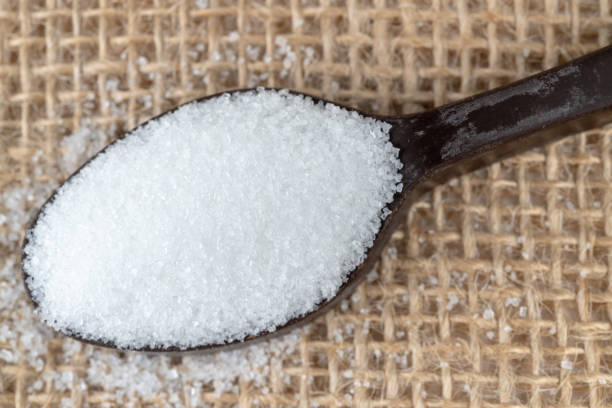
But here’s the kicker—about 80% of local honey sold in markets is adulterated with sugar syrup. That’s right, a study by DOST-PNRI found that most honey products aren’t even real honey. (DOST)
Despite these setbacks, there’s a golden opportunity for exporters and buyers alike. With demand surging and efforts to clean up the market, now’s the perfect time to explore the top-performing honey suppliers in the Philippines.
Deep Dive – Key Production, Export Statistics & Current Demand Data
Let’s break it down further. In 2024, Philippine honey exports hit rock bottom. Only 42 kg made it out of the country, and that’s not a typo. Meanwhile, imports surged, primarily from Australia, the U.S., and Vietnam, reflecting a booming domestic appetite for quality honey.
On platforms like Freshdi, RFQ (Request for Quotation) trends confirm this demand spike. Businesses are actively scouting reliable sources—both local and international—to meet consumer needs. This demand data isn’t just a trend; it’s the market shouting, “We need more honey!”
Top 3 Verified Honey Suppliers in Philippines – Top Tier Based on Export Data
Ready to meet the big players? Based on export activity, buyer reviews, and certifications on Freshdi, here are the top 3 honey suppliers in the Philippines for October 2025:
1. Lotis Mortalla
Lotis Mortalla stands out for her consistency and quality. Operating with a strong emphasis on purity and authenticity, her honey products have received high marks from both local and international buyers. She’s known for small-batch production, ensuring traceability and freshness.
2. San Miguel Corporation
Yes, that San Miguel. While best known for beer and food, San Miguel’s diversification into honey has been surprisingly robust. With the infrastructure and logistics to back global exports, they’re quickly becoming a dominant force in the B2B honey trade.
3. Zen Garden Plant Trading
This eco-conscious supplier brings a sustainable twist to honey production. Zen Garden is well-reviewed for its raw, unfiltered honey sourced from native bees. Their niche appeal has made waves among health-conscious buyers both in the Philippines and abroad.
Dynamic Ranking Note:
Keep in mind that rankings can shift monthly or quarterly. Platforms like Freshdi offer real-time insights into supplier performance with features like “Supplier of the Month” based on recent RFQs, delivery records, and buyer feedback.
Market Navigation – Statistical Trends, Pricing Analysis & Export Dynamics
Export Trends: A Rollercoaster Ride
So, where is Philippine honey headed? In 2024, exports dipped drastically. Yet, South Korea and Finland showed promise, absorbing 76% and 24% of these limited exports, respectively. And here’s the silver lining—the average export price rose to $10,500 per ton, a 14% jump. (IndexBox)
Demand Patterns: Sweet Tooth Nation
Local demand is booming. Filipinos are embracing honey for its health benefits—think natural sweetener, cold remedy, and even skincare. Imports hit around $3,574 per ton in 2024, with China offering the best bang for the buck. (IndexBox)
Seasonal Price Swings: Nature Calls the Shots
Honey prices in the Philippines swing with the seasons. Warmer months bring more flowers, more nectar, and lower prices. Colder weather? Less bloom, less honey, higher prices. Also, local weather patterns and farming practices play a huge role in these fluctuations. (Beekeeping.net)
Market Forecast: Buzzing Toward Growth
The Asia-Pacific honey market—which includes the Philippines—is set to skyrocket. By 2035, expect 572,000 tons in volume and $1.8 billion in value, growing at around 2.4% annually. That’s a lot of jars! (IndexBox)
Global Trade Impacts: The U.S. Shakeup
U.S. anti-dumping duties on honey from major exporters like Vietnam and India have triggered price hikes. This could be the Philippines’ golden ticket to enter new markets that are now looking for alternative suppliers. (Food Business News)
Conclusion – Leveraging Data for Strategic Sourcing
Let’s wrap it up. The Philippines may not be a global honey giant—yet—but it’s buzzing with potential. With government backing, community-based beekeeping, and a push against product adulteration, things are looking sweet.
For buyers, this means opportunities. Selecting a supplier isn’t just about price—it’s about quality, volume, and trust. Platforms like Freshdi make this easy, offering tools to verify suppliers, track RFQ trends, and analyze export data. Whether you’re sourcing for retail, food processing, or wellness products, let data guide your decisions.
Key Takeaways
- The Philippines currently imports over 998,000 kg of honey annually but exports only a fraction.
- Domestic production is growing, thanks to government-led beekeeping projects.
- San Miguel Corporation, Lotis Mortalla, and Zen Garden Plant Trading are the top honey suppliers in October 2025.
- Honey prices vary seasonally; buying strategies should account for climate and harvest cycles.
- Global trade shifts (like U.S. anti-dumping duties) create openings for new exporters.
Checklist for Honey Buyers in the Philippines
✔️ Verify supplier authenticity via platforms like Freshdi
✔️ Check for third-party certifications (organic, FDA, export-ready)
✔️ Understand seasonal price trends before placing large orders
✔️ Monitor import/export data to anticipate market shifts
✔️ Avoid adulterated honey—request lab test results
Future Outlook – What’s Next for Philippine Honey?
The Philippines’ honey industry is on the verge of transformation. With improved quality control, community involvement, and global trade dynamics favoring alternative markets, Filipino honey could soon move from obscurity to the spotlight. As consumer demand for clean, traceable products grows, expect local producers to step up and meet the challenge.
And with platforms like Freshdi leading the charge in B2B intelligence, buyers are more empowered than ever to make smart, data-backed decisions.
FAQs
1. Why is the Philippines importing so much honey if it produces its own?
Because domestic production is still very low. In 2024, the country produced and exported only 42 kg of honey. Importing helps meet the growing local demand.
2. How can I be sure I’m buying pure honey in the Philippines?
Use trusted suppliers verified on platforms like Freshdi, and always request lab test results to confirm purity.
3. What makes San Miguel Corporation a top honey supplier?
Their scale, infrastructure, and reputation for quality have allowed them to enter the honey market with a solid export strategy and consistent buyer satisfaction.
4. What is the average export price of Philippine honey?
In 2024, it was around $10,500 per ton, showing a 14% increase from the previous year.
5. Are there seasonal discounts for honey purchases?
Yes. Honey prices tend to drop during warmer months when production is high and rise during colder seasons when supply is limited.
References
- WITS Honey Export Data – Philippines 2024
- WITS Honey Import Data – Philippines 2024
- PNA – Beekeeping Initiatives in Occidental Mindoro
- DOST-PNRI – Honey Adulteration Study
- IndexBox – Philippines Honey Market Analysis
- IndexBox – Honey Asia-Pacific Forecast 2035
- Beekeeping.net – Seasonal Price Impacts
- Food Business News – Anti-Dumping Duties Impact