Introduction – Current State of Play: The Sugar Sector in France
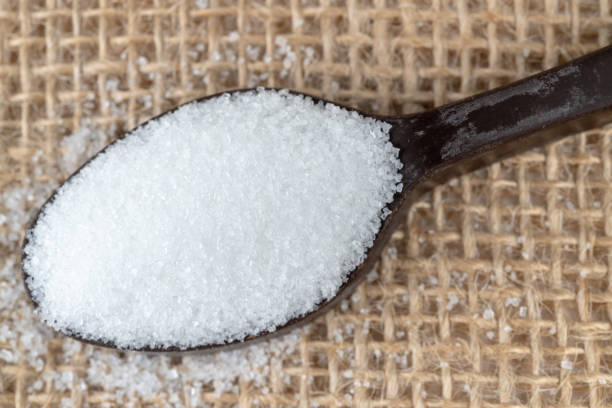
France has long been a significant player in the global sugar market, both as a producer and an importer. As we step into 2026, the sugar industry in France is experiencing a whirlwind of changes, from new EU agricultural policies to supply chain recalibrations driven by climate concerns and trade agreements. A recent bilateral deal with Brazil has opened the floodgates for competitively priced ICUMSA 45 sugar, impacting local refiners and reshaping sourcing strategies.
Add to that the unexpected spring frost in Northern France, which impacted sugar beet yields, and the resulting price fluctuations have pushed companies to rethink their procurement models. Businesses can no longer afford to operate on outdated assumptions. The sugar landscape is shifting fast — and those who stay informed and adaptable will thrive.
Deep Dive – What’s Making Headlines? Key Recent News & Impacts
Let’s unpack the key developments that are keeping sugar buyers and suppliers on their toes:
-
EU Green Deal & CAP Reform: France’s sugar industry is adjusting to new EU agricultural sustainability benchmarks, which are altering production incentives and reshaping local supply chains.
-
Climate Events: Severe weather patterns, including unexpected frosts and prolonged droughts in sugar beet-growing regions, have led to yield volatility and tighter domestic supply.
-
Global Demand Swings: The health-conscious shift in consumer behavior, driven by updated WHO guidelines, is increasing demand for alternative and low-sugar products.
-
Brazil-France Sugar Trade Agreement: A new trade agreement signed in late 2025 has allowed greater access to Brazilian sugar, making high-quality ICUMSA 45 available to French importers at competitive prices.
These developments aren’t just headlines — they’re reshaping procurement strategies, production schedules, and pricing models across the industry.
Top 9 Verified Sugar Suppliers in France – Navigating Current Market Realities
Selecting the right supplier in 2026 means more than just price and product. Buyers are now prioritizing supply chain resilience, verified certifications, and adaptability to market shocks. The following suppliers have been vetted through Freshdi’s platform, considering buyer reviews, certifications, export history, and responsiveness to current events.
1. IS COMMODITY
A powerhouse in bulk sugar trade, IS COMMODITY is renowned for its extensive sourcing network and robust logistics. They offer a wide range of sugar varieties, including ICUMSA 45, brown sugar, and specialty sugars. Their responsiveness to the Brazil-France trade deal has made them a preferred partner in 2026.
2. ELITOPHE SAS
Known for its commitment to sustainability, ELITOPHE SAS is gaining traction among buyers seeking organic and fair-trade certified sugar. Their transparency in sourcing and compliance with EU green regulations set them apart in the current climate-focused market.
3. CARAMBELLE
Focused on sugar-based confectionery ingredients, Carambelle is a go-to supplier for bakeries and food manufacturers. Their sugar paste products are especially popular in the patisserie sector, where quality and consistency are non-negotiable.
4. N&N Solutions
Leveraging the latest Brazil-France sugar trade agreement, this supplier offers premium ICUMSA 45 at competitive prices. N&N Solutions specializes in high-volume contracts and is a top-rated trader on Freshdi for bulk buyers.
5. Valdi
Valdi is a major player in refined sugar distribution across Europe. Their agile supply chain and consistent quality have earned them high marks from Freshdi buyers navigating recent supply disruptions.
6. COMPAGNIE NOUVELLE DE SUCRERIES REUNIES – CNSR
CNSR is deeply rooted in France’s sugar beet industry. Despite weather-related yield drops, they’ve maintained reliable output through diversified beet sourcing and strategic storage reserves.
7. BKLM SERVICES
A consistent performer in white and raw sugar segments, BKLM SERVICES is known for reliability and strong customer support. Their adaptability during the recent logistic bottlenecks has earned them increased market share.
8. EPEE Global Commodities
With a focus on international trade, EPEE Global Commodities offers competitively priced ICUMSA sugar, capitalizing on Brazil’s production surplus. Their logistics fleet ensures timely delivery across Europe.
9. Chocolat Mathez
While primarily a confectionery brand, Chocolat Mathez’s low-sugar truffles have found favor among health-conscious consumers and retailers in France. Their sourcing of specialized sugars for low-glycemic products has made them a niche standout.
Dynamic Ranking Note
It’s worth noting that platforms like Freshdi provide dynamic supplier rankings based on real-time performance metrics — including “Supplier of the Month/Quarter” — which helps buyers stay updated on the best-performing partners amid shifting conditions.
Market Navigation – Strategic Responses to The Current Sugar Landscape in France
The current environment demands more than just reactive purchasing — it requires strategic foresight. Here’s how businesses are adapting:
-
Diversified Sourcing: With domestic beet yields under pressure, many companies are turning to international suppliers, especially in Brazil and India, to supplement their needs.
-
Risk Mitigation: Companies are revisiting their SLAs (Service Level Agreements) and establishing buffer inventories to hedge against supply shocks due to weather or policy changes.
-
Product Innovation: The growing demand for reduced-sugar and sugar-free products is pushing manufacturers to source functional sweeteners and low-GI sugar alternatives.
-
Digital Procurement Platforms: Tools like Freshdi are becoming indispensable. Buyers are using the platform to track RFQ volume trends tied to regulatory news, ensuring that they’re not blindsided by sudden demand spikes or supply gaps.
-
Localized Warehousing: Some logistics-savvy suppliers are setting up regional warehouses in France to minimize delivery lags and increase responsiveness as demand patterns shift.
Conclusion – Key Takeaways for Businesses in a Fast-Moving Market
The sugar market in France is undergoing a transformation. From climate-driven production variances to shifting trade dynamics and consumer trends, the industry in 2026 is more complex but also full of opportunity.
For businesses sourcing sugar:
– Stay alert to policy and weather-related developments.
– Diversify sourcing to include both domestic and international partners.
– Consider product innovation in response to health trends.
– Use platforms like Freshdi to gain real-time insights and connect with suppliers actively responding to market shifts.
Freshdi empowers buyers by offering:
– Verified supplier profiles with current certifications.
– Alerts on RFQ spikes related to market events.
– Dynamic rankings to identify top-performing suppliers.
– Tools to streamline procurement and minimize risk.
Choosing the right supplier isn’t just about price anymore — it’s about resilience, adaptability, and market intelligence.
Key Takeaways
- France’s sugar market is being reshaped by EU policies, climate events, and global trade dynamics.
- Top suppliers are those who can deliver consistent quality and maintain flexible, responsive operations.
- Digital platforms like Freshdi are essential for making informed decisions in real time.
Checklist for Sugar Buyers in 2026
- ✅ Verify supplier certifications and compliance with EU regulations.
- ✅ Monitor global sugar trade developments (e.g., Brazil agreements).
- ✅ Plan for weather-related disruptions in local supply.
- ✅ Explore demand for low-sugar and alternative sweetener products.
- ✅ Use Freshdi to track RFQ trends and supplier reliability.
Future Outlook for France’s Sugar Industry
Looking ahead, we expect continued digitization of sourcing, more sustainable production practices, and heightened interest in health-conscious sugar alternatives. France’s position as a sugar hub will depend on its ability to adapt to both domestic and global shifts — and companies that embrace these changes will be best placed to succeed.
FAQs
1. What type of sugar is most in demand in France in 2026?
ICUMSA 45 is leading demand due to its high purity and suitability for both industrial and retail use, especially with new imports from Brazil.
2. How has climate change affected sugar production in France?
Unpredictable weather, including frosts and droughts, has reduced sugar beet yields, causing supply volatility and price increases.
3. Are there any reliable digital platforms to find sugar suppliers in France?
Yes, Freshdi is a trusted B2B platform offering supplier verification, market trends, and RFQ insights tailored to the sugar industry.
4. What trends are shaping sugar consumption in France?
Health-conscious consumption, demand for organic and low-sugar products, and sustainability concerns are driving purchasing decisions.
5. How can companies mitigate risks when sourcing sugar in 2026?
Diversify suppliers, build buffer inventory, stay informed on policy and climate developments, and use tools like Freshdi for real-time data and supplier insights.