Introduction – Current State of Play: The Tent Sector in South Korea
As of early 2026, South Korea’s tent industry is navigating a rapidly shifting landscape shaped by global economic turbulence, regional policy shifts, and domestic environmental challenges. With the country’s robust trade infrastructure and a web of free trade agreements, including the Korea-Singapore Digital Partnership Agreement and the Digital Economy Partnership Agreement, South Korea is uniquely positioned to weather global tariff uncertainties.
But that’s just the start.
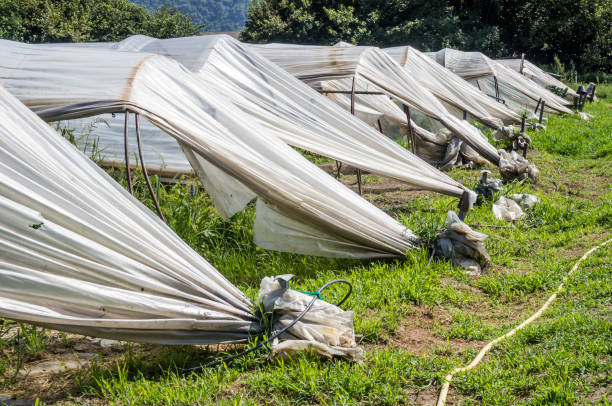
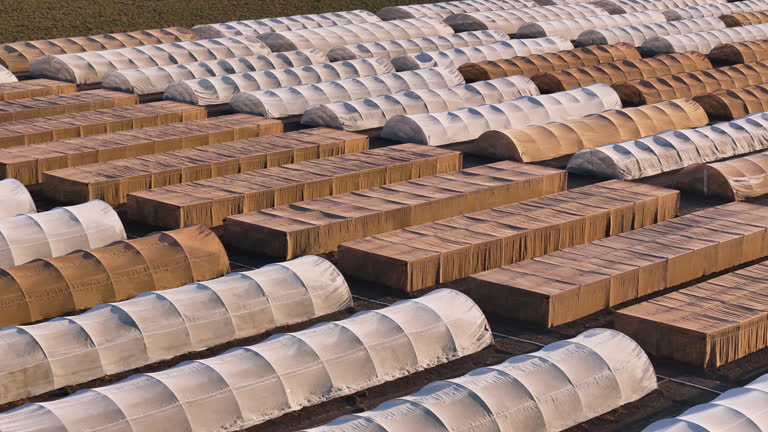
Climate change, extreme weather events like heatwaves and heavy rainfall, and fluctuating agricultural yields are creating ripple effects across industries—including tents. Why? Because tents are increasingly used in agriculture, emergency response, and outdoor logistics—all of which are under pressure.
At the same time, South Korea’s aggressive push to diversify its import sources, such as increased corn imports from South America and the U.S., signals a broader strategy of strengthening its supply chains. And let’s not forget the semiconductor boom—while not directly related to tents, it reflects a broader economic upswing that may increase domestic purchasing power and demand for high-quality, multi-use tent products.
For companies operating in or sourcing from the tent sector in South Korea, staying adaptable and informed has never been more critical. Platforms like Freshdi are proving essential for real-time market insights, RFQ (Request for Quotation) trends, and supplier verification—all key to making smarter sourcing decisions in this fast-moving market.
Deep Dive – What’s Making Headlines? Key Recent News & Impacts
Although the tent market hasn’t been front and center in media coverage recently, related sectors like logistics and warehousing are buzzing with activity—and that matters.
Foreign Investment in Logistics Infrastructure
Blackstone and other major foreign investors have snapped up distribution centers in Gimpo, Gochon, and Namyangju for a whopping $266 million. What does that have to do with tents? Well, these facilities are critical for the storage and distribution of large goods—like tents. Expect smoother logistics and potentially better delivery timelines.
Automation Boom in Warehousing
South Korea isn’t just building warehouses—it’s turning them into smart hubs. With 49 centers already certified as “smart logistics centers,” automation is reducing human error and increasing efficiency. That means faster fulfillment and potentially lower costs for tent suppliers and buyers alike.
Construction Slowdown: A Double-Edged Sword
On the flip side, the supply of new logistics space in the Seoul area plummeted by 73% in the first half of 2025 due to high interest rates and rising construction costs. This could tighten storage availability, increase rental prices, and potentially impact tent storage, especially for seasonal demand spikes.
E-commerce and Warehousing Market Expansion
The warehousing market is expected to reach over $86 billion by 2033. Fueled by e-commerce growth and globalized supply chains, this trend bodes well for tent suppliers that can pivot quickly and take advantage of faster, tech-driven distribution.
All of this paints a picture: while the tent market isn’t in the headlines, the sectors it depends on are evolving fast—and smart businesses are watching closely.
Top 9 Verified Tent Suppliers in South Korea – Relevant in the Current Climate
Looking for reliable tent suppliers in South Korea? Based on export performance, certifications, global presence, and buyer reviews on Freshdi, here are the top 9 you should know in November 2025:
-
Tradit Co., Ltd.
Known for durable outdoor tents and military-grade shelter systems. Strong export history and ISO-certified. -
Naru Global Co.
Offers a wide range of event and camping tents. Focuses on eco-friendly materials and customizable designs. -
GSC Corporatio
Specializes in industrial-use tents such as warehousing canopies and large-scale event setups. -
Dae Myung Machine Industry Co., Ltd.
A key player in heavy-duty tents and modular shade systems, ideal for agricultural and military use. -
K-Tent Solutions Inc.
Offers high-performance tents for commercial and adventure use. Known for quick delivery and bulk order discounts. -
HanSeung Tent Industrial
Focuses on innovative tent designs and has been expanding into Southeast Asia. Great for events and festivals. -
DongWoo Tent Co.
Provides weather-resistant, UV-protected tents. Popular among outdoor gear retailers. -
Peak Shelter Korea
Specializes in alpine and expedition-grade tents. Highly rated by global adventure gear buyers. -
NeoCamp Korea Inc.
A rising star in the glamping and luxury tent segments. Offers innovative designs with strong export potential.
Dynamic Ranking Note
Keep in mind that rankings can shift month to month. Platforms like Freshdi regularly update their “Suppliers of the Month” or “Top Exporters by Volume,” based on real-time RFQ activity, verified shipments, and buyer ratings.
Market Navigation – Strategic Responses to The Current Tent Landscape in South Korea
Let’s face it—this market is not what it was a year ago. Between climate shocks, logistics overhauls, and investment surges, sourcing tents from South Korea now requires sharper strategy.
Rethinking Product Selection
With extreme weather events becoming more frequent, tents designed for high heat resistance, waterproofing, and ventilation are in greater demand. Suppliers that offer weather-adaptable solutions are worth prioritizing.
Risk Management: Diversify or Double Down?
Given the slowdown in warehouse construction and rising costs, buyers should evaluate whether to:
- Diversify sourcing outside the Seoul metro area
- Secure long-term contracts to lock in logistics pricing
- Use platforms like Freshdi to monitor RFQ fluctuations and optimize timing
Watch for Regional Hotspots
Regions near automated logistics hubs like Gimpo and Namyangju may offer faster lead times and lower shipping delays. Prioritize suppliers located near these evolving infrastructure points.
Supplier Vetting is Non-Negotiable
With global supply chains still unpredictable, vetting suppliers for reliability, certifications, and export experience is crucial. Freshdi helps streamline this process with verified supplier profiles and performance data.
Conclusion – Key Takeaways for Businesses in a Fast-Moving Market
The South Korean tent market may not always grab headlines, but it’s deeply tied to macroeconomic and environmental shifts. From warehousing automation to extreme weather, these trends impact everything from tent design to delivery timelines.
To stay competitive, businesses need to:
- Stay Informed: Use platforms like Freshdi for up-to-the-minute RFQ activity and market insights.
- Think Regionally: Consider sourcing from suppliers near logistics hubs for faster fulfillment.
- Adapt Products: Focus on durable, climate-resilient tent designs.
- Vet Carefully: Choose suppliers with strong export history and verified credentials.
In a world that’s moving faster than ever, staying ahead isn’t optional—it’s essential. And tools like Freshdi make that possible.
Key Buyer Checklist – Tent Sourcing in South Korea
- Have you vetted your suppliers on Freshdi?
- Are you prioritizing weather-resistant or climate-adaptive tent products?
- Are you aware of regional supply chain strengths (e.g., Gimpo, Namyangju)?
- Have you reviewed RFQ trends for price fluctuations this quarter?
- Are you monitoring logistics changes that could impact delivery?
Future Outlook
Looking ahead, the tent market in South Korea could experience growth driven by:
- Increased outdoor recreation
- Demand for emergency shelters due to climate events
- Expansion of hybrid indoor-outdoor workspaces
As infrastructure and e-commerce evolve, so will distribution channels—creating new opportunities for agile tent suppliers and buyers ready to pivot.
How Platforms Like Freshdi Empower Buyers
Whether you’re a seasoned importer or new to the tent game, tools like Freshdi give you the edge:
-
Real-Time RFQ Tracking
Know when demand spikes and plan purchases accordingly. -
Verified Supplier Listings
No more guesswork—only qualified, export-ready businesses. -
Market Insights
Stay ahead with updates on logistics, pricing, and demand patterns. -
Supplier Performance Reviews
Learn from other buyers’ experiences before making a deal.
In a dynamic market like South Korea, staying informed isn’t just smart—it’s your competitive edge.
FAQs
1. Why is South Korea a good place to source tents from?
South Korea offers high manufacturing quality, reliable logistics, and a strong export infrastructure backed by multiple FTAs.
2. What types of tents are in highest demand right now?
Weather-resistant, multi-seasonal tents with UV and waterproof protection are trending due to climate challenges.
3. How can I find verified tent suppliers in South Korea?
Platforms like Freshdi provide verified supplier profiles, export data, and buyer reviews to simplify your search.
4. Are there any regional hubs for tent suppliers in South Korea?
Yes, areas like Gimpo and Namyangju are emerging as logistics hotspots due to advanced warehousing and proximity to distribution centers.
5. How often do top supplier rankings change?
Supplier rankings on platforms like Freshdi are dynamic and adjust monthly based on export volumes, buyer feedback, and RFQ responsiveness.
References
- Korea Times – Trade and Weather Impacts
- FreshPlaza – Food Price Stabilization
- AInvest – Corn Import Trends
- Wikipedia – Semiconductor Industry
- Korea Times – Weather Events
- Wikipedia – Climate Change in South Korea
- Senate Economy – Logistics Investments
- Cushman & Wakefield – Seoul Marketbeat
- GlobeNewswire – Warehousing Market Forecast
- Korea Tech Today – Tech Investments