Introduction – Understanding Vietnam’s Reputation for Quality Dried Flowers
If you’re in the dried flower business or planning to dive in, Vietnam should be on your radar—and for good reason. This Southeast Asian gem has built a solid reputation for producing some of the finest dried flowers in the global market. But what exactly makes Vietnam such a standout?
Well, it boils down to a few key factors.
First, the favorable climate and fertile soil—especially in regions like Lam Dong province and Da Lat city—create the perfect environment for growing vibrant, colorful flowers. Think of it as nature’s own greenhouse, where the air is cool, the soil is rich, and the blooms flourish.
Then there’s the deep-rooted tradition of flower farming. Vietnamese growers often use techniques passed down through generations, blending old-school wisdom with a love for the land. This isn’t just farming—it’s an art.
Add to that the recent surge in agricultural technology, particularly in places like Hanoi, where greenhouses and hi-tech growing zones are transforming the flower industry. These innovations aren’t just boosting productivity—they’re enhancing flower quality while promoting eco-friendly farming.
Oh, and let’s not forget the bottom line—Vietnam’s flower export revenue topped $100 million as of May 2025. That’s a clear signal that global demand is growing, and Vietnam is stepping up to meet it.
All in all, Vietnam’s dried flower industry is blooming—quite literally—and it’s a goldmine for buyers who know where to look.
Defining & Verifying Dried Flowers Excellence in Vietnam
So, what actually defines a “high-quality” dried flower?
Let’s break it down.
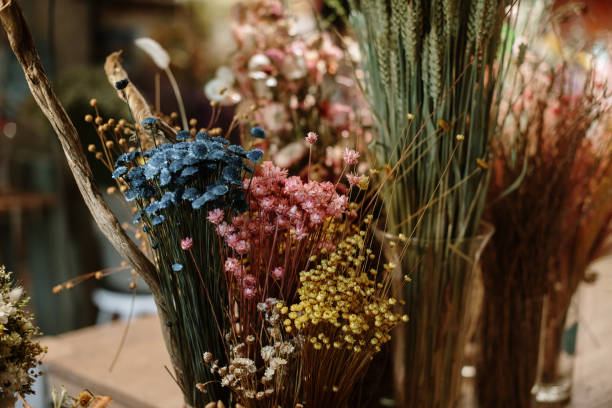
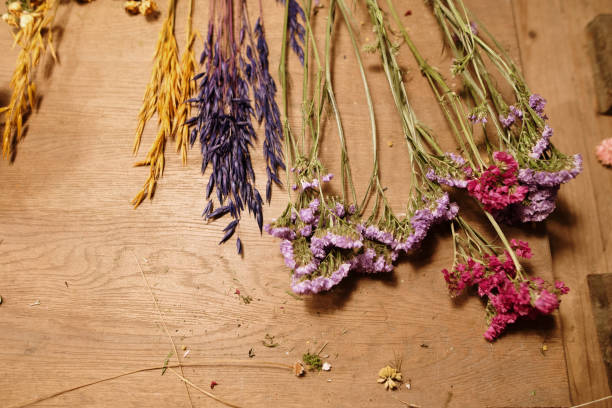
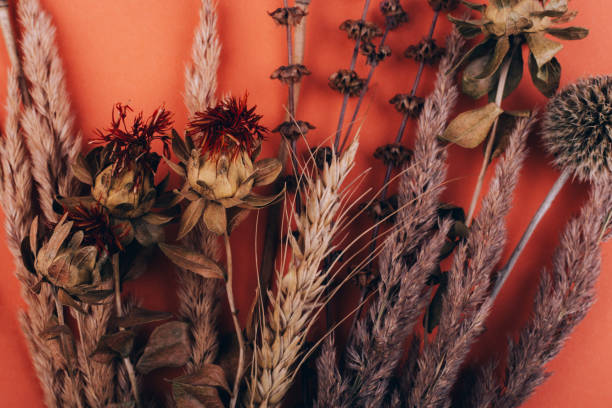
A top-tier dried flower should retain its vibrant color, natural shape, and pleasant fragrance. It shouldn’t crumble at the slightest touch, and it should be free from mold, pests, or chemical residues. That’s the baseline.
Now, verifying that quality? That’s where things get interesting.
In Vietnam, regional differences impact quality quite a bit. For instance, Da Lat’s cooler climate helps preserve flower integrity during drying, whereas other provinces may produce more heat-tolerant varieties. The point is—knowing the source matters.
Many B2B buyers on Freshdi, a rising platform for global sourcing, include RFQs (Request for Quotations) that specify strict quality benchmarks like ISO certifications, organic labeling, or even Fair Trade compliance. These certifications help buyers weed out the fluff (pun intended) and focus on suppliers who meet international standards.
So, whether you’re buying for home décor, herbal wellness, or artisanal crafts, ensuring certification and origin-traceability is key.
Top 3 Verified Dried Flowers Suppliers in Vietnam – Leaders in Quality
Let’s cut to the chase. You want to know who’s leading the pack in Vietnam’s dried flower market for 2025?
Based on export success, verified quality, and consistent feedback from buyers on Freshdi, here are the Top 3 Dried Flowers Suppliers in Vietnam in Year 2025:
- CÔNG TY TNHH DỊCH VỤ KHU CÔNG NGHIỆP TÂN THÀNH LONG
- Known for large-scale production and consistent export batches.
- Offers a wide variety of dried flowers with documentation for international shipment.
-
Highly rated by Freshdi users for quality and timely delivery.
- Specializes in logistics and flower preservation during transit.
- Perfect for buyers looking for end-to-end supply chain support.
-
Offers real-time tracking, which is a major plus for overseas clients.
- Focuses on premium-grade dried flowers for the wellness and aromatherapy markets.
- Recognized for sustainable farming practices and organic cultivation.
- Responsive to custom RFQs via Freshdi, making them ideal for niche requests.
Dynamic Ranking Note: Keep in mind that supplier performance can shift based on seasonal output, customer feedback, and export trends. Platforms like Freshdi provide “Suppliers of the Month/Quarter” rankings, so it’s worth checking regularly for the most up-to-date leaders.
Looking to Source Dried Flowers?
Connect with verified suppliers, discover matching products, and explore sourcing opportunities from global markets.
Market Navigation – Navigating Market Trends for Premium Dried Flowers
Trends in the dried flower market are evolving fast.
Consumers today are leaning into eco-conscious choices and natural aesthetics, which is driving demand for flowers that are not only beautiful but also ethically and sustainably sourced. That’s where Vietnam shines.
Buyers are increasingly asking for:
– Organically grown flowers (no pesticides, no chemical dyes).
– Traceable origins and transparent supply chains.
– Specialty varieties like lavender, eucalyptus, and chrysanthemum.
Vietnamese suppliers are catching on. Many are adding value by turning flowers into herbal teas, potpourri, or scented décor—especially in provinces like Quang Ngai, where dried chrysanthemum tea is booming.
Platforms like Freshdi are making it easier than ever to spot these trends. Their RFQ trends and market insight tools help buyers understand what’s hot and what’s not, based on real-time data.
If you’re sourcing dried flowers in bulk, knowing what the market wants—and aligning with a supplier who meets that demand—can be a game-changer.
Conclusion – Strategic Sourcing for Quality
Let’s sum it up.
Vietnam has all the ingredients for top-tier dried flower production—ideal climate, agricultural know-how, innovative tech, and a growing global footprint. Whether you’re sourcing for resale, wellness products, or décor, the quality you get from Vietnam is hard to beat.
But remember, not all suppliers are created equal. Look for:
– Verified certifications.
– Proven export history.
– Clear RFQ responsiveness.
That’s where Freshdi becomes your sourcing powerhouse. It helps verify supplier claims, highlights quality-focused businesses, and connects you directly with the top players in Vietnam’s dried flower market.
Key Takeaways
- Vietnam’s climate and tradition make it a top choice for dried flower sourcing.
- Quality varies by region—know your source!
- Certifications and freshness are non-negotiable for premium exports.
- Top suppliers in 2025 include Tân Thành Long, YU Express, and Poseidon Supply.
- Freshdi is your go-to for smart, verified sourcing.
Buyer’s Checklist – Dried Flower Sourcing from Vietnam
Confirm flower origin (Da Lat, Quang Ngai, etc.)
Check for certifications (organic, ISO, etc.)
Request samples to test color, texture, and scent
Use Freshdi to compare RFQs and supplier reviews
Monitor Freshdi’s dynamic rankings for top suppliers
Future Outlook – What’s Next for Vietnam’s Dried Flower Industry?
Looking ahead, Vietnam’s dried flower scene is only going to get brighter.
Expect:
– More value-added products (think teas, oils, and décor kits).
– Greater emphasis on sustainability and zero-waste production.
– Increased use of AI tools and smart farming techniques to boost quality.
Platforms like Freshdi are expected to play an even greater role in connecting global buyers to trustworthy, innovative Vietnamese suppliers—making it easier to stay ahead of trends and source with confidence.
FAQs
1. Why are Da Lat flowers considered superior in Vietnam?
Da Lat’s temperate climate and rich soil make it ideal for growing vibrant, long-lasting flowers. These conditions help preserve the flower’s shape and color during drying.
2. What’s the best way to verify a supplier’s quality claims?
Use platforms like Freshdi to view certifications, customer reviews, and RFQ histories. You can also request samples and test batches.
3. Are Vietnamese dried flowers suitable for herbal teas?
Absolutely! Many local producers are now drying flowers like chrysanthemums for tea production, ensuring they meet food-grade standards.
4. How do I choose between different dried flower suppliers?
Look at their export history, certifications, product variety, and responsiveness to custom RFQs. Freshdi’s verified supplier lists can help you compare easily.
5. Can I buy small quantities for testing before placing bulk orders?
Yes, many suppliers on Freshdi offer sample testing or low-MOQ (Minimum Order Quantity) options, especially for new clients.
References
- heritagevietnamairlines.com
- english.vov.vn
- vietnamnews.vn
- vnanet.vn
- Freshdi.com — Verified supplier listings, RFQ tools, and sourcing insights.