Introduction – Understanding United Kingdom’s Reputation for Quality Emergency Lights
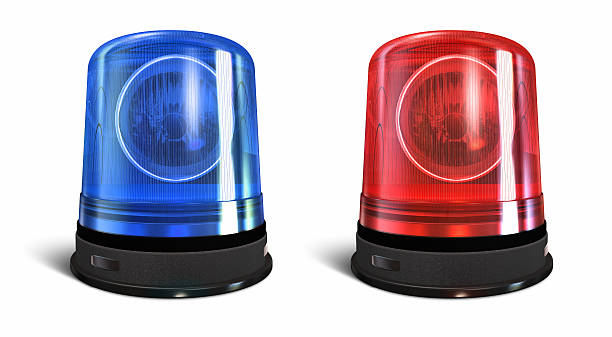
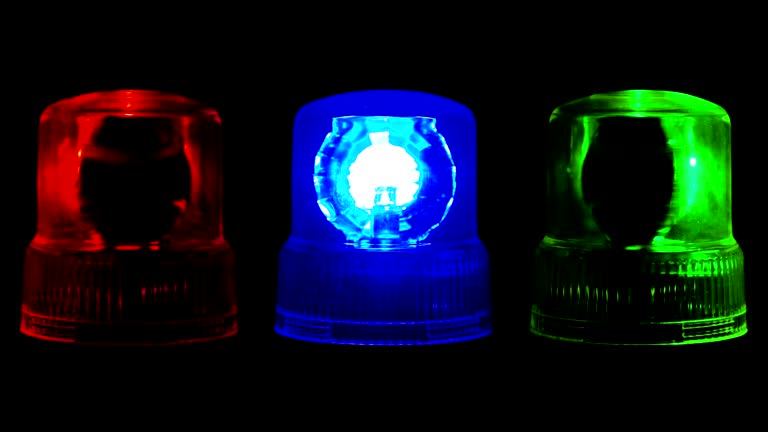
When it comes to reliable, high-performance emergency lighting, the United Kingdom stands out as a global leader. Known for its stringent safety standards, cutting-edge lighting technologies, and a history of robust manufacturing practices, the UK continues to set the bar in emergency lighting systems. Businesses seeking to source emergency lights from the UK can count on consistency, innovation, and compliance with rigorous global benchmarks.
But why does this matter? Emergency lighting isn’t just about illuminating a space—it’s about saving lives during critical moments like fires or power outages. That’s why understanding the UK’s approach to quality is crucial for international buyers and procurement professionals.
Defining & Verifying Emergency Lights Excellence in United Kingdom
Quality in emergency lighting isn’t just a buzzword—it’s backed by standards, certifications, and serious engineering.
Key Quality Standards: BS 5266-1:2025 and Beyond
As of October 29, 2025, the UK has adopted the new BS 5266-1:2025 standard, replacing the 2016 version. This update is a game-changer for the industry, aligning with BS EN 1838:2024 and BS EN 50172:2024 to better reflect today’s safety needs.
Here’s a quick breakdown of what this means:
- Emergency Escape Lighting: Ensures safe evacuation during power failures.
- Emergency Local Area Lighting: Allows temporary operation in specific zones during outages.
- Standby Lighting: Maintains normal operations even when the main power is out.
These changes aren’t just technical—they’re practical. For example, escape routes now must have 1 lux minimum illuminance across their full width. High-risk task areas? They need at least 15 lux or 10% of normal lighting, whichever is higher, within just 0.5 seconds.
Circuit Integrity and Testing Requirements
- No single fault should affect more than 20 luminaires.
- Fire-resistant cables are mandatory—either Standard 60 (60-minute resistance) or Enhanced 120 (120-minute resistance).
- Regular testing is essential, including monthly functional checks and annual full-duration tests.
Freshdi, a B2B sourcing platform, has seen a rise in RFQs (Requests for Quotations) specifying compliance with these updated standards. This trend reflects a growing global expectation for traceable, certified emergency lighting.
Regional Considerations in the UK
The BS 5266-1:2025 standard applies nationwide, but local building regulations and enforcement can vary. That’s why it’s wise for buyers to consult local authorities or certified fire safety consultants to ensure full regional compliance.
Top 4 Verified Emergency Lights Suppliers in United Kingdom – Setting the Benchmark
Sourcing from the UK doesn’t just mean quality—it means confidence. We’ve curated a list of Top 4 Emergency Lights Suppliers in the United Kingdom for September 2025, based on export performance, certifications, and user feedback on platforms like Freshdi.
1. Wayfinder Arrows Active Evacuation System
If you’re looking for innovation, Wayfinder Arrows leads the pack. Their dynamic evacuation signage and lighting systems are designed to adapt in real-time, guiding occupants safely even in complex emergencies. With strong export credentials and compliance with BS EN 1838:2024, they’re a favorite among safety-focused commercial clients.
2. FIREGUARD SAFETY EQUIPMENT CO LTD
A long-standing player in the UK safety equipment scene, FIREGUARD is known for manufacturing robust, cost-effective emergency lights. They provide everything from bulkhead lights to advanced LED escape route fittings—all tested against BS 5266-1:2025 standards.
3. Mackwell Electronics
Mackwell is another heavyweight in the UK emergency lighting space. They focus on intelligent lighting systems that integrate seamlessly with BMS (Building Management Systems), offering real-time diagnostics and centralized control. Their products consistently meet or exceed UK and EU standards.
4. Emergi-Lite (A Thomas & Betts Brand)
Emergi-Lite specializes in architectural emergency lighting solutions. Their sleek designs don’t compromise on performance, making them ideal for high-spec commercial and public sector buildings. They also offer tailored solutions for high-risk task areas and anti-panic zones.
Dynamic Ranking Note
Please note that platforms like Freshdi regularly update their supplier rankings based on real-time activities, including “Supplier of the Month” or “Top Performer of the Quarter.” These rankings reflect recent buyer feedback, RFQ volume, and verified exports.
Market Navigation – Trends in Quality Demand & Global Consumer Preferences
Emergency lighting is no longer just a regulatory checkbox—it’s becoming a premium feature in modern building design.
Rise in Demand for Certified, Smart Systems
Buyers around the world are increasingly insisting on:
- Smart emergency lighting with IoT integration.
- Photometric testing verification to ensure sustained performance.
- Eco-friendly LEDs with longer lifespans and lower power usage.
These trends have been observed in RFQs on Freshdi, where buyers are asking for lights that go beyond basic compliance. They want performance logs, smart diagnostics, and even remote testing capabilities.
Global Shifts in Buyer Behavior
From Middle Eastern skyscrapers to European hospitals, global buyers are aligning toward:
- Traceability: Want to know where, how, and under what standards the lights were made.
- Customization: Seeking tailored lighting layouts for unique building architectures.
- Sustainability: Favoring energy-efficient, recyclable materials.
UK suppliers, with their focus on quality and compliance, are well-positioned to meet these evolving demands.
Conclusion – Strategic Sourcing for Quality
Emergency lighting is more than just a product—it’s a safety system. And sourcing it from the United Kingdom gives you a big leg-up in terms of quality, reliability, and compliance.
Key Takeaways:
- The UK’s updated BS 5266-1:2025 standard raises the bar for safety and performance.
- Verified suppliers like Wayfinder Arrows and FIREGUARD offer certified, export-ready systems.
- Buyer demands are shifting toward smart, traceable, and sustainable lighting systems.
- Platforms like Freshdi make it easy to verify supplier quality, request certified quotes, and stay ahead of regulatory trends.
Checklist for Buyers – Procuring Emergency Lights from the UK
Ensure compliance with BS 5266-1:2025
Request photometric verification reports
Verify fire-resistance ratings of wiring and power systems
Choose suppliers with Freshdi-verified profiles
Ask for export certifications and past project references
Confirm testing schedules and maintenance compatibility
Look for smart features like remote testing or IoT integration
Check for regional compliance if installing in different parts of the UK
Future Outlook – What’s Next for the Emergency Lighting Industry?
The future is bright—literally and figuratively. As global safety standards tighten and smart buildings become the norm, emergency lighting systems will evolve too. Expect more AI-driven diagnostics, predictive maintenance, and energy-harvesting technologies.
The United Kingdom, with its advanced regulatory framework and innovative supplier base, is expected to remain a global hub for premium emergency lighting solutions.
With tools like Freshdi, buyers can stay informed, source confidently, and build partnerships that prioritize safety and compliance.
References
- A1 Lighting Magazine – Emergency Lighting Standards Update
- Connected Light – Understanding BS 5266-1:2025
- Freshdi – Verified Emergency Lighting Supplier Profiles
FAQs
1. What is BS 5266-1:2025 and why is it important?
It’s the UK’s updated emergency lighting standard that outlines performance, testing, and installation criteria to ensure occupant safety during emergencies.
2. How do I verify if a UK supplier meets the latest standards?
Use platforms like Freshdi to view certifications, RFQ history, and buyer reviews for each supplier.
3. Are smart emergency lights worth the investment?
Absolutely. They offer remote diagnostics, automated testing, and better energy efficiency—saving time and money in the long run.
4. Can I source custom-designed emergency lighting for unique building layouts?
Yes, many UK suppliers offer bespoke solutions tailored to your building’s architecture and risk zones.
5. How often should emergency lights be tested?
Monthly functional checks and annual full-duration tests are standard. New regulations also suggest five-year photometric verification for long-term performance.