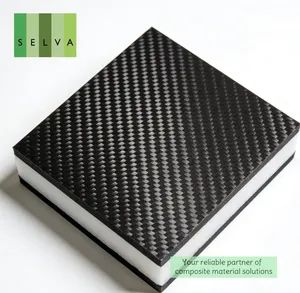
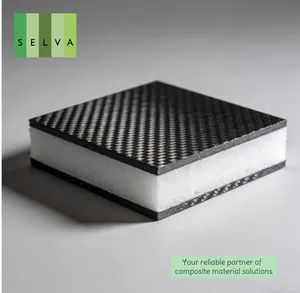
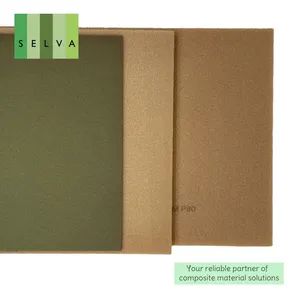
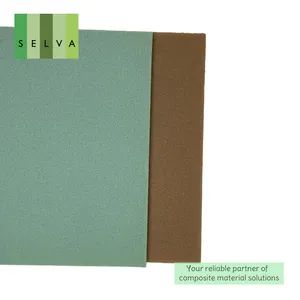
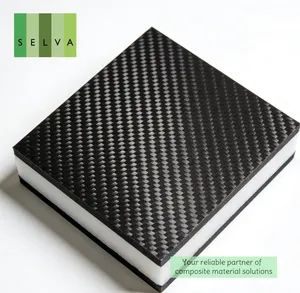
please contact us freely if need the technical data sheet of our product.
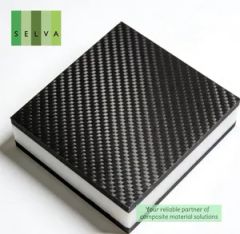
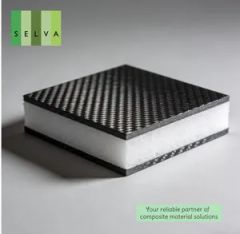
Sandwich panel has two types
1. current type: with core material information and skin material layer up information
2. custom made type: you know the properties for your application, then we need to design the structure according to your demand.
a. skin material: Carbon fiber fabric prepreg, Kevlar prepreg, Glass fiber prepreg, metal sheet,
b. core material: nomex honeycomb, pvc foam,pet foam, pmi foam, pp honeycomb, aluminium honeycomb
c. glue layer: epoxy glue film or other types
d. resin system: epoxy,phelonic
e. fasten part: need add screw or hardware or not
f: filling: need filling cell or other filler
A sandwich-style composite consists of multiple layers arranged in a "skin-core-skin" layout. The top and bottom thin, robust layers handle tension and compression stresses, whereas the central, light-weight core resists shear and stabilizes the outer layers. This construction delivers a blend of low weight, superior strength, and rigidity, enabling broad use in aerospace, rail systems, marine construction, and energy-efficient buildings.
I. Types and Selection of Surface Coatings
The outer layer acts as the primary structural component of the sandwich design, influencing key properties like strength, resistance to rust, and durability. Material choice depends entirely on the specific use case.
Skin material type
Glass fiber composite materials, characterized by low cost, excellent corrosion resistance, superior insulation properties, and moderate strength. building exterior walls, civil ships, refrigerated compartments Building insulation and decorative integrated panels, fishing boat hull
Basalt fiber reinforced composite, offering superior tensile strength, high stiffness, thermal stability exceeding 600°C, resistance to both acidic and alkaline environments, and economical value, ideal for use in fire-safe construction elements, anti-corrosion fluid conveyance systems, and railway vehicles. Fireproof Curtain Panel and Anti-corrosion Coating for Oil Pipelines
Carbon fiber composites exhibit extremely high specific strength and specific modulus, excellent fatigue resistance, and significant lightweighting effects. aerospace, high-end sports equipment, new energy vehicles Aircraft wing skin, carbon fiber bicycle frame
Aramid fiber composites display outstanding durability, strong resistance to impacts, and effective protection against cuts. These materials find application in armor gear, high-speed rail vehicles, shielded protective enclosures, and the outer surfaces of maglev trains.
Metallic sheet (aluminum, stainless steel), with excellent thermal conductivity, high gas tightness, and strong weather resistance aeroengine nacelle, ship deck, cold chain container Helicopter cabin floor, LNG carrier insulation skin
II. Types and Selection of Core Materials
The core serves as the primary structural support, holding the two skin layers apart to boost rigidity and minimize mass via a light-weight construction. The chosen material needs to be low in density, exhibit strong resistance to shear forces, and bond effectively with the skin layers.
(1) Foam sandwich
Polyurethane foam (PU): Inexpensive, highly effective at retaining heat, and straightforward to manufacture; however, it lacks thermal stability (safe for prolonged exposure below 80°C). Ideal for use in wall insulation and cold storage vehicle interiors.
Polystyrene foam (EPS/XPS): Very light, resists water absorption, and provides outstanding heat resistance at a low price; yet, it lacks durability and catches fire easily. Best used in residential exterior wall insulation and basic packaging applications.
Polyimide foam (PI): Tolerates extreme heat (operating range up to 200–300°C), resists fire effectively, and offers outstanding noise dampening; however, it comes with a premium price tag. Ideal for use in aircraft cabin linings and thermal shielding for high-temperature machinery.
PMI foam boasts superior stiffness, minimal moisture uptake, and outstanding resistance to shape change, enabling it to endure high-pressure fabrication. It is widely selected as the core material in advanced aerospace designs, commonly used in drone wing assemblies and satellite frame systems.
(2) Honeycomb sandwich
Aluminum honeycomb: known for robust strength, superior rigidity, strong heat transfer capabilities, and exceptional lightness; however, it lacks resistance to corrosion (necessitating protective coatings). Ideal for use in aerospace structures, high-speed train flooring, and ship hulls.
Nomex honeycomb (aromatic paper honeycomb): Resists fire, offers superior thermal insulation, and withstands physical stress, boasting strong resistance to corrosion, despite its higher cost. Ideal for aircraft cabin components, radar enclosures, and luxury yacht partitions.
Paper honeycomb: very affordable and environmentally friendly; yet, it offers weak structural support and absorbs water easily. Best used in everyday packaging and short-term construction dividers.
(3) Light Core Materials
Rock wool with a fixed structure: withstands high heat, resists fire, and offers noise reduction; yet, it exhibits moderate density and notable moisture uptake. Ideal for use in fire-rated door assemblies, structural fire barriers, and thermal insulation in industrial furnaces.
Wood core / Lightweight wood core (Balsa): Naturally light, decent strength, and straightforward to shape; however, it lacks durability in harsh conditions and is prone to pests. Ideal for sailboat bodies, surfboards, and ornamental sheets.
III. Sandwich Structure Material Combination Scheme in Typical Fields
1. The field of building fireproofing and anti-corrosion
Moupi: Basalt Fiber Composite Material (Fireproof, Acid and Alkali Resistant)
Core: Hard rock wool core (flame-retardant, soundproof)
Application: Fireproof roller shutter, steel structure anti-corrosion and thermal insulation cladding plate
2. Aerospace Field
Skin: Carbon Fiber Composite (High Strength and Lightweight)
Core: PMI foam / aramid honeycomb (high stiffness, low water absorption)
Applications: drone wings, satellite mounts
3. The field of rail transportation
Coating: Glass Fiber / Basalt Fiber Composite (Low-cost, Weather-resistant)
Core: Aluminum honeycomb / Polyurethane foam (lightweight, thermal insulation)
Applications: Subway car wall panels, high-speed rail seat frames
4. Marine and Shipping Sector
Coating: Glass fiber reinforced plastic (GFRP) / Stainless steel sheet (resistant to seawater corrosion)
Core: Aluminum honeycomb / Polyimide foam (resistant to salt spray and moisture)
Application: Yacht hull, marine platform protective plate