Introduction – Understanding South Korea’s Reputation for Quality Rice
When it comes to high-quality rice, few countries command the same respect as South Korea. Nestled between mountains and surrounded by ocean, South Korea boasts an ideal environment for rice cultivation. Fertile volcanic soil, clean water, and a temperate climate all contribute to the production of some of the most aromatic, nutritious, and flavorful rice in the world.
But it’s not just nature doing the heavy lifting—Korean farmers and producers have elevated rice farming into a fine art. With centuries of expertise and cutting-edge agricultural technology, South Korea is a global leader in rice production. For businesses aiming to source premium rice, understanding the country’s quality standards and supplier landscape is essential.
Defining & Verifying Rice Excellence in South Korea
So, what exactly sets Korean rice apart? Let’s break it down.
Key Quality Markers of South Korean Rice
South Korean rice is prized for its:
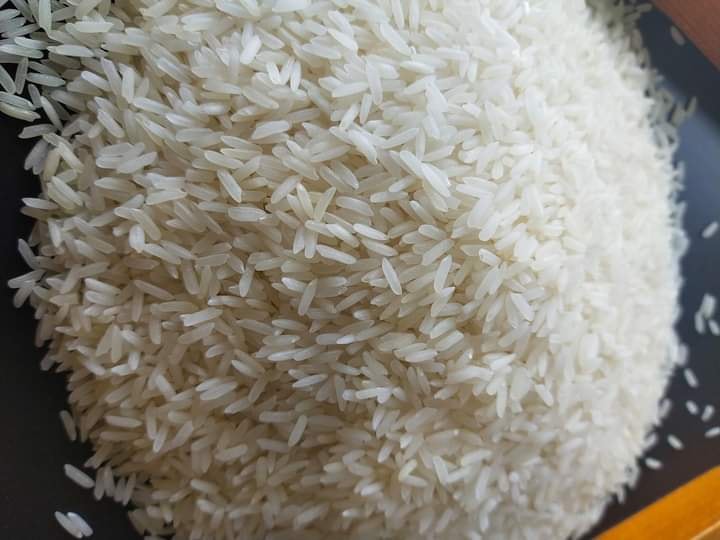
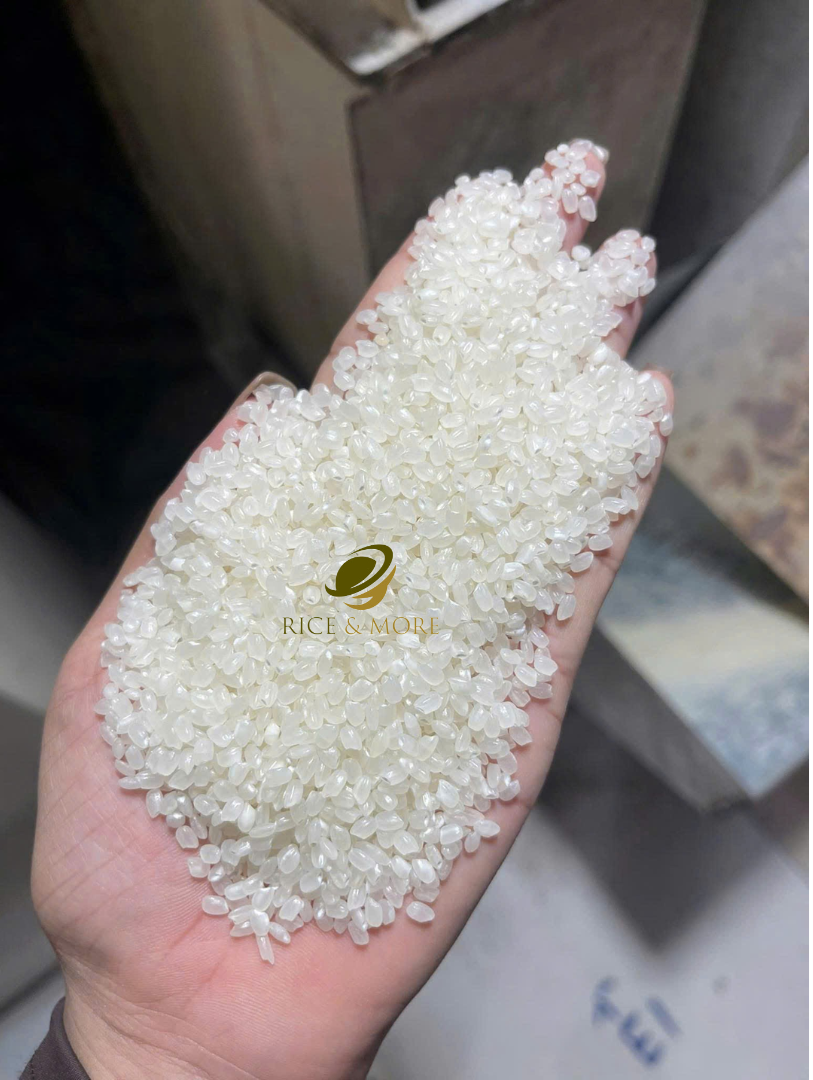
- Short grain texture – sticky, soft, and perfect for traditional Korean dishes.
- High starch content – leads to that signature chewiness.
- Fragrance and flavor – subtly sweet and nutty.
- Purity – often GMO-free and pesticide-checked.
Certifications That Matter
To ensure quality and safety, many Korean rice suppliers hold certifications such as:
- HACCP (Hazard Analysis Critical Control Point) – food safety standard.
- ISO 22000 – international food safety management.
- Organic Certification – for eco-conscious buyers.
- GAP (Good Agricultural Practices) – ensures sustainable, safe farming.
On platforms like Freshdi, buyers can filter suppliers based on these certifications. You can also submit RFQs (Request for Quotation) with specific requirements like pesticide-free, organic, or non-GMO rice.
Regional Variations
Different parts of South Korea produce different rice varieties:
- Jeolla Province – known for sticky rice with a rich taste.
- Gangwon Province – produces aromatic, soft rice grown in mineral-rich soils.
- Gyeonggi Province – home to large-scale production and innovation.
Understanding these regional differences helps you choose the right rice for your market needs.
Top 6 Verified Rice Suppliers in South Korea – Leaders in Quality
When it comes to reliable sourcing, supplier reputation is everything. Below are six of the most trusted and verified rice suppliers in South Korea, recognized for their export capabilities, certifications, customer satisfaction, and product innovation.
1. FoodFaFa F&B
- Specialty: Healthy rice cakes and premium rice gift sets.
- Why Choose Them: Combines traditional Korean rice crafting with modern packaging. Ideal for gourmet and gift markets.
- Certifications: HACCP-compliant, packaging innovation awards.
2. KOTRA
- Specialty: Brown rice snacks and grains.
- Why Choose Them: Government-affiliated and highly credible. Offers access to a wide network of Korean agri-exporters.
- Certifications: ISO 22000, Organic and Halal options available.
3. H9 International
- Specialty: Rice pop machines and instant rice technologies.
- Why Choose Them: Ideal for businesses looking to innovate in rice-based snacks or convenience foods.
- Certifications: Export-ready, machinery safety standards certified.
4. ACHIM KOREA
- Specialty: Premium Korean white rice and ready-to-cook meal kits.
- Why Choose Them: Focuses on high-end, traceable rice with customizable OEM packaging.
- Certifications: GAP, HACCP, ISO-compliant.
5. Mowall Cooperative
- Specialty: Rice-based alcoholic beverages, including sake and soju.
- Why Choose Them: Great for diversifying rice applications beyond food.
- Certifications: HACCP, fermentation process certified.
6. REAL TRADE INC.
- Specialty: Organic rice snacks.
- Why Choose Them: Targets health-conscious consumers and retail-ready packaging.
- Certifications: USDA Organic, Non-GMO, HACCP.
Dynamic Ranking Note
Keep in mind that platforms like Freshdi offer dynamic supplier rankings, such as “Suppliers of the Month” or “Top Exporters of the Quarter,” based on real-time buyer feedback, RFQ responses, and export volumes. This makes it easier for you to spot rising stars or consistently high performers.
Looking to Source Rice?
Connect with verified suppliers, discover matching products, and explore sourcing opportunities from global markets.
Market Navigation – Quality Demand Dynamics & Consumer Insights
The global rice market is shifting fast—and South Korea is right at the center of this evolution.
Rising Demand for Premium Rice
More consumers want traceability, organic labels, and ethical production. Whether it’s a boutique grocer in California or a Michelin-starred chef in Tokyo, the demand for high-quality, story-rich rice is booming.
South Korea’s rice, backed by centuries-old farming traditions and modern certifications, fits perfectly into this narrative. And with more consumers turning toward low-GI, gluten-free, and non-GMO options, Korean suppliers are stepping up their game.
Global Consumer Shifts
- Health-conscious trends are fueling demand for brown rice, black rice, and sprouted rice.
- Convenience-focused formats like instant rice pouches and rice cakes are gaining popularity—especially in urban markets.
- Sustainability concerns are pushing brands to source rice from traceable, eco-friendly farms.
Platforms like Freshdi help buyers stay on top of these trends by offering data on RFQ trends, seasonality, and buyer reviews. You can even track which rice types are trending in different global regions.
Conclusion – Final Thoughts on Quality Sourcing
South Korea is more than just a source of rice—it’s a benchmark for rice excellence. With its rich farming legacy, innovative processing methods, and strict quality standards, it’s no surprise that Korean rice is in high demand.
For businesses looking to source rice in 2025 and beyond, South Korea offers:
- Proven quality across multiple rice variants.
- Suppliers with strong export capabilities and verified certifications.
- Varieties that align with modern consumer preferences.
Before you place your next order, consider leveraging platforms like Freshdi. Whether you’re looking for certified organic rice, private-label OEM options, or the next big rice snack trend, Freshdi connects you with verified suppliers who prioritize quality and transparency.
Key Takeaways
- South Korea is a leading source for premium, short-grain rice known for flavor and purity.
- Certifications like HACCP, GAP, and Organic ensure top-tier safety and quality.
- Verified suppliers such as FoodFaFa F&B and ACHIM KOREA are ideal for global buyers.
- Platforms like Freshdi simplify the sourcing process through supplier verification, RFQ support, and dynamic trend insights.
Buyer’s Checklist for Sourcing Rice from South Korea
- Define your rice specification: white, brown, black, organic, etc.
- Verify supplier credentials on Freshdi.
- Check for certifications: HACCP, Organic, GAP, ISO.
- Request samples before large orders.
- Monitor seasonal RFQ trends for pricing and availability.
- Leverage OEM and private label options.
- Communicate packaging and shipping preferences early.
- Track supplier rankings and reviews on Freshdi.
Future Outlook
As the global food market pivots towards clean-label, traceable, and health-forward products, South Korea’s rice industry is poised to shine even brighter. Expect more innovation in packaging, increased organic certifications, and expansion into plant-based and functional food sectors.
With platforms like Freshdi leading the way in supplier transparency and buyer empowerment, the future of rice sourcing is efficient, informed, and scalable.
FAQs
1. What makes Korean rice different from other Asian rice varieties?
Korean rice is typically short-grain and has a sticky, chewy texture. It’s often more aromatic and slightly sweeter, making it a favorite for Korean cuisine and premium rice dishes.
2. Can I source organic Korean rice for my brand?
Absolutely. Many Korean suppliers offer USDA Organic and local Organic-certified rice. Look for verified vendors on Freshdi with organic certifications.
3. What is the best way to verify a supplier’s credibility?
Use platforms like Freshdi to check reviews, certifications, and export history. You can also request documentation and samples before placing a large order.
4. Are there private label (OEM) options available for rice products?
Yes, many suppliers such as ACHIM KOREA offer OEM services, especially for instant rice, rice snacks, and packaged products.
5. How do I stay updated with the best suppliers each quarter?
Follow Freshdi’s dynamic rankings and subscribe to their market reports. These include “Supplier of the Month” badges and trend-based recommendations that help you stay ahead.