
A practical comparison for seafood exporters, suppliers, importers, wholesale buyers, processors, and SMEs looking for cross-border sourcing opportunities.
Choosing a B2B platform is not just about audience size. For seafood trade, buyers and suppliers should compare product fit, the relevance of buying requests, sourcing workflows, market information, and the effort required to verify counterparties.
Key Takeaways
- Freshdi is relevant for users who want to explore seafood buying requests, product discovery, AI-powered matching, and market insights in one B2B environment.
- Alibaba.com is a broad, cross-industry marketplace with product listings and RFQ-based sourcing workflows.
- Tridge focuses on agri-food sourcing and market intelligence, making it relevant for businesses that need food-market context alongside supplier discovery.
- go4WorldBusiness offers searchable buying leads, including seafood-related opportunities, with access and response workflows that users should review carefully.
- No platform guarantees a sale. Compare the fit of actual opportunities, buyer requirements, costs, and verification needs before investing.
Platform Comparison at a Glance
| Platform | Main strength | Useful for | What to check |
|---|---|---|---|
| Freshdi | Seafood buying-request discovery, product discovery, AI-powered matching, and market insights. | Suppliers looking for relevant requests; buyers exploring food and seafood suppliers. | Current request details, account eligibility, buyer-contact access, and matching terms. |
| Alibaba.com | Broad international product discovery and RFQ workflows. | Businesses sourcing across many categories and suppliers seeking wide exposure. | Competition, response quality, seller verification, and terms of eligible services. |
| Tridge | Agri-food sourcing resources and market intelligence. | Food and agricultural businesses that value sourcing context and market information. | Service scope, availability in the target market, and applicable fees or access conditions. |
| go4WorldBusiness | Searchable buying leads and trade inquiries, including seafood. | Exporters seeking buyer leads they can screen against their product specifications. | Lead freshness, detail quality, contact access, membership terms, and buyer credibility. |
This is a qualitative comparison of platform positioning and workflows, not an independently audited performance test or a guarantee of lead quality. Platform features and access conditions may change; check current platform information before making a commercial decision.
Why Seafood Businesses Use B2B Platforms
Asia is central to global seafood production, processing, consumption, and trade. For seafood exporters and importers, digital B2B platforms can help make potential counterparties easier to discover. However, the right platform depends on what a business sells or buys, which markets it serves, and how it qualifies trade opportunities.
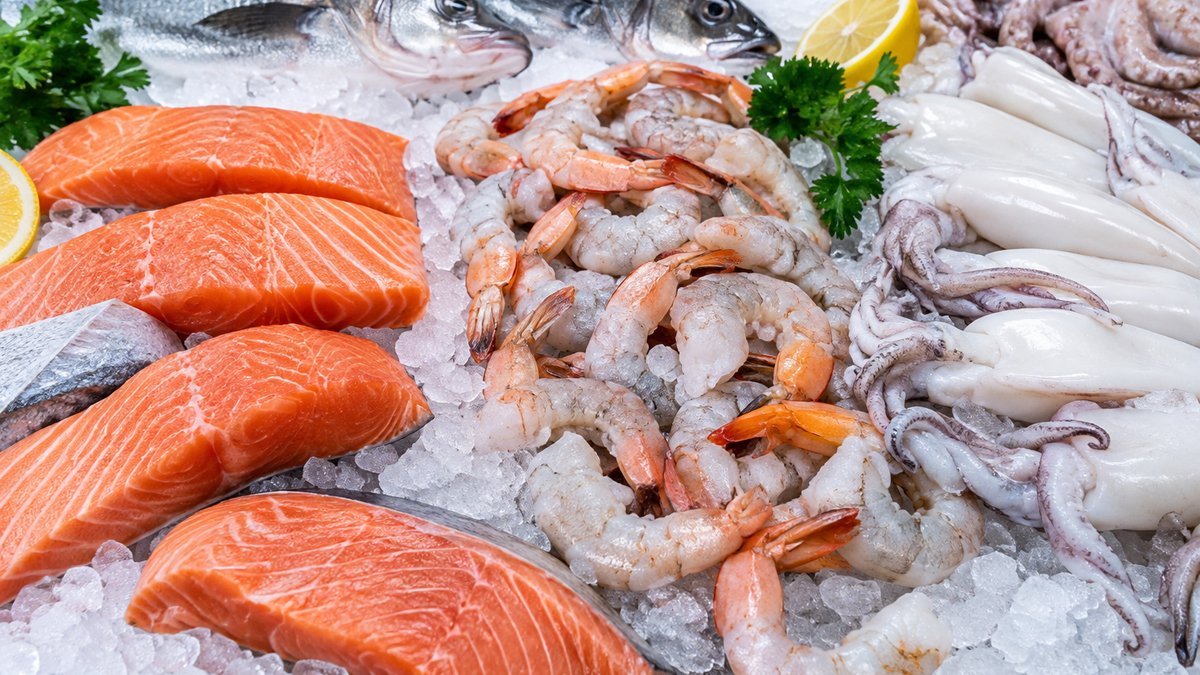
Seafood trade often involves detailed specifications: species, product form, processing method, frozen or chilled condition, size or count, glazing, packaging, certifications, available volume, delivery schedule, destination requirements, and trade terms. A broad inquiry such as "looking for shrimp" may not provide enough information to determine whether a request is commercially suitable.
B2B platforms can help businesses identify potential suppliers or buyers, publish or review requirements, and start conversations. They do not replace due diligence. Buyers should verify supplier credentials, product specifications, food-safety documentation, and export eligibility; suppliers should assess buyer identity, purchasing authority, payment terms, and destination-market requirements.
1. Freshdi: Seafood Buying Requests, Product Discovery, and Market Insights
Freshdi is a global B2B platform that helps businesses discover products and connect around cross-border trade opportunities. For seafood businesses, its Seafood & Aquatic Products category provides a starting point for exploring the category, while its buying-request and market-insight resources can help users investigate demand and prepare more focused outreach.
Explore more on Freshdi.
Why it may fit seafood businesses
- Buying-request discovery can help suppliers look for published requirements rather than relying only on passive product listings.
- Product discovery gives buyers and suppliers another way to explore seafood-related offerings.
- AI-powered matching and Account Manager support are part of Freshdi's positioning for connecting suppliers with relevant buyers, subject to applicable eligibility and service conditions.
- Market insights can provide additional context when researching a product category or target market.
What to check before using it: Review each buying request individually. Confirm the product form, specification, quantity, destination, requested certifications, packaging, delivery schedule, payment arrangement, and trade term. Access to some buyer details or matching services may depend on account level, verification, membership, or other eligibility conditions. Check the current terms directly rather than assuming all information is available to every account.
Best suited for: seafood suppliers looking for relevant buying requests and businesses that want product discovery alongside market information and matching support.
2. Alibaba.com: Broad Product Discovery and RFQ Workflows
Alibaba.com is a large cross-industry B2B marketplace where buyers can browse product listings, compare suppliers, and use request-for-quotation (RFQ) workflows. Its broad category coverage makes it an option for seafood businesses that want to reach buyers or suppliers while also using the platform for other product categories.
Potential advantages
- A broad international marketplace with multiple product categories.
- Product listings and RFQ workflows can support different approaches to supplier discovery and buyer outreach.
- Eligible transactions may have access to services such as Trade Assurance, subject to the platform's current terms and transaction conditions.
Limitations to consider
- Popular categories can be competitive, so visibility and qualified responses may require sustained effort.
- A large volume of listings can mean more filtering to identify seafood offers that match exact specifications.
- Buyers and suppliers still need to verify counterparties and agree on clear commercial and quality requirements.
Best suited for: businesses seeking broad cross-category exposure and a marketplace with product listings and RFQ-based sourcing.
3. Tridge: Agri-Food Sourcing and Market Intelligence
Tridge focuses on agricultural and food supply chains, with sourcing resources and market intelligence that can be relevant to seafood and other food categories. Businesses that need market context as part of their sourcing research may find this positioning useful.
Potential advantages
- A food- and agriculture-focused orientation rather than a general marketplace spanning every industry.
- Market intelligence can help businesses frame sourcing decisions and understand broader trade context.
- Supplier discovery may be useful for companies evaluating partners across food supply chains.
Limitations to consider
- The exact sourcing services, data access, and support available can depend on the service and market.
- Businesses should confirm whether the platform's current offering matches their specific seafood product, origin, destination, and transaction needs.
- Market information is a decision-support input, not a substitute for confirming live availability, quotations, or supplier documentation.
Best suited for: food and agricultural businesses that want to consider sourcing resources and market intelligence together.
4. go4WorldBusiness: Searchable Seafood Buying Leads
go4WorldBusiness publishes buying leads across product categories, including seafood. Suppliers can search for relevant inquiries and assess whether the stated requirements fit their products and export capabilities.
Potential advantages
- A buying-lead-focused workflow can be useful for exporters actively searching for stated purchasing requirements.
- Seafood-specific lead pages make it possible to start filtering inquiries by product category.
- Suppliers can compare lead details with their own available products, certifications, and commercial terms.
Limitations to consider
- Lead quality and usefulness depend on how recent, specific, and complete each inquiry is.
- Contact access or response capabilities may depend on membership or account conditions.
- A published or screened lead is not a guarantee that the buyer is ready, qualified, or able to complete a transaction.
Best suited for: exporters who want to search seafood buying leads and screen each inquiry against product and commercial requirements.
How to Choose the Right Platform for Your Seafood Business
1. Define the exact product. Specify species, product form, fresh or frozen condition, processing method, grade or size, packaging, certifications, and available quantity. These details help eliminate mismatched inquiries.
2. Set the target market. Identify destination countries that align with your export capability and compliance requirements. Import rules, approved establishments, labeling, and documentation can vary by market.
3. Compare the opportunity workflow. Decide whether you need product listings, published buying requests, RFQs, searchable leads, market intelligence, or a combination. The most useful workflow depends on your sales process.
4. Review access and cost. Before purchasing a plan, confirm which buyer details, leads, matching services, promotion tools, and support are included. Compare equivalent services rather than headline prices alone.
5. Verify the counterparty. Check business registration, website, purchasing authority, certifications, product documentation, and payment arrangements. For substantial orders, use appropriate contracts and independent checks.
6. Measure commercial outcomes. Track qualified opportunities, responses, quotations, sample requests, negotiations, orders, and total acquisition cost. Listing views or the number of leads alone do not show whether a platform is working for your business.
Seafood Trade Context: Why Product and Market Details Matter
Seafood demand and trade flows differ by species, product form, and destination. As one specific example, not a measure of the entire seafood market, FAO GLOBEFISH reported that Asia-Pacific imported approximately 705,000 tonnes of fresh, frozen, and fresh-fillet salmon in 2025, representing 22.7% of global trade and an 11.7% year-on-year increase. This salmon-specific data illustrates why buyers and suppliers should evaluate market information at the product level rather than treating all seafood as one uniform category.
Source: FAO GLOBEFISH, "Asian demand and tariffs redirect salmon trade flows."
For a supplier, a relevant opportunity is one whose species, form, quantity, destination, certification requirements, and delivery terms match what the business can actually provide. For a buyer, the same principle applies in reverse: define the specification clearly and verify that the supplier can document compliance.
Final Recommendation
There is no single B2B seafood platform that is automatically best for every company. Freshdi is worth evaluating when the priority is to explore seafood buying requests, product discovery, AI-powered matching, and market insights. Alibaba.com is a broad option for product discovery and RFQ workflows. Tridge is relevant to businesses that value agri-food sourcing context and market intelligence. go4WorldBusiness provides searchable buying leads, including seafood inquiries.
Before committing budget, test the available features, review current access conditions, and compare a sample of opportunities against your actual product and target-market requirements. Choose based on relevance, verifiability, workflow, and measurable commercial outcomes, not on platform size alone.
Explore seafood opportunities on Freshdi.
Frequently Asked Questions
What is the best B2B seafood platform in Asia?
It depends on your product, target market, and preferred sourcing workflow. Freshdi can be evaluated for seafood buying requests, product discovery, matching, and market insights; Alibaba.com offers broad product discovery and RFQs; Tridge focuses on agri-food sourcing and market intelligence; and go4WorldBusiness provides searchable buying leads. Compare current features and actual opportunities before choosing.
Can Freshdi help seafood suppliers find buyers?
Freshdi provides product discovery and buying-request resources intended to help businesses explore trade opportunities. Suppliers should review each request carefully and confirm product specifications, destination, quantity, certifications, trade terms, and buyer details. Access to some information or services may depend on account eligibility and current platform terms.
Is Alibaba.com suitable for seafood exporters?
Alibaba.com may suit exporters looking for broad international exposure, product listings, and RFQ workflows. Seafood exporters should still assess competition, inquiry relevance, buyer credibility, and the requirements of each destination market.
How is Tridge different from a general B2B marketplace?
Tridge is oriented toward agricultural and food supply chains and offers sourcing resources and market intelligence. Its fit depends on the specific service needed, target market, and access conditions. Confirm the current offering directly before relying on it for a particular sourcing task.
Are seafood buying leads on B2B platforms verified?
Verification and screening practices differ by platform and do not guarantee a safe or successful transaction. Independently check company identity, purchasing authority, product requirements, payment terms, and relevant import or export documentation. Use appropriate contracts and secure payment procedures.
Can I find seafood buyers without paying for a membership?
Some platforms allow users to browse selected information or create a basic presence for free, while buyer-contact access, lead responses, promotion, or matching may have restrictions. Check each platform's current terms and test the available free features before upgrading.