
Introduction
Rice importers and exporters working across the Middle East and Africa can use global marketplaces, regional trade platforms, or both. Their published features differ: some let buyers post sourcing requests, while others focus on product listings, supplier discovery, or trade services.
There is no single platform that is best for every rice transaction. This comparison uses publicly described product coverage, sourcing workflows, and stated regional focus. Treat those features as a starting point for screening, then check whether a platform has current rice offers or requests for your origin, destination, grade, and shipment size.
Key Takeaways
- USDA’s November 2026 outlook estimates Middle East rice imports at 8.345 million metric tons for the 2026/27 trade year, up from 7.985 million in 2025/26. The forecast describes a regional market, not demand on any particular platform.
- African Trade Platform publicly displays a rice listing and describes bulk trade across Africa and other markets. Confirm the listing’s current availability, specification, and seller details before treating it as an offer.
- Freshdi, Alibaba, and TradeKey describe broader marketplace or request-based sourcing workflows. Their platform features do not establish that a suitable rice counterparty is currently available in a specific country.
- Compare platforms by live rice activity, origin and destination coverage, request detail, access costs, and the screening work each transaction requires.
1. Rice import forecasts show why regional fit matters
USDA’s November 2026 Grain: World Markets and Trade estimates Middle East rice imports at 8.345 million metric tons for the 2026/27 trade year. Its comparable 2025/26 estimate is 7.985 million metric tons. The figures indicate a higher regional import forecast, but they do not identify individual importing countries, buyer specifications, or demand on a particular platform.
Use that forecast as market context, not as a sales lead. USDA reports trade-year estimates, while a buyer needs a current destination, product type, quantity, delivery basis, and purchasing schedule. A platform’s own listings or buying requests can help surface that detail, but each entry still needs direct verification.
The regional label also covers different sourcing situations. A buyer importing into a Middle Eastern market may be comparing origins, shipment terms, and local import requirements. An African buyer may be seeking regional supply, overseas supply, or both. A platform that emphasizes African trade may fit the second search more directly, while a global marketplace can widen origin discovery. Check the actual country and product coverage instead of assuming that “MEA” means one connected marketplace.
This review was checked on November 14, 2026, against publicly accessible platform pages. Features described by a platform are not independent measures of rice inventory, transaction quality, or buyer activity. No ranking is presented because public feature descriptions do not establish which channel produces the most suitable counterparties.
2. Compare platforms by rice workflow and regional reach
The platforms below serve different discovery tasks. The comparison reflects features each platform describes publicly, rather than a measured performance score.

2.1 Freshdi for product discovery and buyer requests
Freshdi describes itself as a B2B marketplace where businesses can discover products and suppliers and publish buying requests. Its recent public guide says buyers can use supplier and product discovery or post a request with purchasing details, while suppliers can present products and review buying opportunities. The platform’s rice category links provide a direct place to check for current rice buying requests and rice suppliers. Availability and relevance depend on what is live when a user searches.
For a buyer, start by matching the listing to the required rice type, grade, origin, and destination. For an exporter, compare each request with actual production and shipping capability before quoting. Review the current membership and access terms on the platform before relying on a particular contact or matching feature.
2.2 African Trade Platform for African bulk trade
African Trade Platform describes a marketplace for bulk products, with buyers, suppliers, and listings from Africa and other markets. Its public page displays a rice listing from Mozambique and describes buyer listings as well as supplier product listings. That is evidence of a rice listing appearing on the site when checked, not proof that the same lot remains available or that a seller can meet a new order.
A trader considering this channel should ask whether the listing is still active and request current product specifications, available quantity, crop or packing details where relevant, shipment location, and commercial terms. The platform’s stated emphasis on African bulk trade makes it worth checking for regional offers; buyers targeting the Middle East should confirm whether the seller can serve the required destination.
2.3 Alibaba for global product search and quotation requests
Alibaba describes a sourcing workflow that includes product and seller searches, requests for quotation, seller profile checks, and Trade Assurance for eligible transactions. Its guidance says buyers can compare seller information and use verification indicators; those indicators describe steps taken to assess a business or supplier and do not replace checks on the rice lot, contract, or shipping arrangements.
For rice, write a request with the variety or type, grade, broken percentage if applicable, crop or packing requirements, quantity, destination, and delivery basis. Sellers should quote against the stated specification and identify exclusions. Before paying, review whether the specific order qualifies for Trade Assurance and what the order terms cover; the presence of a platform feature alone does not establish that every rice purchase is protected.
2.4 TradeKey for cross-border supplier and RFQ discovery
TradeKey’s public supplier page shows rice among its displayed product searches and provides an RFQ publishing option. That supports using the site to investigate product discovery and request workflows. It does not confirm how many current rice suppliers serve Middle Eastern or African destinations, so search results should be screened for recent activity and relevant origin.
Importers can use a request to state the required rice type, quantity, destination, delivery terms, and timing. Exporters should check whether the buyer’s request gives enough detail to quote on a comparable basis. Ask for clarification where the specification or shipment conditions would change the price.
2.5 TAWDO for African commodity discovery
TAWDO presents itself as an African marketplace for commodities, industrial inputs, machinery, and parts. Its public description mentions buyer quotation requests and supplier onboarding, alongside verification, quality-control inspection, logistics, and structured trade agreements. The page does not establish a current rice listing, so treat TAWDO as a channel to investigate for African commodity sourcing, then confirm rice coverage before building a sourcing plan around it.
Ask what the platform’s verification and inspection services cover in a specific transaction. For rice, clarify whether an inspection relates to documents, a warehouse lot, or a shipment, and whether the service is available for the origin and destination in question. Those details affect what assurance a buyer can reasonably take from the service.
3. Choose a platform using the shipment you need to arrange
Start with the shipment specification and the countries involved. A platform is relevant when its current listings or requests match the product, origin, destination, and quantity you can buy or supply. A large catalogue or a regional label alone does not establish that fit.
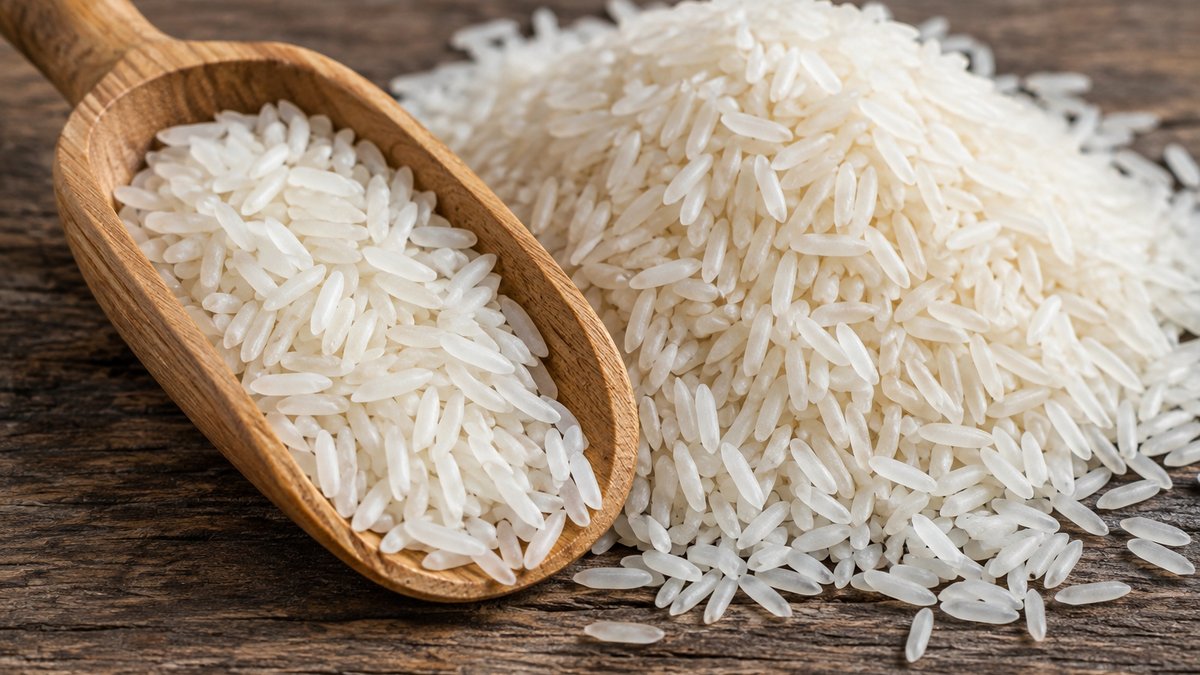
- Set the rice specification. State the rice type, grade, broken percentage where applicable, milling or processing requirements, packaging, and any required documents. Use terms that suppliers can interpret consistently.
- Define the commercial requirement. Include quantity and unit, shipment frequency if known, destination port or delivery location, preferred trade term, target shipment timing, and payment conditions you can consider.
- Search by country and product. Check whether the platform has current rice listings or buyer requests for the exact lane. Record when a listing was posted or updated if that information is visible.
- Compare equivalent quotations. Check that offers use the same specification, quantity, currency, delivery basis, and shipment period. Ask suppliers to separate product price from freight or other included services when the quote does not make the basis clear.
- Verify the counterparty and lot. Check company identity, export experience, product documents, and the basis for any verification or inspection claim. Request a sample or independent inspection when it is appropriate to the transaction.
- Review costs and access before committing. Compare free and paid access, fees, contact limits, and any service eligibility against the actual features you expect to use. Confirm terms on the platform’s current official pages.
Use more than one platform only when the extra channel adds a distinct search route. For example, a global marketplace may widen origin discovery while an Africa-focused platform may surface regional suppliers. Keep one specification sheet for every channel so that the resulting offers can be compared on the same basis.
After setting the rice specification and target markets, exporters can register on Freshdi to present their products and review the platform’s current sourcing options.
4. Screen rice offers before treating them as trade opportunities
A marketplace listing or buyer request begins a screening process; it does not confirm a sale, supply commitment, or completed transaction. Verify the identity of the other business and resolve gaps in the product and shipment details before negotiating a firm order.
4.1 For importers
Ask the supplier to identify the rice type and grade, quantity available, packing format, loading location, and quote validity. Check whether the offer describes the same delivery basis you requested. If the supplier cites a certificate or inspection, confirm the issuing party, scope, and whether the document applies to the lot being offered.
4.2 For exporters
Respond only to requests that match your actual product and export capability. State the specification you can supply, the quantity and packing available, the shipment point, and the terms used for the quotation. Identify any condition that could change the offer, such as a different grade, packaging requirement, or delivery arrangement.
For either side, keep the final specification and agreed commercial terms in the written contract. Check payment instructions through a known, independently verified business channel before transferring funds. Platform profiles and badges can inform screening, but they cannot confirm the quality of a specific rice shipment or replace contract and counterparty checks.
Buyers comparing current rice requests and suppliers can use Freshdi’s Grains listings as one discovery channel, then verify each opportunity against its own specification and commercial terms.
Frequently Asked Questions
Which B2B platform is best for rice sourcing in the Middle East and Africa?
There is no single best platform for every buyer or exporter. Compare current rice activity, country coverage, request detail, access costs, and screening tools. African Trade Platform displays a rice listing, while global platforms such as Freshdi, Alibaba, and TradeKey describe broader product or quotation workflows. Check current country-specific availability before choosing.
Does the USDA 2026/27 forecast prove that buyers are seeking rice online?
No. USDA’s November 2026 estimate of 8.345 million metric tons refers to Middle East imports for the 2026/27 trade year. It is a regional trade forecast, not a count of online buyers, platform requests, or confirmed purchase orders.
How should a buyer compare rice quotations from different platforms?
Compare quotations only after aligning rice type, grade, broken percentage where applicable, quantity and unit, currency, delivery basis, destination, and shipment timing. Ask suppliers to clarify any missing terms. A lower quoted number may cover a different product or delivery arrangement.
Can a verification badge guarantee rice quality or safe delivery?
No. A badge describes a platform’s stated verification process, not the quality of a particular lot or the outcome of a shipment. Review the supplier’s documents, confirm the contract specification, and consider independent inspection when appropriate.
Should exporters use a regional platform or a global marketplace?
Choose based on the countries and buyers you need to reach. A regional platform may help surface locally focused trade, while a global marketplace may widen product and origin discovery. Check active rice listings or requests on each platform and track whether they match your shipment capabilities.
References
1. Foreign Agricultural Service, U.S. Department of Agriculture – Grain: World Markets and Trade, November 2026.
2. Freshdi – What Is Freshdi? A Global B2B Marketplace for Buyers and Suppliers, November 5, 2026.
3. African Trade Platform – African Trade Platform, Accessed November 14, 2026.
4. Alibaba – How Sourcing on Alibaba Works, Accessed November 14, 2026.
5. TradeKey – TradeKey Supplier Platform, Accessed November 14, 2026.
6. TAWDO – Africa's B2B Marketplace for Commodities, Industrial Inputs, Machinery and Parts, Accessed November 14, 2026.
Disclaimer: This article is compiled from platform data, public sources and information provided by third parties, for general informational purposes only. We do not guarantee its accuracy or completeness. Mentions and rankings of suppliers do not constitute an endorsement or guarantee, and strategies and examples are illustrative; results may vary. Please conduct your own due diligence before making business decisions.