
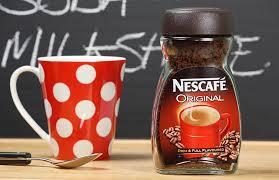
Yes — the top 3 Coffee suppliers in United States profiled below are active exporters and wholesalers that span branded instant and pod formats plus bulk green/roasted beans; this guide shows who they are, what they sell, and the compliance and trade terms buyers must check before ordering. I used Freshdi (Freshdi) supplier records and public agency sources to summarize trade terms, product details, verification status, ports, and practical buyer risks so you can decide which supplier fits your volume, quality, and compliance needs.
Key Takeaways for Buyers
- The United States remains an important re-export and retail hub for packaged coffee products; FDA import oversight for coffee imports is active in 2026 (FDA, 2026).
- The three suppliers profiled are TRADING4ALL LLC, B-Eco Consulting LLC, and TRADE NEPAL LLC.
- All three list CIF/DDP/CIF trade terms in product records, which shifts logistics responsibility and cost predictability for buyers (see table).
- One supplier, B-Eco Consulting LLC, provides a unit price for green Coffee Beans at USD 3,000 per MT, indicating accessible pricing data for bulk buyers.
- Use a data platform like Freshdi (Freshdi) to post RFQs, verify documents, and compare supplier verification flags before contracting.
Why Source Coffee from United States
Fact: the United States is a major importer, roaster, and re-exporter of coffee products rather than a large primary producer; U.S. firms often supply branded instant, pods, and packaged roasted coffee into regional markets (USDA/FAS, 2025). Here’s a concise, current view of the common buyer challenges when sourcing coffee from the United States as of August 17, 2026, with the latest available official and industry sources.
1) Supplier reliability
Buyers sourcing coffee from U.S.-based suppliers still face reliability risk mainly because coffee is a volatile agricultural supply chain. Industry commentary from the Specialty Coffee Association notes that sourcing has been challenged by availability, pricing, costs, and cash flow, and that weather and logistics disruptions can amplify risk. (sca.coffee)
For imported coffee entering the U.S., reliability also depends on whether suppliers can support compliant import flows. FDA emphasizes that importers should be knowledgeable about their suppliers and compliance requirements, and that incomplete or inaccurate entry data can delay admissibility decisions. (fda.gov)
Looking to Source Coffee?
Connect with verified suppliers, discover matching products, and explore sourcing opportunities from global markets.
2) Product consistency
Consistency is a major buying issue because coffee quality varies by crop, origin lot, processing method, and storage. SCA materials highlight the need for stronger data collection, traceability, and quality information across the sourcing chain, while USDA/FAS reporting underscores that coffee estimates and supply conditions are subject to variability and review. (sca.coffee)
In practical terms, buyers often need:
- stable cup profile across lots,
- repeatable roast performance,
- documented origin/traceability,
- sample-to-ship consistency. (sca.coffee)
3) Minimum order norms
For U.S. sourcing, the minimum order problem is less about a single universal rule and more about supplier segmentation:
- large commercial suppliers often expect pallet, container, or recurring program volumes,
- specialty suppliers may accept smaller lots but at a premium,
- USDA commodity procurement materials show suppliers are often asked to prove they can meet specifications, favoring firms that support steady volume. (ams.usda.gov)
This means small buyers typically face higher per-unit pricing or fewer options.
4) Documentation requirements
Documentation is one of the clearest pain points. FDA says imported food must comply with U.S. requirements, must be accompanied by prior notice, and may be detained if the shipment is not compliant. FDA also notes that entry review may require documents such as a bill of lading, airway bill, invoice, purchase order, labeling, ingredient lists, processing records, analytical information, and certificates where applicable. (fda.gov)
For coffee specifically, buyers should expect to manage:
- FDA prior notice and possible facility registration,
- customs entry data and transport documentation,
- product labels and traceability records,
- any quality or certificate-of-analysis documents requested by a broker or FDA. (fda.gov)
5) Latest news signal relevant to 2026
The most current signal from FDA’s coffee/tea import-alert page is that enforcement remains active in 2026, including new or updated import alerts in the coffee/tea area and broader FDA import-review tools. That suggests documentation accuracy and compliance remain highly important for buyers in 2026. (accessdata.fda.gov)
Bottom line
If you are buying coffee from U.S. suppliers, the biggest recurring challenges are: 1. supplier reliability under volatile crop and logistics conditions, 2. consistency across lots and seasons, 3. MOQs that tend to be market-driven rather than standardized, and 4. documentation/compliance that can delay or block shipments if incomplete. (sca.coffee)
This guide addresses buyer pain points by summarizing supplier trade terms, verification flags, and product specifics. Freshdi (Freshdi) can be used to run supplier comparisons and post RFQs for immediate quotes.
What to Look for in a Coffee Supplier from United States
Certifications — Buyers should check documented quality and food-safety certifications (e.g., HACCP (Hazard Analysis and Critical Control Points), organic, Fair Trade) where available because certifications align with regulatory and retail requirements. None of the three suppliers lists organic or HACCP certifications in the provided data, so buyers should request certificates when quality or market access depends on them.
Trade terms — Incoterms like CIF, DDP, and CIF appear across the records; trade term choice affects who books freight and handles customs. For example, a DDP term removes logistics risk for buyers but places delivery and import duty responsibility on the supplier.
Payment risk — Look at payment terms and verification flags. Suppliers that show verified emails/phone and document verification reduce onboarding friction. For instance, B-Eco Consulting LLC lists verified work email, phone, and documents in its profile.
Export market reach — Suppliers exporting to multiple countries demonstrate cross-border experience; check supplier export lists to match destination-specific rules. The supplier records show exporters serving Europe, Africa, and the Middle East as well as domestic U.S. markets.
Top 3 Coffee Suppliers in United States
| No. | Supplier Name | Location | Founded | Products | Certifications | Trade Term | Payment Term | Verification Status |
|---|---|---|---|---|---|---|---|---|
| 1 | TRADING4ALL LLC | Orlando, Florida, United States | 2019 | Nespresso Vertuo Coffee Pods; Nescafe Gold | Not disclosed | CIF / DDP noted on products | T/T | Phone verified, documents verified |
| 2 | B-Eco Consulting LLC | Wilmington, Delaware, United States | 2024 | Coffee Beans | Not disclosed | CIF | T/T (payment info listed as TT) | Work email verified, phone verified, documents verified |
| 3 | TRADE NEPAL LLC | Irving, Texas, United States | 2021 | Nescafé | Not disclosed | Not disclosed | Phone verified, documents verified |
Rankings on platforms like Freshdi shift with recent activity and verification updates; post an RFQ on Freshdi to request live quotes and updated documents.
1. TRADING4ALL LLC
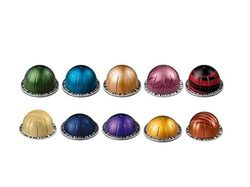
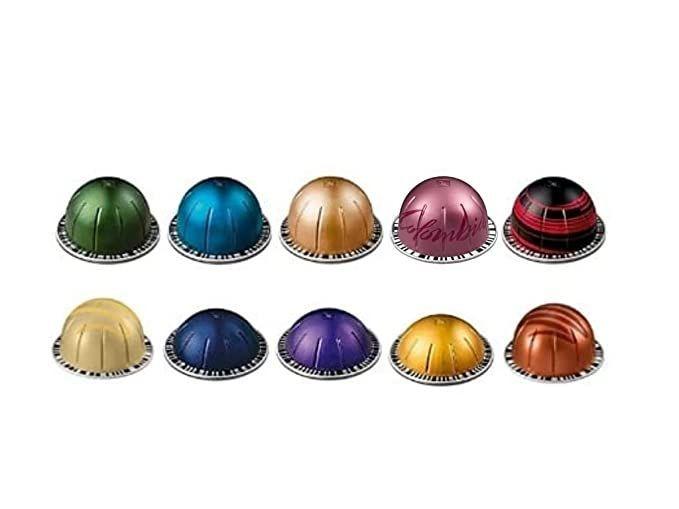
TRADING4ALL LLC is presented as an exporter/wholesaler and distributor established in 2019 with a small staff (1–10). The company offers branded consumer formats such as Nespresso Vertuo Coffee Pods (packaged pods; shelf life 12–24 months depending on batch) and Nescafe Gold (jar/pouch instant coffee). Both product listings include DDP or CIF trade terms and list Orlando (MCO) as port of loading for packaged goods.
Offering branded pods and instant coffee on DDP/CIF terms indicates TRADING4ALL LLC can handle door-to-door delivery pricing, which reduces buyer logistics coordination but requires clear contract terms for duties and local clearance. TRADING4ALL LLC holds document verification and phone verification in its profile and lists key export markets including Canada, France, Germany, UAE, UK, and the United States.
2. B-Eco Consulting LLC
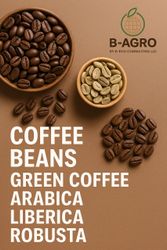
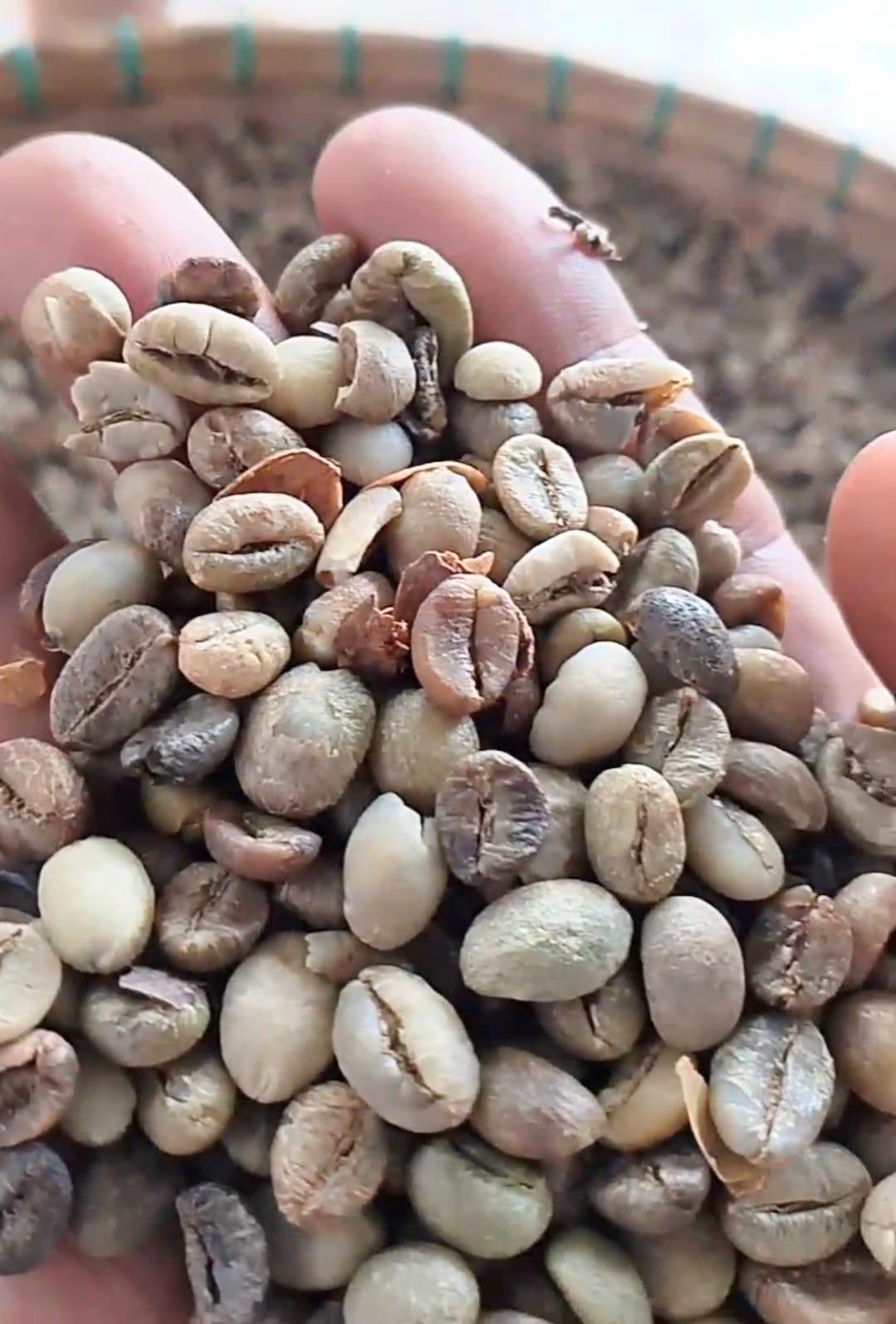
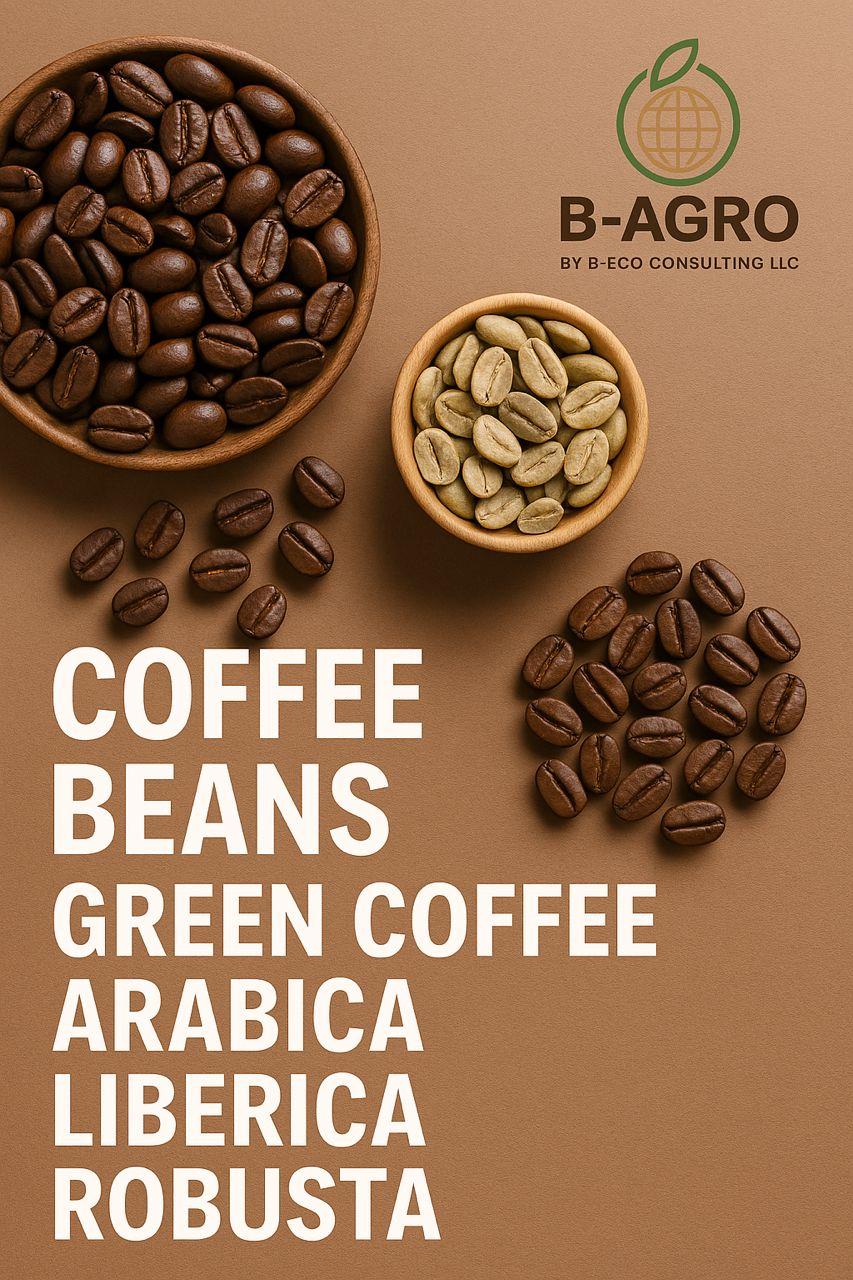
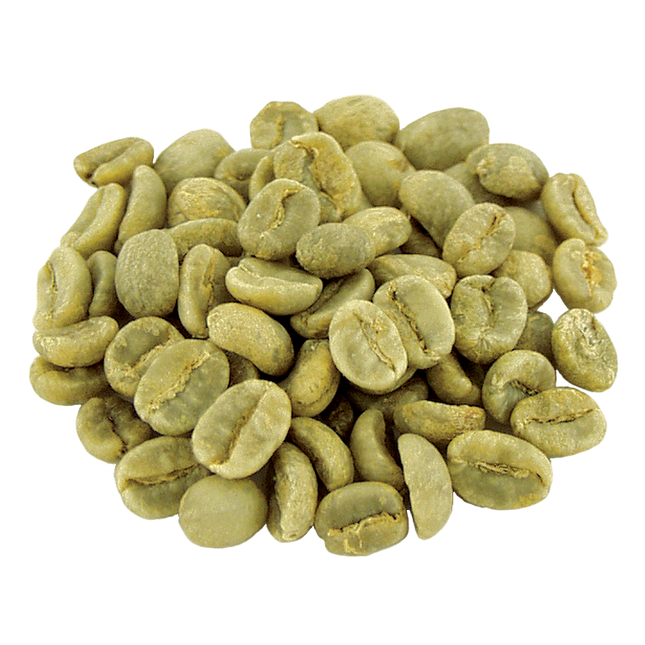
B-Eco Consulting LLC is registered at a Delaware address and shows multiple business activities including trade, exporting/wholesaling, and farming/processing. It lists a bulk product, Coffee Beans, priced at USD 3,000 per MT with packaging in jute bags and CIF trade term; the product record lists Wilmington as port of loading.
Because B-Eco Consulting LLC provides a unit price and verification (work email, phone, and documents verified), it is more transparent for buyers seeking bulk green bean purchases. The supplier also lists a broad set of export markets (Benin, China, Japan, Nigeria, Saudi Arabia, Turkey, among others), suggesting experience in diverse customs environments.
3. TRADE NEPAL LLC
TRADE NEPAL LLC is recorded at an Irving, Texas address and lists a packaged product labeled Nescafé sold by 20-foot container at USD 5,000 (product record). The company profile indicates in-business-since 2021, document verification present, and export activity recorded as serving the United States.
The available product data signals a small-volume exporter focused on packaged coffee lines rather than origin-to-roaster green supply. Buyers should request clarification on trade terms and packaging sizes before committing given some key commercial fields are not disclosed in the profile.
Product Landscape Across These Suppliers
- Repeated formats — Packaged instant and branded pod formats appear most often: Nespresso Vertuo Coffee Pods (TRADING4ALL LLC) and Nescafe Gold (TRADING4ALL LLC) emphasize U.S. supply strength in value-added consumer formats.
- Bulk green beans — Coffee Beans from B-Eco Consulting LLC is the only bulk green-bean listing with a per-MT price (USD 3,000/MT), making it distinct for commercial roasters.
- Packaged container sales — Nescafé offered by TRADE NEPAL LLC appears as a container-level offer (USD 5,000 per 20-foot container), which buyers should verify for contents and net weight.
- What's missing — No supplier lists organic, Fair Trade, or HACCP certifications in the provided records; that absence is notable for buyers targeting certified specialty or retail channels.
- Buyer guidance — Choose based on format and transparency: branded/pod needs and DDP/CIF logistics favor TRADING4ALL LLC; bulk green volume and published pricing favor B-Eco Consulting LLC; containerized packaged offers align with TRADE NEPAL LLC.
What Makes These Top Suppliers Different
Shared traits: all three suppliers list document verification in their Freshdi profiles and publish trade terms or ports of loading, signaling basic export readiness. Each supplier also lists the United States as part of their operational footprint.
Differences:
- TRADING4ALL LLC focuses on branded consumer formats and shows DDP/CIF on product records, making it suitable for buyers who want delivered pricing on retail products.
- B-Eco Consulting LLC is the only supplier that lists a per-metric-ton price (USD 3,000/MT) for green Coffee Beans, useful for roasters and bulk buyers.
- TRADE NEPAL LLC provides containerized packaged coffee pricing (USD 5,000 per 20-foot container for Nescafé), which is a specific commercial proposition but lacks some trade-term transparency.
How to Connect with Top Suppliers in United States
The top 3 Coffee suppliers in United States above show a mix of CIF/DDP trade terms, verified documents, and defined export markets — for example, B-Eco Consulting LLC lists verified work email/phone and exports to markets including China and Japan. If you need current quotes or documents, post an RFQ on Freshdi to request live pricing and certificates from these suppliers.


.jpeg)