
Introduction
Freshdi lists 10 Yellow Corn suppliers across eight countries, with different product descriptions and minimum order quantities.
The listings are a starting point for a shortlist, not a quality ranking or an endorsement. The profiles include trade terms and business details, but many key specifications still need confirmation. Buyers should compare suppliers against the same intended use, destination, quantity and import requirements before requesting comparable quotations.
Key Takeaways
- The 10 live product listings, reviewed on 23 November 2026, come from suppliers in Canada, Germany, Kenya, the Netherlands, Nigeria, South Africa, Tanzania and the United Kingdom.
- Product descriptions range from corn for human consumption and animal feed to listings that name kernel uses or give broad bulk-supply descriptions.
- Listed MOQs use different units, from kilograms and bags to tonnes and containers. A lower-looking number is not directly comparable unless units and order conditions match.
- All 10 records show business and phone verification on Freshdi. That status is a profile attribute, not a guarantee of product quality, capacity or transaction performance.
- Before ordering, confirm grade, moisture, foreign matter, aflatoxin limits, intended use, origin, available quantity, packaging, destination rules and the exact quotation basis.
1. Yellow Corn market overview and Freshdi listing observations
Yellow corn is traded for food, feed and industrial uses, so buyers should first specify the intended use and the grade or quality parameters required. FAO’s 6 November 2026 Cereal Supply and Demand Brief forecasts global cereal production at 2,999 million tonnes in 2026, with coarse-grain production expected to decline only marginally. The same brief forecasts maize trade in 2026/27 to rise by 4.5 million tonnes, or 2.2%, supported by exportable supplies in Argentina. Those are global forecasts, not supplier offers or a forecast of Yellow Corn prices.
USDA Foreign Agricultural Service’s May 2026 Grain: World Markets and Trade report offered a different outlook for 2026/27: it forecast global corn production and trade to decline modestly, with larger crops in Brazil and China partly offsetting lower production in the United States and Argentina. The contrast between the May USDA assessment and the later November FAO trade forecast reflects different reporting dates and outlooks. Buyers should use neither forecast as a substitute for a current, specification-matched quotation.
Freshdi’s 10 live Yellow Corn listings reviewed on 23 November 2026 cover eight supplier countries: Canada, Germany, Kenya, the Netherlands, Nigeria, South Africa, Tanzania and the United Kingdom. This is a platform listing sample, not a measure of production, exports or supplier availability in those countries. The supplier’s country, the corn’s country of origin and the loading port can be different facts; confirm each one for the particular shipment.
The listing descriptions point to several different buyer needs. Some name human consumption, poultry feed or food processing; others describe kernels or broad wholesale supply. The wording alone does not establish a grade, food-safety status, non-GMO status or suitability for a specific use. Ask for the technical specification and a recent lot analysis before comparing offers.
For a food shipment into the European Union, applicable requirements depend on the product and its intended use. The European Commission describes risk-based official controls for certain food and feed from non-EU countries, including documentary, identity and physical checks when applicable. It also states that EU traceability rules apply to food and feed businesses. Importers should check current destination rules for their exact corn product and origin before contracting.
A phytosanitary certificate addresses plant-health import requirements; it does not replace commercial quality specifications or a laboratory analysis. The International Plant Protection Convention’s ISPM 12 sets requirements and guidance for preparing and issuing phytosanitary certificates for export and re-export. Whether a certificate is required, and what additional declarations apply, depends on the importing country’s rules.
Looking to Source Yellow Corn?
Connect with verified suppliers, discover matching products, and explore sourcing opportunities from global markets.
2. 10 Yellow Corn suppliers on Freshdi for global buyers
The shortlist includes all 10 Yellow Corn supplier records supplied for this article. The records were selected through a profile-based selection, with product relevance as the inclusion condition. The information was reviewed on 23 November 2026. Freshdi does not identify this as an official ranking, and the sequence below does not indicate quality, reliability or preference.
2.1 Supplier selection criteria
A listing qualified for this article because its product entry names Yellow Corn, yellow corn kernels or maize as a product. The comparison uses only information stated in the supplier records: supplier location, product description, MOQ, listed business type, trade terms, port and other profile fields. Missing information is not treated as a negative assessment, and profile completeness does not prove the physical product will match a buyer’s specification.
2.2 Ranking method and limits
The records are presented as a shortlist, not a ranked order. Freshdi’s selection is identified as profile-based, but the supplied data gives no scoring formula for ordering suppliers by quality, capacity, price or performance. All 10 records show business and phone verification in their Freshdi fields. That platform status does not establish a supplier’s current stock, product conformity, export capability for a particular destination or willingness to accept an order.
Listed MOQs include kilograms, bags, tonnes and a 20-foot container. Those units are not directly comparable. In particular, the records do not provide a shared conversion basis for bag size or container loading. Ask each supplier to confirm the quantity in metric tonnes, the packaging unit, the available lot size and whether the MOQ applies to the exact Yellow Corn product you need.
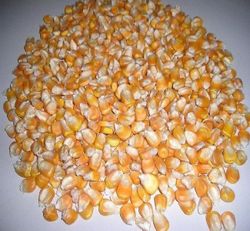
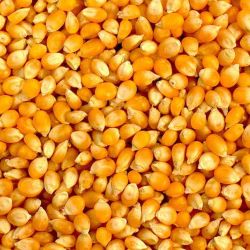
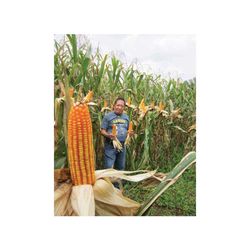
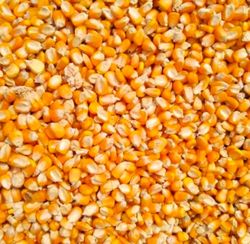
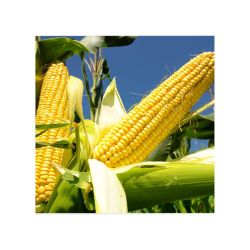
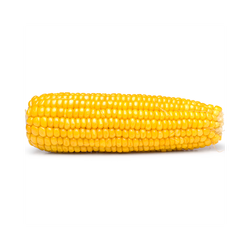
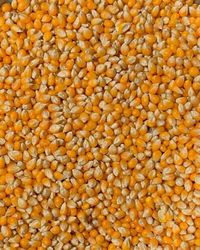
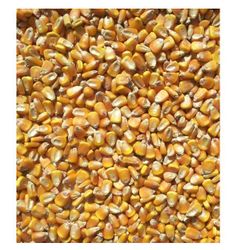
The supplier table is the consistent side-by-side comparison of the 10 records. Its contents are listing details, not independent verification. Supplier profile information was reviewed on 23 November 2026; records are live and can change. Product pages and supplier profiles are linked in the table.
2.3 Farmers Cooperative Limited, Tanzania
The supplier record lists Yellow Corn / Maize with a minimum order of one 20-foot container and CIF or FOB terms. Before assessing cost, ask for the container’s net cargo weight, packaging, origin and named port. A container-based MOQ cannot be compared with a tonne-based MOQ until the supplier confirms the loaded quantity.
2.4 BF GLOBAL TRADING (PTY) LTD, South Africa
The product entry describes Brazilian Yellow Corn (Maize), while the supplier location is South Africa and the port field says Cape Town. The record lists a 500-ton MOQ and several delivery terms. Buyers should establish the actual country of origin, route and loading port, and ask which of the listed terms the supplier will quote for the shipment.
2.5 THE GREEN INTERNATIONAL LIMITED, Tanzania
Two Yellow Corn product entries appear in this supplier’s record, with listed MOQs of 25 tons and 5 tons. The descriptions refer to uniform kernels and bulk supply, but the record does not state measurable kernel, moisture or purity limits. The profile includes several certificate names; buyers should check which documents apply to the corn lot and destination.
2.6 SATTER FOOD AND BEVERAGE, Netherlands
The record has two corn-kernel product entries with an MOQ of 100 bags for each listed product. It describes uses including cooking and popcorn, but does not state bag weight or a technical grade. The certificate names in the profile include entries that do not establish corn-specific conformity. Ask for the bag net weight, intended-use specification and relevant lot documents.
2.7 PEACE PRODUCTS LIMITED, United Kingdom
The listings describe wholesale Yellow Corn, including an entry that says it is for human consumption and non-GMO. Both entries show an MOQ of 20 metric tonnes. Treat those product claims as listing text until the supplier provides supporting documentation, including the specification, lot analysis and any required non-GMO evidence.
2.8 BMU TRADING GMBH, Germany
The profile lists two Yellow Corn products, each with a 100-kilogram MOQ, and names Hamburg as the port. The product descriptions do not set out grade, intended use or packaging. Confirm whether the stated MOQ is available as a commercial shipment quantity and obtain the packing and quality details before comparing it with bulk offers.
2.9 HIGHPROFILE AGRICULTURE SERVICES LIMITED, Tanzania
The record describes bulk Yellow Corn for food processing and animal feed, with listed MOQs of 100 kilograms and 10 kilograms across two products. The record does not say whether either quantity is a sample, a minimum commercial order or an available export lot. Ask the supplier to clarify the sale unit, lot size and specification for the intended market.
2.10 smgsparkgloballimited, Nigeria
The product entry is Yellow Corn / Yellow Maize for sale, with a listed MOQ of 1,000 tons and Lagos as the port. The record does not provide a detailed grade or use specification. Buyers considering a shipment of this scale should first confirm current availability, origin, loading arrangements, contract quantity tolerance and inspection terms.
2.11 AZU EMOBILITY LLC, Canada
The listing describes Yellow Corn for poultry feed and gives a 20 MT MOQ. The supplier record lists an Atlanta location in the port field, although the supplier country is Canada. Confirm the actual loading point, product origin, route and export documentation before treating the listing as a Canadian-origin shipment.
2.12 DABELU ENTERPRISES LIMITED, Kenya
The profile lists Yellow Corn for human consumption with a 27 MT MOQ and Mombasa port. The record does not give specific food-grade parameters or packaging. Request the exact specification, a representative analysis certificate, lot availability and the documents required for the destination market.
2.13 Quick comparison and buyer fit
For a large stated tonne quantity, the records include a 1,000-ton offer from smgsparkgloballimited and a 500-ton listing from BF GLOBAL TRADING (PTY) LTD. These are substantially different stated quantities, and the suppliers describe different origins or locations. Confirm the physical origin, exact specification and shipment terms before comparing them.
For lower stated minimums, BMU TRADING GMBH and HIGHPROFILE AGRICULTURE SERVICES LIMITED list kilogram quantities, while SATTER FOOD AND BEVERAGE lists bags. These entries may suit a buyer investigating smaller quantities, but the record does not establish bag weight, whether the quantities are sample orders or whether the supplier can export them economically.
For a food-use requirement, PEACE PRODUCTS LIMITED and DABELU ENTERPRISES LIMITED explicitly describe products for human consumption. For feed-related use, AZU EMOBILITY LLC names poultry feed, and HIGHPROFILE AGRICULTURE SERVICES LIMITED names animal feed among its uses. Those descriptions are starting points for an inquiry, not evidence that the lot meets a buyer’s regulatory or nutritional specification.
3. Which Yellow Corn suppliers may fit your buying needs?
Match a supplier to the stated requirement, then verify the details that the listing leaves open. Buyers requiring human-consumption corn can investigate the listings from PEACE PRODUCTS LIMITED and DABELU ENTERPRISES LIMITED because their product descriptions name that use. Ask both for the same grade, test parameters, packaging and destination documents before comparing quotations.
Buyers sourcing feed corn can review the AZU EMOBILITY LLC listing, which names poultry feed, and the HIGHPROFILE AGRICULTURE SERVICES LIMITED listings, which mention animal feed. The records do not supply a shared feed specification or a complete nutritional profile. Request the values required by your formulation and have the analysis tied to the lot being offered.
For kernel formats or food preparation uses, SATTER FOOD AND BEVERAGE describes kernels and culinary uses. Its record states an MOQ in bags, but does not state bag weight. Confirm whether the product is suitable for the buyer’s use, how it is packed and what quantity each bag contains.
For large-volume inquiries, the stated 500-ton and 1,000-ton MOQs from BF GLOBAL TRADING (PTY) LTD and smgsparkgloballimited may warrant an initial availability check. Their listed locations, product origins and shipment details need to be reconciled with the intended trade route. Request a dated offer on a named Incoterm and port before comparing landed costs.
For a container-based purchase, Farmers Cooperative Limited lists one 20-foot container as its MOQ. Ask for the cargo weight, bagging or bulk arrangement, and shipment schedule. Do not infer a tonnage from the container description alone.
For a smaller stated quantity, BMU TRADING GMBH and HIGHPROFILE AGRICULTURE SERVICES LIMITED list kilogram MOQs. Clarify whether the amounts refer to a commercial shipment, a sample or a minimum for a particular listing. Compare these offers only after suppliers confirm the same unit and packaging basis.
Buying consideration: Send each shortlisted supplier the same specification, quantity, packaging, destination, required delivery term and document list. Ask for a dated quotation and written confirmation of origin, loading port, available lot and payment conditions.
4. How to evaluate Yellow Corn suppliers before buying
Start with the product specification. State whether the corn is for human consumption, feed, processing or another use, then define the grade and measurable acceptance limits. Request moisture, foreign matter, damaged or broken kernels, test weight and any contaminant limits relevant to the use and destination. The listing descriptions do not provide a common set of these figures.
Confirm the lot and its evidence. Ask for a current analysis certificate tied to the offered lot, with the test date, methods and results. If the contract permits, agree who takes samples, where sampling happens and which independent laboratory or inspection arrangement the parties will accept. A certificate name appearing in a supplier profile does not show that a specific shipment has passed a test.
Check the business and shipment parties separately. Freshdi’s verified-business and verified-phone fields are useful profile information, but they do not guarantee performance or establish the identity of every party involved in the shipment. Confirm the legal seller, beneficiary bank account, exporter of record and the entity responsible for the goods in the contract.
Reconcile origin and route. Ask for country of origin, loading port, transit points and destination as separate items. The supplier’s country alone does not establish where the corn was grown or where the cargo will load. This check is especially relevant when a listing names a product origin or port that differs from the supplier country.
Compare quantities on the same basis. Convert all offers into a confirmed net metric-tonne quantity only after the supplier states the bag weight or container payload. Check whether the MOQ is fixed, whether partial shipments are acceptable and how much quantity tolerance the contract allows.
Confirm packaging and condition in transit. Specify bulk or bagged shipment, bag material and weight, container or vessel requirements, labeling and loading condition. For grain, also ask how the supplier will manage moisture exposure, ventilation and contamination during storage and transport.
Check the destination’s import conditions before signing. Requirements can vary by country, end use and shipment. For plant-health certification, IPPC ISPM 12 describes the international framework for export and re-export certificates; the destination’s competent authority sets the applicable import requirements. Food and feed safety rules, contaminant limits and documentation should be checked with the relevant official authority for the importing market.
Request a complete commercial offer. The quotation should state product and grade, quantity, packaging, currency, price unit, validity date, named delivery term and place, shipment window, payment schedule and documents. FOB, CIF and other trade terms allocate specific responsibilities differently; confirm the named place and the version of Incoterms agreed in the contract.
Use an order-specific contract and payment controls. Match the seller’s legal name and payment instructions to the contract, set inspection and rejection procedures, and specify what happens if documents or quality results do not conform. Do not treat a profile verification marker, certificate list or verbal assurance as a substitute for written terms and independent checks.
5. How Freshdi helps buyers find Yellow Corn suppliers
Freshdi’s Yellow Corn supplier category gives buyers a place to review product listings and supplier profiles, then build a shortlist around product description, location and stated commercial details. The listing records discussed here are live as of 23 November 2026; availability and profile information may change.
Review each profile and product entry for the exact information it states. Compare like with like, note unstated fields for follow-up, and request a quotation that repeats the same specification and delivery basis for every supplier. The marketplace listing can support supplier discovery; buyers still need to verify the lot, documents and transaction terms.
Buyers ready to compare current Yellow Corn listings can review the relevant supplier category on Freshdi.
View Related Suppliers for This Product →
Open the Yellow Corn supplier listings on Freshdi and use the listing details to form questions for potential suppliers. Do not infer quality, availability or destination eligibility from a profile field that does not state it.
6. Conclusion: shortlist by specification, then verify the shipment
These 10 Freshdi listings differ in stated use, location, MOQ unit and commercial terms. Several descriptions name human food or feed applications, while others provide only a general corn description. The records do not support a quality ranking, and the order in which suppliers appear is not a recommendation.
Choose a shortlist based on your end use and quantity, then confirm corn origin, lot specification, test results, net quantity, packaging, loading point, import documents and a dated quotation. Compare only offers that use the same unit and delivery basis. Freshdi’s Yellow Corn supplier category is a starting point for reviewing relevant listings.
After defining the required grade and shipment size, buyers can review Yellow Corn supplier listings on Freshdi.
View Related Suppliers for This Product →

Frequently Asked Questions
How many Yellow Corn suppliers are included?
The article covers 10 live Yellow Corn supplier records on Freshdi, reviewed on 23 November 2026. They are based in Canada, Germany, Kenya, the Netherlands, Nigeria, South Africa, Tanzania and the United Kingdom. This is a platform listing sample, not a complete count of suppliers in those countries.
Are the suppliers ranked from best to worst?
No. The records were selected through a profile-based selection and product relevance. Freshdi’s supplied data does not provide a comparative scoring formula for quality, reliability, capacity or performance, so the sequence is not a best-to-worst ranking.
Which listings describe Yellow Corn for human consumption?
PEACE PRODUCTS LIMITED and DABELU ENTERPRISES LIMITED have product descriptions that name human consumption. Buyers should still request the exact grade, test results, lot documents and destination-specific compliance evidence before deciding whether a shipment meets their requirements.
Can buyers compare the listed MOQs directly?
Not without confirming the units and terms. The records state MOQs in kilograms, bags, tonnes and a 20-foot container. Bag weight and container payload are not stated as a common comparison basis, so ask each supplier for the confirmed net metric-tonne quantity and packaging.
Does Freshdi verification guarantee a supplier or product?
No. All 10 records show business and phone verification in their Freshdi fields, but those fields do not guarantee a supplier’s product quality, current stock, export eligibility or transaction performance. Buyers should verify the company, lot, documents, route and contract independently.
References
1. Food and Agriculture Organization of the United Nations – FAO Cereal Supply and Demand Brief, 6 November 2026.
2. USDA Foreign Agricultural Service – Grain: World Markets and Trade, May 2026.
3. International Plant Protection Convention – ISPM 12: Phytosanitary Certificates, 2022.
4. European Commission – Import Controls of Food and Feed: Questions and Answers, Accessed 23 November 2026.
5. Freshdi – Yellow Corn supplier records and product listings, 10 suppliers, 23 November 2026.
Disclaimer: This article is compiled from platform data, public sources and information provided by third parties, for general informational purposes only. We do not guarantee its accuracy or completeness. Mentions and rankings of suppliers do not constitute an endorsement or guarantee, and strategies and examples are illustrative; results may vary. Please conduct your own due diligence before making business decisions.