Introduction – Germany’s Coffee Bean Market in Statistical Focus
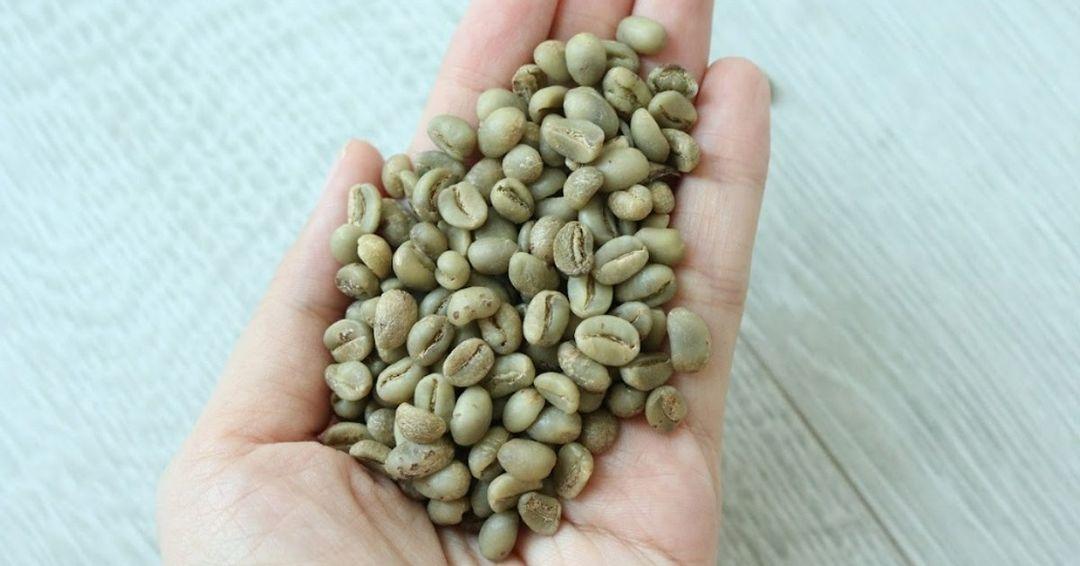
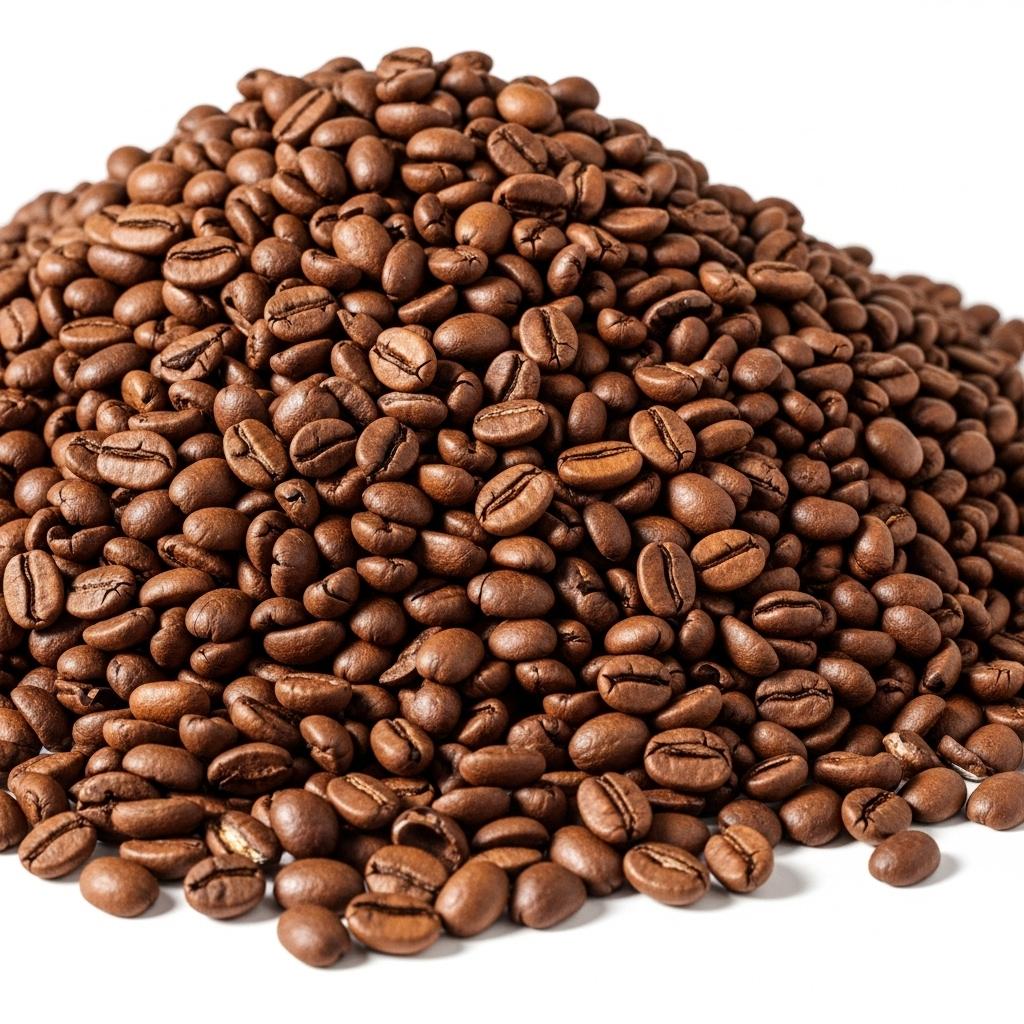
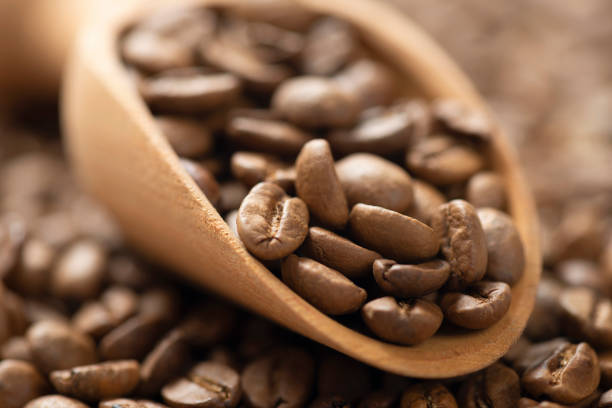
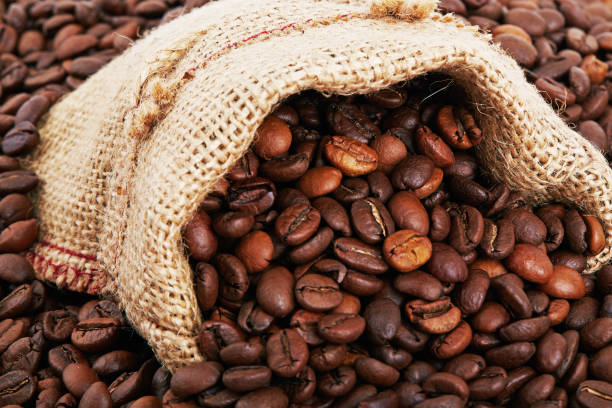
Germany might not grow coffee beans, but it is one of the largest coffee importers, processors, and re-exporters in the world. In fact, Germany ranks among the top global hubs for coffee bean imports and re-exports, especially within the EU. With a coffee-loving culture, thriving roasting industry, and strong international trade connections, Germany plays a pivotal role in the global coffee supply chain.
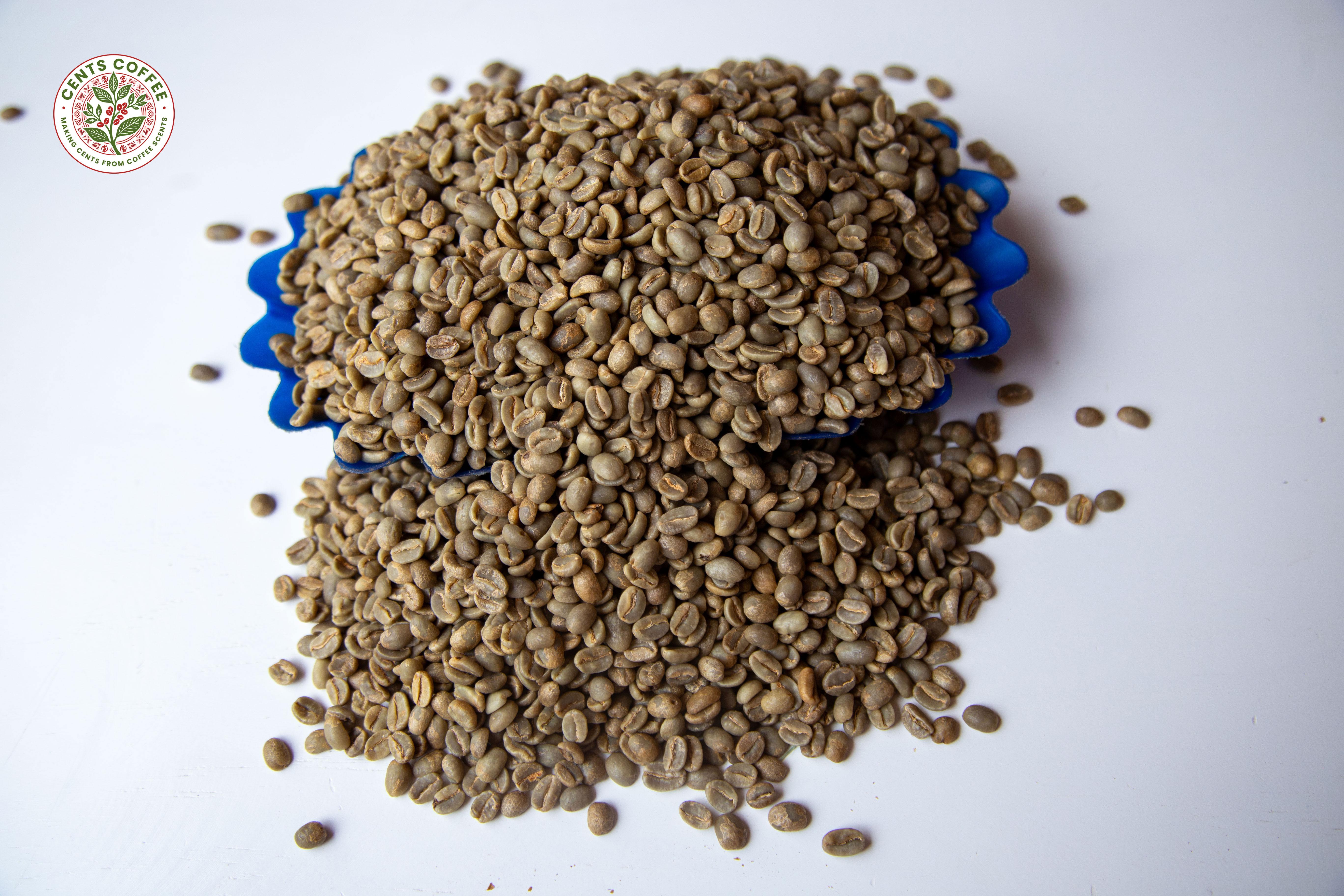
In 2024, Germany imported over 1.1 million metric tons of green coffee beans, contributing to its position as a powerhouse in the coffee trade. With a growing emphasis on traceability, certifications, and sustainable sourcing, businesses looking to buy from German suppliers must adopt a data-driven approach. Choosing the right coffee bean supplier isn’t just about price—it’s about reliability, quality, and verified performance over time.
That’s where platforms like Freshdi come in handy. They offer real-time RFQ data, supplier verification, and market trends to help you make smarter buying choices.
Deep Dive – Key Production, Export Statistics & Market Signals
Germany may not produce coffee beans locally, but it excels in processing and re-exporting them. Here’s a quick look at the most recent market stats:
- Import Volume (2024): 1.1 million metric tons of green coffee beans.
- Top Origins: Brazil, Vietnam, Colombia, Ethiopia, and Honduras.
- Re-export Volume: Over 250,000 metric tons (mainly roasted beans).
What does this mean for buyers? It means Germany acts as a transit and transformation hub—importing raw green coffee, roasting it, and re-exporting it globally.
Freshdi data shows a strong uptick in RFQs (requests for quotations) for Arabica coffee beans, especially from buyers in the EU, North America, and Asia. This aligns with the high export volume of roasted beans from Germany. Verified suppliers with international certifications (like Fairtrade, Rainforest Alliance, or Organic) are seeing more demand.
Top 10 Verified Coffee Bean Suppliers in Germany – Leading Exporters by Volume
These suppliers were selected based on verified export volumes, positive buyer feedback, and visibility on platforms like Freshdi. They’ve consistently delivered quality coffee beans and maintained strong international relationships.
-
Global Trade DE GmbH
Known for sourcing high-quality green coffee from Brazil and Vietnam, they boast reliable delivery schedules and strict quality control. -
Evergreen Import
Specializes in Kenyan and Ethiopian green beans. Popular among specialty roasters across Europe. -
RUPERT LINDER GMBH
Offers both green and roasted beans. Their private-label solutions are favored by boutique coffee shops and B2B buyers. -
HANSE MARITIME GMBH
Trusted name in the instant and roasted coffee segment. Known for supplying top European retailers. -
Coffee Kontor Bremen
A family-run business with specialty coffee offerings and strong sustainability practices. -
Neumann Kaffee Gruppe (NKG)
One of the largest green coffee service providers globally, headquartered in Hamburg. -
InterAmerican Coffee GmbH
Subsidiary of Neumann Gruppe, with a focus on specialty and certified coffees. -
J. J. Darboven GmbH & Co. KG
With over 150 years in the coffee business, Darboven supplies roasted coffee to hotels, restaurants, and caterers. -
List + Beisler GmbH
Offers direct-sourcing programs and high-quality Arabica beans for the specialty market. -
Dethlefsen & Balk GmbH
Supplies both tea and coffee. Known for premium blends and private label manufacturing.
Dynamic Ranking Note:
Supplier performance is ever-evolving. Platforms like Freshdi offer dynamic rankings such as “Top Suppliers of the Month” or “Quarterly Export Leaders,” reflecting real-time data and buyer feedback. It’s a good idea to check often if you’re sourcing regularly or in bulk.
Market Navigation – Statistical Trends, Value Dynamics & Export Dynamics
Demand Patterns by Coffee Type
Arabica remains the top choice among German suppliers, especially for specialty coffee buyers. However, Robusta imports are also rising, particularly from Vietnam, due to its affordability and usage in espresso blends.
Freshdi’s RFQ data shows a 20% increase in Arabica bean inquiries in Q2 2025. Organic and Fairtrade-certified coffee beans are also trending upward, reflecting consumer demand for ethical sourcing.
Seasonal Price Fluctuations
Coffee bean prices are highly seasonal. Harvest cycles in Brazil and Ethiopia, global weather patterns, and shipping disruptions can all impact cost. Buyers typically see price surges from November to January due to holiday demand and lower global output.
Historical price data from market platforms suggests the best time to purchase is between March and May, when global supply stabilizes, and shipping lanes are less congested.
Export Strategy & Logistics
Germany’s strategic location in Europe and advanced logistics infrastructure make it a natural re-export hub. Most suppliers offer both FOB and CIF options, with Hamburg being the main export port.
Using trade intelligence platforms like Freshdi, buyers can analyze shipping trends, compare incoterms, and even access verified logistics partners.
Conclusion – Leveraging Data for Informed Procurement
Germany’s role in the global coffee bean trade is significant—not as a grower, but as a processor, certifier, and exporter. With global demand for high-quality coffee on the rise, Germany’s suppliers are well-positioned to fulfill bulk and specialty orders efficiently.
As a buyer, your best strategy is to:
- Use data to evaluate suppliers.
- Track trends on platforms like Freshdi.
- Verify certifications and past performance.
- Time your purchases based on seasonal dynamics.
Freshdi empowers buyers with verified supplier profiles, trade analytics, RFQ insights, and dynamic rankings, making procurement smarter and safer. Whether you’re sourcing green beans or fully roasted blends, the German coffee market offers both variety and reliability.
Key Takeaways
- Germany is a top importer and re-exporter of coffee beans, primarily Arabica and Robusta.
- Verified suppliers offer certifications, private label services, and consistent export performance.
- Seasonal pricing and demand trends should guide your procurement calendar.
- Platforms like Freshdi help streamline sourcing with real-time data and supplier verification.
Buyer’s Checklist (Coffee Bean Sourcing from Germany)
Define your coffee bean requirements (origin, roast level, certifications).
Check supplier export data and buyer feedback on Freshdi.
Time purchases for off-peak harvest cycles.
Request samples and negotiate incoterms.
Monitor RFQ trends and dynamic supplier rankings.
Future Outlook
The German coffee trade will likely see continued growth in sustainable and specialty bean exports. Buyers can expect more transparency, origin diversity, and digital sourcing tools. With AI-driven platforms like Freshdi, the future of B2B coffee sourcing is more seamless than ever.
FAQs
1. Why is Germany a key player in the coffee bean market if it doesn’t grow coffee?
Germany imports, processes, and re-exports coffee beans. Its advanced logistics, roasting industry, and central location in Europe make it a global trade hub.
2. What’s the difference between Arabica and Robusta beans?
Arabica beans are smoother, slightly acidic, and preferred for specialty coffee. Robusta beans have higher caffeine content and a stronger, more bitter taste, often used in espresso blends.
3. How can I verify a German coffee supplier’s credibility?
Use platforms like Freshdi, which offer supplier verification, trade history, and buyer reviews to ensure you’re dealing with a trusted exporter.
4. When is the best time to buy coffee beans from Germany?
March to May tends to be optimal due to stable supply and lower global demand after the holidays.
5. Do German suppliers offer private label services?
Yes, many, including Rupert Linder GmbH and J.J. Darboven, offer OEM and private label options tailored to your branding needs.
References
- Freshdi Coffee Bean Market
- German Coffee Association (Deutscher Kaffeeverband)
- International Coffee Organization (ICO)
- Statista Coffee Import Data
- European Coffee Federation Reports