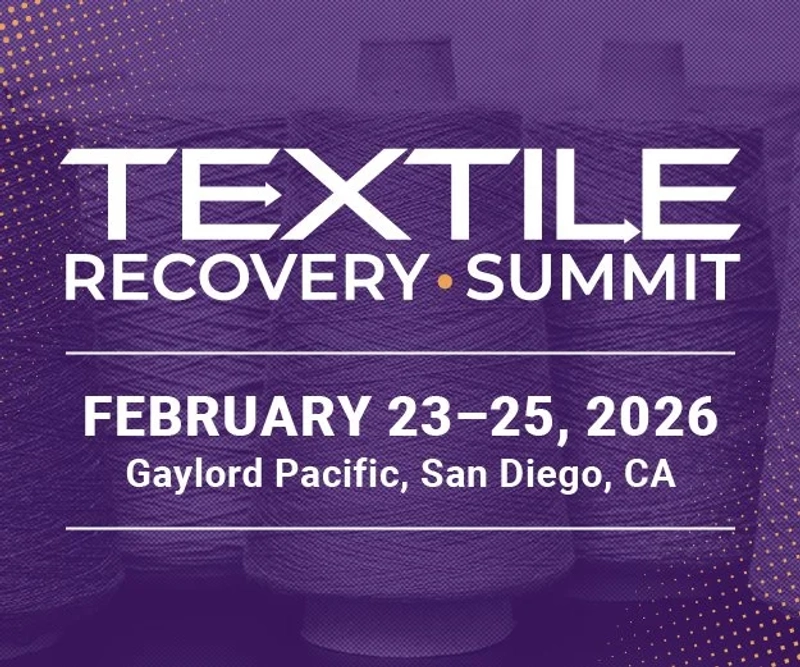
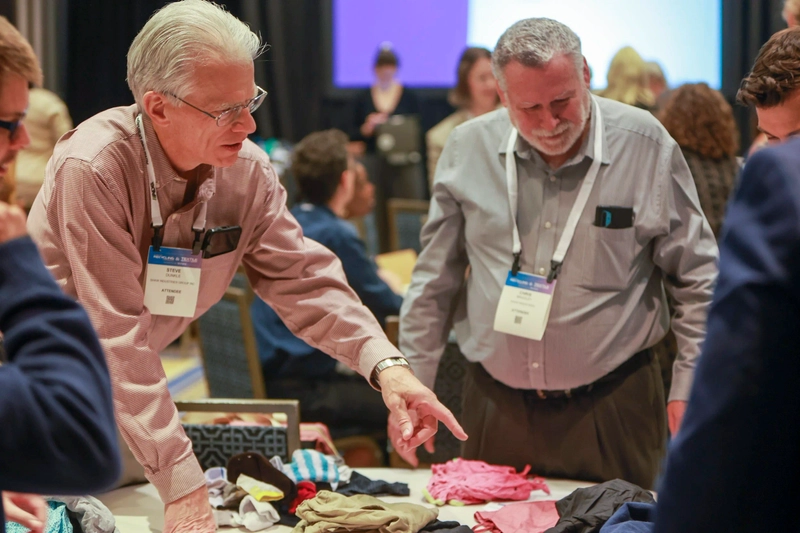
Textile Recovery Summit (The Textile Recycling Summit) is a leading event dedicated to exploring the most pressing challenges and opportunities in textile sustainability and recovery. As the fashion and textile industries face increasing scrutiny regarding environmental impact, the summit provides a platform for brands, retailers, service providers, and researchers to address innovative solutions for responsible production, consumption, and end-of-life management. By bringing together industry experts, policymakers, and technologists, the summit fosters dialogue on strategies that can drive both economic and environmental progress.
Extended Producer Responsibility and compliance strategies
One of the key topics at the summit is Extended Producer Responsibility (EPR), which is rapidly gaining traction at the state level for textiles. EPR programs shift the responsibility for post-consumer waste management onto producers, requiring brands and retailers to develop comprehensive systems for collection, recycling, and reporting.
Attendees will gain insight into how EPR frameworks are evolving, what regulatory requirements are emerging, and practical approaches for compliance. Understanding these frameworks is critical for companies seeking to minimize risk, enhance sustainability credentials, and participate in the circular economy effectively.
Key discussion points include:
Preparing internal operations to meet EPR obligations
Integrating product take-back and recycling programs
Collaborating with recycling partners and service providers
By addressing these areas, the summit equips stakeholders to proactively navigate the evolving regulatory landscape.
California Responsible Textile Recovery Act (SB 707)
Another significant focus is the California Responsible Textile Recovery Act (SB 707), landmark legislation that establishes state-level requirements for textile collection and recycling. The summit examines the implications of this policy and provides guidance on developing compliance strategies that align with both legal requirements and sustainability goals.
Understanding SB 707 helps companies anticipate operational changes, manage costs, and position themselves as leaders in responsible textile management. Case studies and expert presentations illustrate practical steps for implementing compliant recovery programs and ensuring traceable, verifiable sustainability practices.
Advancements in chemical recycling and processing
Next-generation recycling technologies are transforming the textile industry, and the summit highlights chemical recycling and advanced processing methods that go beyond traditional mechanical recycling. These approaches enable the recovery of fibers from complex or blended textiles, offering opportunities for closed-loop production and reducing dependency on virgin materials.
Sessions explore how chemical recycling intersects with fiber identification, sortation, and material recovery, providing a roadmap for scaling innovative technologies. Attendees gain insights into:
Process efficiency and scalability
Environmental impact reduction
Integration with existing recycling systems
These discussions empower stakeholders to adopt forward-looking solutions that improve resource efficiency and support circular textile economies.
Global trade and reuse markets
The summit also examines the global trade of secondhand textiles, exploring how regulatory changes and market dynamics affect export flows and domestic reuse markets. Understanding these shifts is essential for companies involved in resale, donation, and international distribution of used textiles.
Participants explore:
Impacts of regulation on textile exports and imports
Opportunities for domestic and international reuse markets
Strategies for ethical and sustainable textile redistribution
These insights help businesses align operations with evolving market and regulatory conditions while maximizing the value of post-consumer textiles.
Breakthrough research in AI and fiber sorting
Innovation in automation is another highlight of the summit, with a focus on AI-driven sorting technologies. Academic and industry-led research is pushing the boundaries of textile recycling through imaging, machine learning, and automated fiber identification.
Attendees learn how AI and advanced sorting systems can improve recycling efficiency, enhance material recovery, and reduce contamination in recycled streams. Key benefits include:
Faster, more accurate sorting of complex materials
Improved quality of recycled fibers
Integration with chemical and mechanical recycling processes
These technological advancements demonstrate how research and innovation are shaping the future of sustainable textile management.
Why the Textile Recycling Summit matters
The Textile Recycling Summit is essential for anyone involved in sustainable fashion, textile production, and circular economy initiatives. By addressing regulatory developments, innovative recycling technologies, global trade considerations, and AI-driven advancements, the summit equips stakeholders with knowledge, strategies, and connections needed to navigate an increasingly complex industry.
For brands and retailers, it provides actionable insights for compliance and sustainability. For service providers and recyclers, it offers a platform to explore collaboration and technological solutions. For researchers and policymakers, it fosters discussion on emerging best practices and scalable innovations.
Ultimately, the summit is a convergence point for expertise, technology, and strategy, helping the textile industry move toward a more sustainable and circular future.
Inside Textile Recovery Summit: B2B Key Insights Inside Textile Recovery Summit: B2B Key Insights
Textile materials

About
The Textile Recovery Summit addresses critical issues in textile sustainability, focusing on Extended Producer Responsibility (EPR), the California Responsible Textile Recovery Act (SB 707), chemical recycling technologies, global trade dynamics, and AI-driven fiber sorting. It serves as a comprehensive platform for stakeholders to explore regulatory compliance, innovative recycling solutions, and strategies for building circular economy models in the fashion and textile industries.
Who Should Attend
Brands, retailers, and service providers seeking to comply with emerging EPR regulations and advance sustainable practices should attend. Industry professionals involved in recycling, policy, or technology innovation will gain actionable insights and strategic connections to drive environmental and economic progress.
Similar Events
 Closed
 Inside The 139th Canton Fair: B2B Key Insights
 Closed
 Inside South China International Sewing Machinery & Accessories Show : B2B Key Insights
 Closed