AGRIFOODPLAST is an innovative research initiative that brings together global experts, businesses, and decision-makers to address one of the most pressing challenges of our time: the intersection of plastics and food systems. While plastics play an essential role in modern agriculture, aquaculture, and fisheries—helping with storage, packaging, and the transportation of food—there are significant concerns regarding their environmental impact. The use of plastic in food production has led to pollution, with microplastics and chemicals leaching into ecosystems, potentially posing risks to both biota and humans. The scientific community is now examining how plastics accumulate in agricultural environments, and their possible long-term effects on human health and the environment.
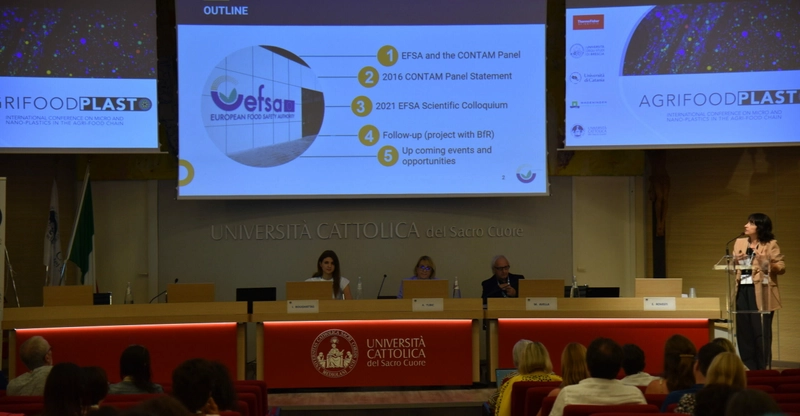
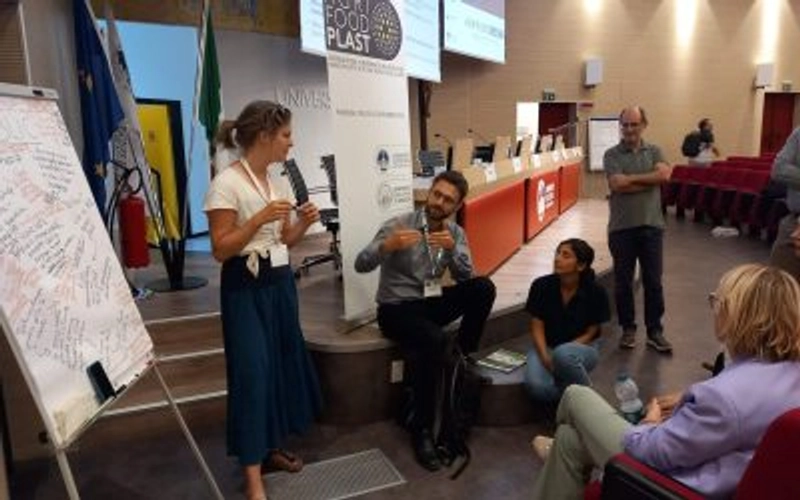
The AGRIFOODPLAST initiative provides a platform for scientists, farmers, businesses, and policymakers to present and debate the latest research on these critical issues. It highlights the role of plastic in food storage and packaging, while also recognizing the ongoing discussions about the safety of these practices. As plastics are known for their durability and resistance to degradation, they tend to accumulate in the environment over time, causing serious concerns about their persistence in soils, plants, and the food chain. This accumulation can lead to the up-concentration of microplastics, which may carry harmful chemical additives that pose significant toxicological and ecotoxicological risks.
One of the key topics at the AGRIFOODPLAST event is the emerging issue of nano- and microplastics and their associated chemicals in food production and packaging. Scientists are delving deeper into understanding how these tiny particles interact with agroecosystems and the food we consume. As these plastics break down in terrestrial environments, they disrupt soil health and microbial functions, potentially leading to contamination of crops. This contamination not only threatens environmental sustainability but also raises concerns about the safety of food products, as plastic particles may enter the food chain, bringing with them a host of unknown risks.
While plastic pollution in aquatic environments has been studied for decades, only recently has the scientific community turned its focus to terrestrial contamination. The impact of plastics on soil health, crop production, and the food supply chain is becoming an increasingly urgent topic. As plastics become more embedded in agriculture, addressing the risks and finding viable solutions to mitigate these impacts is paramount. AGRIFOODPLAST offers a forum where stakeholders from various sectors can collaborate, share ideas, and work toward the development of safer and more sustainable practices in food production. By engaging with the latest research and discussing the necessary policy changes, the initiative aims to foster solutions that will reduce plastic contamination and ensure a more sustainable future for the agriculture and food industries.
Through these discussions, AGRIFOODPLAST is paving the way for a more sustainable and responsible approach to the use of plastics in food systems. It underscores the importance of balancing the benefits of plastic with the urgent need to safeguard environmental and human health. As the risks associated with plastics become clearer, this initiative provides a much-needed space for the development of strategies to mitigate their impact, pushing for policies that promote circularity and sustainability in the agri-food sector.
Why AGRIFOODPLAST Conference Matters for B2B Why AGRIFOODPLAST Conference Matters for B2B
Agriculture, Food & Beverage
Why AGRIFOODPLAST Conference Matters for B2B
About
AGRIFOODPLAST is a global research initiative that addresses the environmental and health risks of plastic use in agriculture, aquaculture, and food systems. It focuses on the growing concern of micro- and nano-plastics accumulating in soils and the food chain, highlighting their potential to contaminate crops and pose toxicological risks to humans and ecosystems.
Who Should Attend
Scientists, policymakers, farmers, and industry professionals involved in agriculture, food production, and environmental sustainability should attend to engage with the latest research and contribute to developing safer, more sustainable practices in plastic use.
Similar Events
 Closed
 Inside FLORALL: B2B Key Insights
 Closed
 Why FERMA Matters for B2B
 Closed