Electronics in Harsh Environments: Tackling Reliability and Design Challenges
Modern electronics are increasingly being deployed in challenging and demanding environments. The Electronics in Harsh Environments Conference and Exhibition provides a critical platform for exploring how engineers and manufacturers can build reliable electronics used in power electronics and harsh conditions. From extreme temperatures and humidity to mechanical shock and corrosive atmospheres, such environments place unique demands on electronic components. These challenges are further compounded by the need for high performance, miniaturization, and energy efficiency.
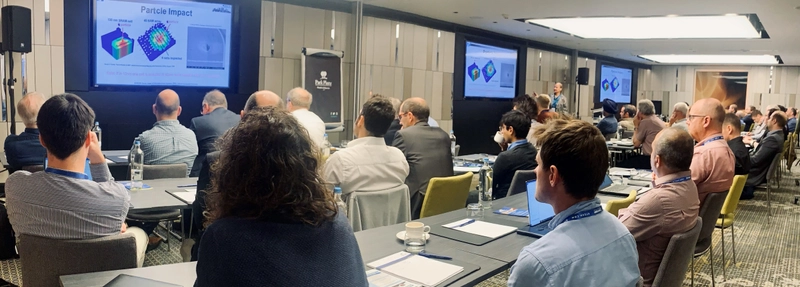
At this pivotal event, industry experts converge to discuss not only the barriers to reliability but also the innovative practices, materials, and strategies that can help mitigate risks. The focus is not merely theoretical—the conference dives into actionable solutions that can be implemented in real-world designs, manufacturing, and operational protocols.
Understanding Environmental Impacts on Electronic Devices
Operating electronics in harsh conditions involves navigating a multitude of physical and chemical stressors. These include temperature extremes, pressure fluctuations, exposure to moisture and dust, and electrical overstress. As devices are increasingly used in sectors like aerospace, automotive, industrial automation, and renewable energy, the demand for rugged, durable electronics grows exponentially.
Key Stressors in Harsh Environments Include:
Thermal cycling and overheating
Corrosive chemicals and gases
Electromagnetic interference (EMI)
Mechanical vibration and shock
High humidity and condensation
These factors can lead to a range of failures, including solder joint degradation, signal integrity loss, and complete device breakdown. Engineers must consider all of these when designing or selecting components.
Component Integration and Packaging Challenges
One of the pressing issues addressed during the conference is the increasing complexity of component integration. As packaging architectures evolve to support high-density assemblies, the margin for error decreases. Higher interconnection densities and larger form factors raise the likelihood of in-field failure.
An improperly designed package can experience:
Internal structural failures
Downstream device communication errors
Cracks in second-level interconnects
Degradation of solder joints due to thermal cycling
It's not just about the components themselves but also how they are assembled, connected, and protected within the device housing.
Soldering: The Invisible Threat
One critical and often overlooked area is the soldering process. Advances in solder materials and application techniques are vital topics of discussion at the Electronics in Harsh Environments Conference. When not properly managed, soldering residues can severely impact reliability.
Common Soldering Issues Include:
Formation of flux residues
Cold solder joints
Solder bridging
Delamination of boards under thermal stress
Residues, especially ionic contaminants, can cause intermittent or even complete failure. The use of proper cleaning methods, controlled soldering temperatures, and adherence to new soldering standards can significantly improve long-term reliability.
Process Control and Monitoring Best Practices
Reliable electronics are born not only from good design but also from stringent manufacturing controls. Process monitoring and traceability are key topics at the conference. They ensure that every unit shipped meets the required performance thresholds.
Best Practices for Ensuring Manufacturing Quality:
Real-time process monitoring systems
Automated optical inspection (AOI)
Environmental stress screening (ESS)
Comprehensive data logging and traceability
Integration of AI for predictive failure analysis
The earlier a fault is detected in the production cycle, the easier and more cost-effective it is to correct.
Protective Coating and Cleaning Technologies
Another area of focus is the application of protective coatings and cleaning agents to ensure devices can withstand harsh environments. Protective layers guard against moisture ingress, dust, and corrosion, which are common failure drivers in exposed applications.
Proper cleaning and coating:
Prevent dendritic growth
Improve insulation resistance
Extend component lifespan
Reduce need for frequent maintenance
The choice of materials, application methods, and curing processes directly affects the efficiency of these protective measures.
Emerging Standards and Innovations in Harsh-Environment Electronics
The dynamic nature of the electronics industry demands continuous updates to international standards. At the conference, several new and updated guidelines are discussed, covering everything from material compatibility to failure analysis procedures.
Key Innovations Presented:
High-temperature resistant solder alloys
Advanced encapsulation materials
Hybrid electric systems for automotive and aerospace
Next-gen PCB coatings with self-healing properties
AI-driven quality control platforms
These advancements help bridge the gap between theoretical design and real-world performance, ensuring longevity and functionality in even the most extreme conditions.
A Forward-Thinking Industry Gathering
The Electronics in Harsh Environments Conference and Exhibition is more than a technical seminar—it's a convergence of expertise, innovation, and problem-solving. As electronic devices become integral to critical systems in defense, transportation, energy, and industry, ensuring their reliability in harsh environments is not optional—it’s essential.
From component integration to soldering science, and from coatings to process control, the event emphasizes a holistic approach. It offers a roadmap for engineers, designers, and manufacturers who are committed to developing solutions that perform under pressure and continue to work where others fail.