International Green Week (IGW) Berlin: Celebrating Global Food, Agriculture, and Horticulture
The International Green Week (IGW) in Berlin has become a landmark event for professionals and enthusiasts in food, agriculture, and horticulture. Traditionally held every January at the Messe Berlin exhibition halls, the fair has a rich history dating back to 1926. Over the decades, IGW has evolved into a prestigious platform that brings together producers, innovators, and consumers from all corners of the globe. It is not only a marketplace but also a hub for testing new products, showcasing innovations, and enhancing the visibility of brands in the international food and agriculture sectors.
For visitors, IGW offers an immersive experience into global culinary and agricultural trends, combining traditional products with modern solutions that reflect the transformation of the industry.
Diverse Product Presentations and Culinary Highlights
One of the most striking features of IGW is the breadth and variety of products on display. The fair provides a comprehensive insight into the global food industry and allows visitors to experience flavors and products from around the world. Highlights include:
Fresh fruits and vegetables, featuring local and exotic varieties
Fish, meat, and dairy products, showcasing regional specialties and sustainable farming practices
Beverages, including wines, beers, and spirits from international producers
Luxury and specialty foods, representing artisanal and gourmet offerings
International culinary delights, allowing visitors to explore unique tastes from multiple cultures
This diverse range ensures that both professionals and the general public can find inspiration and discover new market trends. Producers use the event not only to sell their products but also to demonstrate quality, sustainability, and innovation, making IGW a significant influence on international food standards.
Focus on Agriculture, Horticulture, and Sustainability
While food is at the heart of IGW, the fair also reflects the broader agricultural and horticultural sectors. Attendees gain insight into modern farming techniques, horticultural innovations, and sustainable agricultural practices. Key areas of interest include:
Renewable energy solutions for rural areas, including solar, wind, and biomass technologies
Sustainable raw materials, highlighting eco-friendly production and processing methods
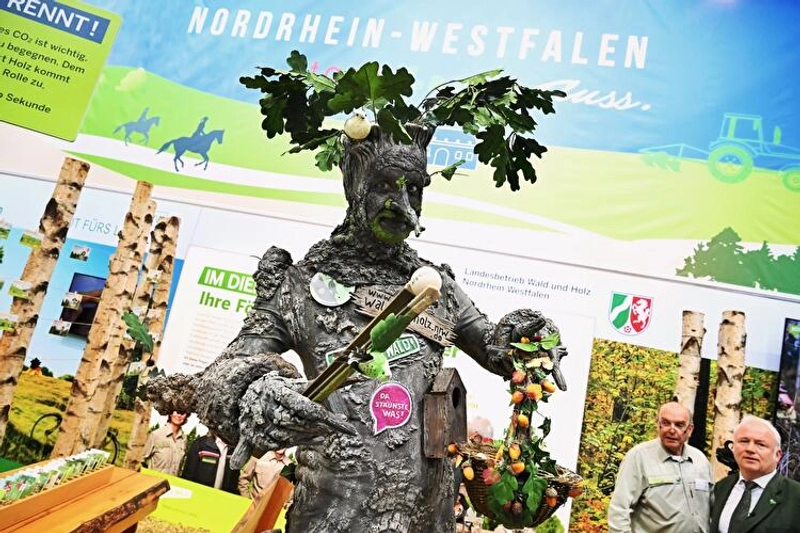
Countryside tourism and agritourism offers, showcasing farm stays, local experiences, and regional traditions
Forestry, fisheries, and horticultural innovations, including plant breeding, pest management, and soil health
Through these offerings, IGW demonstrates how agriculture is evolving, embracing technological advancements while maintaining ecological responsibility. The fair emphasizes the need for sustainability in food production, which resonates with both industry professionals and the increasingly eco-conscious general public.
Networking, Education, and International Exchange
Another defining aspect of IGW is its role as a meeting point for global professionals. The fair attracts representatives from agriculture, forestry, horticulture, fisheries, and the food industry from across Europe and beyond. For these attendees, IGW is an essential platform for networking, knowledge exchange, and establishing international collaborations.
Participants benefit from:
Workshops and seminars on emerging trends in agriculture and food production
Business matchmaking opportunities, connecting suppliers, producers, and distributors
Expert consultations on sustainability, export regulations, and market expansion
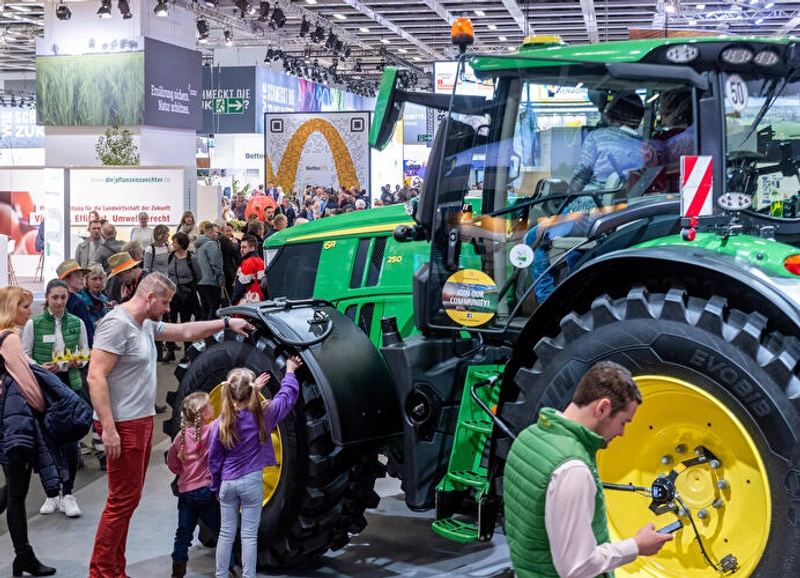
Live demonstrations, showcasing modern technologies and farming techniques
Through these interactions, IGW fosters international dialogue and contributes to the global development of sustainable agriculture.
Public Engagement and Cultural Experience
IGW is not just for professionals. The fair attracts a broad audience of visitors from Germany and neighboring countries, offering them a chance to experience international food cultures and learn about sustainable consumption. Visitors can enjoy:
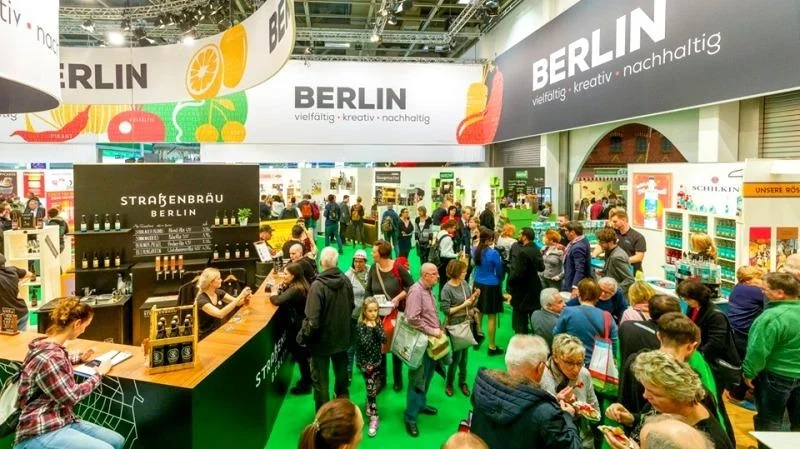
Tasting sessions with local and global delicacies
Presentations of agritourism and rural travel opportunities
Educational programs on environmental awareness and resource efficiency
Exhibitions highlighting innovations in horticulture and renewable energy
This combination of professional and public engagement makes IGW a unique fair, blending industry development with cultural and culinary exploration.
A Platform Shaping the Future of Food and Agriculture
Ultimately, the International Green Week Berlin represents more than just a trade fair. It is a dynamic platform where tradition meets modernity, offering insights into the future of sustainable agriculture, horticulture, and food production. By bringing together international experts, producers, and the public, IGW encourages the adoption of innovative solutions, ecological practices, and responsible consumption.
For companies, it is an opportunity to showcase expertise, promote products, and expand market reach. For professionals, it is a chance to exchange knowledge, form partnerships, and explore new trends. And for visitors, it is a gateway to experiencing global culinary traditions and learning about sustainable food systems.
With its long history, international scope, and commitment to sustainability, IGW remains one of the most influential events in the global food and agriculture sector, shaping conversations and trends year after year.
Why International Green Week Matters for B2B Why International Green Week Matters for B2B
Agricultural Machinery
About
The International Green Week (IGW) Berlin is a premier global event showcasing innovations in food, agriculture, and horticulture, combining product exhibitions with sustainability-focused initiatives and cultural experiences. It serves as a platform for professionals to network, explore sustainable practices, and discover emerging trends in farming and food production while offering the public immersive access to international cuisines and eco-conscious lifestyles.
Who Should Attend
Professionals in agriculture, food production, horticulture, and sustainability should attend to network, explore innovations, and expand market reach. Enthusiasts and the general public interested in global food cultures and sustainable living will also benefit from the diverse culinary experiences and educational programs.
Similar Events
 Closed
 Inside The 139th Canton Fair: B2B Key Insights
 Closed
 Why EXPO PETROTRANS Matters for B2B
 Closed