

Filters
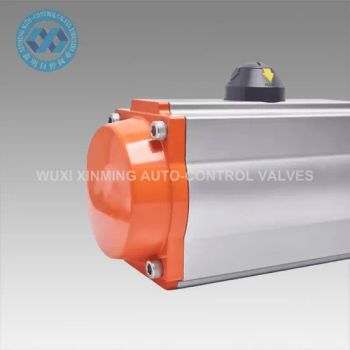
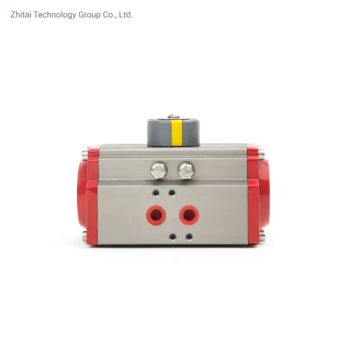
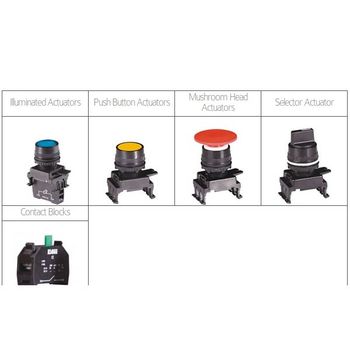
127 results for “Actuators products found from trusted suppliers, wholesalers, manufacturers & exporters”
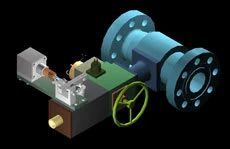

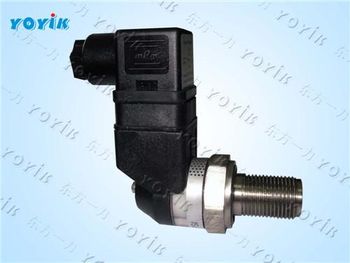

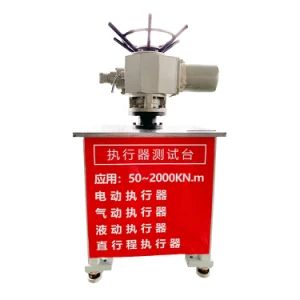
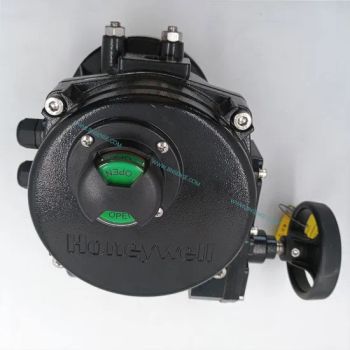
Honyeywell NOM16H0200 Eelectric Actuators For Butterfly Valves NOM...H...SERIES
$1 - $699
Min. order: 1 Piece
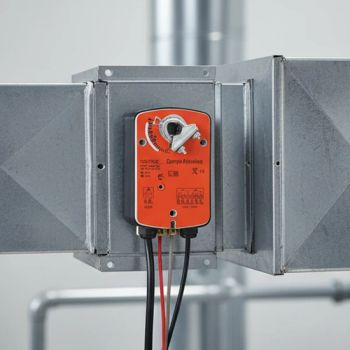
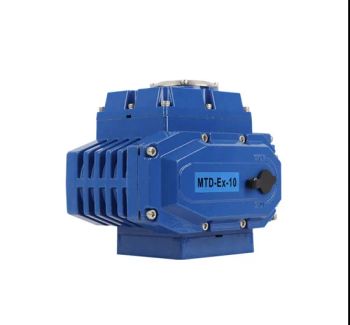
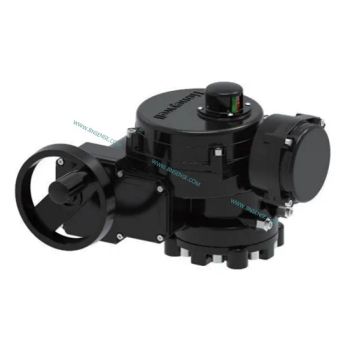
Honyeywell NOM16H0200P Modulating Type Eelectric Actuators For Butterfly Valves NOM...H...SERIES
$1 - $699
Min. order: 1 Piece
Price History for Product from Global
Frequently Asked Questions (FAQs)
How do I choose the right actuator for my industrial application?
Actuators are mechanical devices that convert energy—typically electrical or pneumatic—into controlled motion, and common types include linear, rotary, and pneumatic actuators, known for reliability and precision in automation. Conceptually, actuators are structured by motion type, power source, and environmental tolerance, where motion type determines application (e.g., opening valves or moving arms), and power source influences efficiency and maintenance needs. Procedurally, buyers should filter by motion type and power source on a B2B site like Freshdi, then compare specs such as stroke length, torque, and operating temperature; for example, selecting a linear actuator with a 50mm stroke for a packaging machine or a rotary actuator with 90° torque for a robotic arm. To verify, buyers must ask suppliers for certification details (e.g., ISO 9001) and request test data on performance under load, such as a sample performance report for a pneumatic actuator in a humid environment or a torque curve for a rotary unit under continuous operation.
Which actuators are most trusted by buyers on Freshdi, and what certifications or trade terms are commonly used in B2B deals?
Buyers on Freshdi typically look for actuators from suppliers with proven experience in international markets, such as those operating for over 10 years and exporting to key regions like Asia and North America. Common reliability signals include ISO 9001 certification, CE marking, and compliance with industry standards like IEC 60269. Trade terms frequently involve FOB Shanghai or FOB Singapore, with payment terms often set at 30% advance payment and 70% against bill of lading.
Which actuators are best for industrial automation systems, and what industries commonly use them?
Actuators are mechanical devices that convert energy into motion, enabling control in systems like valves, robotics, and conveyors; common subcategories include pneumatic, electric, and hydraulic actuators. These are widely used in manufacturing, agriculture, packaging, and energy sectors where precise movement and control are essential. For example, a plant engineer in a food packaging facility may need electric actuators to automate gate openings in filling lines, triggered by production volume increases, while a maintenance technician in a chemical plant might seek pneumatic actuators for valve control in high-pressure environments. Freshdi provides a B2B directory of suppliers offering a range of actuators across these applications.
Which countries are the primary import markets for pneumatic actuators, and what are the most commonly exported variants with their material composition and performance specs?
Pneumatic actuators are primarily imported into North America, Europe, and Southeast Asia, where demand is driven by industrial automation and manufacturing sectors. Commonly exported variants include double-acting pneumatic cylinders (trade name: "double-acting cylinder"), rodless pneumatic actuators (trade name: "rodless actuator"), and linear actuators with stainless steel construction (trade name: "stainless steel linear actuator"). These variants are typically specified by suppliers with material composition (e.g., stainless steel 304 or 316), stroke length (e.g., 50mm to 500mm), and operating pressure (e.g., 6–8 bar). North America and Europe show strong preference for stainless steel variants due to corrosion resistance, while Southeast Asia favors cost-effective aluminum or carbon steel models. Suppliers on Freshdi list these attributes transparently, enabling buyers to verify material quality, performance specs, and regional suitability—ensuring reliable sourcing with clear product specifications and verified trade data.
You may like
You may like