

Filters
121 results for “Additive Manufacturing products found from trusted suppliers, wholesalers, manufacturers & exporters”


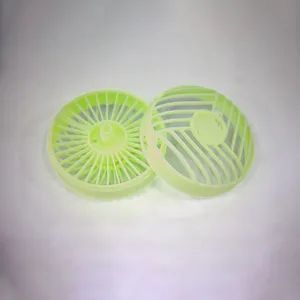
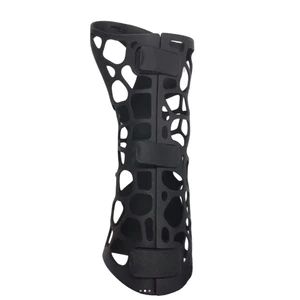


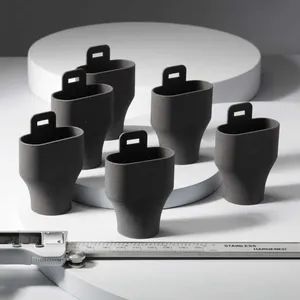

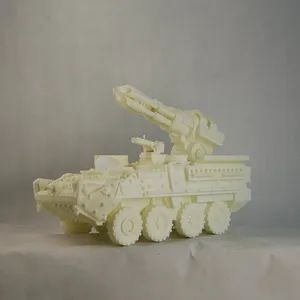




Price History for Product from Global
Frequently Asked Questions (FAQs)
How do I evaluate additive manufacturing solutions when sourcing from a B2B supplier?
Additive manufacturing, also known as 3D printing, is a process that builds objects layer by layer using digital models and materials like plastics, metals, or composites—commonly used in prototyping, aerospace, and medical devices. Conceptually, it is structured into subtypes such as FDM, SLS, and SLA, each defined by material, precision, and application, with key attributes like build volume, resolution, and cycle time directly influencing performance and cost. Procedurally, buyers should filter suppliers by specifying required technology type, material compatibility, and production volume on a B2B platform, then review sample outputs and certifications—such as ISO 9001 or ASTM standards—for validation; for example, a medical device company might seek SLS metal parts with high surface finish, while a consumer product firm may prioritize FDM plastic parts with low cost and fast turnaround. To verify, buyers must ask suppliers for detailed technical specifications, including material composition and layer thickness, and confirm compliance with industry standards like ISO 2768 or ASTM F2792—such as requesting a test print sample and a certificate of analysis for a specific part.
Which countries are the primary import markets for additive manufacturing parts, and what are the most commonly exported variants with their material composition and destination-market preferences?
Additive manufacturing parts are primarily imported into North America, Europe, and Asia-Pacific, with North America showing strong demand for high-precision metal parts (e.g., titanium and stainless steel) used in aerospace and medical applications. Commonly exported variants include Ti-6Al-4V (trade name: "Titanium Grade 5"), 316L stainless steel (trade name: "316L SS"), and ABS plastic (trade name: "ABS Engineering Plastic"), with suppliers typically listing material composition, part dimensions (e.g., 100mm x 50mm x 20mm), and surface finish (e.g., polished or machined). Titanium Grade 5 is preferred in Europe and North America for aerospace components, while 316L SS is widely used in Asia-Pacific for industrial machinery, and ABS is dominant in North America for prototyping and consumer goods. These preferences are supported by verified B2B trade data from Freshdi, where material-specific listings show consistent demand patterns across regions.
Which industries use additive manufacturing, and how can businesses find reliable suppliers for additive manufacturing solutions on Freshdi?
Additive manufacturing, also known as 3D printing, is a technology that builds objects layer by layer from digital models, with subcategories including metal 3D printing, plastic 3D printing, and ceramic 3D printing. It is widely used in aerospace, automotive, medical devices, and industrial tooling for prototyping, custom parts, and low-volume production. Buyers in these industries often seek suppliers offering precision, material compatibility, and scalable solutions. For example, a mechanical engineer at an automotive parts manufacturer may search for additive manufacturing suppliers to produce custom engine components quickly, while a medical device startup might look for reliable partners to create patient-specific implants. Freshdi serves as a B2B platform where businesses can discover and connect with verified suppliers offering additive manufacturing services across these key sectors.
Which additive manufacturing suppliers on Freshdi have proven export experience and what certifications should I look for to ensure reliability?
On Freshdi, buyers can evaluate additive manufacturing suppliers based on verified export experience, with reliable suppliers typically having at least 5 years of operation and proven exporting to key regions like the U.S. and Germany. Common credibility signals include ISO 9001 for quality management, ISO 13485 for medical device compliance (where applicable), and AS9100 for aerospace standards—these certifications are frequently required by industrial buyers to validate product consistency and compliance. Trade terms commonly include FOB Shanghai and FOB Hamburg, with payment terms often set at 30% advance payment and 70% upon shipment completion, reflecting standard B2B transaction practices in the region.
You may like
You may like