

Filters
1,282 results for “Additives for the Food Industry (Other) products found from trusted suppliers, wholesalers, manufacturers & exporters”




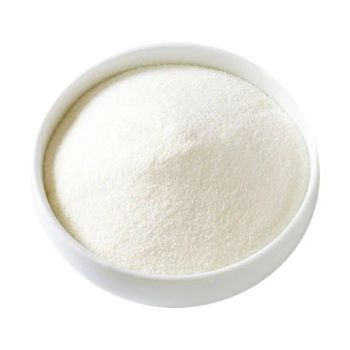
Food Grade Additives Saccharin Sodium Sweeteners for Food and Beverage Industry
$4.53 - $4.82
Min. order: 1000 kg

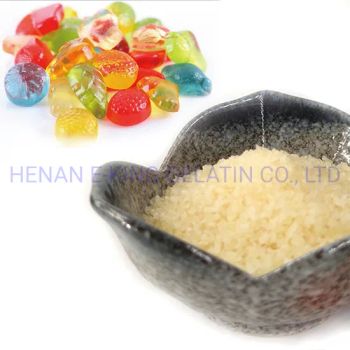
Food Grade Gelatin for Soft Candies Gummy Cake and Other Food Industry
$4.5 - $8.9
Min. order: 1000 kg
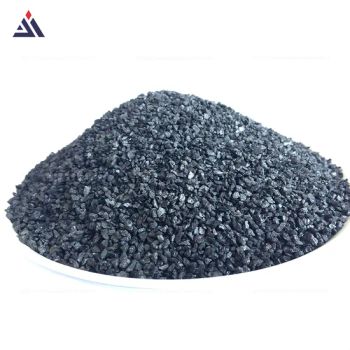
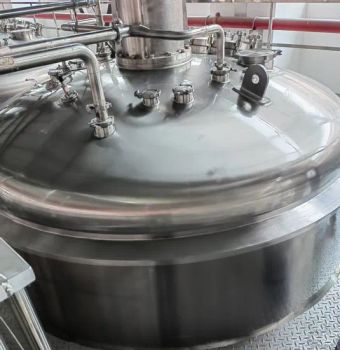
Improve Solution Uniformity The Mixing Tank Machine for Food, Medicine and Other
$5,000 - $1,000,000
Min. order: 1 Set

Corrosion-Resistant Materials The Mixing Tank Machine for Food, Medicine and Other
$5,000 - $1,000,000
Min. order: 1 Set
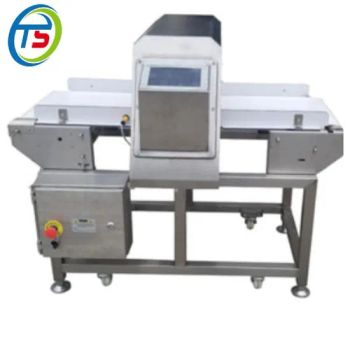
Metal Detectors for Automatic Rejection of Conveyor Belts for The Food Industry.
$4,299 - $10,000
Min. order: 1 Piece
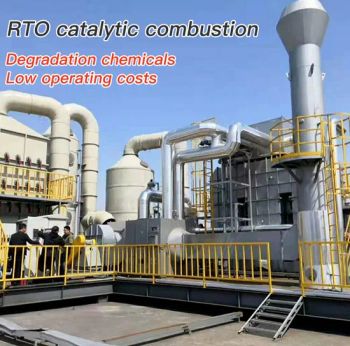
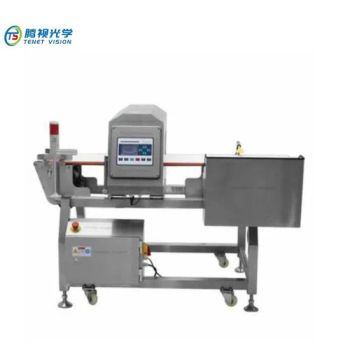
High-Precision Touchable Conveyor Belt Metal Detector for The Food Industry
$4,299 - $10,000
Min. order: 1 Piece
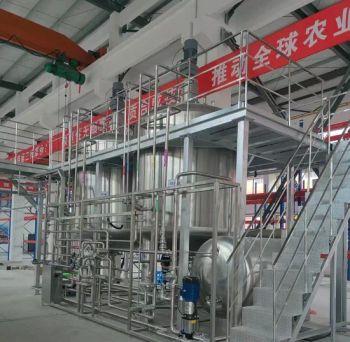
High-Precision Sensors The Mixing Tank Machine for Food, Medicine and Other Industries
$5,000 - $1,000,000
Min. order: 1 Set
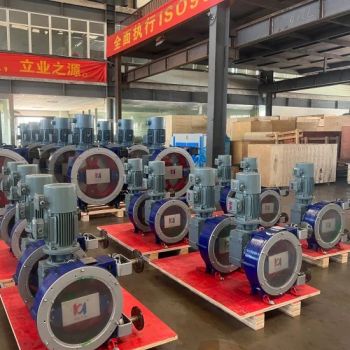
Peristaltic Hose Squeeze Pumps for Processing & Transfer in The Food & Beverage Industry
$1,000 - $2,500
Min. order: 1 Piece
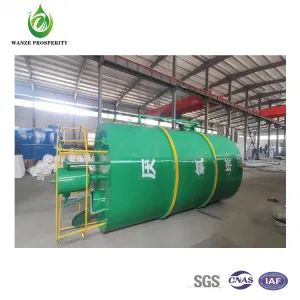
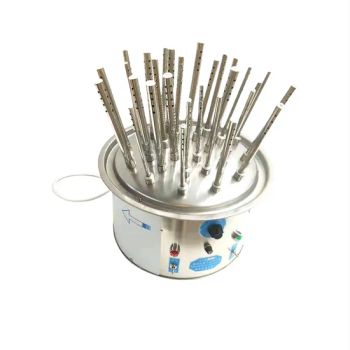
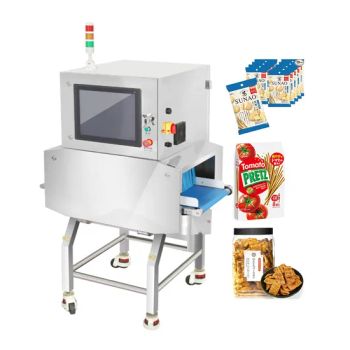
Jzxr Xr-500d Small X-ray Inspection System Industrial Metal Detectors for The Food Industry
$16,500 - $18,000
Min. order: 1 Piece

Price History for Product from Global
Frequently Asked Questions (FAQs)
Which additives for the food industry are available through Freshdi, and which industries commonly use them?
Freshdi offers additives for the food industry (other), a category that includes non-core or specialized ingredients not covered under major subcategories like preservatives, flavorings, or colorants. These additives are used across diverse industries such as dairy, confectionery, beverages, and processed meats to enhance shelf life, texture, or sensory properties. For example, a food safety officer in a dairy processing plant may seek these additives to maintain product consistency during storage, while a product development manager in a snack food company might look for them to improve texture or stability during production.
How do I choose the right additives for the food industry beyond the common types?
Additives for the Food Industry (Other) refer to non-essential, non-controversial substances like preservatives, stabilizers, and flavor enhancers used to improve shelf life, texture, or taste without altering the core composition of food. Conceptually, this category is structured around functional attributes such as solubility, pH stability, and compatibility with food matrices, where each additive serves a specific role in processing or sensory quality. To source these effectively on a B2B platform, first filter by "food industry" and "non-essential additives," then review product specifications like safety certifications, dosage ranges, and compliance with international standards—such as FDA or EFSA—before selecting; for example, look for a sodium benzoate entry with a clear dosage range of 0.1% to 0.2% and a certificate of analysis. Always verify supplier credentials by asking for a certificate of analysis (CoA) and confirming compliance with local food safety regulations, such as requesting a CoA for a specific additive batch or confirming that the supplier provides third-party testing results for a product like a natural antioxidant.
Which additives for the food industry are available through Freshdi, and what certifications should I look for to ensure reliability in a B2B supply deal?
Freshdi offers a range of additives for the food industry under its B2B platform, and buyers should look for key certifications such as ISO 22000, HACCP, and FDA registration to verify reliability and compliance in food safety standards—these are commonly expected credentials in B2B food additive sourcing. Suppliers with proven experience in international trade, particularly with operations in China and the United States, are typically trusted for consistent supply, and common trade terms include FOB Shanghai and FOB Los Angeles, with payment terms often set at 30% advance payment and 70% against bill of lading.
Which countries are the main import markets for additives used in the food industry, and what are the most commonly exported variants with their trade names and key supplier attributes?
The primary import markets for additives in the food industry include China, the United States, and Germany, where demand is driven by large-scale food manufacturing and strict regulatory compliance. Commonly exported variants include calcium propionate (trade name: "Propionic Acid Additive"), sodium benzoate (trade name: "Sodium Benzoate Preservative"), and monosodium glutamate (trade name: "MSG Flavor Enhancer"). Suppliers typically list these products by material composition (e.g., 99.5% purity), color (white or off-white), and form (powder or granule), with key performance specs such as shelf life, pH stability, and solubility. Calcium propionate is especially favored in North America and Europe for its effectiveness in preventing mold in baked goods, while sodium benzoate is widely used in Asia-Pacific for preserving acidic foods. These variants are consistently exported from China and India, with China dominating in high-purity powder forms and India in cost-effective granular versions, reflecting regional preferences for cost-efficiency and regulatory alignment.
You may like
You may like