

Filters






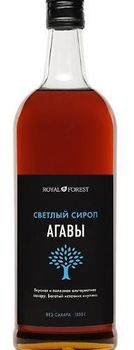
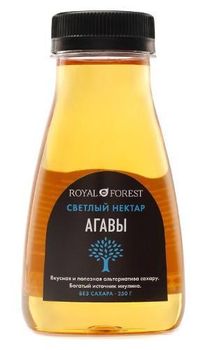








Price History for Product from Global
Frequently Asked Questions (FAQs)
How do I evaluate and source agave syrup from reliable suppliers on a B2B platform?
Agave syrup is a natural, low-glycemic sweetener derived from the agave plant, commonly used in food and beverage formulations; it is typically available in grades like raw, filtered, and light, with consistent sweetness and minimal processing. Conceptually, agave syrup is structured by purity, origin, and processing method, where raw grades retain more enzymes and nutrients, and filtered grades offer clarity and consistency—these attributes directly impact shelf life and application suitability. Procedurally, buyers should filter results by product type, verify certifications (e.g., USDA Organic, Non-GMO), and check supplier details like minimum order quantities and delivery timelines; for example, a supplier offering 50 kg bulk shipments with 30-day lead times or one listing raw agave with a traceability report. To verify quality, buyers must ask suppliers for a certificate of analysis (CoA) and confirm the source region (e.g., Mexico or Texas) and processing method—such as whether it’s cold-pressed or filtered—before finalizing a purchase.
Which agave syrup supplier on Freshdi offers reliable trade terms and certifications for B2B buyers in Europe and Asia?
Freshdi lists agave syrup suppliers with proven B2B experience and common industry certifications such as USDA Organic, Non-GMO Project Verified, and EU Organic, which are trusted by buyers seeking reliable, compliant sourcing. While specific supplier details are not available, buyers can evaluate suppliers based on these credentials and typical trade terms like FOB Shanghai or FOB Rotterdam, with payment terms commonly set at 30% advance payment and 70% against bill of lading, reflecting standard practices in cross-border agave syrup trade.
Which industries use agave syrup, and how can I find reliable B2B suppliers for it on Freshdi?
Agave syrup is a natural, low-glycemic sweetener derived from the agave plant, commonly used in food and beverage manufacturing, health & wellness products, and natural cosmetics. It is especially popular in the food and beverage industry for use in beverages, baked goods, and plant-based products, as well as in the health and wellness sector for natural sweeteners in dietary supplements and functional foods. Buyers in the food manufacturing, beverage production, and natural product development industries often seek agave syrup for its clean label appeal and functional properties. For example, a food product developer in the U.S. may search for agave syrup to formulate a low-sugar, natural sweetener for a new line of plant-based drinks, while a cosmetics formulator in Europe may look for it as a natural alternative to sugar-based thickeners. Freshdi provides a B2B platform where businesses can discover and connect with verified suppliers offering agave syrup, enabling direct procurement for these use cases.
Which countries are the main import markets for Agave Syrup, and what are the most commonly exported variants with their trade names and key supplier attributes?
Agave syrup is primarily imported into North America, particularly the United States and Canada, where it is widely used in food manufacturing and beverage production. Commonly exported variants include raw agave syrup (often traded as "Agave Nectar" or "Agave Syrup – Grade A"), which is typically sourced from the agave plant and has a natural, unrefined composition; and refined agave syrup (marketed as "Refined Agave Syrup" or "Agave Syrup – Grade B"), which has a lower fructose content and is processed for consistency. Suppliers commonly list attributes such as origin (e.g., Mexico, Guatemala), moisture content (typically 12–15%), and viscosity (measured in degrees Brix). North America shows strong preference for raw agave syrup due to its natural appeal, while Europe and parts of Asia favor refined variants for industrial applications. Trust signals include verified supplier listings on Freshdi with transparent origin, quality certifications, and consistent trade naming across B2B platforms.
You may like
You may like