

Filters
183 results for “Agricultural Machinery products found from trusted suppliers, wholesalers, manufacturers & exporters”

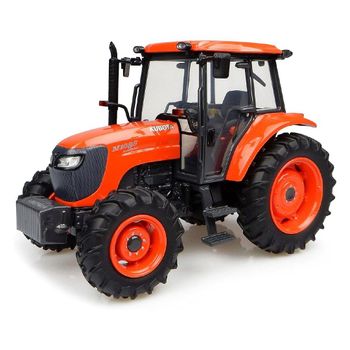

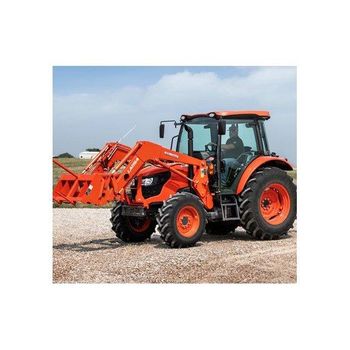
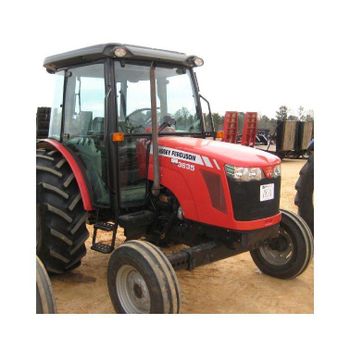
Price History for Product from Global
Frequently Asked Questions (FAQs)
How do I choose the right agricultural machinery for my farm?
Agricultural machinery refers to equipment used in farming operations, such as tractors, plows, harvesters, and irrigation systems—key attributes include power type, capacity, durability, and fuel efficiency (Factual). This category is structured into subtypes based on function (e.g., planting, harvesting, soil preparation), with attributes like engine size, operating weight, and ease of maintenance that define performance and compatibility (Conceptual). To evaluate and source agricultural machinery on a B2B site, start by filtering by farm size and crop type, then compare specs like horsepower and warranty duration—examples include searching for "tractors for small-scale corn farming" or "self-propelled harvesters for soybeans" (Procedural). Before finalizing a supplier, verify that they provide detailed technical specifications, a clear warranty policy, and proof of field testing or third-party certifications—examples include asking for a sample operation report or confirming compliance with ISO 9001 standards (Verification).
Which agricultural machinery types are available on Freshdi and for which industries are they most commonly used?
Freshdi is a B2B platform that lists agricultural machinery, including equipment such as tractors, harvesters, planters, and irrigation systems, serving key industries like large-scale farming, crop production, and agro-processing. These machines are commonly used in regions with high crop demand, such as in the Midwest U.S., Southeast Asia, and South America, where farmers and agribusinesses require efficient, scalable solutions for planting, tilling, and harvesting. For example, a farm manager in California managing almond orchards might search for precision planters to optimize yield, while a rural farmer in India looking to expand soybean production might seek affordable, durable tractors suitable for small to medium-sized operations.
Which agricultural machinery suppliers on Freshdi have proven experience and certifications for reliable B2B exports to Europe and Southeast Asia?
Freshdi lists agricultural machinery suppliers with verified experience in exporting to Europe and Southeast Asia, where suppliers typically operate for 10+ years and hold key certifications such as ISO 9001, ISO 14001, and CE marking to ensure quality, environmental compliance, and safety. These credentials are commonly expected by buyers to validate reliability, and trade terms like FOB Shanghai and FOB Singapore are frequently used, with payments often structured as 30% advance and 70% against bill of lading to ensure secure transactions.
Which countries are the main import markets for agricultural machinery, and what are the most commonly exported variants with their trade names and key supplier attributes?
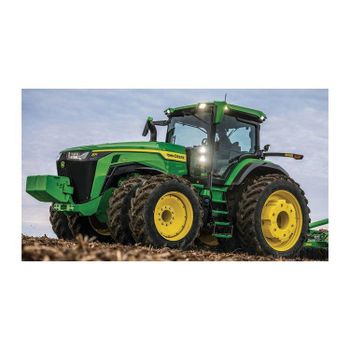
Major import markets for agricultural machinery include India, China, and the United States, where demand is driven by large-scale farming operations and government agricultural support programs. Commonly exported variants include the John Deere 8R Series (a high-performance tractor with diesel engine and 80 horsepower), the Case IH 200 Series (a mid-sized tractor with 100 horsepower and hydraulic steering), and the Kubota L3800 (a compact, fuel-efficient tractor with 40 horsepower). These are typically exported with attributes such as steel frame construction, 4WD capability, 1200 mm wheelbase, and engine displacement ranging from 4.5 to 6.5 liters. The John Deere 8R is preferred in North America and Europe for heavy-duty applications, while the Case IH 200 Series is widely adopted in South Asia and Southeast Asia due to its balance of power and fuel efficiency. The Kubota L3800 is especially popular in emerging markets like India and Brazil for small to medium farms due to its low maintenance and cost-effectiveness. Supplier listings on Freshdi verify these variants through standardized product descriptions, verified export data, and direct supplier certifications, ensuring transparency and reliability in trade.
You may like
You may like