

Filters
110 results for “Aluminium Ash products found from trusted suppliers, wholesalers, manufacturers & exporters”















Price History for Product from Global
Frequently Asked Questions (FAQs)
How do I evaluate and source aluminium ash on a B2B platform?
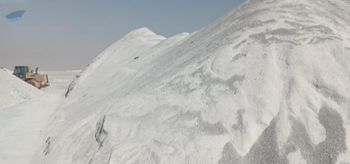
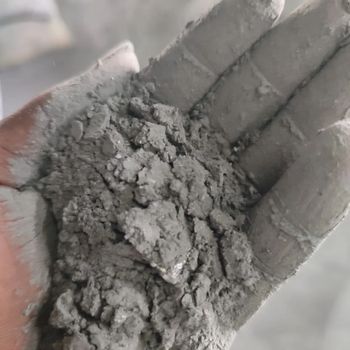
Aluminium ash is a byproduct of aluminium smelting, typically composed of non-metallic residues like silica and alumina, with safe, non-toxic and recyclable attributes (Factual). It is structured into subtypes based on chemical composition, particle size, and moisture content, where key attributes like purity, density, and particle distribution influence its industrial applications such as in construction or soil stabilization (Conceptual). To source it effectively, search using keywords like "aluminium ash industrial byproduct" and filter by certifications, origin, and test reports; for example, look for suppliers offering ISO 9001 or environmental compliance documentation, and compare sample data sheets from at least two vendors (Procedural). Before finalizing a supplier, verify they provide third-party test reports confirming chemical composition and moisture levels, and confirm their ash is free from hazardous contaminants—such as heavy metals—by asking for lab analysis results and origin details (Verification).
Which countries are the main import markets for aluminium ash, and what are the most commonly exported variants with their key attributes and trade names?
Aluminium ash is primarily imported in Asia, especially in China, India, and Southeast Asian countries, where it is used in construction and industrial applications. Commonly exported variants include raw aluminium ash (trade name: "aluminium slag"), fine-grained aluminium ash (trade name: "alumina residue"), and high-purity aluminium ash (trade name: "aluminium oxide byproduct"), with typical supplier attributes including material composition (aluminium oxide ≥40%), particle size (0.075–2 mm), and moisture content (<5%). Raw aluminium ash is most frequently exported to China and India, while fine-grained variants are preferred in Southeast Asia for use in cement additives, and high-purity ash is targeted at European markets for use in ceramics and refractory materials. These variants are consistently listed in B2B supplier databases with verified material specs and origin certifications, ensuring traceability and compliance with regional industrial standards.
What is aluminium ash and which industries use it, and where can I find reliable suppliers?
Aluminium ash is a byproduct of aluminium production, typically containing fine particles of alumina and other metallic oxides, and is commonly used in industries such as construction, ceramics, and cement manufacturing due to its high alumina content. It is often categorized under industrial byproducts and is available through B2B platforms like Freshdi, which lists suppliers offering aluminium ash for reuse in materials like refractory bricks, aggregates, and insulation. A facilities manager at a cement plant in India may search for aluminium ash to reduce raw material costs and meet sustainability goals, while a materials engineer at a ceramics manufacturer in Germany might look for it to improve product strength and reduce waste.
Which aluminum ash suppliers on Freshdi offer verified certifications and common trade terms for shipping to China and Rotterdam?
Freshdi lists aluminum ash suppliers with verified industry credentials such as ISO 9001, ISO 14001, and CE certification, which are commonly expected to establish reliability in B2B deals. Buyers typically look for suppliers with proven experience in exporting to key markets like China and Rotterdam, where trade terms such as FOB Shanghai and FOB Rotterdam are most frequently used, and payment terms like 30% advance, 70% before shipment are standard.
You may like
You may like