

Filters
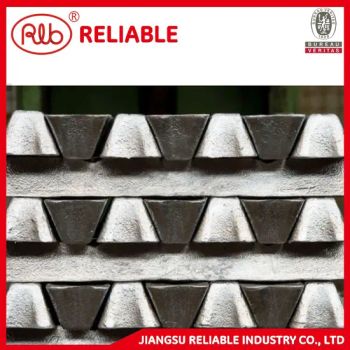
194 results for “Aluminum Alloys products found from trusted suppliers, wholesalers, manufacturers & exporters”
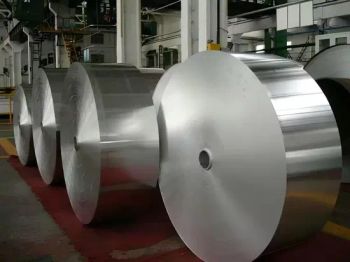

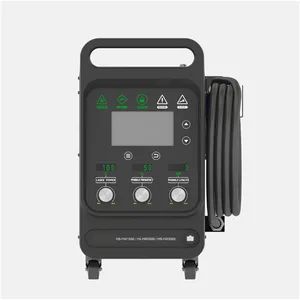
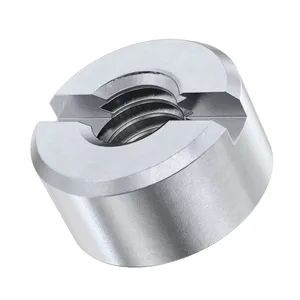
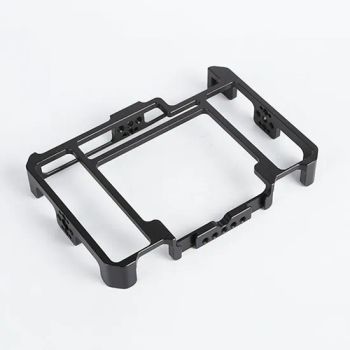

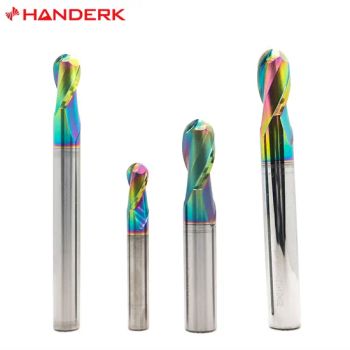
Handerk 55HRC Ball Nose End Mill 2 Flute for Aluminum Alloys Dlc Coated Design
$0.85 - $38.53
Min. order: 5 Piece
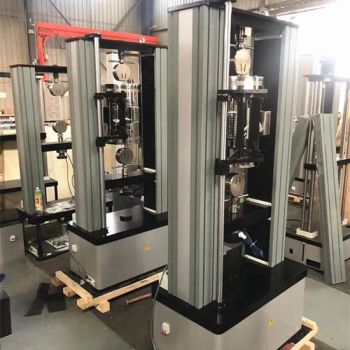
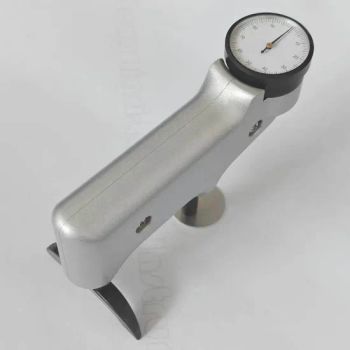
Textile/Rubber/Aluminum Alloys Material Burst Tensile Strengh Testing Instruments
$6,666 - $15,000
Min. order: 1 Piece
Price History for Product from Global
Frequently Asked Questions (FAQs)
How do I choose the right aluminum alloys for my manufacturing application?
Aluminum alloys are metal compositions primarily made from aluminum, combined with elements like copper, magnesium, or silicon to enhance strength, corrosion resistance, and formability—common attributes include high strength-to-weight ratio, excellent machinability, and good thermal conductivity. Conceptually, these alloys are structured into subtypes such as 6000, 7000, and 2000 series, each optimized for specific applications like aerospace, automotive, or construction, where mechanical properties and environmental performance are key. Procedurally, buyers should filter B2B listings by material type, specify required tensile strength and temperature resistance, and compare supplier certifications—e.g., selecting a 6061-T6 alloy for structural parts or a 7075-T6 for high-stress aerospace components. To verify, buyers must ask suppliers for material test reports (MTRs), chemical composition data, and compliance with standards like ASTM or ISO, such as requesting a certified MTR for a 5052-H32 alloy used in marine environments.
Which aluminum alloys are best for use in automotive manufacturing, and where can I find suppliers on Freshdi?
Aluminum alloys are metal materials made from aluminum combined with other elements to enhance strength, corrosion resistance, and performance, commonly used in subcategories like 6000, 7000, and 2000 series alloys. These are widely adopted in industries such as automotive, aerospace, construction, and packaging due to their lightweight, durability, and cost-efficiency. A mechanical engineer at a Tier 1 automotive supplier in Germany is evaluating aluminum alloys for chassis components, where weight reduction and fatigue resistance are critical. A manufacturing manager at a packaging company in India is sourcing aluminum for beverage cans, needing materials with high formability and corrosion resistance—both common use cases for aluminum alloys on Freshdi.
Which aluminum alloys are most commonly exported to Asia and Europe, and what are the key material compositions and grades used in those markets?
Aluminum alloys such as 6061, 7075, and 3003 are widely traded, with 6061 (commonly known as "6061-T6") and 7075 (often referred to as "7075-T6") being top exports to Asia and Europe. Suppliers typically list these variants by material composition (e.g., Al-Mg-Si or Al-Zn-Mg), with 6061 offering good corrosion resistance and formability, and 7075 providing high strength-to-weight ratio. 3003 is frequently used for its cost-effectiveness and good weldability. Export data shows that 6061-T6 is dominant in Asia (especially China and India) for structural applications, while 7075-T6 is preferred in Europe (particularly Germany and the UK) for aerospace and high-stress components. These variants are consistently listed with clear material grades and mechanical properties in B2B supplier catalogs, and Freshdi verifies supplier data through verified trade listings and export volume tracking.
Which aluminum alloys are most commonly supplied by reliable B2B suppliers on Freshdi, and what certifications should I look for to ensure quality and trust?
Reliable aluminum alloy suppliers on Freshdi typically have at least 5–10 years of operation and proven export experience in key regions like China and India, which signals stability and market readiness. Buyers commonly verify supplier credibility through certifications such as ISO 9001 (quality management), ISO 14001 (environmental management), and ASTM standards for material specifications. Trade terms often include FOB Shanghai or FOB Mumbai, with payment terms typically set at 30% advance payment and 70% before shipment.
You may like
You may like