


Filters
129 results for “Used Cranes products found from trusted suppliers, wholesalers, manufacturers & exporters”
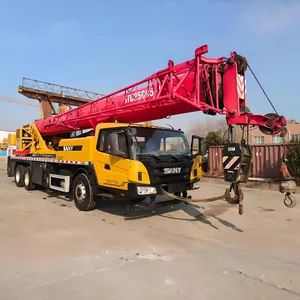

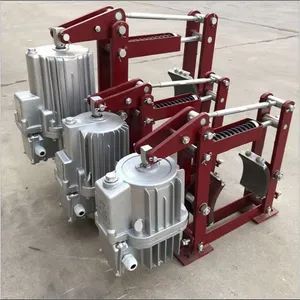
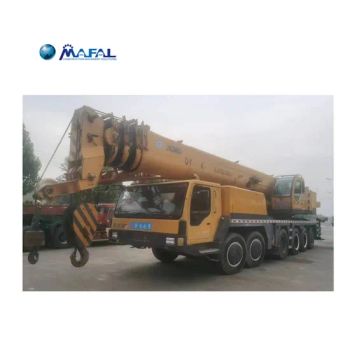
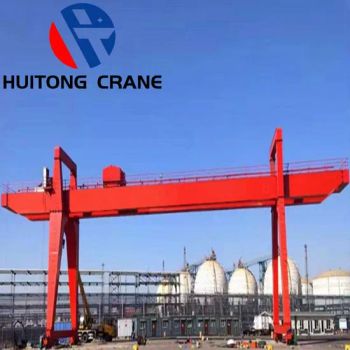
Exclusively Used in Terminals and Harbors Single Girder Gantry Cranes
$3,000 - $30,000
Min. order: 1 Set
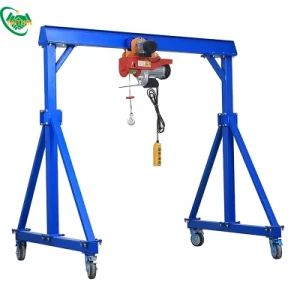
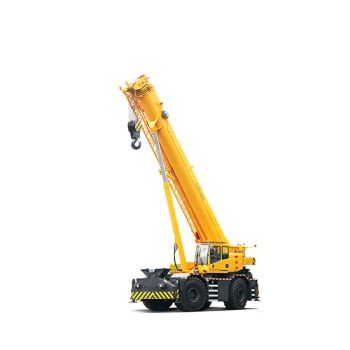
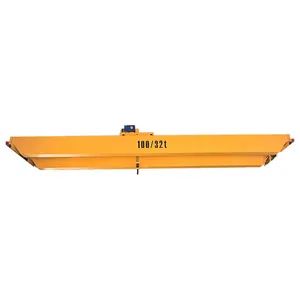
Bridge Crane Feature Double Girder Overhead Crane 5ton 10ton 20 Ton Price
$6,000 - $6,500
Min. order: 1 pieces
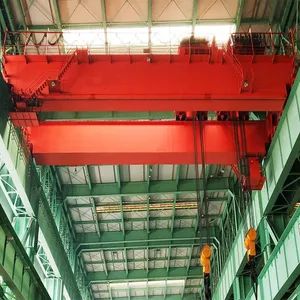
China Manufacturer Supply Electric Double Girder Overhead Crane Bridge Crane
$6,000 - $6,500
Min. order: 1 pieces
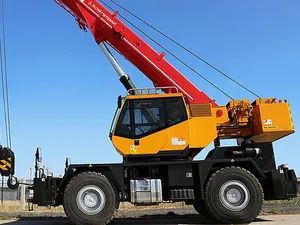
35 Ton Mobile Hydraulic Rough Terrain Crane Truck Crane Src350 with Hot Sale
$146,000 - $172,000
Min. order: 1 unit
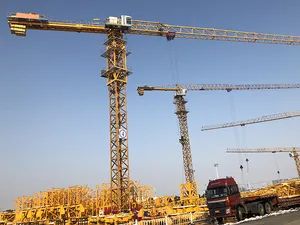
Construction Machinery 16ton Tower Crane Xgt8020-16 with Good Quality
$135,000 - $158,000
Min. order: 1 unit
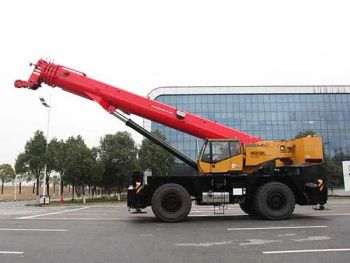
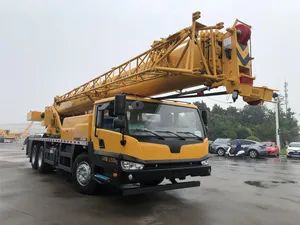
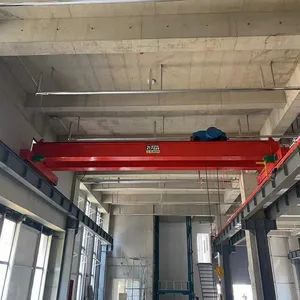
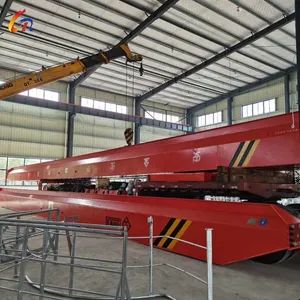
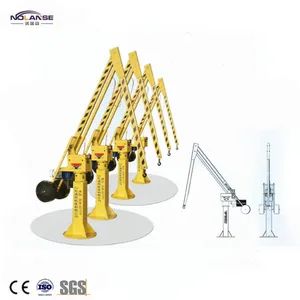
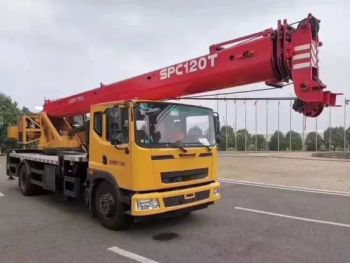
12tons Adjustable Hydraulic System Mobile Crane of Mini Truck Crane Spc120t
$54,800 - $55,000
Min. order: 1 Piece
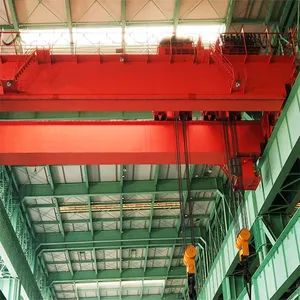
Double Girder Overhead Crane Warehouse Lifting Machine Double Beam Bridge Crane
$6,000 - $6,500
Min. order: 1 pieces
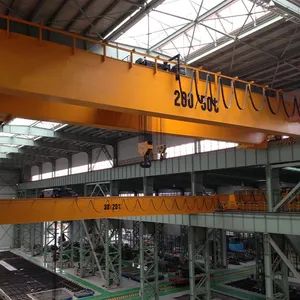
100ton Overhead Crane Double Grider Workshop Lifting Equipment Overhead Crane 5 Ton 20 Ton
$6,000 - $6,500
Min. order: 1 pieces
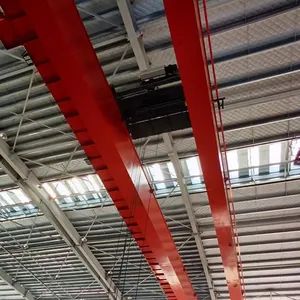
10 Ton Overhead Double Girder Bridge Crane Motor Gear Engine Used for Construction Workshops
$6,000 - $6,500
Min. order: 1 pieces

Bridge Crane Work Specifications Double Girder Bridge 20 5 Ton Overhead Crane
$6,000 - $6,500
Min. order: 1 pieces
Price History for Product from Global
Frequently Asked Questions (FAQs)
Who are the world's leading exporters of used cranes and top global suppliers in the B2B wholesale market?
China, the United States, and Germany dominate the global used cranes export market, with China leading in volume and price competitiveness, followed by the U.S. and Germany in terms of technical specifications and reliability. These key players serve as top wholesale suppliers for international buyers seeking cost-effective, well-maintained cranes. The global trend shows increasing demand for used cranes in emerging markets, driven by infrastructure development and cost efficiency. Buyers can access reliable wholesale options through platforms like Freshdi.com for seamless B2B sourcing and export logistics.
How do I find and verify reliable suppliers for used cranes?
To find reliable used crane suppliers, use trusted B2B platforms like Alibaba, Global Sources, and Freshdi.com to access verified wholesale listings. Prioritize suppliers with proven reputation, clear documentation, and key certifications such as ISO 9001 and OEM compliance. Always check mechanical condition, service history, and operational capacity as key attributes. Request on-site inspections or video tours, and verify through factory audits or test runs. Secure transactions via Letters of Credit or Trade Assurance to ensure safety. Avoid suspiciously low pricing—reputable suppliers offer transparent terms, full compliance, and direct manufacturer access for reliable sourcing.
How do I buy wholesale used cranes on B2B marketplaces?
To buy wholesale used cranes, start by identifying verified manufacturers or dealers with proven track records and equipment certifications (e.g., ISO, OSHA). Filter for suppliers offering bulk sourcing options with clear technical specs—such as lifting capacity, boom length, and condition reports. Always verify import compliance, including environmental and safety standards, and negotiate payment terms like Letters of Credit or Trade Assurance. Confirm shipping terms (e.g., FOB origin) and logistics support for international delivery. Platforms like Freshdi.com offer trusted connections to vetted suppliers for reliable, compliant used crane procurement.
What is the typical Minimum Order Quantity (MOQ) for wholesale used cranes?
The standard MOQ for wholesale used cranes ranges from 1 to 5 units, depending on the supplier and buyer type. Direct manufacturers or bulk suppliers often require commercial orders of 2–5 cranes to justify logistics and inspection costs, while smaller distributors may offer single-unit purchases for specialized projects. Larger commercial orders (3+ units) typically benefit from discounted pricing and streamlined shipping. For custom configurations or heavy-duty models, MOQs may rise to 3–10 units to ensure cost efficiency and equipment compatibility in industrial operations.
You may like
You may like