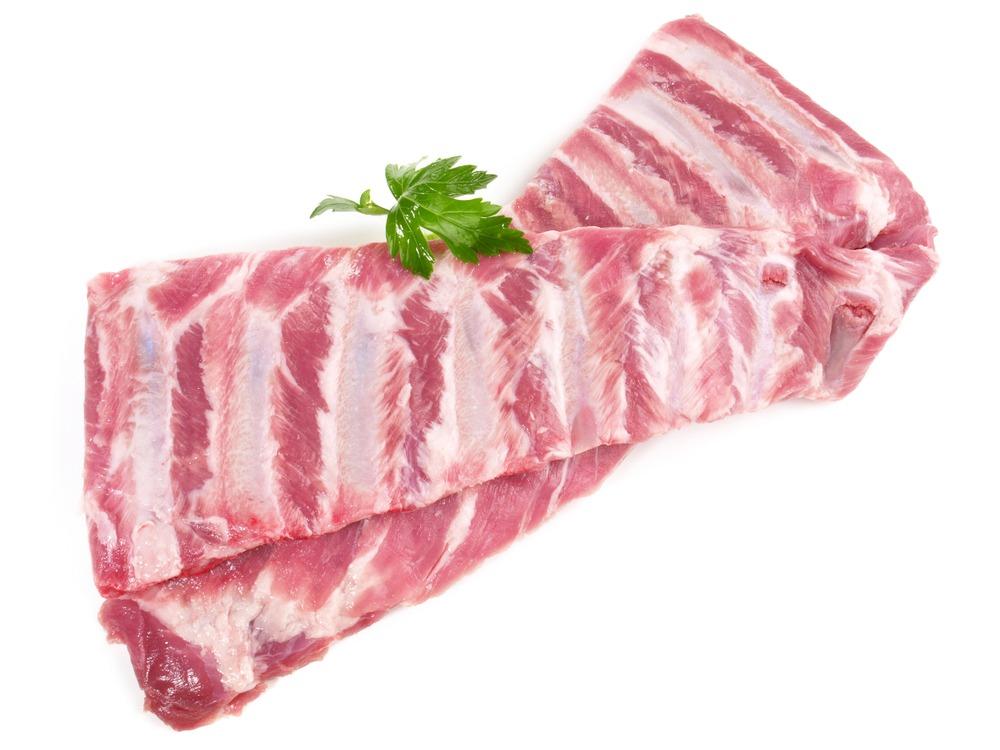
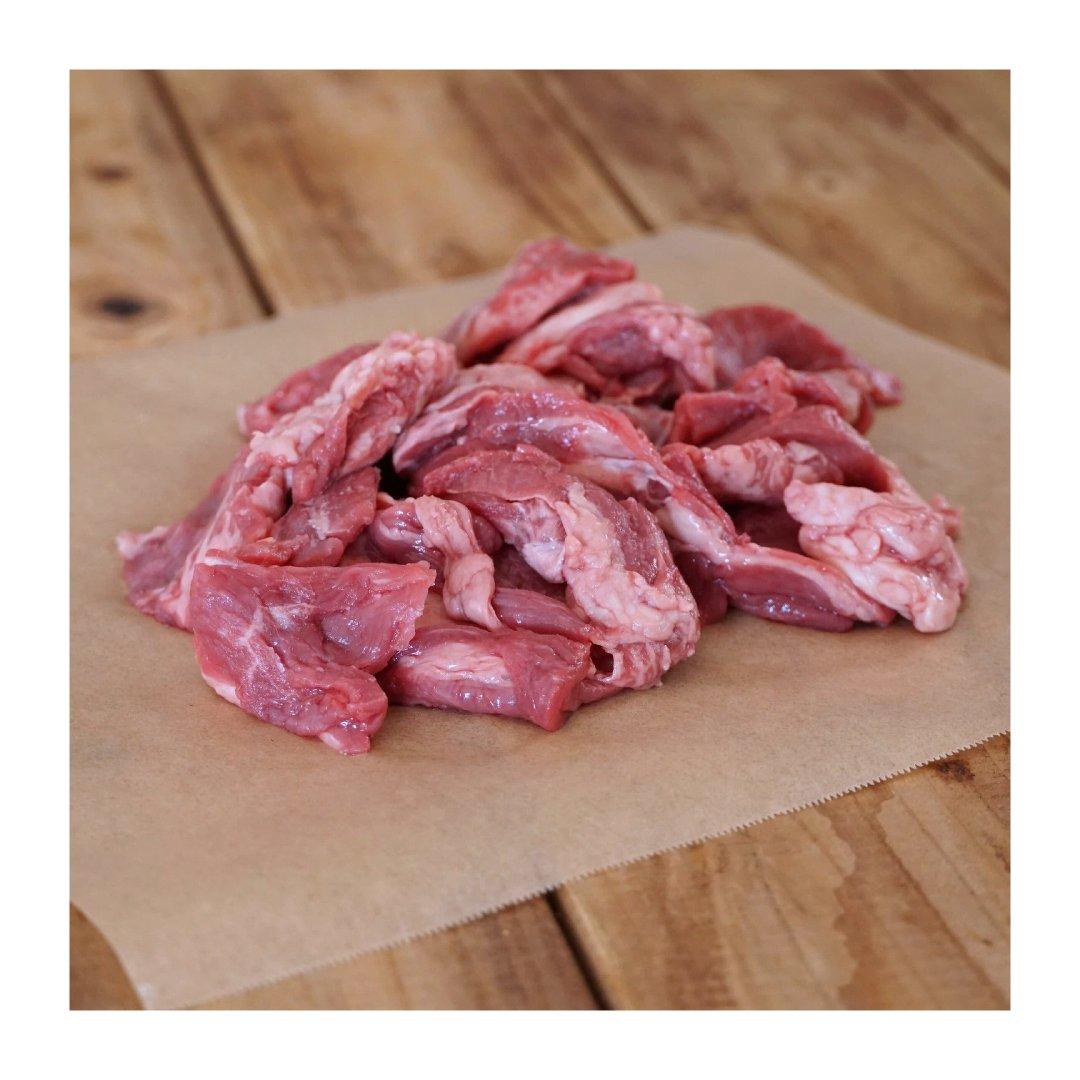
Yes — the top 4 Frozen Beef suppliers in Germany are a mix of export-focused trading houses and processors that list export-ready frozen cuts (rib eye, ribs, trimmings, omasum) with international trade terms and documented establishment verification. This guide profiles MASI TRADING GMBH, jmb management, SEDEF GMBH, and MT Trading GmbH, and explains the EU labelling, traceability, and export approvals buyers need as of August 17, 2026. Use this to quickly compare product types, certifications, trade terms and the paperwork you must require before shipment. Freshdi is the sourcing/data platform used to collect these supplier listings and product links.
Key Takeaways for Buyers
- Germany exports frozen beef primarily as bulk frozen cuts (rib eye, ribs, trimmings, omasum) — several suppliers list MOQs of 10 Tons for bulk shipments (Source: supplier product listings, Freshdi, 2026).
- All four profiled suppliers appear on Freshdi; MASI TRADING GMBH and MT Trading GmbH show documented verification flags in their profiles.
- EU-approved establishment status and an official veterinary health certificate are legally decisive for EU and many third-country imports (Source: European Commission, food.ec.europa.eu, 2026).
- Private standards buyers typically request are ISO/FSSC/BRCGS/IFS and HACCP; SEDEF GMBH lists broad Asia export markets including Japan and China.
- Freshdi lets buyers view product URLs, MOQs and trade terms and is a practical place to post an RFQ to trigger supplier responses.
Why Source Frozen Beef from Germany
Below is a practical, export-focused snapshot for frozen beef from Germany as of August 17, 2026, with the main quality grades, labelling rules, and certifications/approvals that matter in the EU, US, and major Asian markets. Germany supplies export-grade frozen beef cuts and ancillary items (offal, trimmings) through firms that operate as exporters/wholesalers and trading houses. For EU destinations, carcass classification and traceability documentation are primary acceptance criteria (SEUROP guide) and EU labelling is governed by Regulation (EU) 1169/2011 with beef-specific traceability rules (EUR-Lex summary).
1) What “quality grade” means for German frozen beef
Germany does not use a single national export-grade: exporters rely on a combination of EU carcass classification (SEUROP), buyer/brand commercial specs (marbling, aging, pH), and complete origin/traceability paperwork. SEUROP classifies carcass conformation from S to P and treats fat cover separately (UECBV), while commercial programs and retailer specs define the final acceptance criteria.
EU market
For sale in the EU, labels must include traceability-linked information such as slaughterhouse and cutting-plant approval references; beef labelling rules are harmonized at EU level (EUR-Lex).
Looking to Source Frozen Beef?
Connect with verified suppliers, discover matching products, and explore sourcing opportunities from global markets.
2) Core labelling requirements for frozen beef in Germany/EU
- German-language labelling is generally required for products marketed in Germany (BMEL).
- Frozen-food marking and storage instructions must follow national rules for frozen foods (TLMV).
- Beef-specific origin references and establishment codes must appear to support traceability (EU labelling rules).
- Standard label elements (ingredients, net quantity, date marking, freeze date, storage temp) are required under EU food information law (EU Food Safety).
3) Certifications and approvals that matter by market
A. EU / Germany
Buyers must confirm an EU-approved establishment listing and obtain the official veterinary health certificate for products of animal origin (European Commission import Q&A).
B. United States
Imports must originate from eligible countries/establishments and be presented for FSIS inspection; export verification programs may apply depending on product and buyer requirements (USDA FSIS).
C. Japan
Japan requires approved establishments, HACCP-based controls and government-issued inspection certificates for many meat imports; Germany is listed among accepted countries for beef/buffalo meat (MAFF).
D. China
China enforces facility registration and overseas establishment registration rules; an update took effect June 1, 2026 for export enterprise registration requirements (MAFF notice).
E. Singapore and other Asia markets
HACCP recognition, official veterinary certificates and approved establishments are generally required; bilateral certificate templates can vary (MAFF Asia guidance).
4) “Recognised certifications” most often accepted by major import markets
- EU official veterinary health certificate and EU-approved plant listing (legally decisive).
- HACCP-based food safety system; ISO 22000 / FSSC 22000 / BRCGS / IFS are common commercial buyer requirements.
- Traceability documentation (birth-to-shelf) and private standards like Halal/Kosher/Organic when relevant.
Private certifications help market access; official certificates determine legal import eligibility (EC Q&A).
5) Latest status / latest developments relevant up to August 17, 2026
- EU import controls continue to emphasize official certification and authorised establishment lists (EC Q&A).
- Japan maintains government-issued inspection certificates for many meat items (MAFF).
- China implemented export enterprise registration updates effective June 1, 2026 (MAFF).
- EU labelling remains anchored in Regulation (EU) 1169/2011 with beef-specific traceability obligations (EU Food).
6) Practical exporter checklist for frozen beef from Germany
- Product category: bone-in, boneless, minced, offal, retail/bulk pack.
- Target market and destination-specific certificate template.
- Establishment eligibility: slaughter, cutting, freezing, storage approvals.
- Health certificate template and official veterinary signature.
- Label language and mandatory text per destination.
- Traceability file with batch codes and freeze dates.
- Claims substantiation for organic/Halal/Kosher/grass-fed.
- Importer pre-clearance for China and Japan where needed.
Bottom line
For frozen beef exports from Germany, buyers should prioritise EU-approved establishment listings, an official veterinary health certificate, clear traceability labelling and destination-specific clearance rules (USDA, MAFF, GACC). Commercial certifications (FSSC/IFS/BRCGS) speed retail access but do not replace official veterinary documents (EUR-Lex).
What to Look for in a Frozen Beef Supplier from Germany
Four practical criteria separate strong from weak suppliers:
- Certifications: ensure EU-approved establishment or documented veterinary certification. Verified suppliers on Freshdi often display document verification flags.
- Trade terms and logistics: EXW/FOB/CIF terms matter for buyer responsibility; suppliers listing EXW/FOB (e.g., MASI TRADING GMBH) indicate they can pack for container shipping but may expect buyers to arrange export logistics.
- Payment risk: check documented payment methods and revenue band; suppliers with no payment-term disclosure require stricter payment protections (LC, escrow).
- Export market reach: suppliers that list Japan/China/Singapore (e.g., SEDEF GMBH) are more likely familiar with bilateral certificate templates and pre-clearance requirements.
Top 4 Frozen Beef Suppliers in Germany
| No. | Supplier Name | Location | Founded | Products | Certifications | Trade Term | Payment Term | Verification Status |
|---|---|---|---|---|---|---|---|---|
| 1 | MASI TRADING GMBH | Frankfurt, Germany | 2024 | Bulk frozen beef rib eye steak, High quality frozen beef rib eye steak | (EU) 2019/945 | EXW, FOB | Not disclosed | Work email verified, Document verified, Phone verified |
| 2 | jmb management | Esneux (operating in Germany) | 2006 | FROZEN BEEF OMASUM | Not disclosed | CIF | Other | Document verified, Phone verified |
| 3 | SEDEF GMBH | Berlin, Germany | 2016 | Export Halal Frozen Boneless Beef, Halal Lamb / Buffalo variants | Certificate of Registration | To be discussed | To be discussed | Work email verified, Document verified |
| 4 | MT Trading GmbH | Germany (address not disclosed) | Not disclosed | Fast delivery frozen beef ribs, Frozen beef trimmings | Not disclosed | CFR, EXW, FOB | Not disclosed | Work email verified, Document verified, Phone verified |
Rankings on platforms like Freshdi shift with supplier activity and verification updates; post an RFQ on Freshdi to invite current quotes and certificate uploads.
1. MASI TRADING GMBH
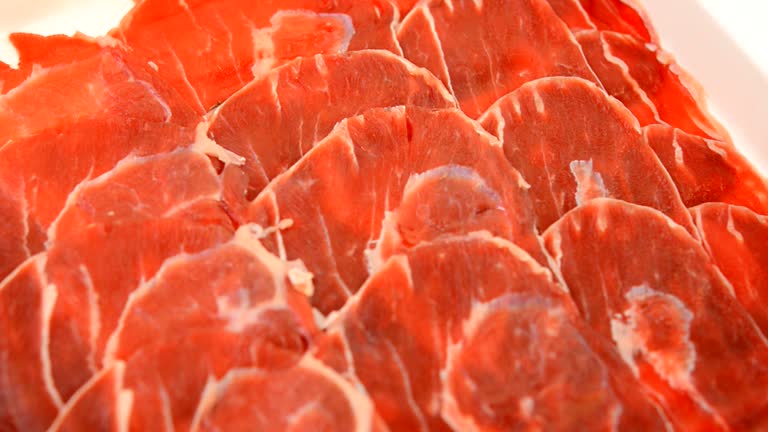
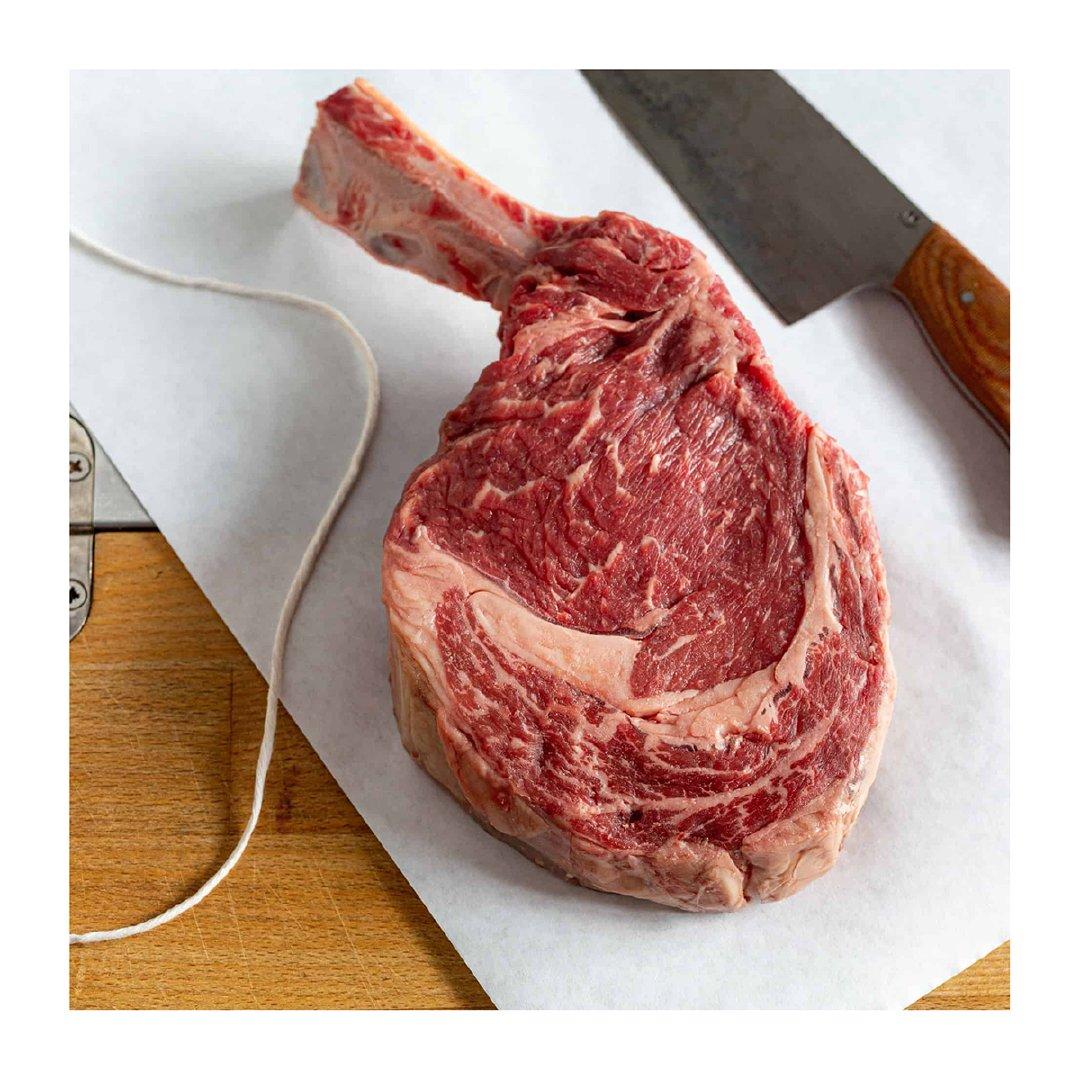
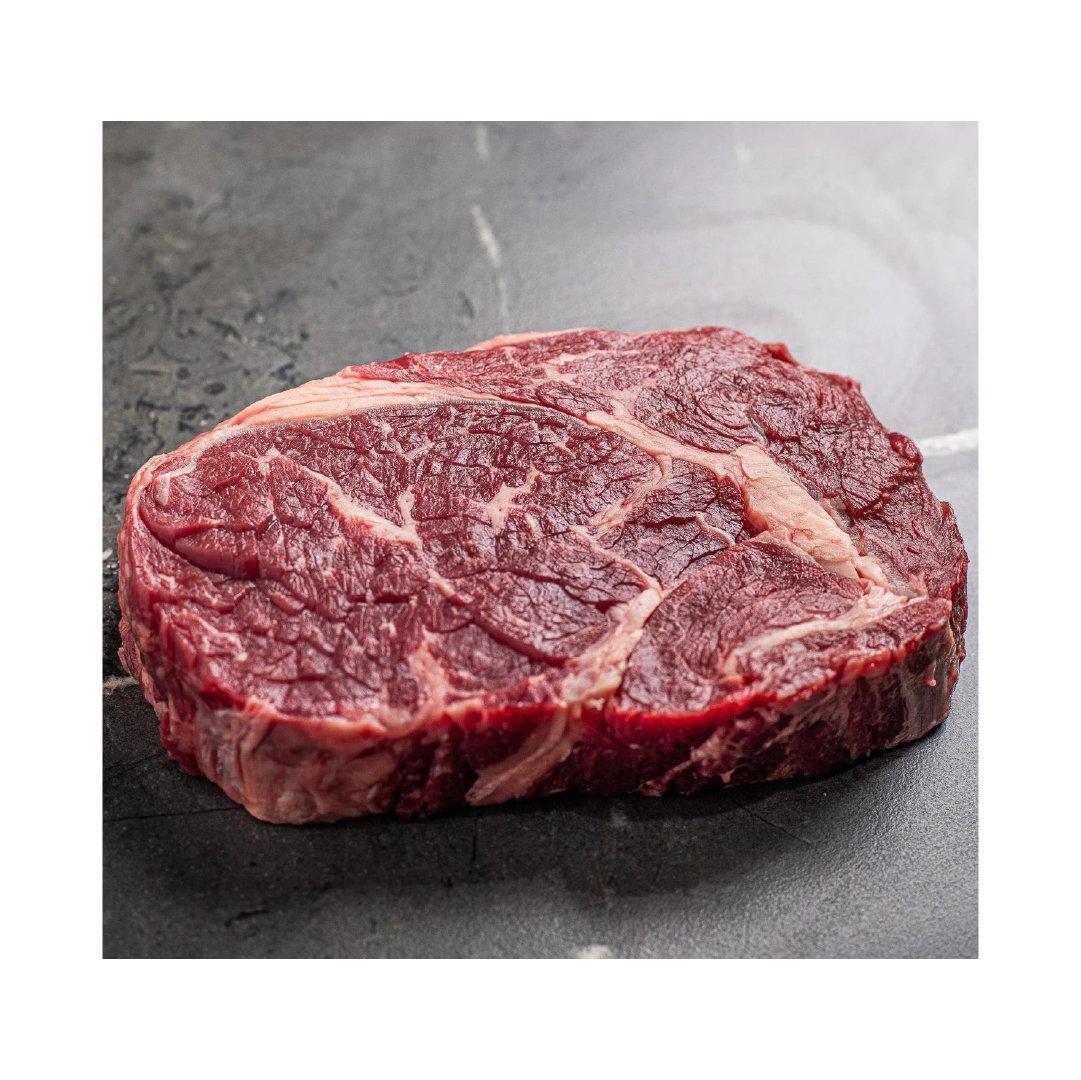
MASI TRADING GMBH is an exporter/wholesaler based at Niddastr. 91, 60329 Frankfurt, Germany, operating since 2024. It offers bulk frozen rib eye cuts including Bulk frozen beef rib eye steak (MOQ 10 Tons, USD 5200 per Ton) and High quality frozen beef rib eye steak (MOQ 10 Tons, USD 3200 per Ton). MASI TRADING GMBH lists (EU) 2019/945 as an accreditation and shows verified work email, documents and phone, which lowers buyer onboarding risk. The combination of EXW/FOB trade terms and a documented EU certificate suggests they can supply export-packed bulk shipments but expect buyers to confirm export booking and final veterinary certificates. MASI TRADING GMBH ships to a long list of countries and operates as an exporter/wholesaler.
2. jmb management
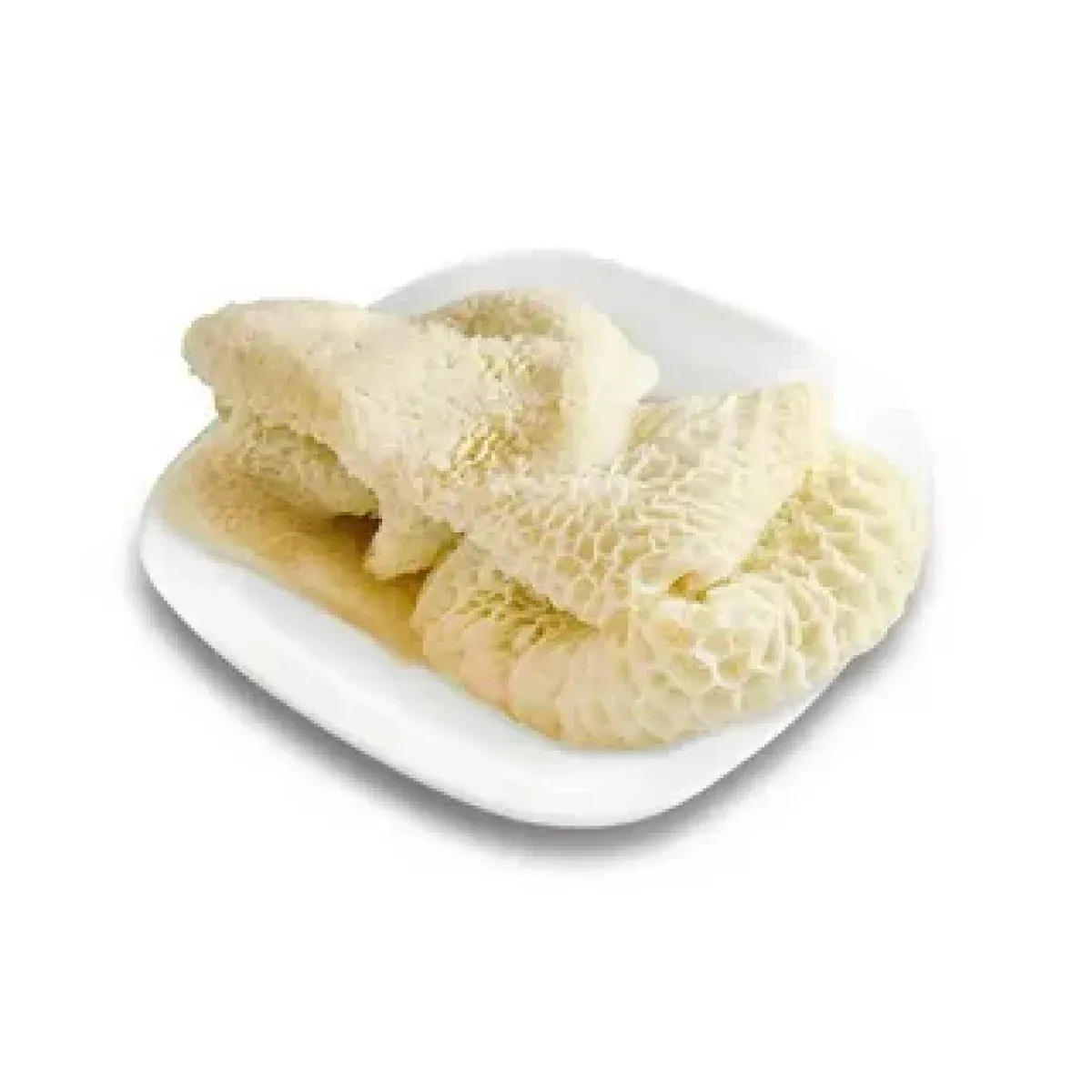
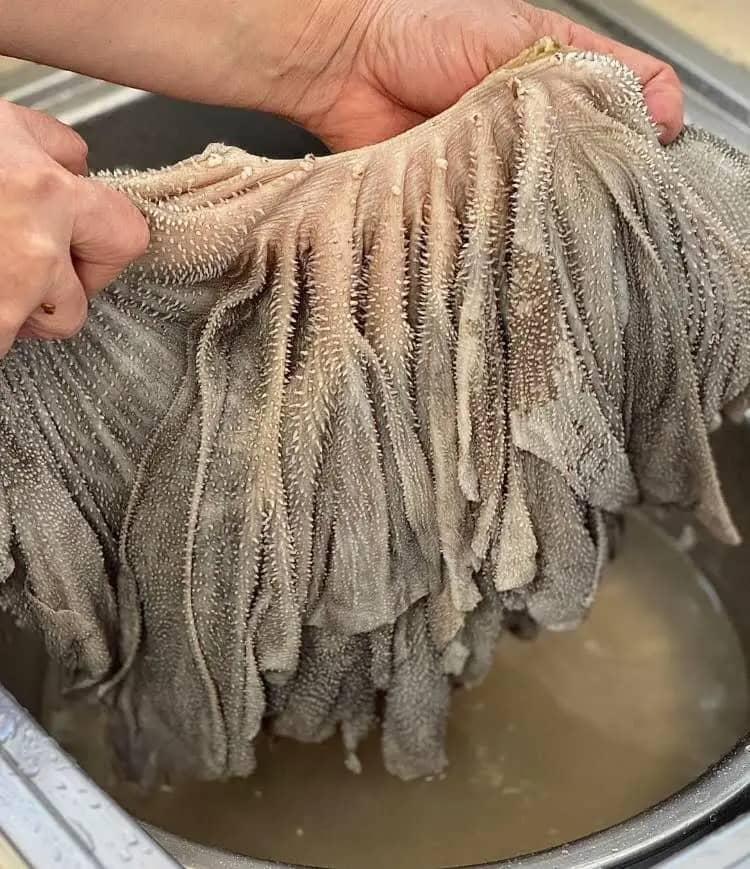
jmb management is listed with an address in Esneux and shows operations since 2006. The company lists FROZEN BEEF OMASUM (pack sizes 30–50 Kg, shelf life 2 years) and trades on CIF terms. Document verification is present but work-email verification is not shown, so buyers should request current health certificates and export establishment approvals before booking. jmb management's product (omasum) is a specialised offal product useful for processors and markets expecting offal imports.
3. SEDEF GMBH
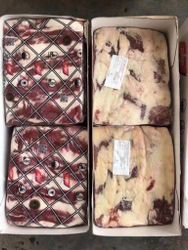
SEDEF GMBH is a Berlin-based food manufacturer founded in 2016 with annual revenue banding listed at USD 500–1000k. It lists export-ready Halal frozen boneless beef products at USD 3000/MT and names export markets across Asia (Japan, China, Singapore, South Korea) and Oceania. SEDEF GMBH's presence in Asia markets and a "Certificate of Registration" recorded in its compliance standards indicate experience with destination-specific documentation; buyers should confirm halal accreditations, establishment numbers and specific import certificates for Japan or China before contracting.
4. MT Trading GmbH
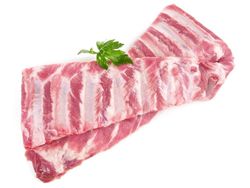
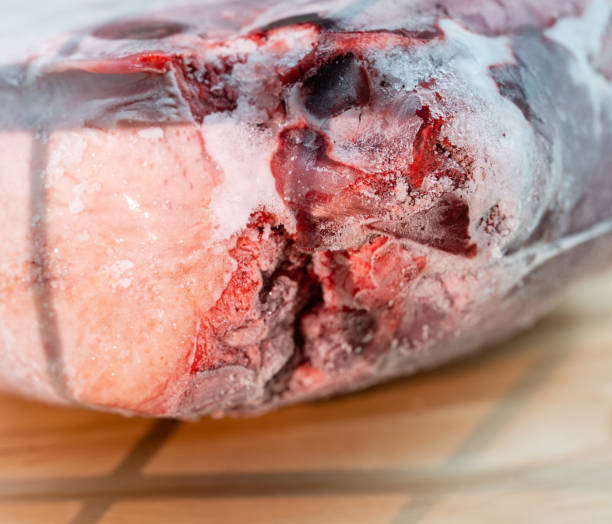
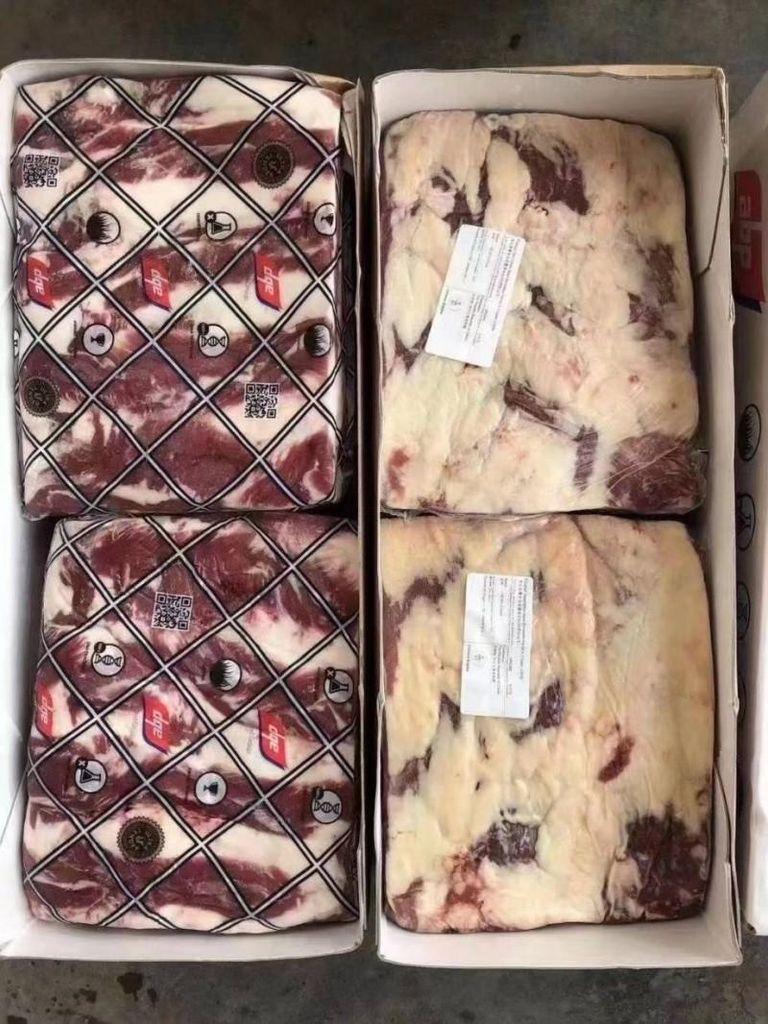
MT Trading GmbH lists bulk export items such as Fast delivery frozen beef ribs and Frozen beef trimmings (trimmings priced at USD 960/Ton, MOQs typically 10 Tons). MT Trading offers CFR/EXW/FOB incoterms and shows verified contact details; buyers should request establishment approval lists and traceability files for bulk trimmings intended for processed-food use.
Product Landscape Across These Suppliers
- Most common product: rib eye and bulk ribs/trimmings — MASI TRADING GMBH and MT Trading GmbH both list export-ready rib and rib-eye lines, showing Germany's strength in frozen primal cuts for wholesale.
- Unique offering: FROZEN BEEF OMASUM from jmb management — an offal product not listed by the others.
- Missing but commonly expected: branded retail-ready consumer packs with declared private standards (BRCGS/IFS/FSSC) are not prominent in these listings; buyers expecting retail-ready labelled SKUs should request certificate evidence.
- Guidance: choose by target market and required documentation — if you need Halal and Asia routing, consider SEDEF GMBH; for bulk primal cuts with EXW/FOB, consider MASI TRADING GMBH or MT Trading GmbH.
What Makes These Top Suppliers Different
- Verification status: MASI TRADING GMBH and MT Trading GmbH show documented verification flags (work email, documents, phone), which reduces onboarding friction.
- Product focus: SEDEF GMBH targets Halal channels and multiple Asian markets, while jmb management lists specialised offal (omasum).
- Trade term variety: EXW/FOB options appear with MASI and MT Trading; jmb management lists CIF indicating seller-arranged carriage to port of discharge.
How to Connect with Top Suppliers
The top 4 Frozen Beef suppliers in Germany above include verified exporters with EU-focused documentation and a mix of trade terms (EXW/FOB/CIF). If you need EU-approved establishment listings or confirmation of an official veterinary health certificate, request those documents in your RFQ. Post your RFQ on Freshdi with target market, required certificate templates and desired incoterm to begin receiving current quotes and uploaded certificates.