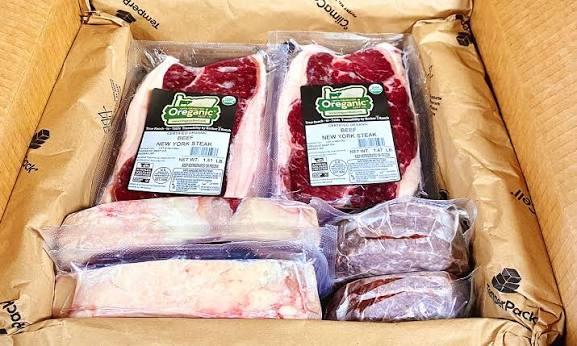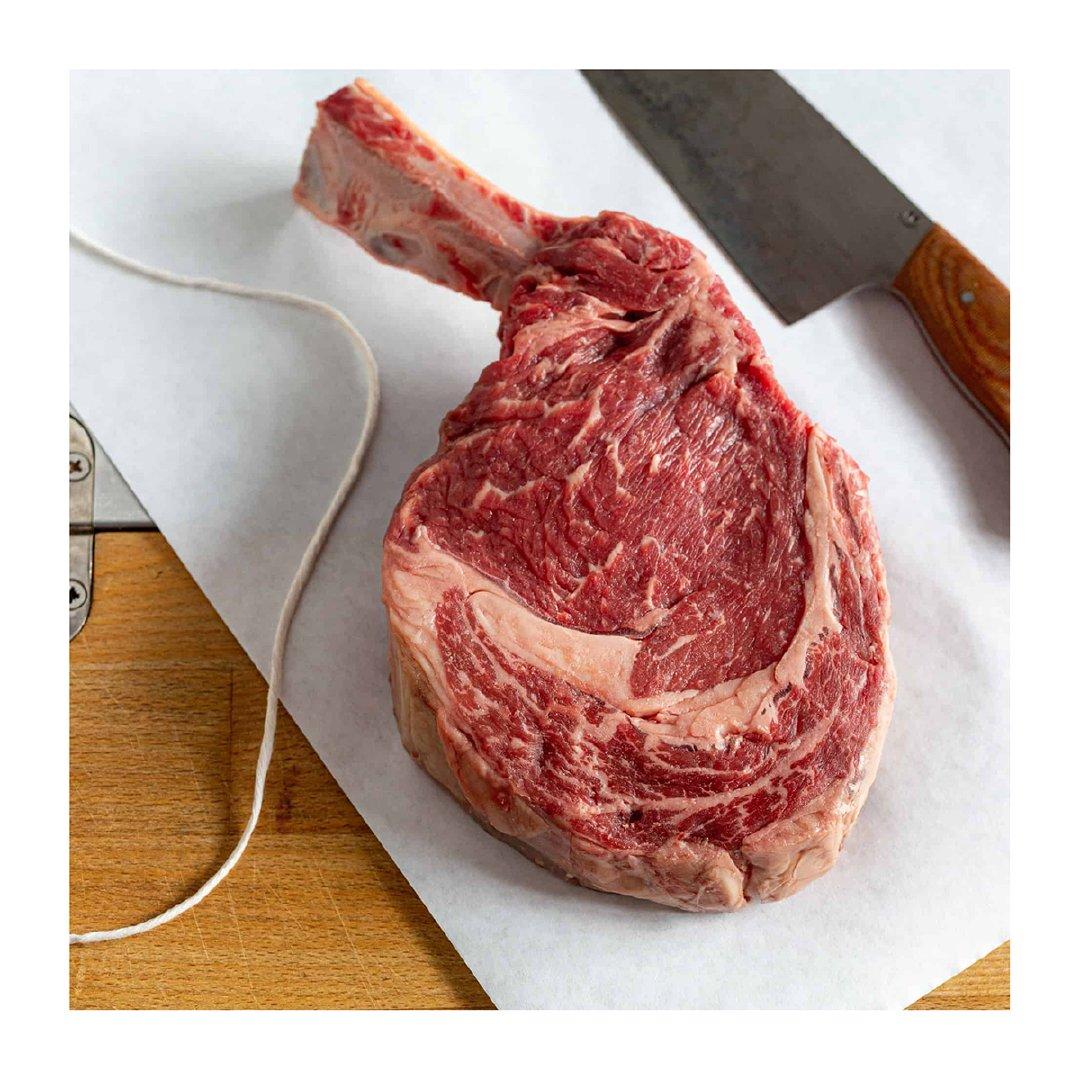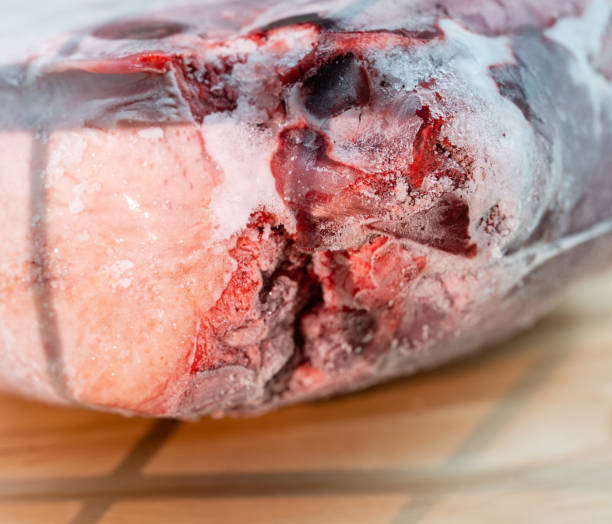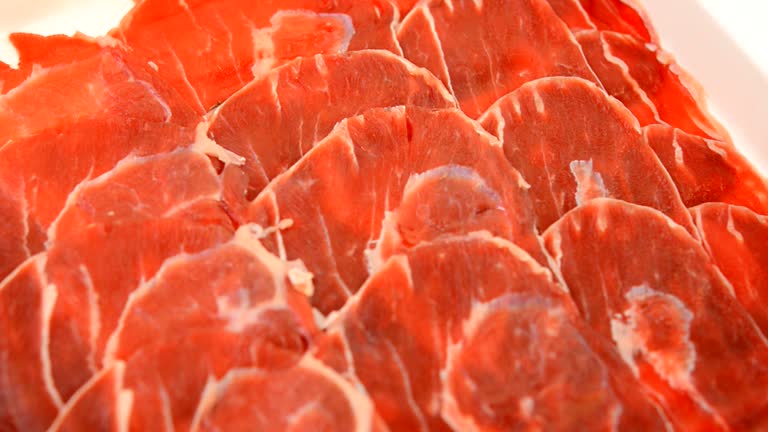
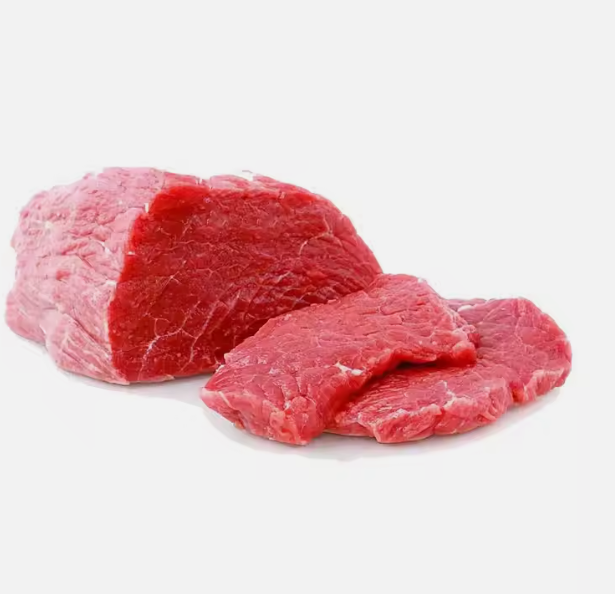
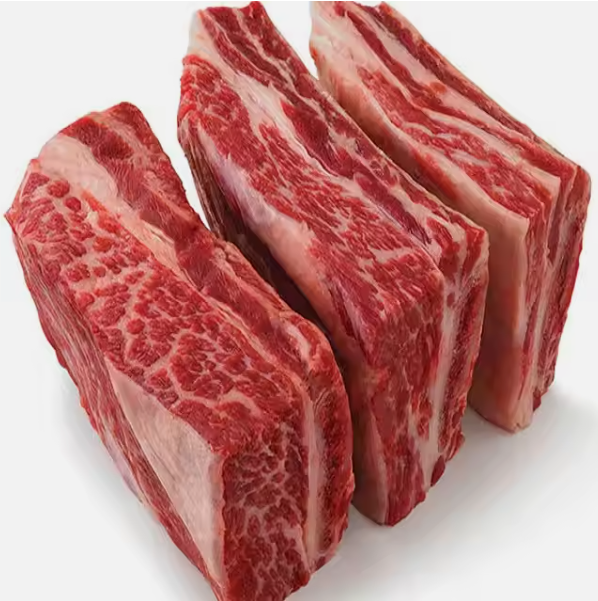
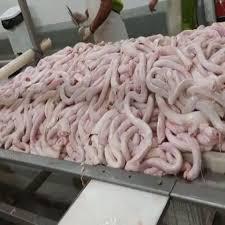
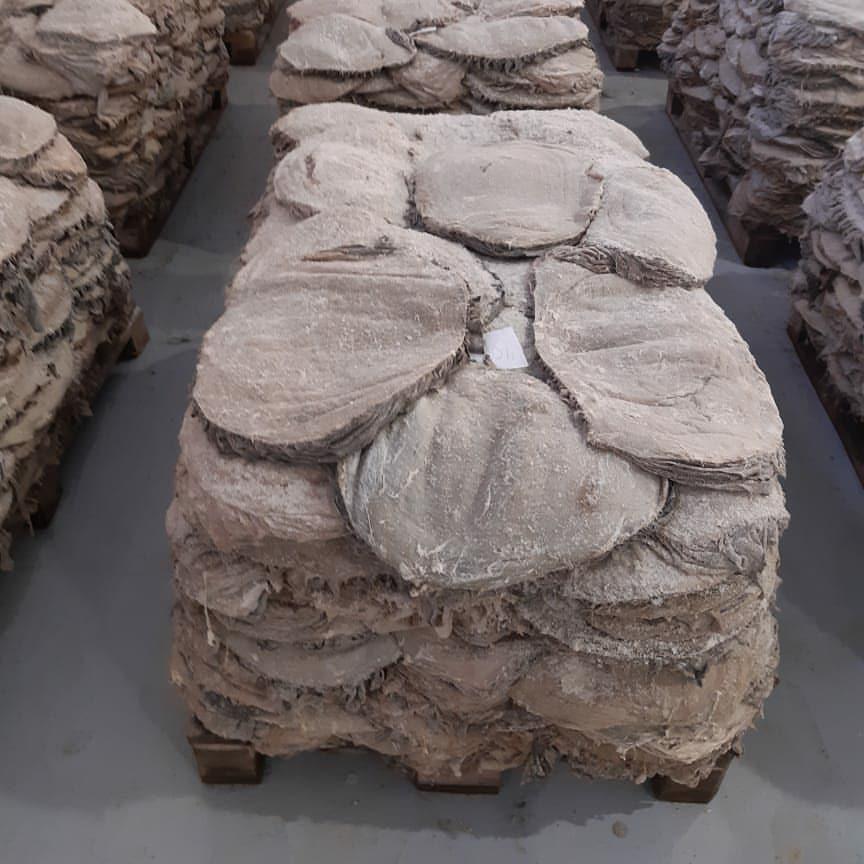
Yes — these are four U.S.-based suppliers that appear with verified document status or verified contact signals and active export listings on Freshdi, making them practical starting points for international buyers sourcing frozen beef in 2026. Freshdi is a sourcing and supplier-data platform that aggregates product listings, verification flags, and export-market history to speed due diligence. Use the profiles below to compare verification signals, trade terms, MOQ and product types before you request samples or RFQs.
Key Takeaways for Buyers
- The United States remains an eligible source for many frozen beef imports but FSIS requires eligible establishments, correct inspection certificates, and entry at an official import establishment (FSIS guidance, 2026). (FSIS, 2026)
- This article profiles four suppliers listed on Freshdi: TRADECENTRIC LLC, PK Luxuries, TRADE NEPAL LLC, and S Foods.
- All four suppliers show at least one documented verification flag on Freshdi (document-verified or phone/email verified) in their listing data, a shared trust signal buyers can start from.
- Several products require cold-chain and halal handling (e.g., Halal Certified Frozen Salted Beef Omasum from TRADECENTRIC LLC), so verify handling and certificates before booking shipment.
- Freshdi shows verification status and export-market history on each profile — post an RFQ on Freshdi to get updated documentation and pricing from these suppliers.
Vetting the Top Frozen Beef Suppliers in United States
Below is a practical risk view of supplier fraud and sourcing-risk patterns in the U.S. frozen beef market for international buyers, based on the latest official U.S. guidance and enforcement materials available as of August 17, 2026.
1) The main fraud/risk patterns to watch
For frozen beef entering or moving in the U.S. market, the biggest recurring risks are usually identity, eligibility, and documentation failures. FSIS requires imported meat products to come from eligible countries and establishments with proper inspection certificates and to be presented for FSIS inspection/reinspection at an official import establishment; labels must meet U.S. requirements. (FSIS import guidance)
Common fraud patterns include false origin claims, eligibility laundering, certificate fraud (altered or inconsistent inspection certificates), label fraud (misleading claims such as “grass-fed” or incorrect country-of-origin), spec substitution, lot commingling, temperature-chain manipulation, opaque transshipment, and supplier noncompliance with FSVP documentation. FSIS and FDA directives emphasize certificate integrity and traceability. (FSIS directive 9900.1, FDA 2026 enforcement)
Looking to Source Frozen Beef?
Connect with verified suppliers, discover matching products, and explore sourcing opportunities from global markets.
2) Red flags that are especially common
Commercial red flags
- Price far below market for the stated origin/spec.
- Seller refuses plant visits or virtual audits.
- Urgent spot offers with minimal documentation.
- Frequent unexplained switches in source plant or broker.
- Payment terms inconsistent with supplier credit quality.
Documentation red flags
- Certificate mismatch with product description, carton markings, or container numbers. FSIS requires certificates to be complete and unaltered. (FSIS)
- Blurry scans or screenshots instead of official electronic records or originals.
- Missing chain-of-custody from slaughter to exporter to importer.
- Repeated clerical corrections on origin or weight fields.
Operational red flags
- No cold-chain logs or suspiciously perfect temperature records.
- “Frozen” product arriving with thaw signs or inconsistent block integrity.
- Inconsistent carton/pallet labeling.
3) Verification gaps buyers often miss
- Paperwork-only onboarding: business licenses and COAs are insufficient; FSIS/FDA expect risk-based verification. (FDA FSVP)
- No lot-level traceability tying lot to slaughter date, freezer lot, and export certificate.
- No independent confirmation that the country, plant, and product type are eligible for U.S. import. (FSIS)
- Overreliance on third-party paperwork without importer review of supporting documentation. (FDA)
- Failure to check enforcement history (warning letters, detentions) for supplier or importer.
4) Documentation-fraud indicators to treat as serious
- Mismatched product names across invoice, packing list, certificate, and cartons.
- Certificate number formats that don’t match the issuing authority.
- Pasted or blurred seals/signatures; same certificate reused across shipments.
- Inconsistent weights between export certificate and commercial invoice.
- Generic COAs lacking lot number, test date, method, or lab traceability.
5) Due diligence steps recommended for international buyers
A. Verify U.S. import eligibility before sourcing
- Confirm source country, establishment, and product type are eligible for U.S. import under FSIS/APHIS rules. (FSIS)
- Confirm product description matches FSIS review requirements.
B. Require a complete document set for each lot
At minimum demand: export/inspection certificate, commercial invoice, packing list, bill of lading, lot coding, carton/pallet labels, temperature records, and chain-of-custody records.
C. Independently verify the supplier
- Check the processing establishment against official eligibility lists.
- Cross-check certificates with physical labels and shipment docs.
- Request lot-specific third-party audit reports and accredited lab COAs.
D. Test for fraud, not just safety
Use NIR, DNA, isotope, or other authenticity tests for high-value claims and origin verification.
E–G. Audit cold chain, screen intermediaries, and build stop-ship rules
Require photos/video at stuffing, reconcile seals, map intermediaries, and stop shipments when certificates and cartons don’t match or establishment eligibility is unclear.
6) What’s most relevant in the latest U.S. enforcement data
- FDA warning letters in 2026 highlight importer FSVP documentation and supplier verification failures. (FDA, 2026)
- USDA/FSIS enforcement continues to prioritize certificate accuracy, import inspection, and false labeling. (FSIS)
- USDA market-integrity enforcement (Packers & Stockyards) remains active in 2026, signaling buyer-side commercial risk to monitor. (AMS, 2026)
7) Practical buyer checklist
- Eligible country and establishment verified.
- Lot-level traceability complete.
- Official certificate matches invoice, packing list, and cartons.
- Cold chain documented with freezer logs and photos at stuffing.
- Supplier audit completed (virtual or on-site).
- Authenticity testing where appropriate.
- Importer FSVP file complete and current.
- No unresolved enforcement history.
- Clear ownership and intermediary map.
- Stop-ship rule in place.
If you want, this can be turned into a one-page supplier due diligence SOP, a red-flag checklist, or a risk-scored vendor audit template for frozen beef. Freshdi can help supply the underlying documents and verification flags to build those templates.
What Makes a Verified Frozen Beef Supplier Worth Trusting
Certifications for target import markets: Buyers should look for certifications that match destination-market rules (e.g., halal certificates for Gulf markets or food-safety standards recognized in the target country). A listed certification aligned with the export market reduces the number of additional approvals needed.
Founding year as stability signal: Older establishment dates suggest operational experience and potentially longer audit trails; a supplier established in 2010 typically has more historical export activity than one founded in 2021 (visible in supplier profiles below).
Payment-term risk exposure: Trade term and payment term together show buyer risk — CIF with T/T prepayment shifts logistics responsibility but increases buyer exposure unless backed by verified documents. Profiles below show suppliers with CIF or listed transaction terms you can factor into credit decisions.
Export market breadth as regulatory-experience proxy: Suppliers exporting widely (multiple regulated markets) are likelier to maintain export documentation and compliance processes; export-market lists in the profiles are a direct signal of this capability.
Top 4 Verified Frozen Beef Suppliers in United States -- Trust Profiles
| No. | Supplier Name | Location | Founded | Products | Certifications | Export Markets | Trade Term | Payment Term | Verification Status |
|---|---|---|---|---|---|---|---|---|---|
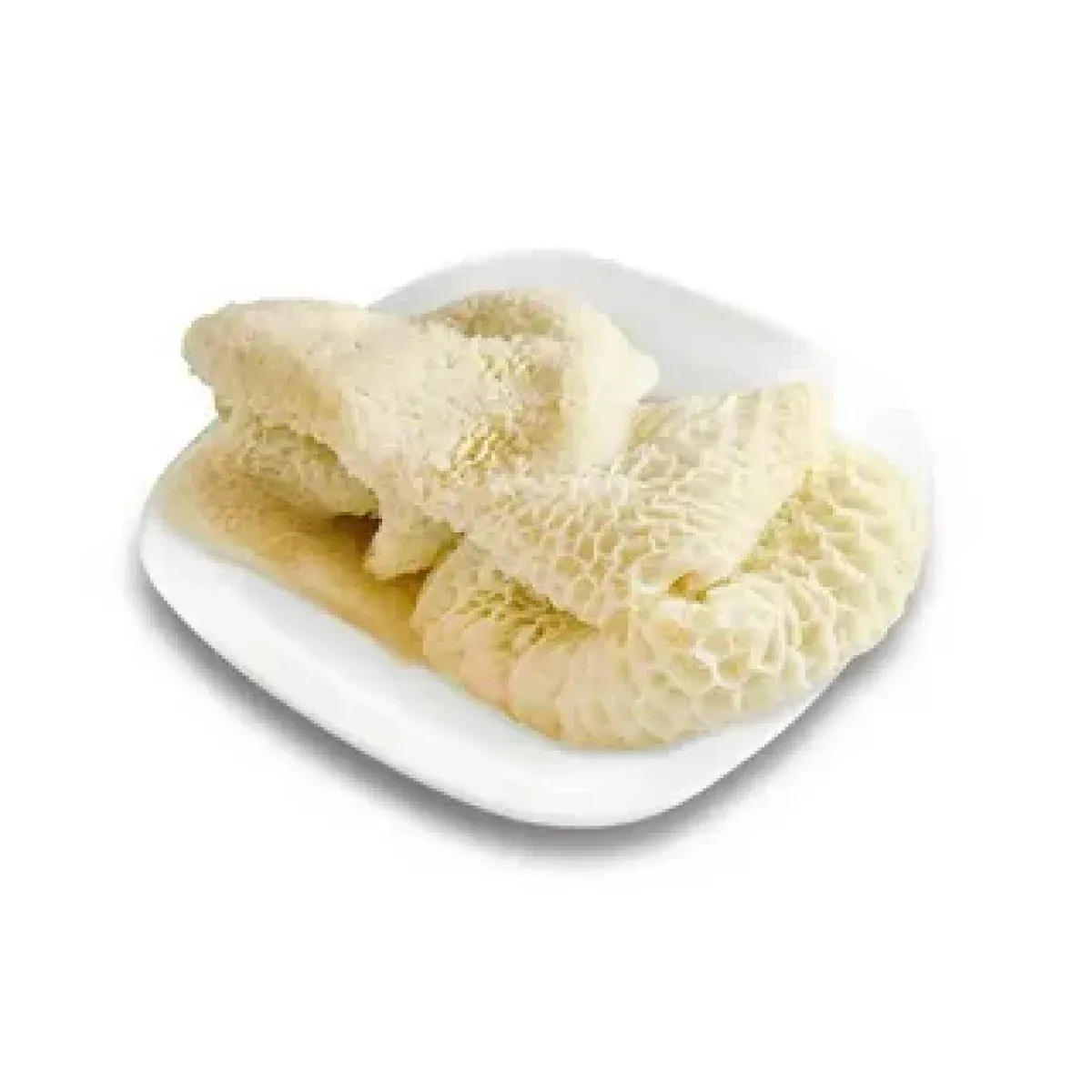
| 1 | TRADECENTRIC LLC | St. Petersburg, FL, United States | 2010 | frozen beef tripe for sale in bulk at discounted wholesale prices great for restaurants and food suppliers; Halal Certified Frozen Salted Beef Omasum Tripe Fresh Salted Unsalted Whole Beef Nature Feature Bulk Packaging | Not disclosed | Extensive country list including Canada, China, UK, Saudi Arabia, UAE, and many more | Not disclosed | Not disclosed | Document verified |
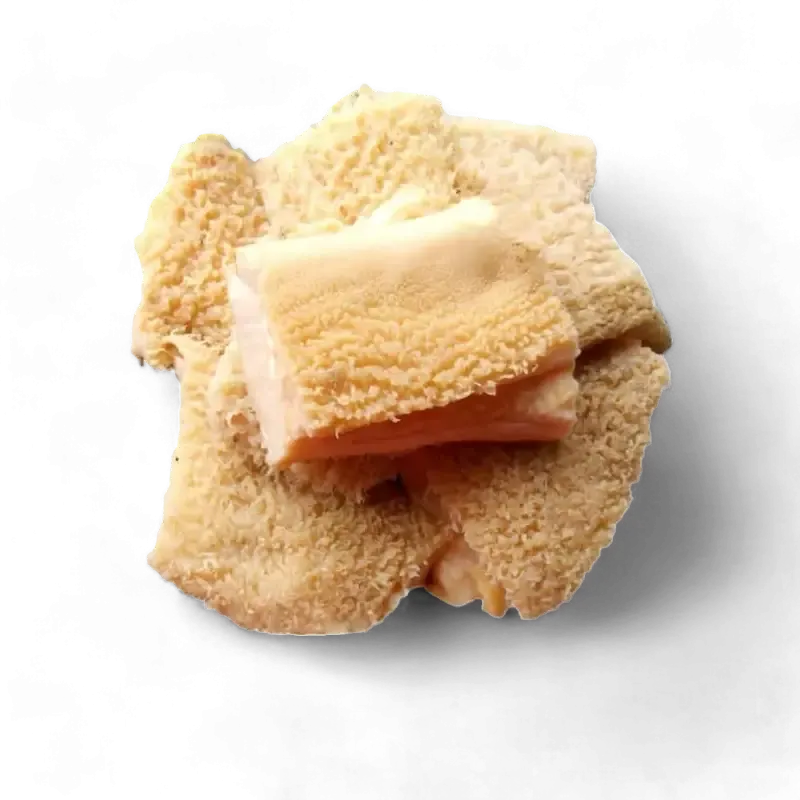
| 2 | PK Luxuries | United States | 2020 | BULK SALE HALAL TRIMMED FROZEN BONELESS BEEF /FROZEN BEEF CARCASS; Wholesale Price Sweet Taste High Quality Frozen Beef Tripes(Rumen) for Sale Food Grade | Not disclosed | Selected markets incl. Canada, China, UK, Saudi Arabia, Vietnam | CIF | T/T | Document verified; phone verified |
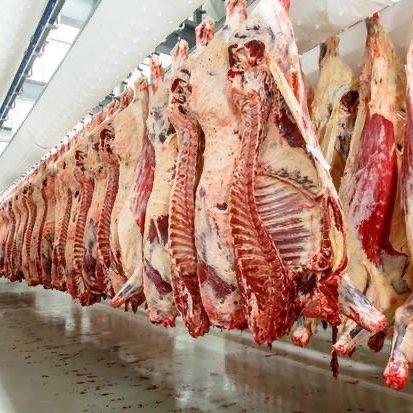
| 3 | TRADE NEPAL LLC | Irving, TX, United States | 2021 | Frozen Beef Brisket – Premium Halal Meat, Boneless/Bone-In Cuts, Wholesale Export Supplier; Frozen Beef Bone-In Brisket – Premium Quality, Halal Certified, Wholesale Export Supply | Not disclosed | United States | Not disclosed | Not disclosed | Document verified; phone verified |
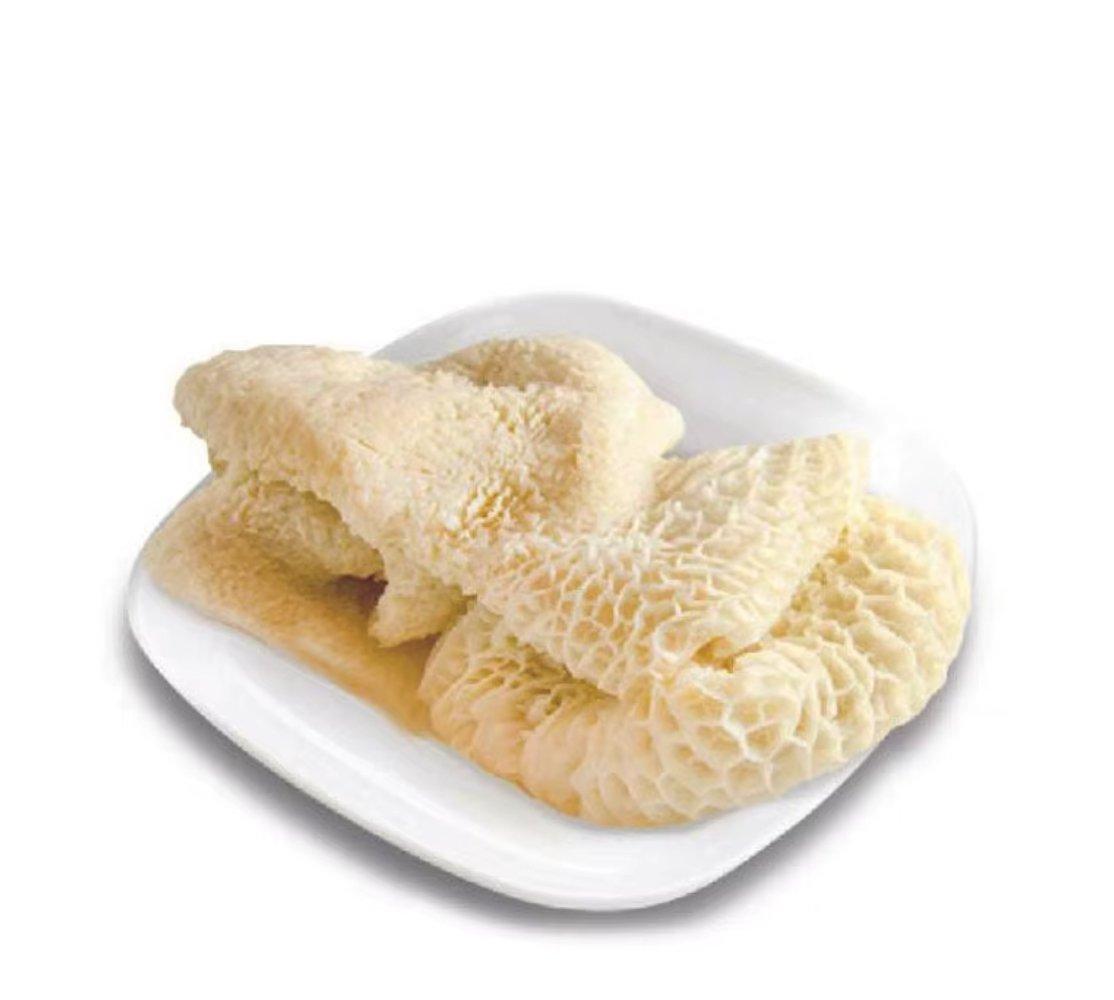
| 4 | S Foods | Gaine, GA, United States | 2015 | Frozen Beef Pizzle; Frozen Salted Beef Omasum | Not disclosed | Export markets include China, South Korea, Saudi Arabia, Spain, Thailand, Vietnam and others | CIF, FOB | T/T | Work email verified, phone verified, document verified |
Rankings and visibility on platforms like Freshdi shift with new verification documents and recent activity; buyers should re-check listings before awarding contracts. Post an RFQ on Freshdi to request updated certificates, packing lists, and Proforma Invoices from these suppliers.
1. TRADECENTRIC LLC
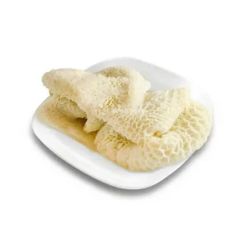
TRADECENTRIC LLC sells frozen beef tripe and a Halal-certified frozen salted beef omasum tripe; the Halal product listing is offered at USD 4,500 per 5 Tons, MOQ 5 Tons for the omasum tripe and USD 2,800 per 5 Tons, MOQ 5 Tons for a bulk frozen beef tripe listing. TRADECENTRIC LLC lists extensive export markets (including China, UK, Saudi Arabia, UAE, Canada and many others), which suggests they handle cross-border documentation and multiple destination requirements. TRADECENTRIC LLC holds document-verified status on Freshdi and ships from Atlanta (ATL) for listed products. TRADECENTRIC LLC is listed on Freshdi with document verified status.
2. PK Luxuries
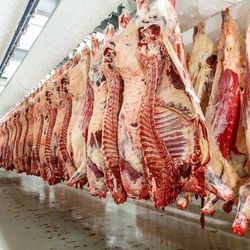
PK Luxuries lists bulk halal trimmed frozen boneless beef carcass at USD 2,400 per MT (CIF) and frozen beef tripes at USD 1,600 per MT (CIF), with transaction terms listed as T/T and shipping terms CIF. That combination (CIF + T/T) means buyers should verify container stuffing, certificate seals, and independent inspection because CIF places freight responsibility on the seller while advance T/T increases buyer-side exposure. PK Luxuries has document verification and phone verification on Freshdi and exports to markets including China, UK, Saudi Arabia, and Vietnam. PK Luxuries is listed on Freshdi with document verified and phone verified status.
3. TRADE NEPAL LLC
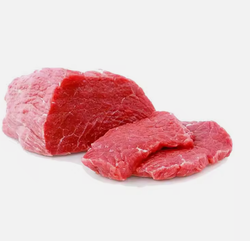
TRADE NEPAL LLC offers frozen beef brisket (boneless and bone-in) priced from USD 2,240–2,560 per 20-foot reefer container with an MOQ of one 20ft reefer. The listing indicates halal product options and a U.S.-only export market listing, suggesting they currently focus on domestic shipments and may have limited cross-border export history. TRADE NEPAL LLC shows document and phone verification flags on Freshdi, which helps initial trust but buyers should confirm export experience for their specific destination. TRADE NEPAL LLC is listed on Freshdi with document verified and phone verified status.
4. S Foods
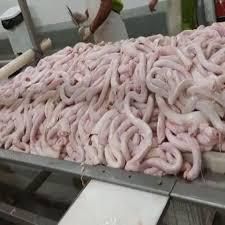
S Foods lists large-volume products such as Frozen Beef Pizzle (MOQ 135 MT at USD 2,100/MT) and Frozen Salted Beef Omasum (MOQ 135 MT at USD 4,000/MT) with trade terms CIF/FOB and payment T/T. S Foods reports a workforce of 501–1000 employees, revenue >1000 (range), and verified work email, phone and documents on Freshdi, which together indicate stronger corporate infrastructure and traceability capability for large export lots. S Foods is listed on Freshdi with work email verified, phone verified, and document verified status.
Product Range as a Trust Signal
- A wider product range here (tripe, omasum, brisket, pizzle) generally aligns with documented verification: TRADECENTRIC LLC and S Foods both list multiple specialized items (e.g., Halal Certified Frozen Salted Beef Omasum Tripe, Frozen Beef Brisket), and those suppliers show document verification flags.
- Products needing specialized handling — halal-certified omasum and frozen brisket with specified -18°C storage — indicate operational maturity at TRADECENTRIC LLC and TRADE NEPAL LLC product listings.
- Some listings are generic (short product descriptions for basic frozen tripe or carcass) — buyers should read that as a cue to request lot-level COAs, export certificates, and photos; examples include the generic tripe listing and bulk carcass listing from PK Luxuries.
- Combined product coverage suggests buyers can single-source multiple frozen beef types from TRADECENTRIC LLC or S Foods, but confirm lot-level traceability first.
Buyer Verification Checklist Before Ordering
- Request full lot-level documents: export/inspection certificate, invoice, packing list, container seal numbers, and temperature logs. For TRADECENTRIC LLC, confirm the Halal certificate links to the specific 5-ton lot and matches the packing list.
- Confirm establishment eligibility and recent export experience for the destination market. For S Foods, use its broad export-market list (China, South Korea, Saudi Arabia, Vietnam) as a positive signal but verify recent shipment records to your market.
- Validate trade and payment terms: sellers offering CIF + T/T (e.g., PK Luxuries) require stronger independent inspection at origin or an L/C to reduce buyer risk.
- Ask for stuffing photos, container seal reconciliation, and a third-party pre-shipment inspection report for high-value or large-lot orders (especially for MOQs like 135 MT from S Foods).
Ready to Start Your Search?
top 4 verified Frozen Beef suppliers in United States — these profiles highlight concrete trust signals such as document verification, phone/work-email verification, listed export markets (e.g., China, Saudi Arabia), and explicit MOQs for high-volume lots. Use Freshdi to verify current documents, post RFQs, and connect with audited frozen beef suppliers in United States. Post an RFQ on Freshdi to request up-to-date certificates and Proforma Invoices from the suppliers profiled above.