
Introduction
Shipping sunflower oil from the United States to India involves more than selecting an ocean route. The product may move as bulk liquid or in packaged form, and the right option depends on shipment size, destination facilities, product condition, and the buyer’s distribution plan.
For buyers and exporters, the main planning tasks are to agree the exact oil description and quality specification, choose food-suitable transport equipment, protect the cargo from contamination and avoidable heat or air exposure, and coordinate Indian food-import and customs procedures before dispatch. Transit estimates are route- and booking-specific; a published lane estimate is a planning reference, not a delivery commitment.
Key Takeaways
- Choose between bulk-liquid transport and containerized packaged oil or a suitable liquid-container arrangement based on volume, equipment and receiving facilities.
- Agree the product form—such as refined or crude—and its specification, packaging, inspection basis and acceptance terms before booking.
- For container freight, a July 2026 logistics guide reported indicative U.S.-to-India port-to-port ranges of 28–40 days from the East Coast and 25–35 days from the West Coast; confirm current schedules and port pairs with the carrier or forwarder.
- India’s FSSAI food-import process can involve document scrutiny, visual inspection, sampling and testing; importers should confirm licensing and clearance requirements before shipment.
- Use clean, food-suitable tanks and equipment, document previous-cargo and cleaning checks where relevant, and protect the oil from contamination and unsuitable storage conditions.
1. What Shipping Method Suits Sunflower Oil from the United States to India?
The shipment format determines the equipment, loading arrangements and receiving infrastructure required. Sunflower oil may be moved in a vessel’s segregated bulk-oil tanks for large consignments, or in containers carrying sealed retail or food-service packs. A liquid bulk container may be an option for certain intermediate volumes, but its suitability, food-contact status, loading method and acceptance by the carrier and destination receiver must be confirmed for the specific shipment.
A mode comparison should include the full logistics chain, not ocean freight alone. Bulk transport needs compatible storage and pumping facilities at both ends. Packaged shipments need packaging and handling suited to the intended distribution channel. A liquid-container system can reduce intermediate handling, but must be approved for the cargo and the route; do not assume every container, liner or carrier accepts edible oil.
Once the shipment format and product category are clear, buyers can compare relevant sourcing activity and supplier options.
View Latest Oil & Fats Buying Requests →View Potential Oil & Fats Suppliers →
Buying consideration: Before requesting a freight quotation, share the product form, approximate volume, packaging or proposed tank system, U.S. loading location, Indian destination, and whether the receiver can accept bulk liquid.
Looking to Sell Sunflower Oil?
Connect with verified buyers, receive relevant buying leads, and explore sourcing opportunities from global markets.
2. How Should Sunflower Oil Be Protected During Storage and Transport?
Sunflower oil is a food cargo, so the transport system must protect it from contamination and preserve the agreed product condition. The Codex Code of Practice for the Storage and Transport of Edible Fats and Oils in Bulk (CXC 36-1987, revised 2026) addresses tank suitability, loading and unloading, cleaning, maintenance, temperature management and prevention of adulteration. It is a code of practice, not a substitute for applicable Indian requirements or the parties’ contract.

For bulk shipments, confirm the tank, fittings, pumps and transfer lines are suitable for contact with food and compatible with the oil. Inspect relevant surfaces and verify cleaning and maintenance records. The Codex code calls for careful control of previous cargoes and cleaning; where a vessel is not dedicated to food cargo, the previous-cargo acceptability and any conditions should be checked against the current code and the importing authority’s expectations. Keep oils and grades segregated and prevent residues from another product entering the shipment.
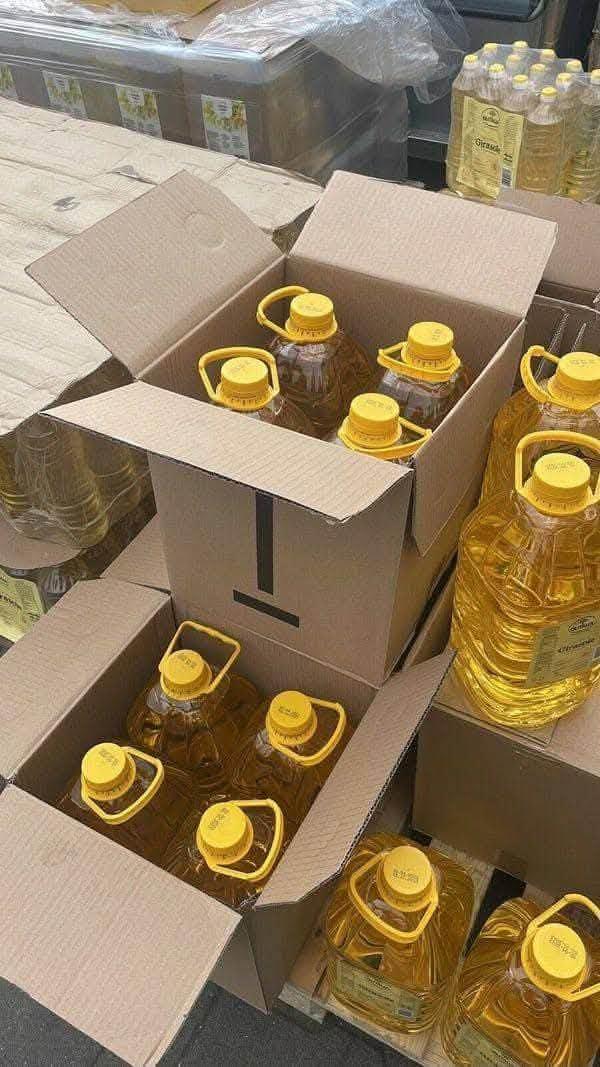
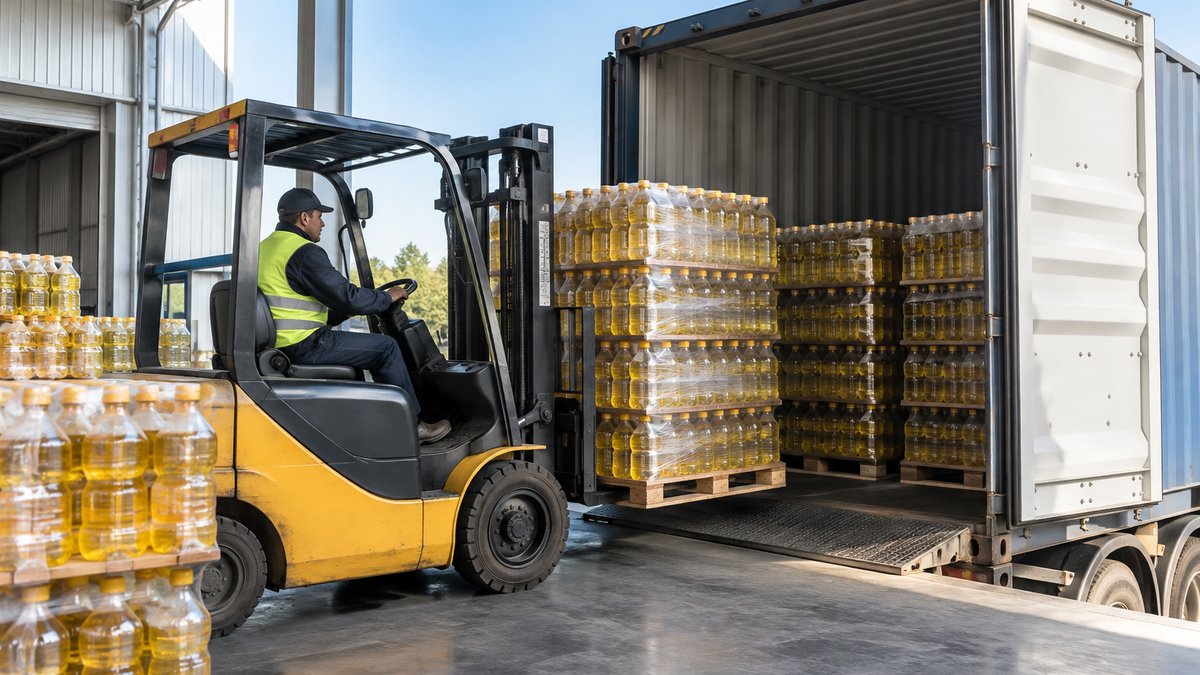
For packaged oil, review the closure and leakage protection, outer packaging strength, pallet stability and container condition. Keep packages protected from water ingress, punctures and excessive heat during staging and inland moves. The buyer and supplier should agree how a damaged package, seal discrepancy or visible contamination will be recorded and handled.
Buying consideration: Put the handling requirements in writing and ensure the carrier, terminal, forwarder and receiver understand them. If temperature control is proposed, use the product’s documented requirements and the equipment provider’s limits rather than applying a generic heating instruction.
3. What Route and Transit Time Should Shippers Plan For?
The U.S.-to-India ocean route depends on the U.S. port, Indian gateway, carrier service, sailing date and whether the routing includes transshipment. A logistics guide published on July 2, 2026, gave indicative container port-to-port ranges of 28–40 days from the U.S. East Coast and 25–35 days from the West Coast. These are published estimates for container freight, not a guaranteed schedule and not a transit-time estimate for a bulk-oil vessel charter.
Port-to-port transit is only one part of the calendar. Inland collection, export documentation, terminal cut-offs, vessel waiting, transshipment, Indian port operations, food-import clearance and final delivery can add time. Do not plan inventory from the ocean estimate alone. Build in a schedule allowance based on the booked service and the importer’s clearance process, then update the plan when the carrier confirms the booking and sailing.
Select the Indian gateway together with the receiver, customs broker and, for bulk cargo, the terminal or storage operator. The closest port geographically may not be the best operational choice if it lacks the required tank, pipeline, discharge or onward-delivery arrangements. For packaged cargo, compare the gateway with the importer’s warehouse and distribution network.
After matching an origin and destination to a workable shipping format, buyers can review related buying requests and supplier listings.
View Latest Oil & Fats Buying Requests →View Potential Oil & Fats Suppliers →
Buying consideration: Ask the forwarder or carrier for the quoted port-to-port transit, transshipment points, schedule frequency, cargo cut-off, free-time conditions and the assumptions behind the estimate. Treat any transit range as provisional until the exact service is booked.
4. Which Documents and Indian Import Steps Should Be Planned?
Food imports into India are subject to the Food Safety and Standards Act and applicable regulations. FSSAI’s food-import information describes a clearance process integrated with Customs ICEGATE through the Food Import Clearance System (FICS). Depending on referral and risk profiling, a consignment may undergo document scrutiny, visual inspection, sampling and testing. If it conforms, FSSAI can generate a No Objection Certificate; a non-conforming result may lead to a Non-Conforming Report.
FSSAI’s published import overview says the importer should hold a valid FSSAI import licence. Its food-import explainer also describes an Importer Exporter Code and customs filing as part of the import process. Importers should confirm the current requirements for their business, the exact sunflower-oil form, tariff classification and port before the shipment is dispatched. India’s import regulations have amendments, including an amendment dated October 27, 2025, so check the applicable current text rather than relying on an old checklist.
This list is a planning aid, not a claim that every document is mandatory for every sunflower-oil shipment. Requirements depend on product form, intended use, current rules and the shipment’s circumstances. The U.S. exporter and Indian importer should align document names, data fields and originals or electronic formats before loading. Keep product names, quantities, lot identifiers and seal details consistent across records.
A clear document and product checklist helps buyers ask suppliers for the information needed to assess a shipment.
View Related Suppliers for This Product →
Buying consideration: Before dispatch, have the Indian importer or broker confirm the applicable food-import and customs filings for the exact product and intended market. Resolve document or licensing gaps before the cargo reaches the port.
5. How Can Exporters Coordinate Loading, Export and Delivery?
A practical shipment plan assigns responsibility for every handoff, from the U.S. plant or storage site to the Indian consignee. For bulk oil, align the loading terminal, vessel, shore tank, pipeline and discharge window. For packaged cargo, coordinate packing completion, container inspection, loading, sealing and inland transport. Confirm the agreed trade term and named place or port in the sales contract; the division of cost and risk depends on the chosen term and should not be inferred from a freight quote.
Before booking and loading
- Confirm the oil description, grade or form, intended use, lot identification and contract specification.
- Select the shipment mode and verify that the carrier and destination receiver accept the equipment and cargo arrangement.
- Agree quantity, package sizes or bulk loading volume, tolerance if any, seals, sampling method and quality-acceptance procedure.
- For bulk transport, request tank condition, cleaning and previous-cargo information relevant to the agreed requirements.
- Confirm the vessel or container booking, port pair, transshipment if any, cut-offs, loading window and consignee’s receiving capacity.
- Align export and import documents with the importer and broker, including how the product will be described consistently.
During loading and transit
- Record shipment identifiers, quantity, seals and any agreed inspection observations at loading.
- Keep copies of the transport document, invoice, packing list, product specification and analysis documents available to the responsible parties.
- Monitor schedule updates and advise the receiver of changes that could affect port clearance, tank availability or onward delivery.
- For a discrepancy or visible damage, record the condition and notify the relevant contractual parties promptly using the agreed claims process.
For food-grade bulk cargo, loading and discharge records matter because the shipment passes through tanks and transfer equipment that may be shared or segregated. The Codex code advises controls for cleaning, inspection, maintenance and product separation. The parties should define which party supplies evidence of those controls and when the buyer may inspect or sample.
Buying consideration: Make a responsibility matrix before the booking is finalized: who arranges equipment, who pays for inspections, who prepares each document, who books discharge capacity, and who responds to schedule changes.
6. How Should Buyers Compare Offers and Source Sunflower Oil for This Lane?
A freight comparison is meaningful only when the product and service are described consistently. Ask each supplier or logistics provider to quote against the same oil form, quantity, packaging or bulk system, loading point, destination port, delivery basis and shipment window. A lower ocean-freight figure may exclude inland movement, handling, inspection, storage, demurrage exposure or destination delivery.
When approaching suppliers, provide the destination, desired product form, volume, packaging preference, target shipment period and required quality documents. Ask for a representative specification and explain how acceptance will be determined. If the product is intended for retail or food service, include the intended pack sizes and any market-specific label or packaging requirements for the Indian importer to verify.
Once the specification, delivery point and import-readiness questions are clear, buyers can continue their supplier search through Freshdi.
View Related Suppliers for This Product →
Freshdi’s Sunflower Oil supplier listings can be one place to explore relevant suppliers. Use the same written specification and delivery assumptions when comparing responses so the review focuses on comparable product and logistics terms.
For the final decision, compare the complete delivered arrangement rather than ocean freight alone: product conformity, equipment, schedule, documentation, receiving capacity and contract responsibilities all affect whether the shipment is workable.
Frequently Asked Questions
How long does sunflower oil take to ship from the United States to India?
A July 2026 logistics guide reported indicative container port-to-port ranges of 28–40 days from the U.S. East Coast and 25–35 days from the West Coast. Actual timing depends on the port pair, sailing, transshipment and operational delays. Bulk-vessel transit must be confirmed for the specific voyage.
Can sunflower oil be shipped in a standard container?
Packaged sunflower oil can move in containers if the packaging, loading and stowage are suitable. Liquid bulk in a container requires an appropriate liquid-container system and acceptance by the carrier and receiver. Confirm compatibility, limits and discharge arrangements before booking.
Does sunflower oil need heating during transport?
Do not assume that it does. Agree handling temperatures using the oil’s product specification and the supplier’s and receiver’s requirements. The Codex code provides temperature-management guidance for edible fats and oils, but the appropriate conditions depend on the product and shipment.
What documents should accompany a sunflower oil shipment to India?
Common planning documents include the commercial invoice, packing list, transport document and product specification or certificate of analysis. The Indian importer and customs broker should confirm the current required filings and any additional certificates for the exact product and shipment.
Does every sunflower oil import to India require FSSAI inspection or testing?
FSSAI describes risk-based referral and clearance procedures that can include document scrutiny, visual inspection, sampling and testing. Whether a particular consignment is referred depends on the applicable process and risk profile; the importer should prepare for clearance and confirm current procedures.
What should buyers check before accepting a bulk sunflower oil shipment?
Agree the product specification and sampling method, inspect or obtain evidence of tank suitability and cleanliness, review relevant previous-cargo information, and confirm transfer-line segregation, quantity records and seal or loading details.
How should a buyer compare U.S. supplier shipping offers?
Compare offers using the same oil form, volume, packaging or tank system, U.S. loading point, Indian destination, shipment window, delivery basis and quality requirements. Check what inland transport, port handling, inspection, storage and destination charges are included.
References
1. Codex Alimentarius Commission, FAO/WHO – Code of Practice for the Storage and Transport of Edible Fats and Oils in Bulk (CXC 36-1987), Revised 2026.
2. Food Safety and Standards Authority of India – Food Imports, Accessed November 10, 2026.
3. Food Safety and Standards Authority of India – Food Safety and Standards (Import) Regulation, 2017: Amendments, October 27, 2025.
4. Express Ocean Logistics – FCL Shipping from USA to India: Ports, Documents and Timelines, July 2, 2026.
5. Food Safety and Standards Authority of India – Food Import, Accessed November 10, 2026.