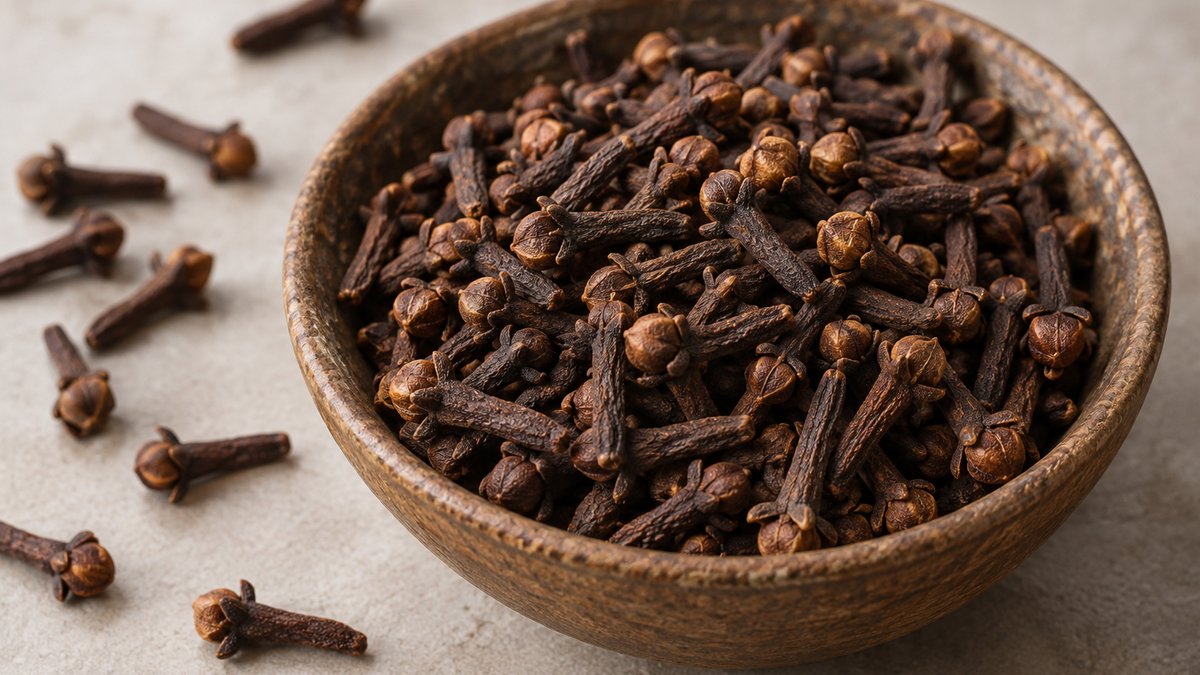

Clove sourcing spans origin grades, bulk quantities and shipping terms, so supplier details need comparison.
Freshdi listings reviewed on November 27, 2026 show ten clove suppliers in Germany, Indonesia, Kenya, South Africa, Sri Lanka and Tanzania. This guide compares five profiles selected for the amount and practical usefulness of their published clove and commercial details. It is a profile-based shortlist, not an official Freshdi ranking or an endorsement.
Key Takeaways
- This profile-based comparison covers five of ten clove suppliers listed on Freshdi as of November 27, 2026; it is not an official ranking or endorsement.
- Published offers include Indonesian Zanzibar and Lalpari cloves, a Sri Lankan Lal Pari grade, and Tanzanian listings for whole cloves.
- Stated MOQ entries are not directly comparable: some give 1 MT or 5 Tons, while others say only “Tons” or “Kilogram.”
- Supplier profiles list different ports and trade terms; confirm origin, loading port, product grade, current availability and quotation basis in writing.
- A profile verification marker or listed certificate is not a substitute for independent business, product and document checks.
1. Clove Market Overview
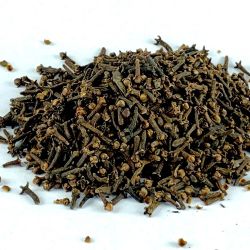
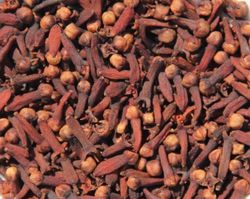
Cloves are dried flower buds traded whole or ground, with buyers sourcing them for spice blends, food processing, wholesale distribution and other uses. A commercial comparison needs to start with the product form and intended specification. Whole cloves and ground cloves are not interchangeable offers; whole cloves also need an agreed grade, moisture and cleanliness parameters, packing format and test requirements before quotations can be compared.
UN Comtrade’s 2025 annual trade statistics for HS 0907, “Cloves (whole fruit, cloves and stems),” report Indonesian exports of 39,421,926 kg and Madagascar exports of 24,966,889 kg. These are reported export quantities for calendar year 2025, not production totals, current offers or a complete measure of the global market. The figures show why Indonesia and established producing origins matter to buyers, but they do not establish the capacity or provenance of any individual supplier.
For Tanzania, an older production reference is the FAO-published 2020 World Census of Agriculture report. It records 36,480 households engaged in clove production and 3,364 tonnes of production in the census period. Those figures describe the census data, not current annual output. They provide context for the country’s agricultural connection to cloves, but should not be used as a forecast or as proof that a particular listing has stock.
Freshdi’s live listing summary reviewed on November 27, 2026 contains ten supplier profiles from six countries. Tanzania accounts for several profiles, while Indonesia and Sri Lanka listings include named types or grades. These are observations about the platform’s listed records only; they do not represent market shares, supplier rankings by sales, or the full set of exporters operating in those countries.
2. Top 5 Clove Suppliers for Global Buyers
2.1 Supplier Selection Criteria
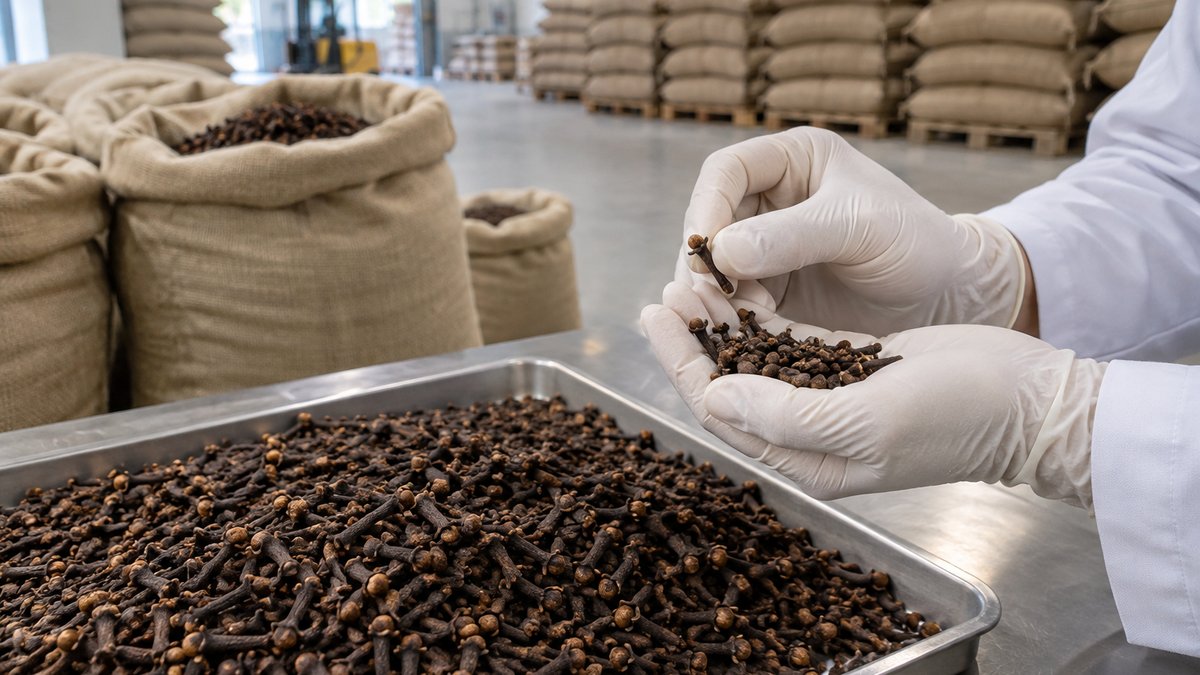
The selection draws five profiles from the ten clove supplier records provided for review. Each selected profile has at least one clove product listing and publishes details that can support a buyer’s initial screening: product wording, stated MOQ, a port, trade terms, or a named type or grade. The comparison favors usable product and commercial information, not a claim that a supplier is better than another.
The five were chosen to reflect different sourcing questions: Indonesian listings that name clove types, Tanzania-based listings with differing MOQ and port details, and a Sri Lankan listing that identifies a grade. The records show supplier country, business types, establishment year, profile verification fields, certificate labels, stated export countries, trade terms, ports and listed products. A missing or unclear field is treated as information to request, not filled in by assumption.
2.2 Ranking Methodology
This is a transparent editorial ordering of a shortlist, not an official Freshdi ranking. The chosen profiles are presented in order of how much clove-specific product information and buyer-relevant commercial detail their records make available. The review date is November 27, 2026, and the source is the Freshdi supplier data supplied for this article. The data reflects live product listings on that date; no supplier was contacted and no detail was independently confirmed.
2.3 Supplier Profiles
2.3.1 Lana Terra — Indonesian Zanzibar and Lalpari Cloves
The Indonesia-based profile lists two whole dried clove products: Indonesian Zanzibar Cloves AB6 and Indonesian Lalpari Cloves AB6. Each listing states an MOQ of 1 ton or 1 MT, respectively. The profile gives Surabaya as its port and lists CIF, FOB, CFR, EXW, DAP and DDP among its trade terms. It was established in 2026 according to the record, and the certificate field says “ST COA.”
Potential fit: buyers comparing named Indonesian clove types at a stated one-ton minimum. Confirm what AB6 means in the supplier’s specification, how the grade is assessed, whether the MOQ applies to each type separately, and whether both types are currently available. Request the complete certificate or analysis document, its issuer and date, plus a current quote naming the loading port and destination.
2.3.2 Integra Artha Terra — Multiple Indonesian Clove Types
This Indonesian profile lists “Premium Indonesian Whole Cloves” in Zanzibar, Lalpari and AB6 grades, as well as a separate Zanzibar and Ambon grade listing. The MOQ field says “Tons,” without a numeric quantity. Jakarta is the stated port; FOB and CIF are listed as trade terms. The supplier record gives 2025 as its establishment year and “Report Of Analysist” as its certificate field.
Potential fit: buyers looking to compare several named Indonesian types through one supplier inquiry. The records do not specify the quantity represented by “Tons,” the detailed grading criteria, packaging or analysis values. Ask for a dated specification and certificate of analysis for the proposed lot, including the test methods and laboratory, and confirm the exact MOQ, packing, origin and loading arrangements before comparing the offer with other suppliers.
2.3.3 THE GREEN INTERNATIONAL LIMITED — Bulk Clove Listings from Tanzania
The Tanzania-based profile has two clove listings, one describing bulk supply and another describing premium natural cloves. Both use “Tons” as the MOQ entry without a number. The profile lists Dar es Salaam as its port and CIF and CFR among its trade terms; it also includes TT and “To be discussed” in the trade-term field. The record lists 2007 as its establishment year and includes several certificate labels, including an export license and phytosanitary certificate.
Potential fit: buyers exploring bulk supply from a Tanzania-based trading company, distributor or manufacturer as classified in the profile. The product descriptions use general quality language but do not provide measurable grade parameters. Confirm the actual quantity threshold, product origin, lot availability, packaging, specification, test results and which listed certificates apply to the shipment. Clarify what “To be discussed” means commercially and agree the exact Incoterm and named port in the quotation.
2.3.4 malter group — Whole Cloves with a Stated 5-Ton MOQ
The Tanzania-based profile lists two whole-clove products, with descriptions referring to export standard cloves, strong aroma, high oil content, and freshly packed cloves. Both entries state an MOQ of 5 Tons. The profile gives Mombasa port as its port, although the supplier country is shown as Tanzania. Its terms include FOB, CIF, CPT, CFR, EXW, TT and several other listed options. The record gives 2012 as the establishment year and lists an incorporation certificate.
Potential fit: buyers whose planned order is around the stated five-ton MOQ and who want to ask about whole-clove characteristics. The Mombasa port field and Tanzania supplier country are different locations, so establish the actual product origin, export route and loading port rather than assuming they match. Request measurable quality parameters behind “high oil content,” a current test report, packing details, and written confirmation of the MOQ and available quantity.
2.3.5 Rathnayaka Prime Exports (Pvt) Ltd — Sri Lankan Lal Pari Grade
The Sri Lankan profile lists “Whole Cloves — Hand Picked Premium (Lal Pari Grade).” Its MOQ is recorded as “Kilogram,” without a numeric amount. The stated port is Colombo, and CIF is the listed trade term. The profile record gives 2026 as the establishment year and lists a Business Registration Certificate.
Potential fit: buyers seeking a Sri Lankan offer identified with the Lal Pari grade and a CIF quotation. The listing does not state a numeric MOQ, packaging, price, certificate scope or detailed product specification. Ask for the minimum order in kilograms, current quantity, grade definition and sample policy. For a CIF offer, confirm the named destination port, included freight and insurance, and the agreed delivery and document details.
2.4 Quick Supplier Comparison
The supplier table below displays the selected Freshdi records for comparison. MOQ entries are shown as published, including unit-only entries that cannot be converted into a definite quantity. Listing terms and certificate labels are not independent validation; request supporting documents and a current written quotation.
| Supplier | Country | Products (MOQ) | Certificates | |
|---|---|---|---|---|
 | Lana Terra | Indonesia | Indonesian Zanzibar Cloves AB6 – Premium Whole Dried Cloves (MOQ 1 Tons); Indonesian Lalpari Cloves AB6 – Premium Whole Dried Cloves (MOQ 1 MT) | ST COA |
 | Integra Artha Terra | Indonesia | Premium Indonesian Whole Cloves (Syzygium aromaticum) Zanzibar, Lalpari, AB6 All Grade (MOQ Tons); Premium Indonesian Cloves — Zanzibar, Ambon Grade (Whole Cloves / Cengkeh Utuh) (MOQ Tons) | Report Of Analysist |
 | THE GREEN INTERNATIONAL LIMITED | Tanzania | Bulk Supply Cloves With Rich Natural Fragrance Cloves For International Buyers And Export Traders (MOQ Tons); Premium Natural Cloves With Strong Aroma Cloves For Bulk Supply And High Quality Buyers With 100% Satisfaction (MOQ Tons) | TDFA, TIN, EXPORT LICENSE, INCORPORATION, PHYTOSANITARY CERTIFICATE |
 | malter group | Tanzania | Premium Quality Whole Cloves Export Standard Cloves With Strong Aroma (MOQ 5 Tons); Freshly packed Cloves for sale with strong flavor Cloves suitable for buyers looking for premium natural spice (MOQ 5 Tons) | Incorporation certificate |
 | Rathnayaka Prime Exports (Pvt) Ltd | Sri Lanka | Whole Cloves — Hand Picked Premium (Lal Pari Grade) (MOQ Kilogram) | Business Registration Certificate |
Looking to Source Clove?
Connect with verified suppliers, discover matching products, and explore sourcing opportunities from global markets.
3. Which Suppliers Should You Contact for Your Buying Needs?
If origin and named clove type are central to your brief, start by comparing the two Indonesian profiles. Lana Terra specifies Zanzibar AB6 and Lalpari AB6, with a numeric one-ton MOQ for each listing. Integra Artha Terra names Zanzibar, Lalpari, AB6 and Ambon, but its MOQ is only stated as “Tons.” Ask both suppliers for the same grade definitions, current lot details and evidence of origin before comparing the product.
If your order plan is several tonnes, malter group’s listing states 5 Tons for each of two whole-clove products. THE GREEN INTERNATIONAL LIMITED presents bulk supply but gives “Tons” without a number. Those entries may help buyers frame an initial inquiry, but neither confirms current volume. Request a written offer with the total available quantity, MOQ by product, packaging and shipment schedule.
If you want to examine a Sri Lankan Lal Pari grade, Rathnayaka Prime Exports lists that named grade and CIF as its trade term. The listing’s “Kilogram” MOQ is incomplete as a quantity, so establish the actual minimum before progressing. Compare its CIF quotation with other offers only after all quotes identify the same destination port, quality basis, packaging and included freight and insurance.
Ports deserve particular attention in this shortlist. The profiles show Surabaya, Jakarta, Dar es Salaam, Mombasa and Colombo, while the stated supplier countries include Indonesia, Tanzania and Sri Lanka. Treat the profile port as a field to verify, not proof that a product originates there or that a shipment will load there. Make origin, loading port and any transit or consolidation location explicit in the supplier’s quotation and draft shipping documents.
Buying consideration: Shortlist based on documented fit, then pause on any offer where MOQ, origin, grade, port or certificate scope remains unclear. Resolve those gaps in writing before arranging a sample, payment or shipment.
4. How to Evaluate Clove Suppliers Before Buying
Product quality and specifications: agree whether the order is for whole cloves or ground cloves and define the grade in measurable terms. For whole cloves, request the supplier’s specification for the characteristics relevant to your use, such as moisture, foreign matter, damaged or broken buds, stem content and volatile oil or eugenol testing if required. These are questions to put into a buyer specification, not values established by the Freshdi listings. Confirm the sampling method and have the delivered lot assessed against the agreed specification.
Business verification: check the legal entity name, registration details, address, authorized signatory and bank-account beneficiary using independent records appropriate to the supplier’s country. A Freshdi business or phone verification marker is a platform field, not a guarantee of commercial reliability. Verify that the company issuing the quotation, invoice and shipping documents is the entity you have screened.
MOQ and supply capacity: clarify whether a published MOQ applies to one grade, a mixed order or one shipment. Ask for current available quantity, expected replenishment and whether the supplier is a grower, processor, agent or trader for the specific lot. Freshdi’s supplier records classify companies by business type, but a profile classification alone does not establish who owns the goods or controls the supply.
Certifications and documents: request the document itself, its issuing body, validity dates, scope and whether it covers the product, facility and lot under discussion. The International Plant Protection Convention’s ISPM 12 explains that phytosanitary certificates attest that regulated plants or plant products meet the importing country’s phytosanitary requirements. Whether cloves need a certificate and what declarations apply depend on destination-country rules and the specific consignment; do not assume that a profile label alone satisfies them.
For food safety requirements, check the current rules for the destination market and the product’s intended use. For example, the European Commission’s pesticide-residue framework applies EU maximum residue levels to food placed on the EU market, including imports. Buyers selling into the EU should check the current legal MRL for the relevant product and pesticide and agree how compliance will be demonstrated. This is a destination-specific regulatory check, separate from voluntary certifications.
Pricing and quotation: compare offers on the same product form, specification, grade, quantity, package, currency, unit, shipment period and Incoterm. Ask whether the quotation is per kilogram, tonne or another unit and whether freight, insurance, loading, inspection and export documentation are included. None of the selected supplier records provides a current price, so price and landed cost must come from a dated quotation rather than inference from profile details.
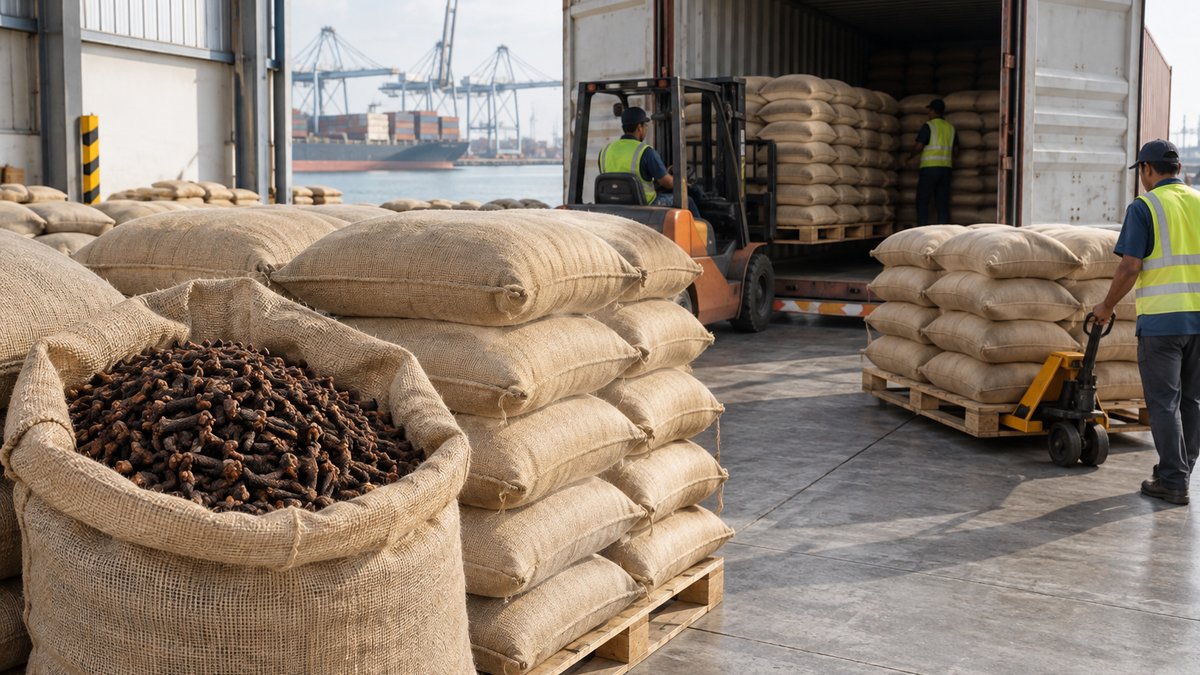
Logistics and payment: confirm the named place or port, who arranges each transport leg, packaging suitability, loading plan, lead time and documents required by your customs broker. Agree payment timing, bank charges and any documentary conditions in a signed contract. The profiles list terms such as CIF, FOB, CFR and EXW, but the exact responsibilities depend on the agreed Incoterm and named place. Ask the supplier to state the chosen Incoterm and version in the contract.
5. How Freshdi Helps Buyers Find Clove Suppliers
Freshdi’s supplier directory and category pages can help buyers discover listings and review the information suppliers have published. Start with clove suppliers on Freshdi and compare the available product descriptions, supplier locations, stated MOQ, ports and commercial terms. Buyers can also review clove buying opportunities to understand posted sourcing needs; those requests should be treated as individual records, not as a market-wide demand measure.
Review the profile and product listing together. Check whether the product wording is specific enough for your grade, whether the MOQ is numeric, and whether port, trade term and documents are stated. If a field is absent or ambiguous, ask the supplier rather than filling it in. Buyers can browse the broader Freshdi supplier directory and Freshdi buyer directory for additional marketplace records.
When a sourcing requirement is more complex, the Freshdi Account Manager page is available as another platform route. Regardless of how a supplier is discovered, conduct your own checks, request the same specification and quotation fields from each candidate, and make the final decision using the confirmed offer and destination-market requirements.
Once you have a clove specification and target quantity, use the supplier category to explore listings that may fit your inquiry.
View Related Suppliers for This Product →
6. Conclusion
The five selected profiles offer different starting points: Indonesian listings name Zanzibar, Lalpari, AB6 or Ambon types; Tanzania-based listings include general bulk offers and a stated 5-ton MOQ; and the Sri Lankan listing names Lal Pari grade. Their profile fields also differ in how clearly they state quantity, port, documents and commercial terms. No single profile supplies enough information to make a purchase decision without follow-up.
A practical next step is to define the grade and product form, set a realistic quantity, and send a consistent inquiry to two or more candidates. Confirm origin, loading port, MOQ, packaging, test documentation, destination requirements, Incoterm and payment conditions before comparing dated quotations. The shortlist is based on Freshdi profile information reviewed on November 27, 2026; details and availability should be reconfirmed directly before an order.
With your specification and verification checklist ready, explore clove supplier listings on Freshdi.
View Related Suppliers for This Product →
Frequently Asked Questions
How were these five clove suppliers selected?
They were selected from ten Freshdi clove supplier records provided for review, based on the amount and usefulness of published clove and commercial information, including product descriptions, stated MOQ, port and trade terms. The ordering is an editorial comparison, not an official Freshdi ranking, endorsement or measure of supplier performance.
Which listed suppliers specify Indonesian clove types?
Lana Terra lists Indonesian Zanzibar AB6 and Lalpari AB6 cloves. Integra Artha Terra lists Zanzibar, Lalpari, AB6 and Ambon types or grades. Buyers should ask each supplier for its grade definitions, current lot details and supporting origin documents.
Can I compare the listed MOQs directly?
Not in every case. Lana Terra lists 1 ton or 1 MT, and malter group lists 5 Tons. Other selected records use entries such as “Tons” or “Kilogram” without stating a numeric quantity. Ask the supplier to confirm the MOQ for the specific grade, packaging and order configuration.
What documents should I request from a clove supplier?
Request documents relevant to your product, shipment and destination, such as a current specification, lot-specific test results, origin evidence and any required export or phytosanitary documents. Confirm who issued each document, its date and scope. Import requirements vary by country and consignment, so check them with the relevant authority or customs specialist.
How should buyers compare CIF and FOB clove offers?
Ask each supplier to quote the same product, quantity, packaging, destination and named port or place. Check the applicable Incoterm version, included charges, transport responsibilities and payment terms. A CIF quote and an FOB quote are not directly comparable without accounting for what each includes and what remains for the buyer to arrange.
References
1. UN Comtrade – Trade statistics: HS 0907 Cloves, annual exports, 2025, 2025.
2. Food and Agriculture Organization of the United Nations – World Census of Agriculture 2020: United Republic of Tanzania, Report 2, 2020.
3. European Commission – Maximum Residue Levels, Current information accessed November 27, 2026.
4. International Plant Protection Convention – ISPM 12: Phytosanitary certificates, 2022.
5. Freshdi – Supplier listings and profiles for the five clove suppliers compared; live listing data reviewed November 27, 2026, November 27, 2026.
Disclaimer: This article is compiled from platform data, public sources and information provided by third parties, for general informational purposes only. We do not guarantee its accuracy or completeness. Mentions and rankings of suppliers do not constitute an endorsement or guarantee, and strategies and examples are illustrative; results may vary. Please conduct your own due diligence before making business decisions.