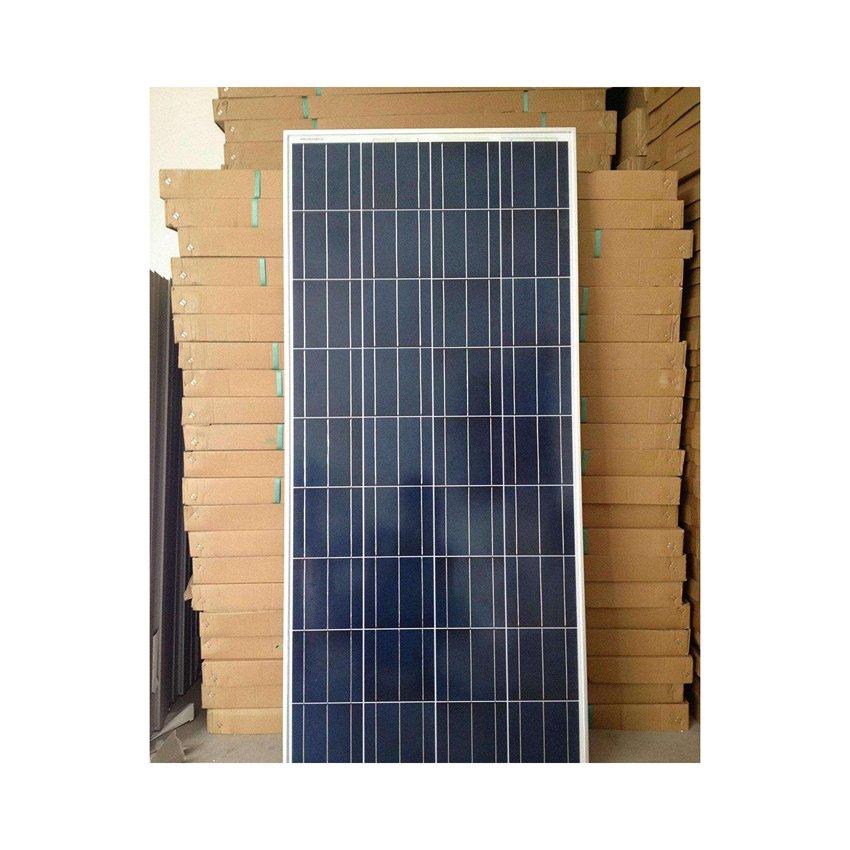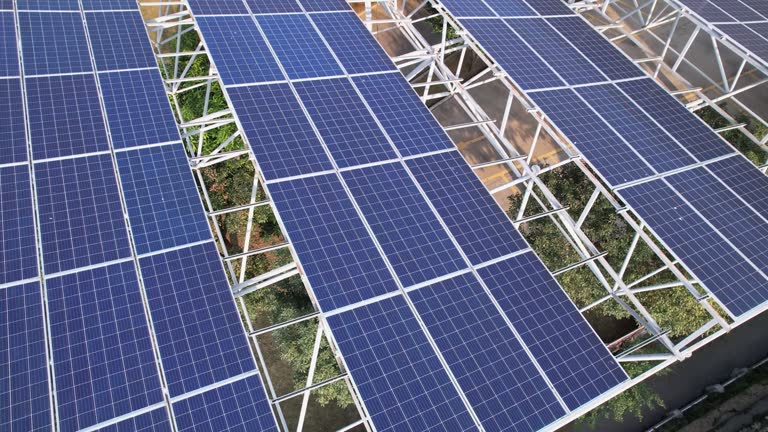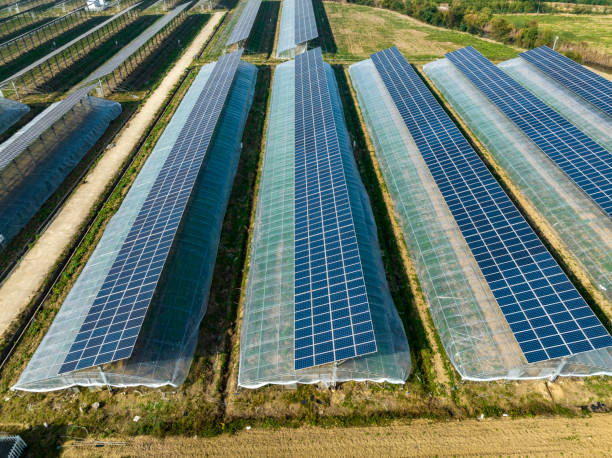
Introduction – The Solar Energy System Surge in South Africa
South Africa is at the center of a solar revolution—but it’s not all sunshine and smooth sailing. In recent months, the Solar Energy System market has seen a whirlwind of developments. From policy-related curveballs to supply chain bottlenecks and booming demand driven by a national energy crisis, the landscape has shifted rapidly in 2025.
One of the most significant changes came in mid-2024 when the International Trade Administration Commission (ITAC) slapped a 10% import tariff on crystalline silicon photovoltaic (PV) modules and panels. Aimed at protecting local manufacturers, this move caught many industry players off guard. Fast forward to April 2025, and ITAC has now proposed even steeper tariffs—up to 30%—on a wide range of renewable energy components. The result? Increased installation costs and financial pressure on both suppliers and consumers.
Meanwhile, South Africa’s domestic solar production capacity lags far behind its skyrocketing demand. With only 620 MW of annual panel assembly capacity and a need approaching 3 GW, local supply cannot keep pace. And although the climate supports solar generation year-round, regional weather fluctuations further complicate energy planning.
All of this means one thing: if you’re in the business of solar energy systems in South Africa, you need to stay alert, agile, and ahead of the curve.
Deep Dive – Market Movers: What’s Shaping the Solar Wave
Solar Capacity Soars
As of 2025, South Africa’s installed solar capacity hit 8.75 GW, and the country is well on track to double that by 2031. That’s a seriously impressive 11.58% annual growth rate. The driving forces? A national pivot from coal to clean energy, a corporate hunger for sustainable electricity, and persistent grid unreliability.
Commercial and Industrial Adoption Leads the Charge
More than 70% of solar installers now operate across multiple sectors—residential, commercial, and industrial. But it’s the C&I sector that’s making the most noise, accounting for 43% of the market. Businesses are embracing solar not just as an eco-friendly move but as a strategic hedge against load shedding and rising electricity prices.
Supply Chain Strains and Price Hikes
Let’s talk money. Equipment procurement costs have jumped by roughly 9% in late 2025. This spike is due to global factors like polysilicon production cuts and the scrapping of China’s VAT export rebate. These ripple effects are hitting South African developers hard, forcing many to rethink their sourcing strategies.
Local Manufacturing: A Work in Progress
South Africa is trying to build out its own solar manufacturing capacity, but it’s not there yet. European partnerships are being explored to fill the gaps, and the government is encouraging local production. But until those efforts bear fruit, international suppliers remain critical.
Private Sector Investment Heats Up
Big names like Sasol, Teraco, and Glencore are putting serious money into solar. Juwi Renewable Energies is constructing three solar plants totaling 340 MW. These projects underscore the private sector’s growing role in South Africa’s green energy transition.
Mining Goes Solar
Between 2019 and 2024, mining companies registered 242 MW of private solar generation. That’s 93% of all private registrations in the sector. Firms like Harmony Gold and Glencore are leading the charge, aiming to reduce their energy costs and meet sustainability targets.
Top 8 Verified Solar Energy System Suppliers in South Africa – Navigating Current Market Realities
Selecting a reliable solar supplier in this ever-evolving market is no small feat. The following list highlights verified suppliers with strong track records, international presence, and excellent reviews on platforms like Freshdi, which offers real-time supplier data, RFQ trends, and market insights.
1. SolEnergy CC
A highly respected name in the South African solar landscape, SolEnergy CC offers turnkey solar solutions for both residential and commercial clients. Their systems are designed with local conditions in mind, and they’re known for their responsive post-installation support.
- Specialties: Solar panels, inverters, battery storage
- Certifications: ISO 9001, SABS
- Global Reach: Southern Africa, EU markets
- Notable Clients: Municipalities, mining operations
2. SolarTech SA
A pioneer in the rooftop solar segment, SolarTech SA focuses on scalable solar energy systems. Their experienced engineering team ensures optimal system performance even under fluctuating weather conditions.
- Specialties: Grid-tied and off-grid solar solutions
- Certifications: SAPVIA member, Green Card-certified installers
- Freshdi Rating: 4.7/5
3. SunStream Energy
Known for its innovation in solar tracking technology, SunStream Energy helps maximize solar yield across large-scale installations. They also offer hybrid energy systems tailored to industrial clients.
- Specialties: Solar tracking systems, hybrid solar-diesel setups
- Important Note: Offers financing options for SMEs
4. EcoSol Africa
EcoSol is a full-service EPC (engineering, procurement, construction) company with a strong focus on sustainability. Their solar farms are widely used in the agricultural and mining sectors.
- Specialties: Large-scale solar farms, agro-solar systems
- Freshdi Verified: Yes
- Export Experience: Kenya, Zambia, Namibia
5. BrightVolt Solutions
BrightVolt leads in lithium battery-integrated solar systems, perfect for load-shifting and backup applications. They cater heavily to the residential and SME market.
- Specialties: Battery-integrated solar kits, inverters
- Certifications: IEC, CE
- RFQ Volume on Freshdi: High
6. GreenSpark Energy
This Johannesburg-based supplier focuses on smart solar energy systems with IoT-enabled monitoring. Their systems offer real-time analytics and predictive maintenance alerts.
- Specialties: Smart solar systems, IoT integration
- Corporate Clients: Retail chains, universities
7. Afrisol Energy
Afrisol brings a regional focus with strong networks in Limpopo and Eastern Cape. They provide off-grid solar kits to under-electrified areas and help communities transition to clean energy.
- Specialties: Off-grid solar kits, community energy projects
- Freshdi Buyer Reviews: Excellent for rural deployment
8. SolarGrid Technologies
They specialize in C&I solar systems with demand-side management features. Their systems are built to reduce peak demand charges—a big value-add for factories and warehouses.
- Specialties: Demand-side optimized solar systems
- Certifications: ISO 14001, Energy Management Systems
Dynamic Ranking Note
Keep in mind that platforms like Freshdi offer dynamic supplier rankings—think “Suppliers of the Month/Quarter”—based on real-time buyer activity, RFQ volume, and customer feedback. It’s a smart way to stay updated on who’s performing best under current market conditions.
Market Navigation – How to Stay Smart in a Shifting Landscape
Opportunities Amidst the Chaos
Despite cost pressures and policy hurdles, opportunities in South Africa’s solar sector are still abundant. The energy crisis, rising electricity tariffs, and climate-friendly business mandates mean demand isn’t going anywhere. Residential solar, in particular, is booming—with potential to add 5 GW by 2030.
Risks to Watch
But risks are real. Tariff hikes could make imported components prohibitively expensive. Local manufacturing isn’t yet robust enough to fill the gap. And procurement delays could derail project timelines.
Sourcing Strategy Shake-Up
Buyers need to recalibrate. That means diversifying supplier bases, locking in prices through long-term contracts, and leaning on platforms like Freshdi for verified supplier lists, RFQ alerts, and trend analysis.
Product Focus: What’s Hot Right Now?
- Hybrid Systems: Combining solar with batteries or diesel for consistent power
- Smart Monitoring Solutions: Especially popular with commercial clients
- Off-Grid Kits: High demand in under-electrified rural areas
- Modular Solar Farms: Gaining traction with agriculture and mining sectors
Regional sourcing can also be a game-changer. Suppliers in Gauteng and Western Cape are generally better equipped with logistics and support infrastructure.
Conclusion – Key Takeaways for Businesses in a Fast-Moving Market
South Africa’s solar energy system sector is in rapid motion. Policy changes, supply chain shifts, and evolving consumer needs are reshaping the landscape almost daily. While the challenges—like rising tariffs and equipment shortages—are formidable, the opportunities are just as compelling.
To thrive in this environment, businesses must:
- Stay updated on policy developments
- Rethink sourcing strategies
- Prioritize verified, adaptable suppliers
- Watch for new RFQs and market trends
Solar Sourcing Checklist for October 2025
- [ ] Have you reviewed the latest import tariffs and their impact on your cost model?
- [ ] Are your suppliers verified and adaptable to changing regulations?
- [ ] Have you explored hybrid or off-grid systems to meet client needs?
- [ ] Are you using platforms like Freshdi for real-time RFQ and supplier trends?
- [ ] Do you have contingency plans for delayed imports or cost spikes?
How Freshdi Empowers Buyers
Platforms like Freshdi are essential tools for navigating a volatile market. They provide:
- Real-time supplier verification
- RFQ trends and alerts based on current market events
- Dynamic supplier rankings and reviews
- Direct access to suppliers managing South Africa’s current solar challenges
Stay agile. Stay informed. And let tools like Freshdi guide your next smart sourcing move.
FAQs
1. Are solar energy systems still affordable in South Africa after the new tariffs?
Affordability has taken a hit, especially for imports. However, local suppliers and hybrid systems with financing options are easing the burden.
2. What’s the best type of solar system for South African homes in 2025?
Hybrid systems with battery backup are ideal, especially in areas prone to load shedding.
3. How do I verify a solar supplier in South Africa?
Use B2B platforms like Freshdi to check certifications, buyer reviews, and RFQ history.
4. Is local manufacturing expected to meet demand soon?
Not immediately. While government policies support local production, capacity is still far below demand.
5. Which regions in South Africa have the most reliable solar suppliers?
Gauteng and Western Cape are leading in terms of infrastructure and supplier networks.
References
- pv-magazine.com
- itweb.co.za
- solarmagazine.com
- sundaytimes.timeslive.co.za
- mordorintelligence.com
- businesstechafrica.co.za
- greenbuildingafrica.co.za
- sapvia.co.za
- renewable-energy-industry.com
- en.wikipedia.org
- businesstechafrica.co.za – Mining