
Introduction
Buyers sourcing green coffee from Ethiopia, Uganda, Kenya, Tanzania and other African origins can use global marketplaces, Africa-focused exchanges and buyer-lead directories. These channels differ in what they publish: some combine product listings with buying requests, while others focus on supplier catalogues or a narrower regional trade network.
This comparison covers Freshdi, Africa Trade Exchange (ATEX), Alibaba and go4WorldBusiness. It uses publicly described platform functions and coffee-related listings as the comparison criteria. A listing or verification signal is a starting point for screening, not proof of a supplier's current stock, coffee quality or ability to complete a transaction.
Key Takeaways
- Freshdi has separate Green Coffee Bean buyer and supplier categories, so users can look for product listings and buying requests in one place.
- ATEX presents itself as an Africa-focused B2B and B2G marketplace, lists coffee among its categories and describes a verification process for participants.
- Alibaba supports product searches and RFQs, with Trade Assurance available for eligible transactions that meet its terms.
- go4WorldBusiness has coffee buyer-lead pages with entries associated with African countries; check each listing's date and status before treating it as current demand.
- Compare product fit, origin detail, buying-request freshness, access costs and transaction terms before choosing a channel.
1. Four Platforms for African Green Coffee Trade
The platforms below serve different sourcing tasks. Freshdi has product-specific Green Coffee Bean categories, ATEX is oriented toward African trade, Alibaba provides broad global sourcing workflows, and go4WorldBusiness publishes buyer-lead pages. The comparison is qualitative: it does not rank platforms by sales, buyer quality or transaction results.
A platform's stated features describe its workflow, not the quality of a particular coffee lot. Buyers still need to establish who controls the coffee, whether the seller can supply the stated origin and volume, and whether the commercial terms match the shipment.
2. Freshdi Connects Green Coffee Listings with Buying Requests
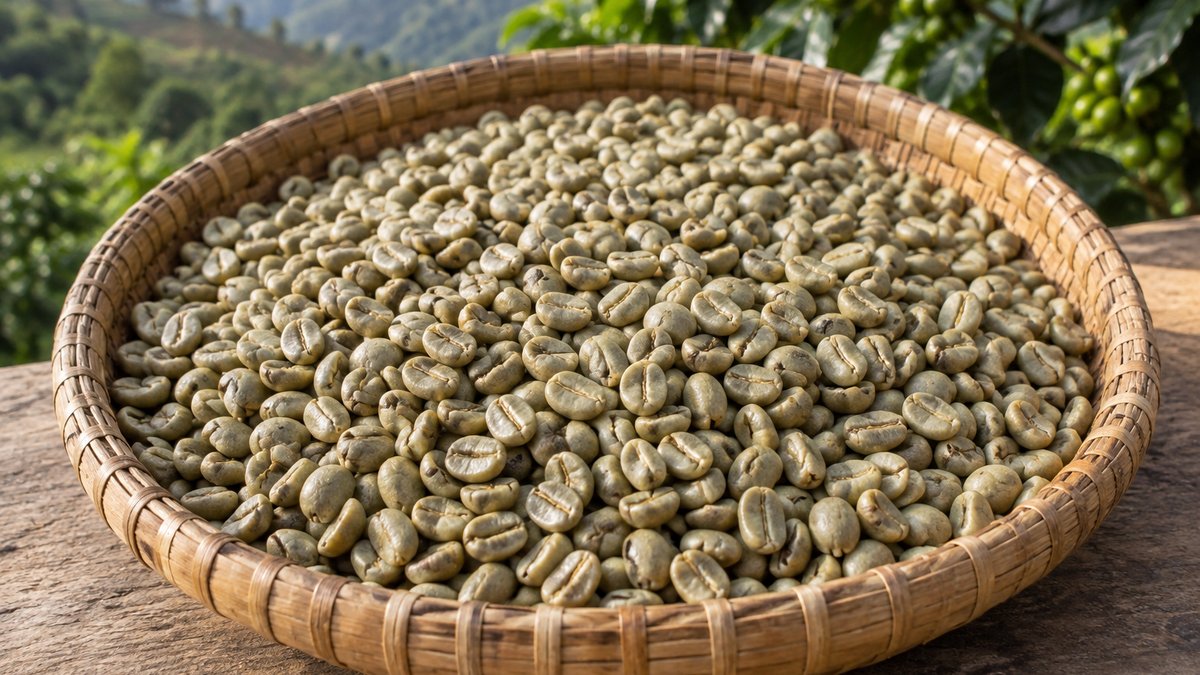
Freshdi has a Green Coffee Bean category for buyers and a separate category for suppliers. The product pages give exporters a place to review relevant requests and give buyers a route to browse supplier listings. The wider Coffee & Coffee Bean category can also be useful when a buyer's search includes other coffee forms.
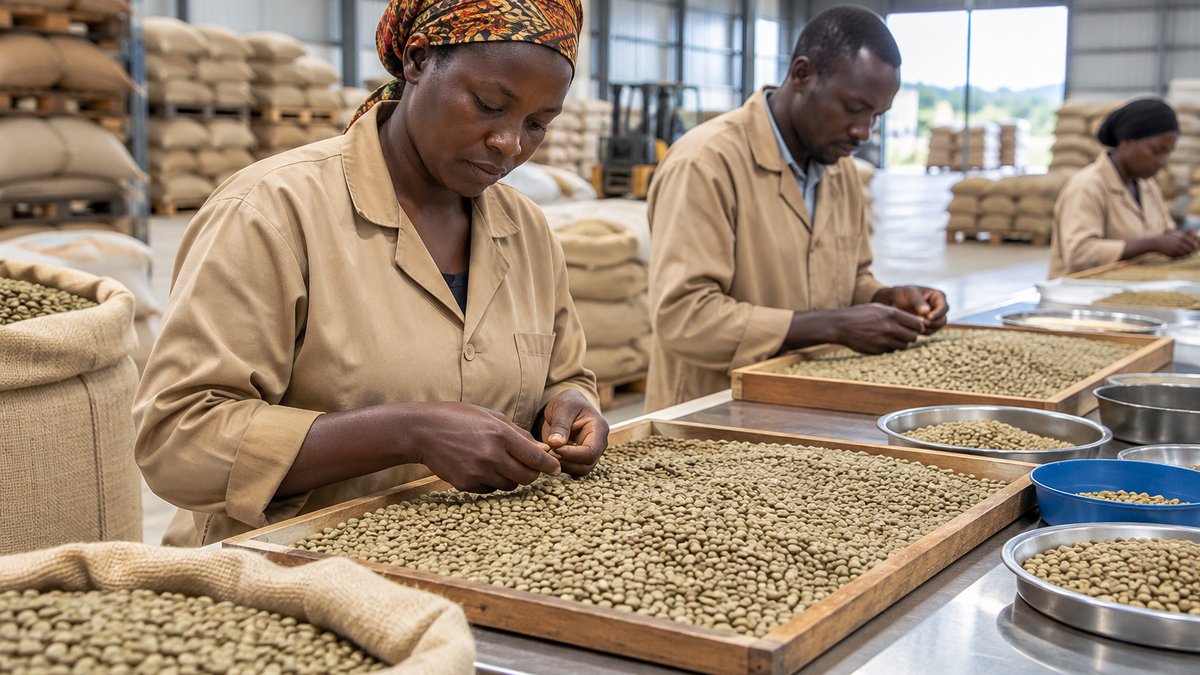
For an African exporter, the first task is to confirm that a listing actually matches the lot on hand. Check the stated origin, Arabica or Robusta type, processing method, grade, crop or harvest details, available volume and packaging. If the buyer's request leaves one of these fields open, ask for the missing specification before preparing a firm price.
Buyers can use the supplier category to build an initial shortlist, then compare profile details against their own purchasing specification. A supplier profile or platform verification marker does not by itself establish a lot's cup profile, traceability, certification scope or shipment readiness. Ask for documents and samples relevant to the purchase, and agree how quality will be assessed.
The product-specific categories are a practical starting point when the search is for green coffee rather than roasted coffee or a general coffee listing. Review the Green Coffee Bean buyer category for requests and check the linked supplier information against the exact origin and lot you need.
Freshdi's strongest fit in this comparison is product-specific discovery across buyer requests and supplier listings. The live supply and demand relevant to an African origin can change, so check current listings instead of assuming a particular country or grade is represented.
3. ATEX Is an Africa-Focused Marketplace with a Coffee Category
Africa Trade Exchange, or ATEX, describes itself as a B2B and B2G marketplace built for trade across Africa and with international partners. Its public catalogue includes coffee, and the site describes buyers browsing suppliers and requesting quotations. That makes it relevant to businesses looking for an Africa-oriented route into bulk commodity sourcing.
ATEX also describes participant verification and services connected with logistics, order management and trade finance. These are platform statements, not a guarantee that a particular coffee seller has passed every buyer's due-diligence requirements or that financing is available for every transaction. Confirm the requirements, coverage and costs that apply to your account and proposed trade.
For green coffee buyers, catalogue presence is only the first filter. Search for the named origin and ask whether the supplier is the producer, cooperative, exporter or trader. Then request lot-level information, including the available quantity, processing, grade, current crop details and the basis on which quality will be approved. An origin-country match does not show that a supplier controls export-ready stock.
Exporters should check whether ATEX's current buying and selling workflow reaches the destination markets they serve. Its Africa focus may suit businesses seeking regional trade connections, while a seller targeting a distant roaster or importer may need another channel alongside it. Compare the actual buyer requests and supplier catalogue with your sales plan before committing staff time.
ATEX's own terms describe it as a third-party marketplace and say independent suppliers manage listed products. Buyers and exporters should therefore confirm product, payment, inspection, delivery and dispute provisions directly in the transaction documents rather than treating marketplace participation as transaction insurance.
4. Alibaba Offers Broad Product Discovery and RFQ Workflows
Alibaba is a broad international sourcing platform. Its buyer guidance describes product searches, requests for quotation (RFQs) and communication through its platform. For green coffee, a buyer can search by product and origin or submit an RFQ that specifies the required coffee and delivery destination.
An RFQ is useful when the buyer has a defined purchase requirement and wants suppliers to respond against it. Include the origin, bean type, processing, grade or quality measures, quantity, packaging, destination and target shipment period. If you require a particular certification or traceability record, state it clearly and ask suppliers to provide documents relevant to the lot.
Alibaba describes Trade Assurance for eligible orders placed under its terms. Buyers should check the current eligibility, payment process and order coverage before relying on it. Keep the product specification, quantity and shipping information in the covered order documentation, and confirm that the transaction and payment method qualify.
The platform's breadth can help a buyer search across product categories and supplier locations, but it does not establish that a search result is an African coffee exporter or that an offer is current. Ask for evidence of the seller's role in the supply chain and confirm the origin and lot documentation before comparing prices.
For African exporters, Alibaba can be one part of an international prospecting plan. A complete product listing should describe the coffee actually available, rather than a generic catalogue entry. Keep specifications consistent across the listing, sample documentation, quotation and sales contract so the buyer can compare the offer with other lots.
5. go4WorldBusiness Publishes Coffee Buyer Leads
go4WorldBusiness publishes buyer-lead pages organized by product and region. Its Africa page for green coffee beans shows coffee inquiries associated with African countries, including Kenya. The page is a lead directory rather than a guarantee that each buyer is still purchasing.
Lead dates matter. The page includes entries from different years, so a buyer country or product description alone does not establish live demand. Before preparing a quotation, check the individual lead date and current status, then confirm that the buyer still needs the product, the volume and the origin you can supply.
The directory model can help exporters identify buyer descriptions and possible target markets. It may require more manual screening than a product category that pairs requests with structured supplier listings. Compare the time needed to qualify each lead with the quality of information it provides, and avoid treating an old inquiry as a current sales opportunity.
Buyers using lead pages should take the same care in reverse. Verify the business independently, define the desired coffee specification and ask the seller to identify the lot being offered. A short buyer description may not state processing, grade, defect limits, packaging or shipping basis, so settle those points before comparing offers.
6. Choose a Platform by the Coffee-Sourcing Task
Start with the action you need to take. If you want to browse green coffee requests and supplier listings in product-specific categories, compare Freshdi's buyer and supplier pages. If an Africa-focused marketplace is important, inspect ATEX's coffee catalogue and its current workflow. For broad international searches and RFQs, review Alibaba. If you are prospecting from buyer leads, check go4WorldBusiness entries for age and current status.
- Write the lot specification before searching. Name the origin, Arabica or Robusta type, processing, grade, quantity, packaging and shipment timing. Add the quality tests or sample approval process that will determine acceptance.
- Search by origin and product form. Separate green coffee from roasted or soluble coffee, and distinguish a country-level inquiry from a named region, cooperative or exporter.
- Screen the counterparty and the lot. Confirm the company's role, export capability, stock availability and the documents needed for your transaction. Treat platform badges as one input, not a substitute for independent checks.
- Compare the commercial basis. Align currency, quantity unit, Incoterm, named place or port, shipment period and payment terms before comparing prices. An FOB quotation and a delivered quotation do not describe the same cost.
- Check platform access and transaction terms. Review current fees, messaging limits, verification requirements and any order-protection terms before paying for a plan or relying on a platform service.
A short trial can show whether a platform has relevant origin coverage and usable inquiries. Track how many listings match your specification, how many counterparties provide the requested details and how much time it takes to qualify each conversation. Those measures are more useful to your business than a platform's broad audience claims.
After choosing a channel and preparing an accurate business profile, exporters can register to review the platform's current workflow.
Freshdi is one place to review green coffee buying requests and supplier listings; confirm the live details and qualify every proposed counterparty before negotiating a transaction.
Frequently Asked Questions
Which B2B platform is best for African green coffee?
There is no single best fit for every buyer or exporter. Compare the platform's current origin coverage, buyer-request freshness, supplier information, costs and transaction tools against your purchasing or export workflow. Product-specific categories may suit targeted searches, while broader platforms can support wider prospecting.
Can I use an online marketplace to verify green coffee quality?
A marketplace listing cannot establish the quality of a specific lot by itself. Request a representative sample, agree on the quality measures and acceptance process, and match the sample and supporting documents to the lot offered for shipment.
What should an African coffee exporter include in a listing?
Describe the origin, Arabica or Robusta type, processing, grade or quality details, available quantity, packaging and shipment basis. State only certifications and traceability claims the business can document for the coffee being offered.
Are buyer leads on a B2B platform always active?
No. Some directories show leads posted at different times, and a displayed inquiry may no longer be current. Check the posting date and status, then confirm the buyer's needs before preparing a detailed offer.
Does platform verification guarantee a safe coffee transaction?
No. Verification can help with initial screening, but it does not guarantee the quality, availability or shipment of a coffee lot, nor does it guarantee payment or a completed order. Verify the business, documents, contract terms and payment arrangements independently.
References
1. Freshdi – Green Coffee Bean Buyers & Importers, Accessed November 20, 2026.
2. Freshdi – Green Coffee Bean Suppliers, Accessed November 20, 2026.
3. Africa Trade Exchange – About Us, Accessed November 20, 2026.
4. Africa Trade Exchange – Marketplace and Coffee Category, Accessed November 20, 2026.
5. Alibaba – How Sourcing on Alibaba Works, Accessed November 20, 2026.
6. go4WorldBusiness – Green Coffee Beans Buyers & Importers in Africa, Accessed November 20, 2026.
Disclaimer: This article is compiled from platform data, public sources and information provided by third parties, for general informational purposes only. We do not guarantee its accuracy or completeness. Mentions and rankings of suppliers do not constitute an endorsement or guarantee, and strategies and examples are illustrative; results may vary. Please conduct your own due diligence before making business decisions.