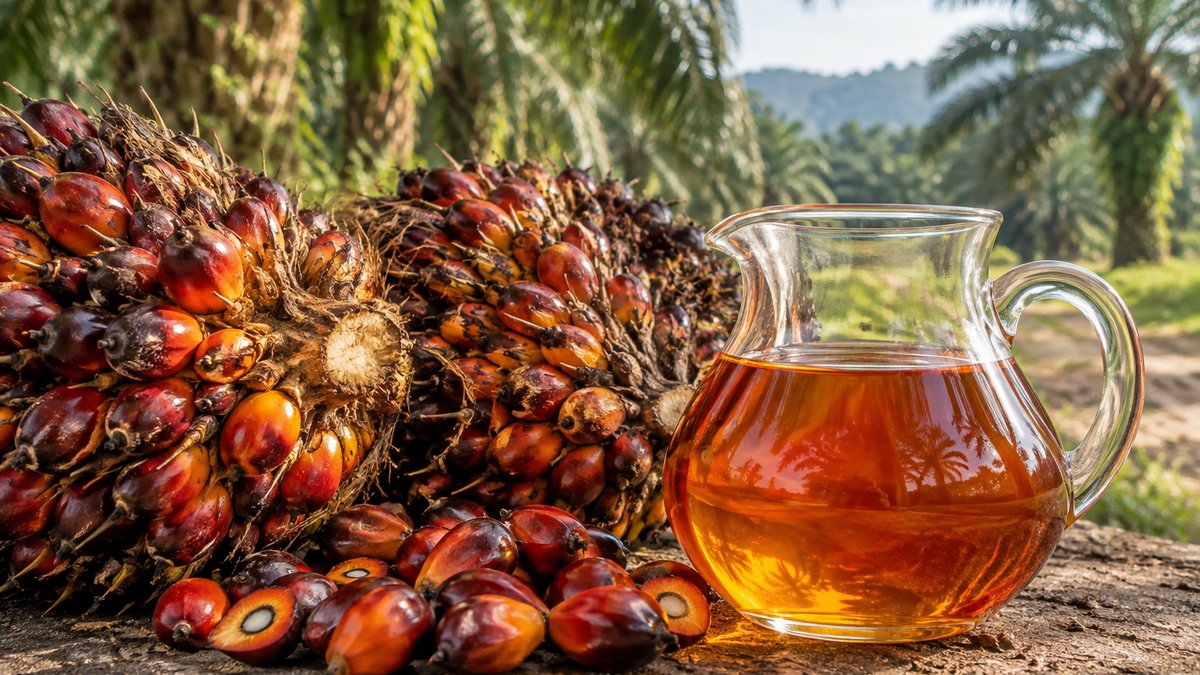

Introduction
Buyers sourcing palm oil from Southeast Asia can use B2B platforms to find product listings and supplier profiles. The platforms reviewed here were selected for publicly accessible palm-oil category or supplier pages, with Indonesia, Malaysia, or other Southeast Asian origins visible in their listings. Their pages show discovery options, not independently verified supply or transaction results.
This comparison looks at Freshdi, Alibaba, and TradeKey using the same practical criteria: whether a buyer can find palm-oil listings, whether the page provides a route to supplier or buyer discovery, and how clearly the platform supports a region-focused search. Official platform pages were checked on November 22, 2026. Listings and account features can change, so confirm current details on each platform before relying on them.
Key Takeaways
- Freshdi has palm-oil buyer and supplier category pages, giving buyers and exporters a product-specific starting point.
- Alibaba’s palm-oil pages show supplier listings, including Southeast Asian origins, and a Buying Request Hub.
- TradeKey has palm-oil supplier pages and an Indonesia marketplace page that includes palm oil among its categories.
- A listing is a starting point for screening. Confirm the product form, specifications, business identity, and shipment terms directly before making a commitment.
1. How the Palm Oil Platforms Compare
These platforms suit different discovery tasks. Freshdi presents palm oil through product-category pages for buyers and suppliers. Alibaba’s palm-oil pages combine supplier listings with a route to buying requests. TradeKey provides supplier directories and country-specific discovery pages. Those differences help narrow where to search; they do not establish that a supplier is available, qualified, or able to meet a specific order.
The comparison is qualitative and based on publicly visible platform pages checked November 22, 2026. It does not score supplier quality, response rates, transaction safety, price, or sales performance. The visible pages can help a buyer identify a search route, but the buyer still needs to assess each counterparty and offer.
Looking to Source Palm Oil?
Connect with verified suppliers, discover matching products, and explore sourcing opportunities from global markets.
2. Freshdi Provides Palm Oil Categories for Buyers and Suppliers
Freshdi separates palm-oil discovery into buyer and supplier category pages. Buyers can start with the Palm Oil buyer category, while exporters can review the Palm Oil supplier category. The platform’s About Us page describes a marketplace where businesses can present products, post buying requests, and explore supplier or buyer profiles.

This product-focused route is useful when a search starts with palm oil rather than a broad business directory. The category pages provide a place to inspect relevant listings and requests. A page being available does not show how many suitable counterparties are active at the time of a search, and a category match alone does not confirm that a listing meets a buyer’s grade or delivery requirements.
2.1 When Freshdi may fit the search
An importer can use the buyer-side category to look for palm-oil suppliers; an exporter can use the supplier-side category to review a product-specific discovery channel. Buyers with a defined requirement can also check whether a relevant buying request is available. Freshdi’s public palm-oil buying-request page illustrates that product-specific requests can appear on the platform, but a visible request should be reviewed for its current status and full details.
For an export search, start by describing the product as precisely as the business can support. Palm oil may refer to different products and processing forms. A supplier should state the form it can actually supply and provide the relevant specification, packaging, origin, available quantity, and shipment basis. A buyer should make those requirements explicit in the request rather than relying on a general product label.
Buying consideration: Before acting on a Freshdi listing or request, confirm the specific palm-oil product, quantity, destination, and terms with the counterparty. Check what information is shown on the profile and request, then obtain any missing evidence directly through the platform’s available workflow.
3. Alibaba Combines Palm Oil Listings with a Buying Request Route
Alibaba’s public palm-oil supplier pages show product listings and supplier profiles, including listings associated with Malaysia, Indonesia, and Thailand. The pages also display a Buying Request Hub, giving buyers a route to explore supplier offers and buying-request activity from a product search.
That breadth can help when a buyer wants to compare different product descriptions or search across more than one Southeast Asian origin. Search results can include refined cooking oils, palm olein, and crude palm oil. These terms do not describe interchangeable products, so a broad search should be narrowed by the buyer’s intended use and the specification required for the transaction.
3.1 How to screen Alibaba results
Treat each listing as a seller’s own presentation of its offer. Compare the stated origin and product form with the requested product, and ask for a specification sheet that identifies the relevant quality parameters. If a listing uses a grade or shorthand, ask the supplier to define it in the contract documents rather than assuming every seller uses the term in the same way.
A marketplace listing does not by itself verify current inventory, production capacity, export permissions, or the accuracy of a certificate claim. Request business and product documents that apply to the proposed shipment. Confirm which party is responsible for freight, insurance, export documentation, inspection, and other costs under the delivery term agreed in the contract.
Buying consideration: Alibaba can be a useful search route for comparing visible offers across origins. Before comparing quotations, make sure each seller has quoted the same palm-oil form, specification, packaging, quantity basis, destination, and delivery term.
4. TradeKey Offers Palm Oil Supplier and Indonesia Discovery Pages
TradeKey’s public palm-oil supplier directory lets users browse suppliers by country, including Indonesia and Malaysia. Its Indonesia marketplace page also lists palm oil among the featured product categories. These pages make TradeKey relevant to exporters and importers who want to search by product and country.
Directory browsing can help build an initial prospect list, but the directory view is not evidence that a particular seller has stock available or is currently exporting. Check when the supplier last updated its listing, whether its profile identifies the legal business, and whether the palm-oil product details are specific enough for the intended purchase.
4.1 Use directory details as screening questions
A supplier page can tell a buyer what the business claims to sell and where it says it operates. Use those statements to prepare follow-up questions. Ask the supplier to confirm the exact product, production or supply basis, quantity available, packaging, shipment location, and documents it can provide for the intended destination.
If a profile includes a verification or membership indicator, check what that indicator means under TradeKey’s current terms. Do not treat a badge or directory entry as a substitute for reviewing company records, product documents, samples where practical, or contract terms. The same checks apply to exporters evaluating an inquiry from a prospective buyer.
Buying consideration: TradeKey’s country and product directories can help with initial discovery. Keep a written screening record for each prospect, separating information shown on the profile from details the supplier has confirmed for the specific shipment.
5. Choose a Platform by the Search Task and Verify the Offer
Choose the platform that matches the first step in the sourcing task. A product-category route can be convenient when the buyer already knows the commodity. A supplier directory can suit country-led prospecting. A buying-request route can help a supplier look for stated demand. None removes the need to qualify the other business or agree the sale terms.
- Define the product. State whether the requirement is for crude palm oil, refined palm oil, palm olein, or another palm-derived product. Add the specification and intended use where relevant.
- Set the origin and destination. Name the acceptable supply country or countries, delivery location, and any restrictions that affect the shipment.
- Compare like with like. Ask each supplier to quote the same quantity, packaging, specification, currency, delivery basis, and shipment timing.
- Check the counterparty. Confirm the business identity and review documents that support claims about the product, supply, and certifications.
- Record open points. Keep unconfirmed details separate from the agreed specification, quotation, and contract.
For palm oil, a search result may mix product forms that differ in processing and intended use. A buyer should not compare quotations until the product descriptions and specification basis match. An exporter should answer the request as written and label any proposed alternative clearly.
Freshdi is one place to continue a product-focused search: buyers can review palm-oil suppliers, while suppliers can check the buyer category and relevant requests. Review the current page and account conditions before deciding whether the available listings fit the transaction.
If you want to explore Freshdi’s product categories and marketplace features, registering is the next step.
Frequently Asked Questions
Which B2B platform is best for sourcing palm oil from Southeast Asia?
There is no single best choice for every buyer. Freshdi has palm-oil buyer and supplier categories, Alibaba shows palm-oil listings and a Buying Request Hub, and TradeKey provides palm-oil supplier and Indonesia discovery pages. Choose based on the search route you need, then verify each seller and offer.
Can a marketplace listing confirm that palm oil is available for export?
No. A listing shows information published on the platform, but it does not establish current stock, export capacity, or shipment readiness. Ask the supplier to confirm availability, quantity, origin, product specification, and delivery schedule for your order.
What details should a palm-oil buying request include?
Identify the exact palm-oil product and specification, quantity and unit, packaging, destination, required shipment timing, and proposed delivery and payment terms. Add any documents or certificates required for the destination, and distinguish mandatory requirements from preferences.
Are crude palm oil and refined palm oil interchangeable in a platform search?
No. They are different product forms. State the requested form and specification in the search or buying request, and ask suppliers to confirm exactly what they are quoting before comparing prices.
Does a supplier badge prove that an offer is safe?
A platform indicator alone does not establish product quality, payment safety, shipment, or contract performance. Check the business identity and supporting documents, agree detailed written terms, and use suitable independent checks for the transaction.
References
1. Freshdi – About Freshdi, Accessed November 22, 2026.
2. Freshdi – Palm Oil Products, Accessed November 22, 2026.
3. Alibaba – For Palm Oil Suppliers, Accessed November 22, 2026.
4. TradeKey – Palm Oils Suppliers, Accessed November 22, 2026.
5. TradeKey – TradeKey Indonesian B2B Marketplace, Accessed November 22, 2026.
Disclaimer: This article is compiled from platform data, public sources and information provided by third parties, for general informational purposes only. We do not guarantee its accuracy or completeness. Mentions and rankings of suppliers do not constitute an endorsement or guarantee, and strategies and examples are illustrative; results may vary. Please conduct your own due diligence before making business decisions.