


Filters
1,028 results for “3D Printer Filaments products found from trusted suppliers, wholesalers, manufacturers & exporters”
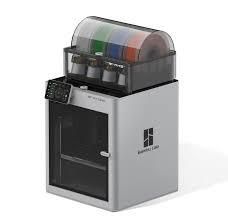





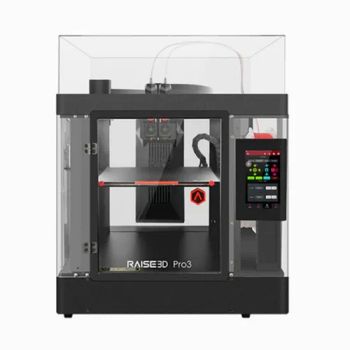
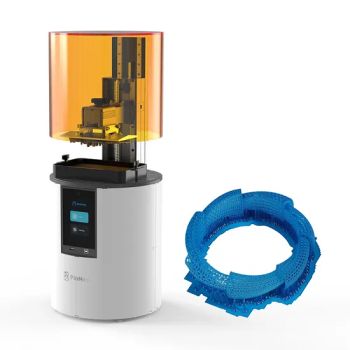
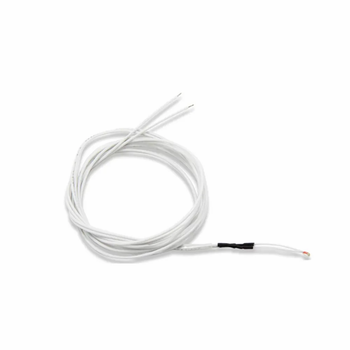

Wholesale Manicure Nail Printer Machine Nail Design Machine Printer Portable 3D Manicure Nail Polish Printer
$1,200 - $1,300
Min. order: 1 Piece


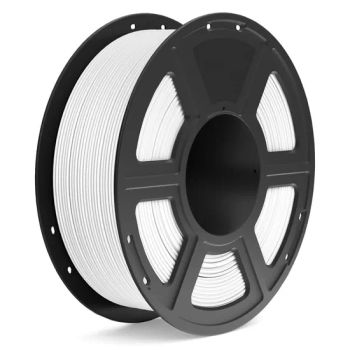

3D Print/3D Printer/3D Printing Metal Plastic Prototype Service
$70,000 - $200,000
Min. order: 1 Piece
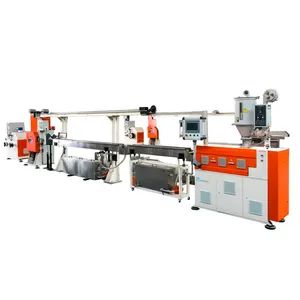

Wholesale Nails Printer 3D Art Machine Price Printer Portable Automatic Nail Mobile Art Nail Printing Machine
$1,200 - $1,300
Min. order: 1 Piece



Price History for Product from Global
Frequently Asked Questions (FAQs)
How do I choose the right 3D printer filament for my production needs?
3D printer filaments are thermoplastic materials used to create 3D printed objects, commonly available in types like PLA, ABS, and PETG, with attributes such as tensile strength, temperature resistance, and printability—these are key for matching application requirements. Conceptually, filaments are structured by material type, diameter (e.g., 1.75mm or 2.85mm), and color, where material determines mechanical and thermal performance, and diameter affects print speed and consistency. Procedurally, buyers should filter by material type, diameter, and application (e.g., industrial, prototyping) on a B2B site like Freshdi, then compare supplier specs—such as using a search for “PLA 1.75mm industrial grade” or “PETG 2.85mm high-temperature” to find relevant options. To verify, buyers must ask suppliers for material certifications (e.g., ISO 13480 for medical-grade filaments) and confirm print test results or batch consistency—examples include requesting a certificate of analysis (CoA) for a specific batch or asking for a sample print test report.
Which 3D printer filaments does Freshdi offer, and what certifications should I look for to ensure reliability in a B2B supply deal?
Freshdi lists a range of 3D printer filaments suitable for industrial and hobbyist applications, and buyers should verify supplier credentials such as ISO 9001 for quality management, ASTM or ISO standards for material performance, and RoHS compliance for environmental safety—these are commonly expected to establish reliability in B2B deals. Trade terms typically include FOB Shanghai or FOB Guangzhou, with payments often structured as 30% advance payment and 70% upon shipment, reflecting standard practices in China-based B2B exports.
Which 3D printer filaments are best for industrial applications and where can I find them on Freshdi?
3D printer filaments are thermoplastic materials used to create 3D printed parts, commonly categorized by material type (e.g., PLA, ABS, PETG, TPU, nylon) and performance characteristics such as strength, flexibility, and heat resistance. These filaments are widely used across industries including automotive, aerospace, medical, and consumer goods for prototyping, tooling, and end-use parts. A manufacturing engineer at a precision parts company in Germany uses PETG filaments for durable, impact-resistant components in product testing, triggered by the need for consistent print quality and chemical resistance. A product designer at a consumer electronics startup in India selects TPU filaments for flexible, ergonomic grips, driven by the need to prototype user-friendly designs quickly and cost-effectively. On Freshdi, a B2B marketplace listing all products and suppliers, buyers can browse and compare 3D printer filament options by type, application, and supplier to find reliable, industry-specific solutions.
Which countries are the top import markets for 3D printer filaments and what are the most commonly exported variants by region?
The primary import markets for 3D printer filaments include China, the United States, Germany, and Japan, with strong demand in Asia-Pacific and Europe. Commonly exported variants include PLA (Polylactic Acid), ABS (Acrylonitrile Butadiene Styrene), and PETG (Polyethylene Terephthalate Glycol), with trade names such as "PLA White," "ABS Black," and "PETG Clear." Suppliers typically list these variants by material composition, color/finish, and key performance specs like tensile strength and thermal resistance. PLA is widely exported to North America and Europe due to its ease of printing and eco-friendly profile, while ABS dominates in manufacturing-heavy regions like Germany and South Korea for its durability. PETG is particularly popular in Southeast Asia and the Middle East for its balance of strength and flexibility. A key trend is the growing preference for food-safe and biodegradable filaments in EU markets, where regulatory compliance is strictly enforced.
You may like
You may like