

Filters
128 results for “Acai products found from trusted suppliers, wholesalers, manufacturers & exporters”


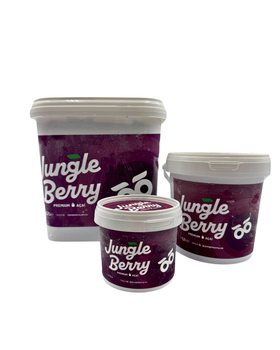

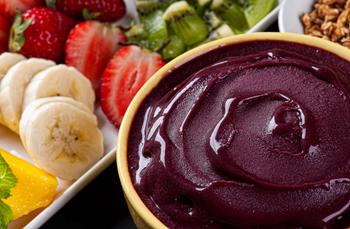

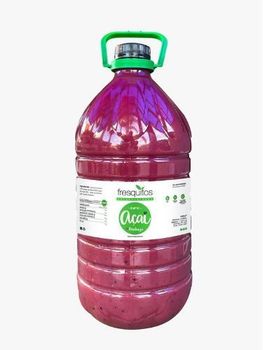




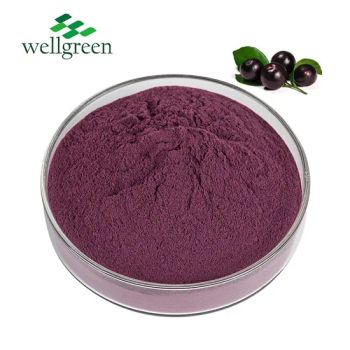



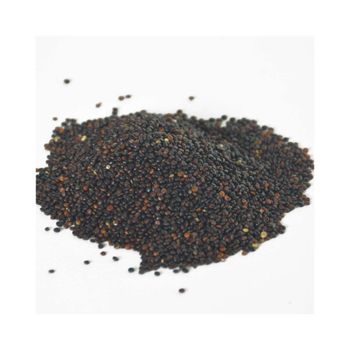
Pure dried chia seed for nutritional supplements and food processing use
$5
Good Price
Min. order: 100 Kilogram

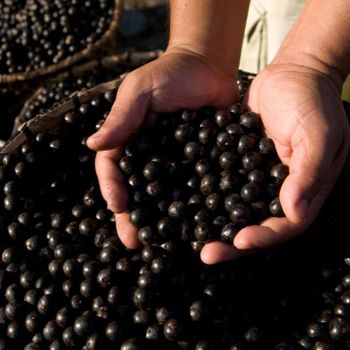
Açaí Place of Origin Brazil Certification IBD, Organico Brasil, USDA Organic, EU Organic, FDA, Halal, Kosher, Rainforest Alliance,
$10
Good Price
Min. order: 100 Kilogram
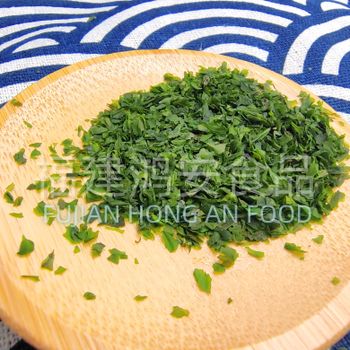
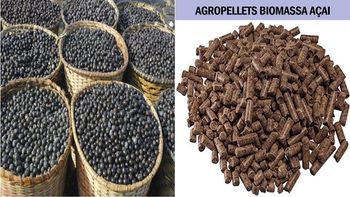

Chemical Pharmaceutical Drying Machine for Acai Berry Extract Powder
$10,000 - $50,000
Min. order: 1 Piece
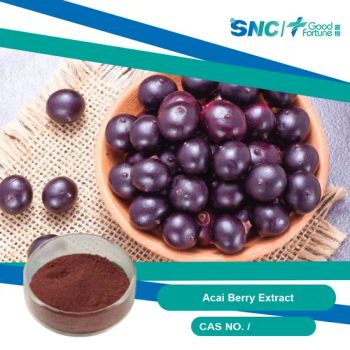
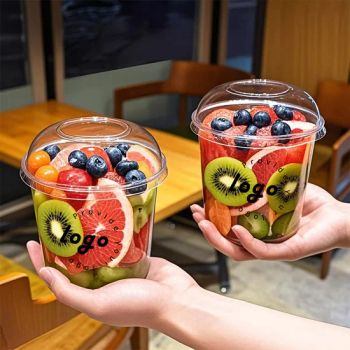
Clear Food Packaging Container Fruit Pet Dessert Salad Plastic Acai Bowls
$0.01 - $0.04
Min. order: 10000 Piece
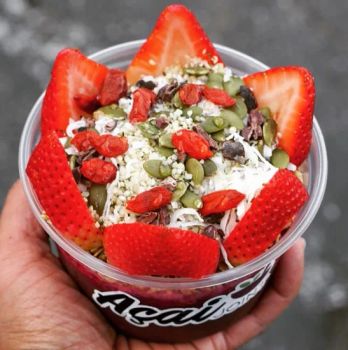
Clear Disposable Fruit Ice Cream Salad Dessert Acai Bowl with Lid
$0.01 - $0.04
Min. order: 10000 Piece
Price History for Product from Global
Frequently Asked Questions (FAQs)
How do I evaluate and source acai products reliably on a B2B platform?
Acai refers to a nutrient-rich, dark green berry derived from the acai palm, commonly used in health foods, supplements, and beverages; it is typically available in fresh, frozen, or powdered forms. Conceptually, acai is structured by form (e.g., frozen pulp, powder), origin (e.g., Brazil, sustainable farms), and processing method (e.g., cold-pressed, pasteurized), with attributes like shelf life, nutrient content, and certifications linking these subtypes. To source acai effectively, first filter by product type and origin on the B2B site, then review supplier details such as certifications, batch testing reports, and minimum order quantities—e.g., a Brazilian supplier offering cold-pressed frozen acai pulp with 100% organic certification, or a U.S.-based processor providing powdered acai with a 12-month shelf life. Before finalizing, verify the supplier by asking for lab test results and a certificate of analysis, and confirm the product’s origin and processing method to ensure authenticity and quality.
Which acai suppliers on Freshdi offer reliable certifications and what are the typical payment and trade terms for B2B orders?
Freshdi lists acai suppliers with common industry certifications such as ISO 22000, HACCP, and FDA registration, which are widely expected to ensure food safety and compliance in B2B deals. Buyers typically look for suppliers with at least 5 years of operation and proven exporting experience, especially to major trade ports like Singapore and Rotterdam. Common payment terms include 30% advance payment with 70% balance due upon shipment, and trade terms often involve FOB Shanghai or FOB Rotterdam, reflecting the most common export destinations for B2B acai products.
Which industries use acai products, and where can I find reliable B2B suppliers for acai-based ingredients?
Acai is a nutrient-rich superfood derived from the acai berry, commonly used in health and wellness products, natural food formulations, and functional beverages. It falls under the broader category of superfoods and plant-based ingredients, with subcategories including acai puree, acai powder, and acai oil. Acai is widely adopted in the food and beverage, dietary supplement, and organic skincare industries, where it supports health claims related to antioxidants and energy. A buyer in the health food retail sector, such as a store manager at a natural foods chain, might search for acai suppliers to source acai powder for product development when launching a new antioxidant-rich smoothie line. A manufacturing buyer in the dietary supplement industry may look for consistent, scalable acai sourcing to meet growing demand for plant-based, clean-label ingredients. Reliable B2B suppliers for acai products can be found on Freshdi, a dedicated B2B marketplace that connects buyers with verified suppliers offering a wide range of acai-based ingredients.
Which countries are the main import markets for acai berries in B2B trade?
Acai berries are primarily imported into North America, particularly the United States and Canada, where demand is driven by health and wellness trends. Commonly traded variants include frozen acai puree, fresh acai berries, and acai powder, with trade names such as “acai berry puree” and “acai pulp.” Suppliers typically list product variants by material composition (e.g., frozen, freeze-dried), form (powder, puree, whole fruit), and packaging (e.g., 25kg bags, 10kg cartons). The U.S. prefers frozen acai puree for smoothie production, while South America, especially Brazil, is the primary export region for fresh acai berries, with strong regional demand in North America and parts of Europe. High-volume B2B buyers in the U.S. and Canada often specify cold chain logistics and shelf life, with average shelf life of 12–18 months for frozen products, and suppliers on Freshdi verify product certifications and origin traceability to build buyer trust.
You may like
You may like