
Introduction
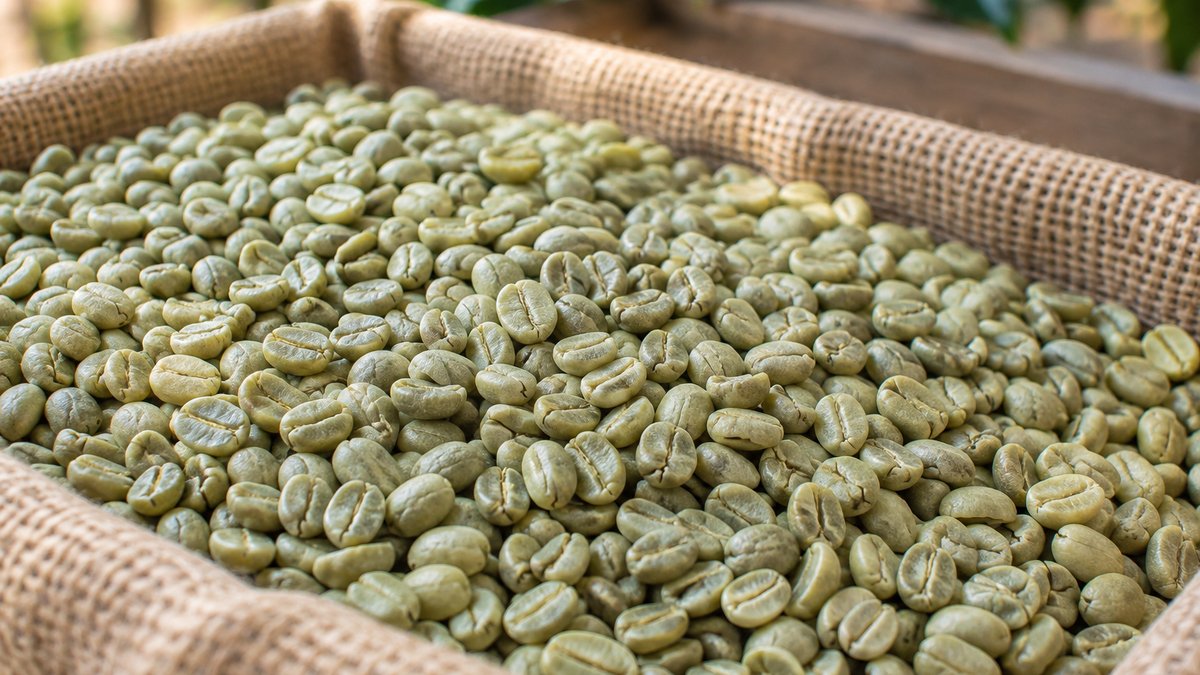
Green coffee bean sourcing depends on matching bean type, origin, processing and shipment terms to each buyer’s request. Freshdi had five requests posted from November 11 to 17, 2026, from five buyers; four listings state the buyer’s country, and all five state a delivery destination.
The displayed quantities range from 1 ton or 1 MT to 1,000 tons, though one listing gives conflicting quantities in different fields. Suppliers can use the requests to assess fit, then confirm unclear specifications and commercial terms before preparing an offer.
Key Takeaways
- Five Green Coffee Bean requests from five buyers were posted on Freshdi between November 11 and 17, 2026; buyer countries are stated for four, and delivery destinations for all five.
- Arabica is named in two request specifications. Other requests mention green coffee, a named origin, or Arabica and Robusta in a title; several listings leave processing or grade unstated.
- The displayed quantity range is 1 ton or 1 MT to 1,000 tons. One request states 1 ton in its listing quantity and 5 tons in its specifications, so suppliers should confirm the intended volume.
- FOB appears in three listings, CIF in two, and CPT/EXW in one; some requests list more than one term. The listed target-price fields do not consistently provide a complete, comparable price basis.
- Listed destinations include locations in the UAE, Vietnam, Germany, the United States and Oman. One destination and buyer-country pairing may need confirmation before quoting.
1. Green Coffee Bean Demand and Global Export Context
These five Freshdi requests are a small set of individual inquiries, not a measure of global demand. They were posted from November 11 to 17, 2026, and the request details show different buyer needs: Arabica in two specifications, one named Ethiopian origin, one request for Vietnam-origin coffee, and one title mentioning both Arabica and Robusta. Four listings state a buyer country; all five give a destination.
The International Coffee Organization (ICO) reported that global green bean exports reached 10.19 million 60-kilogram bags in September 2026, up 5.8% from September 2025. In its October 2026 Coffee Market Report, the ICO also reported that green Robusta exports for coffee year 2025/26 rose 12.3% to 50.1 million bags. The ICO describes coffee years as October to September. These figures describe global trade, not the Freshdi requests.
The ICO’s figures show why suppliers should identify species and origin precisely in a quotation. Green Arabica and Robusta move through distinct market segments, while a buyer’s intended use and requested origin can further narrow acceptable lots. The five requests include origin details in some fields, but not all specify processing, grade, crop year or a full quality profile.
Export volumes do not establish a price for a particular lot. Coffee quotations depend on the identified origin and lot, quality and contract basis, as well as the delivery term and shipment details. The prices displayed in individual RFQs should be treated as buyer-entered request details, not as a market benchmark; several lack a unit or complete price basis.
Looking to Sell Green Coffee Bean?
Connect with verified buyers, receive relevant buying leads, and explore sourcing opportunities from global markets.
2. Comparison of Five Green Coffee Bean Buying Requests
The listings below were posted from November 11 to 17, 2026. Freshdi reports five requests from five buyers in this 14-day selection. The buyer’s country and the delivery destination are separate fields, and should not be treated as the same location.
The listed quantities need careful reading before any quotation. One Arabica request gives 1 ton in its main quantity field and 5 tons in its specifications. A different listing states 1,000 tons, but does not establish whether that is one shipment or a multi-shipment requirement. The two figures should be confirmed with their respective buyers.
The displayed target prices also cannot be compared directly. One listing gives 575 USD without a unit, another gives 5,000 USD without a unit or basis, one displays 5 USD, and another shows USD without an amount. The request with a negotiable target states that its price is negotiable. Suppliers should quote their own price with the currency, unit, grade or lot, packaging, named delivery point and Incoterm.
3. Practical Analysis of Each Green Coffee Bean Request
3.1 Kaguya Green Coffee Bean
The request posted on November 13 states Vietnam as the requested origin and gives a quantity of 1,000 tons. Its specification says the coffee is washed or wet polished, and the named destination is “Jaddeh (UAE).” The buyer country is listed as Iran. The request lists CPT/EXW and negotiable payment terms, and the target price is also marked negotiable. The request is not marked as verified.
This request may suit a supplier that can document Vietnam origin and the specified washed processing. The stated volume is substantial, but the listing does not clarify whether it is a single shipment, a series of shipments or a programme over time. “CPT/EXW” presents two different delivery bases, so the supplier should ask which one the buyer wants priced and confirm the exact delivery point. The spelling of the destination and its location should also be confirmed before arranging freight.
Processing is stated, but the request does not give a grade, screen size, moisture limit, defect tolerance, crop year, packaging, shipment schedule or price amount. Ask for those details and clarify whether “wet polished” has a specific buyer definition. The supplier’s response should distinguish the coffee actually available from any alternative lots, with a separate specification and quotation for each.
3.2 Arabica Green Bean Coffee, 5 Tons
This request, posted on November 12, identifies Arabica and says decaffeinated coffee is not required. Its main quantity field states 5 tons, and the request names Ho Chi Minh City as the destination. The buyer country is Vietnam, the requested sourcing origins are Brazil and Indonesia, and the listing gives sea freight, CIF, and payment by T/T or L/C. The request is marked verified. The target price is displayed as 575 USD, but no unit is stated.
The origin and species requirements give a supplier a useful starting point for checking fit: the offered lot should be Arabica from Brazil or Indonesia, and not decaffeinated. CIF includes a different cost basis from FOB, so a supplier preparing an offer should name the destination port, identify the freight and insurance assumptions, and state the quotation unit and validity. The displayed target price cannot be assessed until the buyer confirms its unit and what it covers.
The listing does not state grade, processing method, screen size, cup profile, crop year, packaging or quality limits. Ask which of these the buyer requires before selecting a lot. Confirm whether the buyer accepts either listed origin or has a preference, and clarify the L/C or T/T structure, including payment timing, before treating either option as agreed.
3.3 Arabica Green Bean Coffee, Germany Destination
Posted on November 17, this request identifies Arabica, says the product is not decaffeinated, and lists Brazil and Indonesia as supplier origins in its specifications. The main quantity field states 1 ton, while the specifications state 5 tons. Its destination is given only as Germany. The listing offers CIF or FOB and L/C payment, shows a target price as “USD” without an amount, and is marked verified.
The volume discrepancy is the first point to resolve. A supplier should not choose one figure or quote for an assumed quantity; ask the buyer to confirm the required net weight and whether the request covers one lot or more than one shipment. The listing also does not identify a destination port in Germany, so a CIF quotation cannot be prepared on a confirmed port basis until the buyer names one.
The request does not state a grade, processing method, crop year, packaging, cup requirements or a target price amount. Confirm the preferred origin, technical parameters, named destination and shipment window. If the supplier quotes both CIF and FOB, present separate prices with each basis clearly identified and avoid comparing them as equivalent offers.
3.4 Premium Arabica and Robusta Green Coffee Beans, Wholesale Bulk Supply
The request posted on November 14 has a quantity of 1 MT and names Los Angeles as the destination. Its title mentions Arabica and Robusta, while the specifications identify Type: Arabica and Grade: 1. The buyer country is not stated. The request lists sea freight, FOB and PayPal, and shows a target price of 5,000 USD without a unit or price basis. It is not marked as verified.
The title and specification do not align fully: the title mentions two types, while the stated type is Arabica. A supplier should confirm whether the buyer needs Arabica only or also wants a separate Robusta offer. The request also does not identify a loading port, despite listing FOB. Before quoting, confirm the named shipment port and what the buyer means by Grade 1 for this coffee.
The listing does not give origin, processing method, screen size, crop year, packaging, moisture limit or cup-quality criteria. The USD 5,000 figure has no stated unit, so it cannot be compared with a per-ton or per-kilogram offer. Ask the buyer to confirm the price basis, destination details and payment expectations. Independently assess payment risk and verify the counterparty before committing goods or shipment.
3.5 Green Coffee Beans, Ethiopian Origin
Posted on November 11, this request asks for green coffee beans of Ethiopian origin and states a quantity of 2 tons. The buyer country is Iran; the listed destinations are Salalah or Muscat in Oman. The request gives a lead time of “15,” with no unit, and lists FOB and T/T. It is not marked as verified. The target price is shown as 5 USD without a unit or further basis.
The named Ethiopian origin is a clear sourcing constraint, but the listing does not state species, grade or processing. The buyer should confirm whether the 15-day lead time means production, preparation or delivery, and from which point it is measured. Because two Omani destinations are listed, ask which port should be used for the quotation and shipment plan.
The target-price field does not identify a unit, quality basis or currency context beyond USD. Do not treat it as a confirmed price per ton or kilogram. The request also leaves out packaging, crop year, moisture, defect limits and a destination-specific document list. A supplier with Ethiopian coffee should first send a lot-specific specification and ask which port, quality parameters and shipment date the buyer intends.
4. What Green Coffee Bean Suppliers Should Prepare Before Quoting
A useful green coffee offer begins with an identifiable lot. State the species, country and region of origin when known, processing method, crop or harvest year, grade or screen information, and the available quantity. If the buyer requests a specific origin, do not substitute another country without clearly identifying the alternative and receiving the buyer’s agreement.
Give the buyer a written specification for the lot being offered. Include the measurable quality parameters your business can substantiate, such as moisture, defects, screen size and any agreed cup-profile information. Attach current lot documentation only when it pertains to the coffee being quoted. The five requests do not provide enough detail to assume a uniform grade or a common quality standard.
State the quantity and unit unambiguously. Where a request has conflicting numbers, ask the buyer to confirm the required volume before planning supply. For a large order, identify the quantity available now, any planned shipment splits and the schedule your business can support. Do not present a multi-shipment estimate as a ready-to-load single lot.
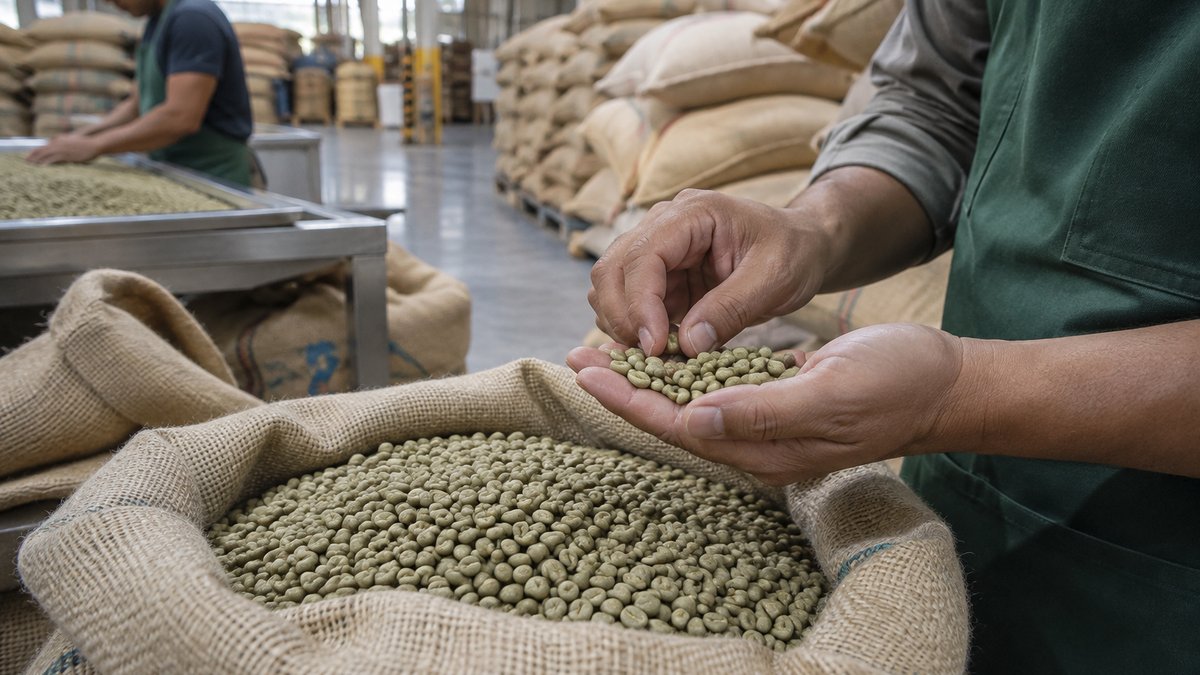
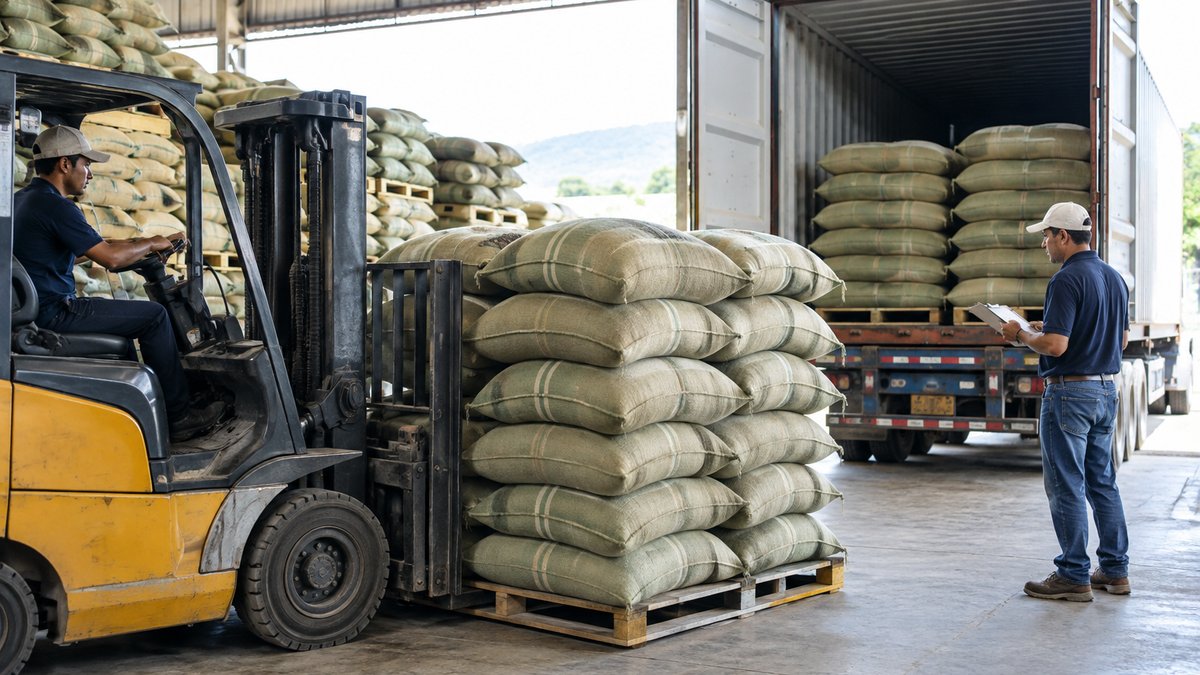
Describe packaging and loading details that affect handling and freight. State the net weight per bag, the number of bags, palletisation if applicable, and the loading point. For a shipment quotation, identify the named port or delivery place requested by the buyer and explain what your price includes. Use a separate price for each Incoterm requested, with currency, unit, date or validity period.
FOB, CIF and CPT set different responsibilities and cost assumptions; EXW places the collection arrangement at the seller’s premises or another named place. Confirm the named place or port with the buyer before calculating freight or presenting a landed price. The requests in this group also use alternatives such as CIF or FOB, so ask which basis the buyer wants to compare.
Confirm payment terms in writing instead of treating a listing option as a final agreement. Where a request says T/T, L/C, PayPal or negotiable, ask about payment timing, required documents and any conditions before production or shipment. Check the buyer and transaction details through your normal due-diligence process. A platform verification marker is a screening signal, not a guarantee of payment or performance.
Finally, check the importing country’s current requirements for green coffee, the declared origin, and the shipment route. Identify the export and import documents that apply to the specific shipment, and confirm whether the buyer needs certificates or inspection reports. Requirements can depend on the product and destination, so avoid promising a document or certification that has not been confirmed for the lot and lane.
5. Commercial Checks to Prioritize for These Requests
Start with product fit. Match the requested origin and species to a real available lot, then confirm processing and grade where the request states them. The Vietnam-origin request names washed or wet-polished coffee; the Germany and Vietnam requests specify Arabica; the Los Angeles request needs clarification because its title and type field differ.
Next, resolve quantity and destination. Ask the Germany-bound buyer whether its intended volume is 1 or 5 tons. For the 1,000-ton inquiry, confirm the shipment programme and delivery point. For the Ethiopia-origin request, confirm whether the buyer wants delivery to Salalah or Muscat. Those answers affect capacity, logistics and the quotation basis.
Then make the commercial offer comparable. A price should state its unit and currency, coffee lot, packing, named port or place, Incoterm and validity. The buyer-entered price figures in these listings do not consistently provide that information. A supplier can ask for clarification while presenting its own transparent offer, rather than assuming the buyer’s figure uses the same basis.
Before committing stock, verify the request’s current status and confirm material terms directly through the available platform process. Check buyer details, payment arrangements, shipment schedule and document expectations. Keep the confirmed quantity, specification and delivery basis in the written quotation so the buyer can compare the offer with the request.
6. How Freshdi Helps Suppliers Find Green Coffee Buyers
Freshdi’s Green Coffee Bean buyer category gives suppliers a place to review product-related buying requests. Freshdi’s public information also describes supplier tools for viewing buying leads, reviewing buyer profiles, sending quotations and presenting products through a supplier profile or online store. Access and feature availability can depend on the account plan; check the current listing and account terms before relying on a particular function.
Use the buyer’s stated requirements to screen each request against the lots and shipment capability you can document. A complete supplier profile can describe your available green coffee, origins, processing, quality information and export capacity. For an incomplete request, prepare a concise response that names the points needing confirmation instead of making assumptions about the buyer’s volume, price basis or delivery destination.
Suppliers ready to review current Green Coffee Bean inquiries can use Freshdi’s buyer listings to check each request and its stated requirements.
View Latest Buying Requests for This Product →
7. Frequently Asked Questions About Green Coffee Bean RFQs
These questions address the product and commercial details suppliers should clarify when responding to the five requests.
8. What specifications should a green coffee bean quotation include?
Identify the lot’s species, origin, processing method, crop year, grade or screen details, available quantity and the quality measurements you can support. State packaging, shipment point, destination, Incoterm, price unit and validity. Ask the buyer to confirm any missing requirements, such as cup profile or moisture limits, rather than assuming them.
9. Can Arabica and Robusta be quoted as interchangeable products?
No. A supplier should identify which species the offered lot is and quote it separately. If a request title names both species but its specification lists only Arabica, ask whether the buyer wants Arabica alone or also wants a separate Robusta offer. Do not use a title as a substitute for a confirmed lot specification.
10. How should suppliers handle an RFQ with conflicting quantities?
Ask the buyer to confirm the required net weight and whether it is for one shipment or a programme of shipments. In these requests, one listing states 1 ton in its quantity field and 5 tons in its specifications. A supplier should not silently select one number when preparing a firm offer.
11.
Give the currency and unit, identify the coffee lot and packing, name the relevant loading or destination point, specify the Incoterm and set a validity period. For CIF, identify the destination port and freight and insurance assumptions. For FOB, identify the loading port. A displayed buyer target without a unit or basis is not directly comparable with a supplier’s price.
12.
Ask which delivery basis the buyer wants evaluated and confirm the named port. If useful, provide separate FOB and CIF prices, each with its own cost basis and assumptions. Do not combine them into one price or present them as equivalent; freight and insurance assumptions differ.
13.
No. A verification marker is a profile or listing attribute, not a guarantee of payment, product fit or a completed sale. Check the buyer, confirm specifications and payment terms, and follow your company’s normal due-diligence process before committing inventory or shipment.
14.
Suppliers can review the Green Coffee Bean buyer category and open listings to assess the buyer’s stated product, quantity, destination and commercial terms. Freshdi describes quotation and buyer-profile functions for suppliers, with some capabilities depending on membership. Review each request’s current details before deciding whether to prepare an offer.
15. Conclusion: Confirm the Lot and Terms Before Quoting
The five requests posted from November 11 to 17, 2026 show varied Green Coffee Bean requirements, including Arabica requests, named sourcing origins, different destinations and quantities from 1 ton or 1 MT to 1,000 tons. Some listings leave quality details unstated, while others contain inconsistent quantity, destination or price information. These are points for clarification, not details to fill in by assumption.
Suppliers should match each request to a documented lot, confirm quantity and destination, and quote on a clearly stated price and delivery basis. Freshdi’s Green Coffee Bean buyer listings are a place to review relevant inquiries; the supplier remains responsible for checking the buyer, lot requirements and final commercial terms.
Once your lot and quotation are ready, review relevant Freshdi buying requests and decide which stated requirements match your supply.
View Latest Buying Requests for This Product →
References
1. International Coffee Organization – Coffee Market Report: October 2026, October 2026.
2. Freshdi – Kaguya Green Coffee Bean buying request, Posted November 13, 2026.
3. Freshdi – Arabica Green Bean Coffee buying request, Ho Chi Minh destination, Posted November 12, 2026.
4. Freshdi – Arabica Green Bean Coffee buying request, Germany destination, Posted November 17, 2026.
5. Freshdi – Premium Arabica and Robusta Green Coffee Beans buying request, Posted November 14, 2026.
6. Freshdi – Green Coffee Beans, Ethiopian Origin buying request, Posted November 11, 2026.
Disclaimer: This article is compiled from platform data, public sources and information provided by third parties, for general informational purposes only. We do not guarantee its accuracy or completeness. Mentions and rankings of suppliers do not constitute an endorsement or guarantee, and strategies and examples are illustrative; results may vary. Please conduct your own due diligence before making business decisions.