
Introduction
Importers comparing Indian parboiled rice suppliers need to match the rice type and processing description to their own specification. Broken percentage, basmati or non-basmati type, minimum order quantity (MOQ), packaging, shipment terms and destination requirements all affect whether a listing merits an inquiry.
This comparison covers eight India-based Freshdi supplier listings with a stated MOQ, reviewed on November 16, 2026. The listings differ in product detail: several explicitly name parboiled rice, one describes creamy sella rice, and one names steam basmati rice without stating that it is parboiled. The comparison reports listed information as given; the supplier records contain no prices.
Key Takeaways
- Eight India-based supplier listings with an MOQ were reviewed on November 16, 2026; MOQ units vary, so their figures do not form a like-for-like ranking.
- Several listings specify IR 64 parboiled rice and broken percentages, while others provide a general parboiled description or a basmati product description.
- The Freshdi records state no prices. Three suppliers list trade terms, and one profile lists APEDA under certificates.
- Buyers should confirm rice type, broken percentage, moisture and other quality limits, packaging, current availability, quotation basis and destination-specific documents.
1. Market Overview
India has an established rice export trade, but recent headline figures do not always isolate parboiled rice from other rice types. APEDA’s Non-Basmati Rice page reports that India exported 15.01 million metric tonnes of non-basmati rice in 2025-26. That aggregate is useful for market context, but it is not a parboiled-only figure.
The Government of India’s Department of Commerce reported 7,570,753 metric tonnes of parboiled rice exports, valued at USD 3.271 billion, for fiscal year 2023-24. This is a product-specific official figure, but it is older than APEDA’s 2025-26 non-basmati total. The two figures cover different product groupings and periods, so they should not be treated as a direct comparison.
For broader outlook context, the USDA Foreign Agricultural Service’s April 2, 2026 Grain and Feed Annual forecast India’s total rice exports at a record 25 million metric tonnes in marketing year 2026/2027. The report includes basmati, coarse rice and broken rice in its forecast; it does not provide a separate forecast for parboiled rice.
The destination picture also depends on the dataset. APEDA’s Non-Basmati Rice page identifies Benin, Bangladesh, Guinea, Togo and Côte d’Ivoire among the leading destinations for India’s non-basmati exports in 2025-26. In the Freshdi supplier records reviewed here, four of eight profiles list Saudi Arabia as an export country and four list the United States. Supplier-profile export countries are not shipment records, and they do not establish that a supplier has current stock or has served a particular buyer.
The practical comparison is therefore at listing level. Product names and profile fields can help buyers select whom to question, while the shipment specification and current written offer must establish whether the rice fits the purchase.
Looking to Source Parboiled Rice?
Connect with verified suppliers, discover matching products, and explore sourcing opportunities from global markets.
2. Comparing 8 Parboiled Rice Suppliers in India
2.1 Comparison Criteria
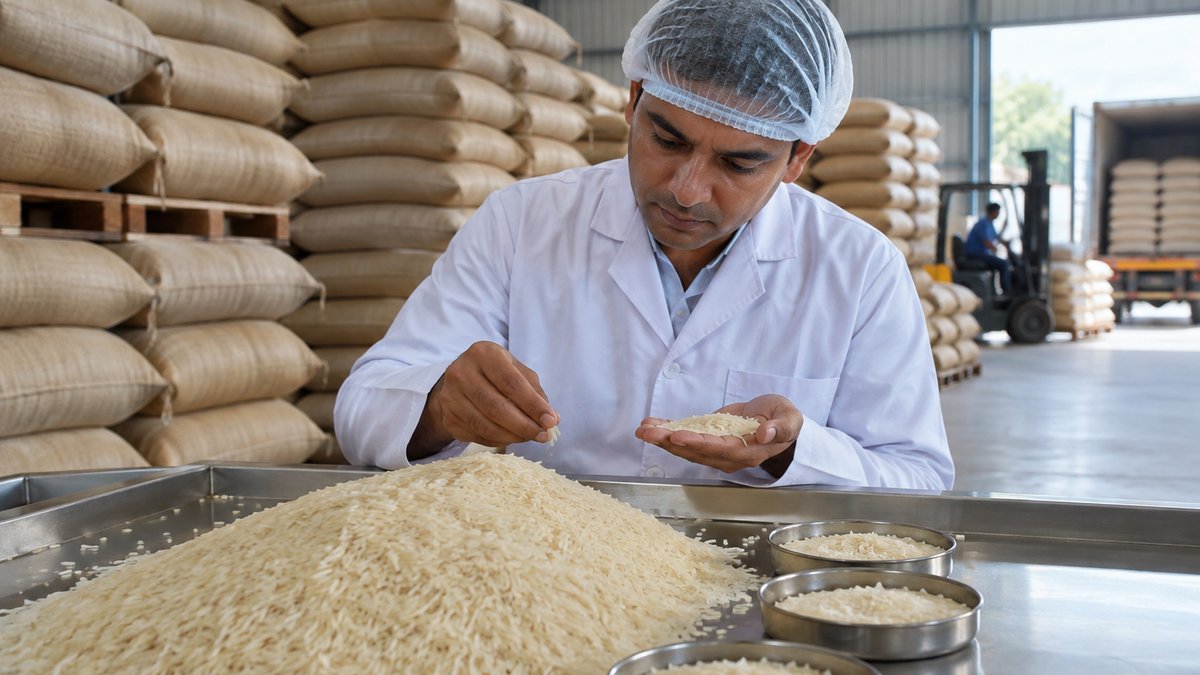
The comparison uses the product name and MOQ shown in each Freshdi supplier record, along with profile fields such as export countries, business type, trade terms, port, certificates and verification status where stated. A missing field is reported as not stated; it is not evidence that the supplier lacks the capability.
The eight listings were selected from live India supplier listings that state an MOQ. The selection uses MOQ data, but the stated units differ, including kilograms, tons and metric tonnes (MT). The figures should not be treated as a ranked or directly comparable scale. Freshdi’s records do not state prices, so this comparison does not assess price competitiveness.
The listing names also vary in how clearly they identify parboiled rice. Buyers seeking a specific product should distinguish a listing that explicitly says parboiled from one that names a different processing style or leaves the processing method unstated.
2.2 Supplier Comparison Table
The Freshdi table below presents all eight supplier records and links to their original profiles. Information reflects the live listings reviewed on November 16, 2026. Treat profile details as supplier-stated information, then confirm the current specification and commercial terms directly before comparing offers.
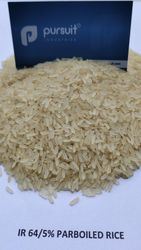
2.3 Individual Supplier Analysis
2.3.1 ALNADIM EXIM LLP, India
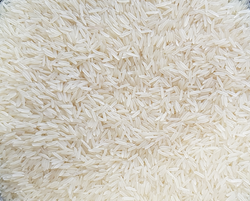
ALNADIM EXIM LLP lists Pusa 1121 Basmati Creamy Sella Rice with an MOQ of 1 Kilogram. The listing names creamy sella rice, but it does not provide a broken percentage, detailed grade, packaging, port or product specification in this record. Buyers whose contract calls for a specific parboiled process should confirm that the product and processing description match.
The profile states that the business was established in 2022, marks the business as verified, and lists export countries and trade terms. Buyers should request the product’s technical specification, packaging options, available shipment quantity and current quotation before treating this as a match.
2.3.2 Amski global trade, India
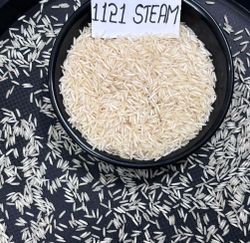
Amski global trade lists Steam Basmathi Rice 1121 with an MOQ of 10 Tons and states Mangalore port India as its port. The product name says steam basmati rice, not parboiled rice. Buyers requiring parboiled rice should first ask whether this product meets their processing requirement, rather than treating the title as confirmation.
The profile identifies the business type as Trading Company and gives export-country information. The record does not state a parboiled specification, broken percentage, packaging, certificate or trade term for this product. Confirm the processing method and complete specification before requesting a comparable offer.
2.3.3 ARAWAT INTERNATIONAL, India
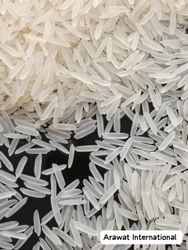
ARAWAT INTERNATIONAL lists 1121 Basmati White Extra Long grain, Parboiled Rice with an MOQ of 25 Tons. The profile lists MUNDRA, KANDLA as ports and gives export-country information. The product title identifies the rice as parboiled, but the record does not state a broken percentage, packaging or a trade term.
The profile lists the business type as Trading Company, Manufacturer and Other, and states that the business was established in 2011. Buyers considering this listing should request a full specification for grain length, broken percentage, moisture, foreign matter and packaging, then confirm the loading port for the particular shipment.
2.3.4 MASCOT EXIM, India
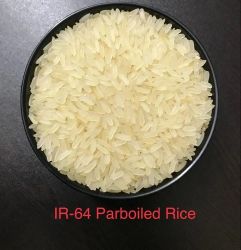
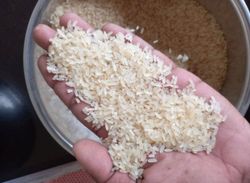
MASCOT EXIM lists IR 64 parboiled broken rice, describes 5%, 10% and 15% broken non-basmati options, and gives an MOQ of 26 MT. Its profile lists Mundra, India, as a port; FOB and CIF as trade terms; and APEDA under certificates. The listing also states Indian origin.
The profile provides more named commercial fields than several other records, but those fields do not establish shipment-specific availability or independently confirm the product specification. Ask what the APEDA entry refers to and request the applicable certificate or registration details. Confirm which broken percentage is available, the packing format, the named delivery point for each Incoterm and the current offer.
2.3.5 Naavira Exim, India
Naavira Exim lists Parboiled Rice with an MOQ of 26 Tons and Mundra as its port. The product name does not identify the rice variety, broken percentage or other quality limits. The profile states that the business was established in 2025 and includes export-country information.
This listing may merit an inquiry from buyers who can first specify the required variety and grade. Ask for the full product specification, packaging, shipment quantity, current loading schedule and trade terms. None of those product-level details should be assumed from the general product name.
2.3.6 VERITAS GLOBAL, India
VERITAS GLOBAL lists NON-BASMATI IR-64 PARBOILED 5% BROKEN with an MOQ of 26 MT. Its profile provides export-country information and identifies the business type as Trading Company. The profile does not mark the business as verified; the phone is marked verified in the record.
The record does not state a port, packaging, certificate or trade term. Buyers should request the complete quality specification and current availability, then confirm export documents and the shipment route for the intended destination. A profile verification field is not evidence of product quality.
2.3.7 Shahji International, India
Shahji International lists IR 64 Rice Paraboiled 5% Broken with an MOQ of 27 Tons. The profile identifies the business type as Manufacturer, lists Mundra and JNPT as ports, and states CIF, FOB and EXW as trade terms. It also includes export-country information.
Buyers comparing this listing with other IR 64 5% broken offers should request the same specification and shipment basis from each supplier. Confirm packaging, whether the stated MOQ applies to the required packing format, which port and named place apply to the proposed term, and whether the quantity is currently available.
2.3.8 Vishal Savaj, India
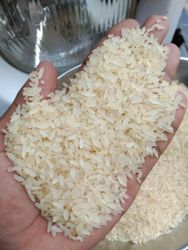
Vishal Savaj lists IR 64 parboiled rice with an MOQ of 27 Tons. The profile does not state a port, trade term, certificate, business type or export countries, and it does not mark the business as verified. The record marks the phone as verified.
Buyers interested in the product should request the broken percentage, full quality specification, packing details, available quantity, loading port and written commercial terms. The record’s lack of those fields is a prompt to ask for information, not a conclusion about the supplier’s capabilities.
2.4 Key Differences Between Suppliers
The clearest product overlap is among listings that name IR 64 parboiled rice. MASCOT EXIM identifies several broken-percentage options, while VERITAS GLOBAL and Shahji International name IR 64 parboiled rice at 5% broken. The remaining listings describe other rice types or provide less product detail, so buyers should confirm fit before comparing them against a specific IR 64 requirement.
The stated MOQs range from 1 Kilogram to 27 Tons or MT, but the units and product descriptions differ. Do not convert or compare the quantities as if they represented the same commercial offer. Several profiles state a port or trade term, while other records leave those fields unstated; none of these listing differences confirms the final shipment arrangement.
Across the eight records, seven profiles list export countries, three list trade terms, five state a port, and one lists a certificate. Six profiles state a year established and six mark the business as verified. These are counts of fields in the reviewed Freshdi supplier records, not market-wide measures and not independent assessments of supplier performance.
3. Which Suppliers Should You Contact for Your Buying Needs?
Shortlist suppliers by the product specification and shipment details they state, then use the first inquiry to close the information gaps. For an IR 64 parboiled rice requirement at 5% broken, the listings from VERITAS GLOBAL and Shahji International name that product description. MASCOT EXIM lists IR 64 parboiled broken rice with 5%, 10% and 15% options. These are potential inquiry matches, not confirmed recommendations or evidence of available stock.
For a buyer who has not fixed the variety or broken percentage, Naavira Exim’s general Parboiled Rice listing gives less to compare technically. ARAWAT INTERNATIONAL’s product title specifies long-grain basmati parboiled rice, while ALNADIM EXIM LLP names creamy sella basmati rice. Amski global trade’s listing names steam basmati rice, so a buyer requiring parboiled rice should first confirm whether it meets that requirement.
Commercial fields can narrow the questions, but they do not establish a preferred supplier. For example, MASCOT EXIM lists FOB and CIF, and Shahji International lists CIF, FOB and EXW. Compare these terms only after confirming the named place, shipment scope, product specification and quotation validity. The records state no prices, so buyers need current written quotations on the same basis.
Before sending an inquiry, prepare one specification for every supplier:
- Rice variety and whether basmati or non-basmati is required.
- Parboiling or other processing requirement and the required broken percentage.
- Moisture, foreign matter, damaged grain, grain length and other agreed quality limits.
- Order quantity, packaging material, bag size, labeling and pallet requirements.
- Destination, requested shipment window and the Incoterm with a named place.
- Required certificates, inspection arrangements and destination-country documents.
- Payment conditions and quotation validity.
Send the same specification to each shortlisted supplier. A response that omits a required field needs clarification before offers can be compared; a supplier’s profile entry alone is not a shipment-specific commitment.
4. How to Evaluate Suppliers Before Buying
Ask each supplier to identify the exact product and shipment represented by its quotation. A product title such as IR 64 parboiled rice 5% broken is a starting description; the purchase specification should state the agreed limits and how the parties will check them.
- Confirm the supplier’s legal entity, operating location and the capacity of the person issuing the offer to bind the company.
- Request a product specification that names the rice variety, processing method, broken percentage, grain dimensions, moisture limit and other contractual quality parameters.
- Ask for a current quotation showing currency, quantity unit, packaging, shipment timing, quotation validity and a named delivery point. Compare quotations only when those terms match.
- Request applicable certificates and export documents, and check their issuer, validity, product scope and destination requirements.
- Confirm MOQ, available quantity, production or loading schedule, port and allocation of freight and other shipment responsibilities.
- Agree how sampling, inspection, rejection and resolution of quality differences will work before the purchase contract is signed.
APEDA’s rice export requirements page lists an Importer Exporter Code, APEDA e-Registration Cum Membership Certificate, phytosanitary certificate and Registration-cum-Allocation Certificate among general export requirements for rice from India. APEDA also notes that importing-country rules can add conditions. The exporter and importer should check the current requirements that apply to the product, route and destination rather than assuming one document set fits every shipment.
A profile’s verified-business or verified-phone status is a platform field, not proof that a particular rice lot meets the contract or that a shipment will proceed as proposed. Review the supplier’s company documents and product evidence for the specific transaction.
5. How Freshdi Helps Buyers Compare Suppliers
Freshdi’s supplier listings bring profile and product details together, making it possible to review stated MOQs, product names and available commercial fields before preparing inquiries. The Parboiled Rice supplier category can be used to find relevant listings, while the individual profile links in the comparison table lead to the records discussed here.
Buyers can also review Parboiled Rice buying requests on Freshdi to see the requirements buyers have posted, and browse Parboiled Rice supplier listings on Freshdi for additional profiles. A listing is a starting point for an inquiry; buyers should confirm current availability, product specifications and commercial terms before making a purchasing decision.
6. Conclusion
The eight India listings vary in product specificity and stated commercial information. For buyers seeking IR 64 parboiled rice at 5% broken, three records name a closely relevant product description, while other listings require confirmation of the processing method, variety or broken percentage. MOQ units also differ, and the records contain no prices.
Before choosing a supplier, compare written offers against one agreed specification and confirm the product documents, packing, quantity, price basis, trade term and destination requirements. Freshdi gives buyers a place to review the supplier listings discussed here and identify profiles for further inquiry.
Once your specification is ready, use Find Suppliers to continue comparing relevant parboiled rice listings.
View Related Suppliers for This Product →
Frequently Asked Questions
Which Indian supplier listings name IR 64 parboiled rice?
The reviewed listings from MASCOT EXIM, VERITAS GLOBAL and Shahji International name IR 64 parboiled rice. MASCOT EXIM lists 5%, 10% and 15% broken options; VERITAS GLOBAL and Shahji International list 5% broken. Buyers should confirm the complete specification and current availability with each supplier.
Can buyers compare the stated MOQs directly?
No. The records use different units, including 1 Kilogram, Tons and MT, and the products are not all described the same way. Confirm the unit and the quantity applicable to your requested product and packaging before comparing supplier offers.
Do the Freshdi supplier records include prices?
No. The supplier records used for this comparison do not state prices. Request current written quotations with the same specification, currency, quantity unit, named delivery point and shipment conditions.
Does a supplier listing confirm that a product is parboiled?
Only treat the product description as stating what it says. Some records explicitly name parboiled rice; Amski global trade names steam basmati rice, and ALNADIM EXIM LLP names creamy sella rice. Ask the supplier to confirm the processing method and provide a specification that matches your purchase requirement.
What should a buyer confirm about parboiled rice quality?
Agree the variety, processing method, broken percentage, moisture limit, foreign matter, grain dimensions and packaging in the purchase specification. Ask for the applicable product documents and agree how sampling and inspection will verify the shipment against those limits.
Which trade terms are stated in these supplier profiles?
Three supplier records list trade terms. MASCOT EXIM lists FOB and CIF; Shahji International lists CIF, FOB and EXW; ALNADIM EXIM LLP lists NEGO, T/T and FOB. Confirm what each term means for the specific offer, including the named place, transport responsibilities and payment conditions.
References
1. Freshdi – Parboiled Rice supplier profiles reviewed for this comparison, November 16, 2026.
2. APEDA – Non-Basmati Rice, 2026.
3. APEDA – Requirements for Export of Rice, 2026.
4. Ministry of Commerce and Industry, Government of India – Lok Sabha Unstarred Question No. 299: Export of Parboiled and Non-Parboiled Rice, February 4, 2025.
5. USDA Foreign Agricultural Service – Grain and Feed Annual: India, April 2, 2026.
Disclaimer: This article is compiled from platform data, public sources and information provided by third parties, for general informational purposes only. We do not guarantee its accuracy or completeness. Mentions and rankings of suppliers do not constitute an endorsement or guarantee, and strategies and examples are illustrative; results may vary. Please conduct your own due diligence before making business decisions.