
Introduction
Fresh fruit export quotations depend on more than the product name. Variety, size, maturity, pack format, shelf life, origin, transport mode and destination all affect whether a supplier can meet a buyer’s requirements. Three Freshdi buying requests from buyers based in the United Arab Emirates illustrate different sourcing needs: 10 MT of Kent mangoes for Dubai, a combined 26-ton request for oranges and pomegranates with Alexandria, Egypt named as destination, and a 2–5 ton trial order covering five fruit types for Dubai International Airport.
Buyer country and delivery destination are kept separate throughout the article.
Key Takeaways
- Three UAE-based buyer profiles are associated with three different delivery destinations: Dubai, Alexandria in Egypt and Dubai International Airport.
- The Kent mango request provides the clearest product and packing requirements: 400–600 g per fruit, packed in 4 kg cartons of 8–12 fruits.
- The orange-and-pomegranate request states 26 tons but does not split the quantity between fruits and contains conflicting FOB/CIF and payment information.
- The mixed-fruit request is a 2–5 ton trial across blueberries, Hass avocado, raspberries, strawberries and yellow pitaya, with no quantity split by fruit.
- Global trade data shows significant international movement in tropical fruits and fresh oranges, but each RFQ still needs its own product-level quotation and cold-chain plan.
Global Market Overview: Fresh Fruit Production and Trade
Global production base
FAO’s latest agricultural production statistics available in this research reported that global fruit and vegetable production reached 2.1 billion tonnes in 2023, up 1% from 2022. This combined category covers fruit and vegetables together; it is not a fresh-fruit-only export figure. It nevertheless shows the scale of the wider horticultural production base from which domestic and international fresh-produce supply is drawn.
Mango and tropical fruit trade
The OECD–FAO Agricultural Outlook 2026–2035 estimates that global exports of mangoes, mangosteens and guavas reached approximately 2.7 million tonnes in 2025, 7% higher than in 2024. Fresh imports of the same group rose 12% to 2.6 million tonnes. Mango accounted for around 85% of global shipments in this group. The United States and the European Union remained the leading importers, with estimated shares of 23% and 17%; China’s imports were estimated to have increased 19% in 2025. These figures are for the combined mango–mangosteen–guava group, not mango alone.
Fresh orange supply and exports
USDA Foreign Agricultural Service’s January 2026 Citrus: World Markets and Trade report projects 2025/26 global fresh-orange production at 45.9 million tonnes and exports at 4.9 million tonnes. Brazil’s production is forecast at 13.5 million tonnes and Egypt’s at 4.0 million tonnes. Egypt and South Africa are expected to lead export growth; South African fresh-orange exports are forecast at 1.5 million tonnes, a record high for the second consecutive year. The report also forecasts EU fresh-orange imports at 1.0 million tonnes as imports supplement lower domestic production.
What this means for suppliers
The global figures point to established cross-border trade in tropical fruits and citrus, but they do not prove demand for a particular Kent mango grade, fruit size or shipment to Dubai or Alexandria. Suppliers should use the global context to understand competing origins and trade flows, then base their offers on the buyer’s exact RFQ: fruit variety, size, pack, volume, destination, transport mode, delivery term and required remaining shelf life.
Looking to Sell ?
Connect with verified buyers, receive relevant buying leads, and explore sourcing opportunities from global markets.
Buying Request Comparison Table
| Buying request | Buyer country | Quantity | Product / key specifications | Destination | Trade term | Payment |
|---|---|---|---|---|---|---|
| Fresh Mangoes (Kent Variety) | UAE | 10 MT | Kent; 400–600 g/fruit; 4 kg carton (8–12 fruits) | Dubai, UAE | FOB or CIF | T/T |
| Orange & pomegranate | UAE | 26 tons | Combined order; fruit split and detailed grade not specified | Alexandria, Egypt | FOB field / CIF narrative | Other field / bank transfer narrative |
| Five-fruit trial order | UAE | 2–5 tons | Blueberry, Hass avocado, raspberry, strawberry, yellow pitaya | Dubai International Airport, UAE | CIF | TT / against scanned shipping documents |
Source: Observed and compiled by Freshdi. Buyer country and delivery destination are shown separately.
Buying Request Details
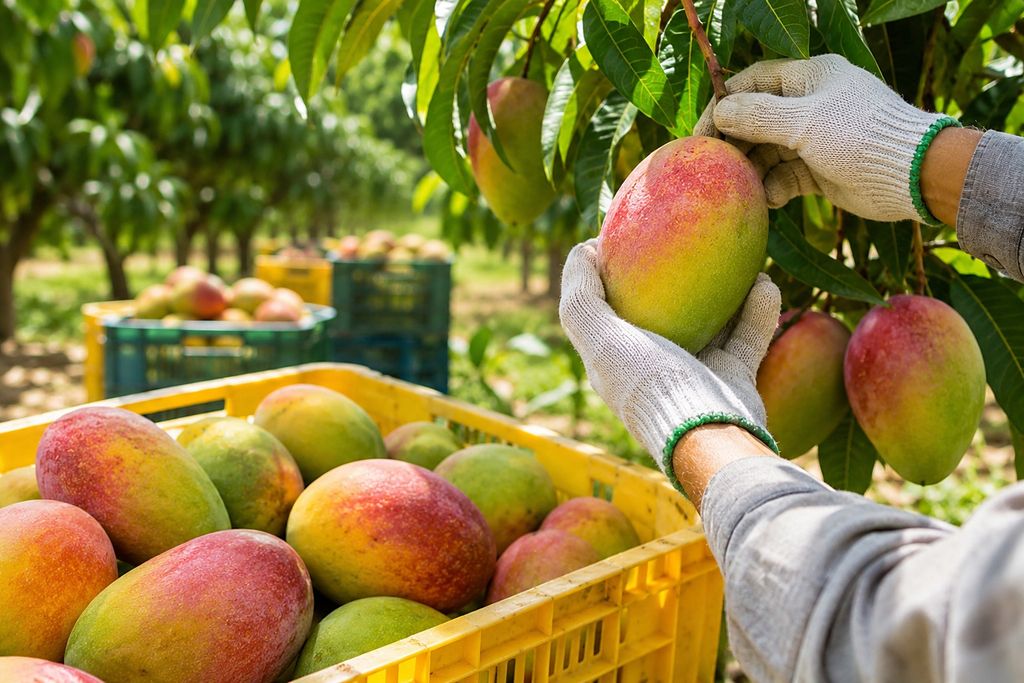 | 1. Fresh Mangoes (Kent Variety) – 10 MT, Dubai, UAE Hot Buy Buyer: United Arab Emirates · Rating: 4.6/5 Quantity: 10,000 kg (10 MT) · Product: Fresh Kent mangoes Specifications: Fruit weight: 400–600 g each; 4 kg cartons containing 8–12 fruits Destination: Dubai, UAE (DXB) Trade term: FOB or CIF · Payment: T/T |
Why this request may matter
The requirement for 10 metric tons of Kent mangoes, with individual fruit weights ranging from 400–600 grams, provides a relatively clear sourcing opportunity for suppliers specializing in export-grade mangoes. The specified 4 kg carton format, containing approximately 8–12 fruits, also gives suppliers a practical reference for preparing their product grading, packing arrangements, and quotation.
For suppliers with established mango production or sourcing networks, this request may be relevant during periods when Kent mangoes are available in consistent export quantities. However, the buyer has not specified the preferred country of origin, maturity stage, acceptable quality tolerances, or shipment schedule.
Best suited to
Fresh mango growers, packhouses, exporters, and wholesalers able to supply Kent mangoes within the specified weight range and carton configuration.
What to clarify first
Country of origin, harvest maturity, grading standards, acceptable defects, packaging material, carton labelling, shelf-life requirements, shipment schedule, named destination point, and whether the buyer prefers FOB or CIF pricing.
View original buying request →
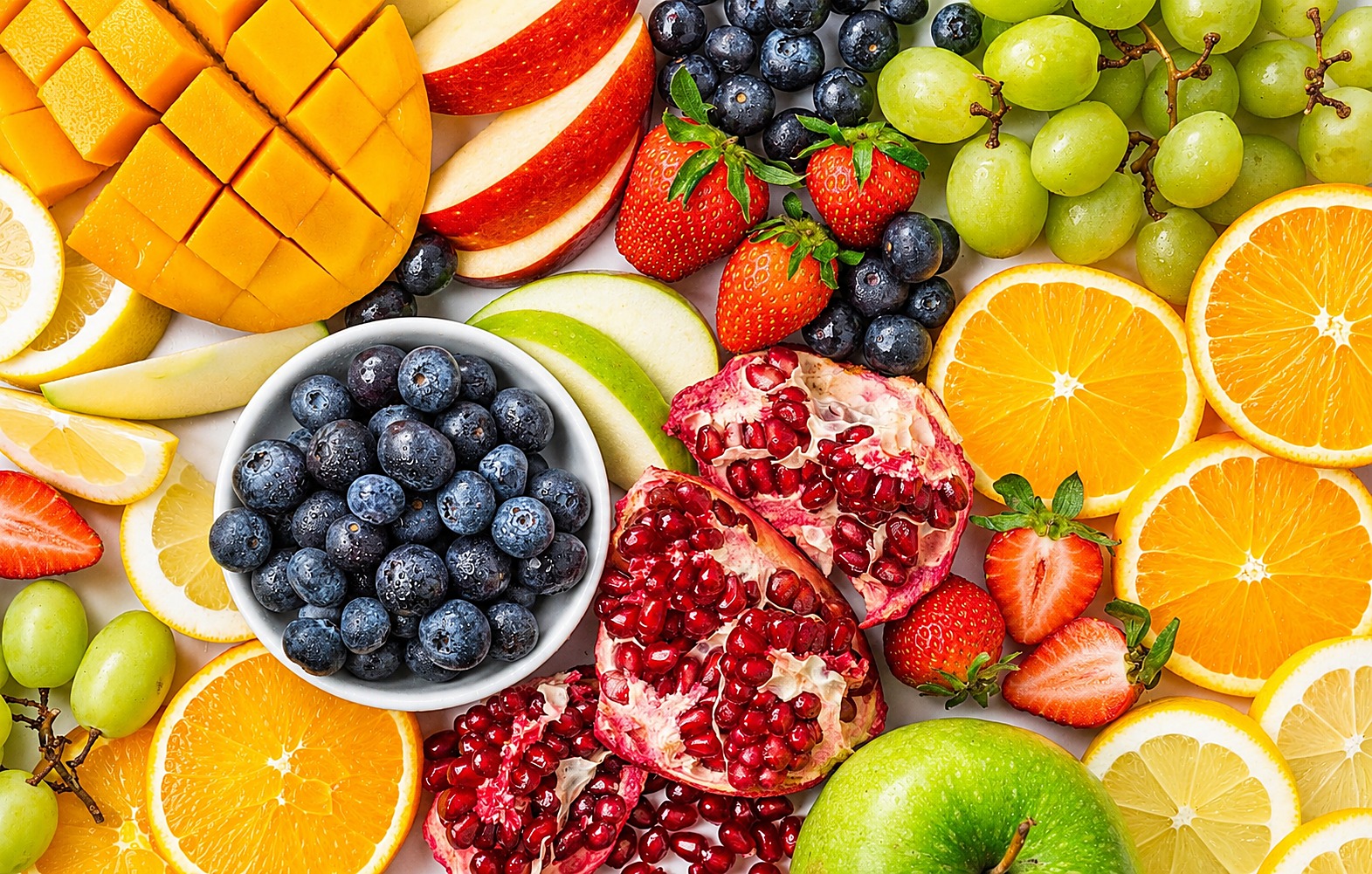
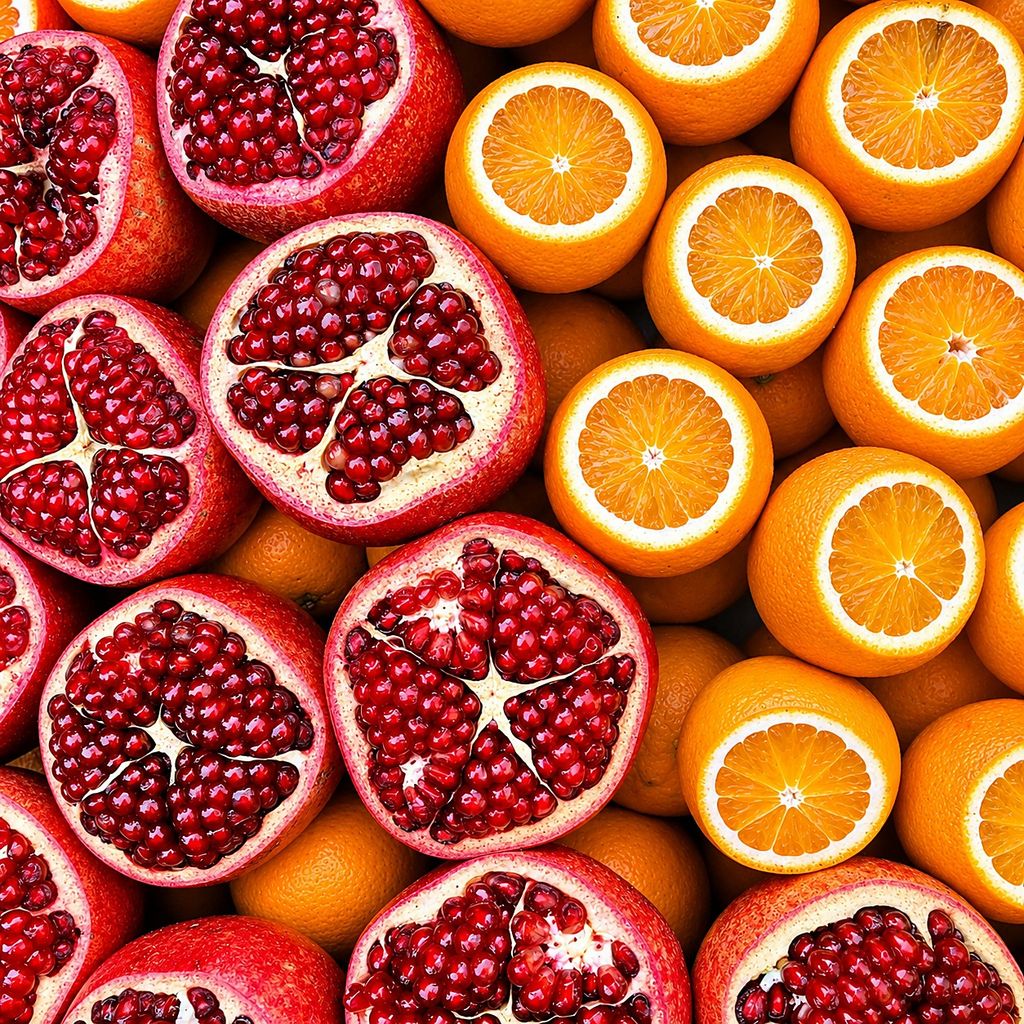 | 2. Orange & Pomegranate – 26 Tons, Alexandria, Egypt Hot Buy Buyer: United Arab Emirates · Rating: 4.5/5 Quantity: 26 tons · Product: Fresh oranges and pomegranates Specifications: Combined quantity is stated; no split by fruit, variety, grade, sizing or packaging is provided Destination: Alexandria, Egypt (ALY) Trade term: Structured field: FOB; narrative also requests CIF Payment: Structured field: Other; narrative mentions bank transfer within two weeks |
Why this request may matter
The combined requirement for 26 tons of fresh oranges and pomegranates may interest suppliers that handle multiple fruit categories or can coordinate sourcing through established producer networks. The relatively substantial order volume could create an opportunity for exporters capable of consolidating different fresh-fruit products while maintaining consistent grading, packaging, and shipment quality.
However, the request does not specify how the total quantity should be divided between oranges and pomegranates. It also contains differences between the structured commercial fields and the buyer’s description: the trade term is shown as FOB in one field but CIF is mentioned in the description. Payment information also requires further confirmation.
Best suited to
Citrus and pomegranate growers, fresh-fruit exporters, agricultural trading companies, and wholesalers with the ability to consolidate and supply multiple fruit categories.
What to clarify first
Required quantity of each fruit, preferred varieties, size and grade specifications, country of origin, packaging format, named delivery point, applicable Incoterm (FOB or CIF), payment schedule, target shipment timeline, and transport arrangements.
View original buying request →
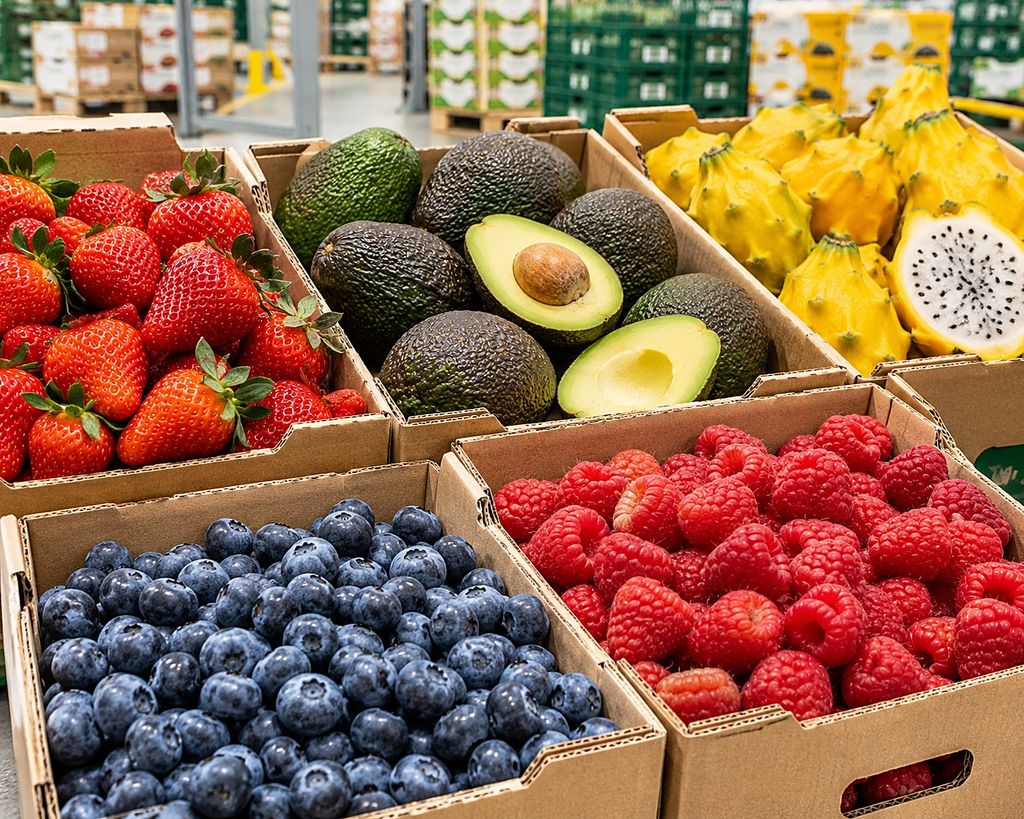 | 3. Fresh Fruits – 5 Varieties, 2–5 Tons, Dubai International Airport, UAE Confirmed Buyer: United Arab Emirates · Rating: 4.4/5 (2 reviews) Quantity: 2–5 tons (trial order) Product: Fresh blueberries, Hass avocado, raspberries, strawberries and yellow pitaya Specifications: Buyer asks for product specifications, origin, available quantity, packaging, shelf life and export experience; no per-fruit allocation is stated Destination: Dubai International Airport (DXB), UAE Trade term: CIF · Payment: TT / against scanned shipping documents |
Why this request may matter
The request covers five fruit categories: blueberries, Hass avocado, raspberries, strawberries, and yellow pitaya, with a stated trial-order volume of 2–5 tons. This creates a potential opportunity for suppliers specializing in premium fresh produce, particularly those capable of handling several fruit varieties for a single buyer.
Unlike a conventional bulk order for one commodity, a multi-fruit trial shipment requires careful coordination of product availability, grading, packaging, temperature management, and remaining shelf life. Suppliers with established sourcing networks or experience consolidating premium fresh produce may be better positioned to respond.
Best suited to
Premium fresh-fruit exporters, produce consolidators, and wholesalers with access to multiple fruit varieties and experience in temperature-controlled export shipments.
What to clarify first
Whether the 2–5 tons represents the combined quantity or the quantity required for each fruit, required varieties and grades, country of origin, packaging specifications, shelf-life requirements, storage temperature, air or sea freight preference, CIF delivery arrangements, and earliest acceptable shipment date.
View original buying request →
What These Buying Requests Mean for Fresh Fruit Suppliers
- Kent mangoes: match the specified variety, fruit-weight range and carton configuration. State the actual origin, maturity, grading tolerance and available shipment volume.
- Oranges and pomegranates: do not allocate the 26 tons by assumption. Obtain the quantity split and reconcile FOB/CIF and payment details before calculating the offer.
- Mixed-fruit trial: confirm the volume required for each fruit, then provide a separate specification, origin, pack, shelf-life statement and price for every SKU offered.
- Across all three requests: provide a realistic cold-chain plan, traceable product information, clear Incoterms and a shipment schedule that can be supported operationally.
Commercial and Export Considerations
- Confirm product identity, variety, grade, size range, maturity and acceptable defects for each fruit.
- Specify packaging material, net weight, fruit count per carton, carton dimensions, palletisation and labels. Only the Kent mango RFQ specifies a 4 kg carton and 8–12 fruits.
- Provide harvest/packing date, expected shelf life, storage temperature, pre-cooling method and temperature-control plan where relevant.
- Check destination-market phytosanitary and import requirements with the buyer and competent authorities; do not assume a certificate or treatment not named in the RFQ.
- State the Incoterms rule and named place precisely. Resolve the FOB/CIF conflict in the orange-and-pomegranate request and the air/sea mismatch in the mixed-fruit request.
- Confirm payment currency, payment timing, bank instrument and documentary conditions before reserving stock or dispatching goods.
- Make the quotation basis explicit: unit, currency, quantity split, packaging, Incoterm, named place, freight/insurance inclusion and validity period.
How Freshdi Helps Suppliers Turn Buying Requests into Business Opportunities
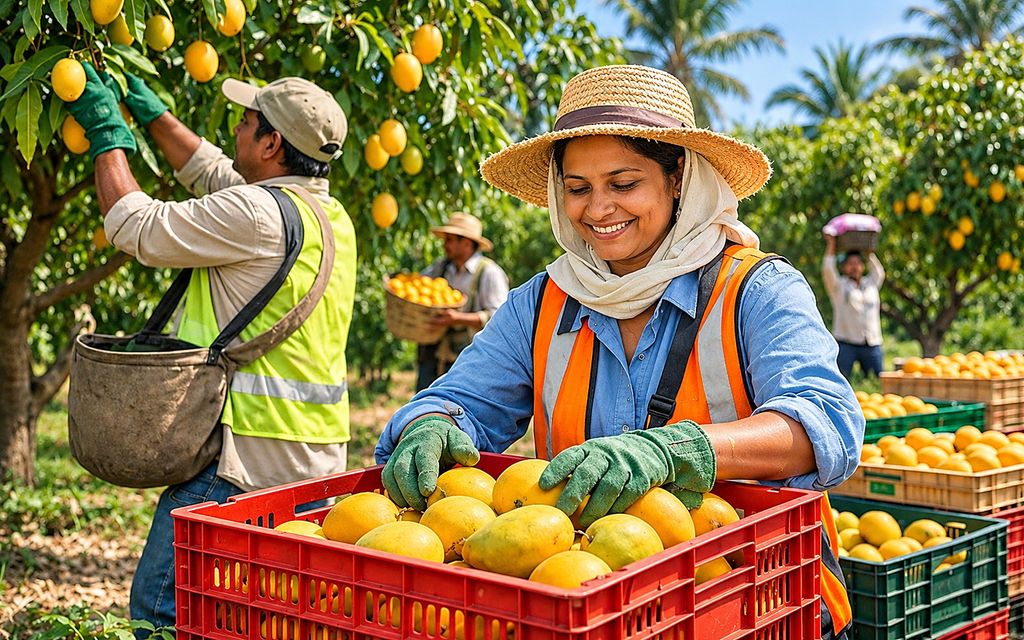
Fresh fruit buyers rarely purchase on product names alone. They compare varieties, grades, sizing, packaging, available volume, origin, shelf life, delivery routes and commercial terms before deciding which suppliers to approach. For exporters, the challenge is not simply finding a buyer who wants fruit; it is identifying a request that matches what they can reliably supply, then presenting that offer clearly.
Freshdi helps suppliers make that process more structured by bringing buying requests and supplier product information together in one B2B marketplace. Instead of relying only on broad market enquiries, suppliers can review requests posted by buyers, understand the requirements stated in each listing and decide where their products may be a suitable fit.
1. Start with buying requests that match your actual supply. Browse the relevant fruit buying requests and read each listing carefully before responding. Check the requested fruit types, quantity, destination, specifications, trade terms and payment information. The three requests in this article show why this step matters: a clearly defined Kent mango order may suit a supplier with the stated size and carton format, while a mixed-fruit trial order may be more appropriate for an exporter able to consolidate several fruit categories. Where details are missing or inconsistent, clarify them with the buyer rather than filling the gaps with assumptions.
2. Make your supplier profile work as your business introduction. Once you identify a relevant request, the buyer also needs a reason to take your offer seriously. Keep your Freshdi company profile complete and consistent with your actual export capability. Present your business description, company identity, website, certificates and product range accurately, and keep contact and business information up to date. A clear profile helps buyers understand who is offering the product and gives them useful context before they move into a commercial discussion.
3. Present products with export-relevant information. Use your Freshdi product listings to show what you can supply, not just the product name. For fresh fruit, useful details may include variety, grade, fruit size or weight, origin, season or availability window, packaging format, minimum order quantity, storage conditions and applicable certifications. Only publish specifications that your business can support. When a buyer asks for 400–600 g Kent mangoes in 4 kg cartons, for example, a listing or quotation that directly addresses those points is easier to assess than a generic “fresh mango” offer.
4. Send a quotation that answers the buyer’s request. When a buying request is a good fit, use Freshdi’s quotation function to respond with a clear, request-specific offer. State the product and variety, available quantity, specification, packaging, price basis and currency, Incoterm and named place, payment terms, shipment readiness and quotation validity. If a buyer’s request contains conflicting information—such as FOB in one field and CIF in the description—ask which term should govern the offer before calculating freight or submitting a final price. A precise quotation makes it easier for the buyer to compare your proposal with the requirements they posted.
5. Strengthen buyer confidence through verification and support. Business verification and a well-maintained profile can help buyers assess your company information with greater confidence. Suppliers who want more structured buyer-matching support can also explore Freshdi’s Premium Matching service, subject to the platform’s current eligibility requirements. Freshdi’s Account Manager can help eligible suppliers understand matching opportunities and improve how they present their offer. These services can support the connection process, but they do not replace the buyer’s own checks or guarantee an order.
A practical next step for fresh fruit exporters
Choose one or two buying requests that closely match your current stock or production plan. Check every stated requirement, prepare a product sheet with accurate specifications and export photos, and submit a quotation that answers the buyer’s questions directly. If a key detail is unclear, ask for confirmation first. You can also review and improve your Freshdi company profile and product listings so that buyers who view your offer can quickly understand your products and capabilities.
Freshdi gives suppliers a place to discover buying requests, present their products and respond to buyer enquiries. The commercial result still depends on product fit, pricing, quality, logistics, documentation and agreement between both parties. Treat each RFQ as the start of a qualified business conversation—and make every response specific, transparent and easy for the buyer to evaluate.
Explore Fresh Fruit Buying Requests →
Book a meeting with an Account Manager →
Frequently Asked Questions
Can I see full buyer contact details on Freshdi?
Yes. You can open a buying request to review its requirements, then upgrade to Premium to access the unlock features for buyer contact information. Contact details are unlocked separately for each RFQ, and the unlock is needed before you can view them and send a quotation. Available credits depend on your account plan, so check your membership benefits before choosing a package.
Where can I find more fresh fruit buying requests?
You can browse the Fruit buying-request category on Freshdi’s Buying Leads page. Open each RFQ to review the fruit type, quantity, destination, trade terms and payment details. Search with specific keywords such as mango, orange, pomegranate or avocado to narrow the list, and check New Buyer and Hot Buyer labels to spot recent opportunities. Revisit the category regularly because new requests are posted often.
How do I send a quotation for a fruit buying request?
Open the buying request that matches your supply, review every stated requirement, then use the Send Quotation button on the request page. Include the fruit variety, available quantity, specification, packaging, price and currency, Incoterm, payment terms and validity. If the request has unclear or conflicting details, ask the buyer to confirm them before sending a final price. Your quotation allowance depends on your membership plan.
What should a fresh fruit quotation include?
A strong quotation answers the buyer’s request line by line. State the variety, grade and size range, available quantity, packaging format, country of origin, price basis and currency, Incoterm with a named place, payment terms, shipment readiness and quotation validity. Add storage temperature and shelf-life information where relevant. Only offer specifications your business can support, because clear and accurate offers are easier for buyers to compare.
Does a UAE buyer always mean delivery to the UAE?
No. A buyer’s country shows where the buyer’s profile is based, while the destination is the place named for delivery. In this article, all three buyers are based in the UAE, but one request names Alexandria, Egypt as its destination. Always read the destination, port and Incoterm fields in each request before calculating freight, insurance or delivery costs for your quotation.
What should I do if a buying request has conflicting trade terms?
Ask the buyer which term should govern before you quote. For example, one request in this article shows FOB in the structured field but mentions CIF in the description, and its payment information also needs confirmation. Clarify the Incoterm, named place and payment schedule first, then calculate freight and insurance accordingly. This avoids pricing mistakes and keeps your offer consistent with what the buyer expects.
How can I tell whether a fruit buyer is reliable?
Check the buyer’s rating, verification level and status labels such as Hot Buy or Confirmed, and review how complete the request details are. These signals help with initial screening, but they do not guarantee a response, payment or completed order. Ask for clarification, request payment terms in writing and carry out your own due diligence before reserving stock or shipping goods.
Do I need Premium to respond to fresh fruit buying requests?
Not necessarily. With a free supplier account you can browse buying requests, send quotations and post your products on Freshdi. Premium adds more options, such as higher quotation allowances, unlocking buyer contact information, product advertising and matching features. Review the membership page to compare current benefits, then choose the plan that fits how many buyers you plan to contact.
Conclusion: Match the Offer to the Fruit and the Route
The three requests show different fresh-fruit sourcing models: a defined Kent mango order, a combined orange-and-pomegranate requirement with unresolved commercial fields, and a multi-fruit trial order. Suppliers should not quote from headline quantities alone. Confirm the fruit split, grade, packaging, shelf life, transport mode, named delivery point and payment terms, then submit a product-level offer supported by realistic cold-chain and export documentation. Before quoting, open each original RFQ and check that it is still available.
References
1. FAO, Agricultural Production Statistics 2010–2023 (released 20 December 2024).
2. OECD–FAO Agricultural Outlook 2026–2035, chapter on mango, mangosteen and guava (published 29 June 2026).
3. USDA Foreign Agricultural Service, Citrus: World Markets and Trade, January 2026.
Figures are reported with their original year, scope and units; projections are identified as forecasts.
Disclaimer: This article is compiled from platform data, public sources and information provided by third parties, for general informational purposes only. We do not guarantee its accuracy or completeness. Mentions and rankings of suppliers do not constitute an endorsement or guarantee, and strategies and examples are illustrative; results may vary. Please conduct your own due diligence before making business decisions.