
Introduction
Compare ten Freshdi Arabica coffee listings, stated supplier terms, and checks buyers need before purchase.
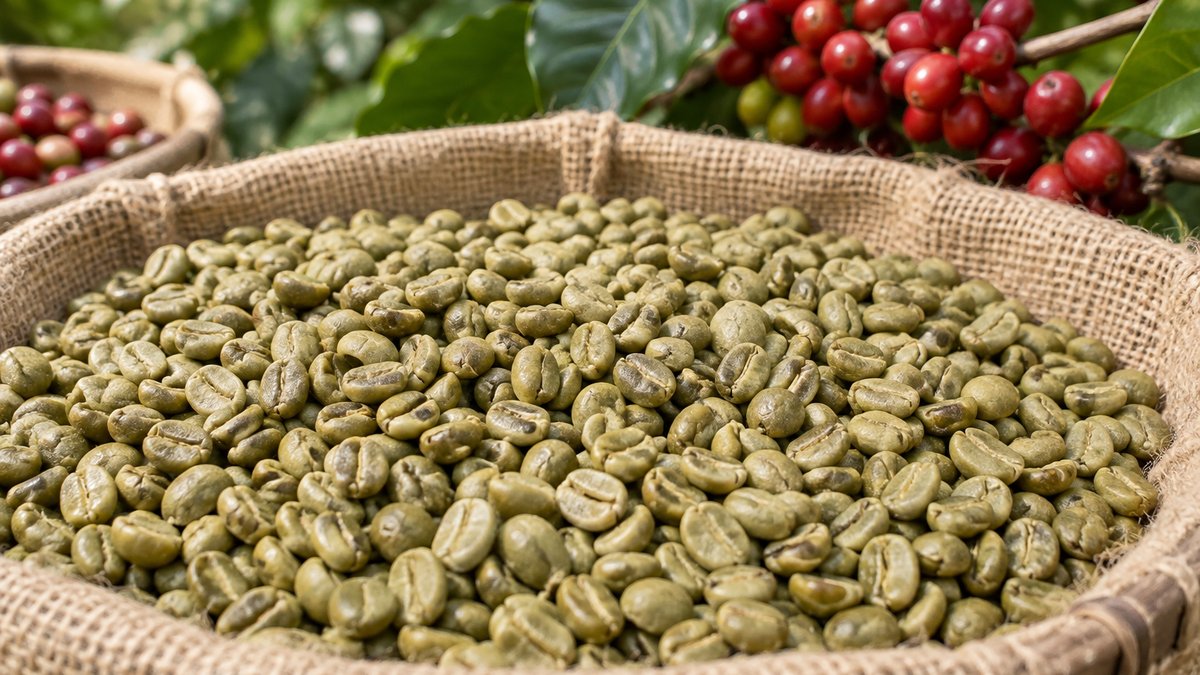
Arabica coffee is traded from origins across several producing regions, while supplier location, product origin and shipping port can differ. This shortlist covers ten live Freshdi supplier listings reviewed as of November 17, 2026. The listings span seven supplier countries and vary in product descriptions, stated minimum order quantities and trade terms. They are presented without a rank order: the profiles provide a starting point for comparison, not an official Freshdi ranking or an endorsement.
Key Takeaways
- The ten live listings show Arabica products from suppliers based in Belgium, Indonesia, Kenya, the Netherlands, Tanzania, Uganda and Vietnam.
- Product descriptions include green beans, grade and screen-size details, organic wording, and listings that mention both Arabica and Robusta.
- Stated MOQs range from 1,000 kilograms and 1 ton to 100 MT and a 20-foot container; those units are not directly comparable.
- CIF appears in all ten supplier profiles and FOB in nine, according to Freshdi’s supplier data as of November 17, 2026.
- Confirm origin, current availability, specification, documentation, named ports and quotation basis before comparing offers.
1. Arabica Coffee Production and Trade Context
Arabica supply is concentrated in a handful of large producing countries, while buyer requirements depend on the bean’s origin, grade, processing and intended use. The USDA Foreign Agricultural Service’s Coffee Summary reports 2026/27 July estimates of 47.5 million 60-kilogram bags of Arabica production for Brazil, 13.4 million for Colombia and 12.1 million for Ethiopia. These are production estimates for those countries, not exportable volumes or supplier offers.
The International Coffee Organization reported 6.13 million 60-kilogram bags of green Arabica exports in September 2026, compared with 6.12 million in September 2025. That monthly global figure combines Arabica groups and does not identify individual suppliers or the origin of the listings in this article. Use it as recent trade context, not as a benchmark for an individual quotation.
Freshdi’s live Arabica supplier listings show a different kind of evidence: profile and product information from ten suppliers in seven countries. Those listings include suppliers based in producing countries and in Belgium and the Netherlands. A supplier’s listed country does not by itself establish where its coffee was grown; buyers should check the product’s stated origin and supporting documents.
Looking to Source Arabica Coffee?
Connect with verified suppliers, discover matching products, and explore sourcing opportunities from global markets.
2. 10 Arabica Coffee Supplier Listings on Freshdi
2.1 Supplier selection criteria
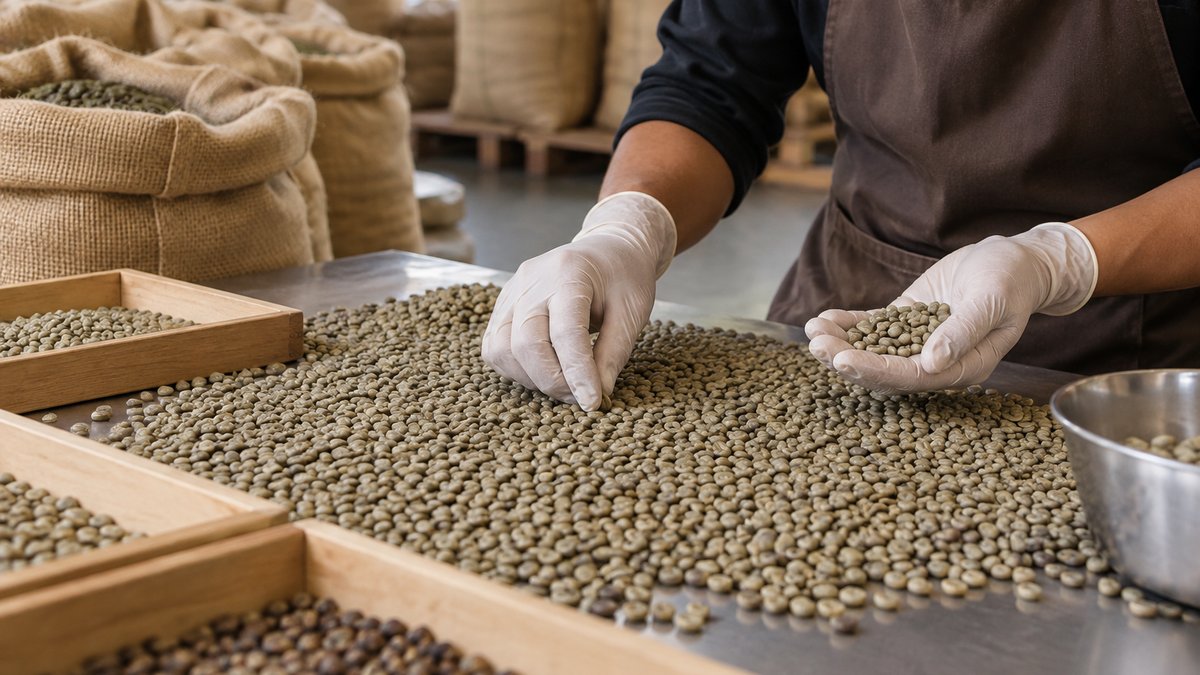
This shortlist covers the ten live supplier records supplied for Arabica Coffee, using published profile and product-listing information. The records are shown in no rank order. The available information supports comparisons of stated location, product descriptions, MOQ, trade terms, listed certificates and other profile fields. It does not establish product quality, current stock, capacity to fulfill an order or the validity of documents.
2.2 Ranking methodology and limitations
Freshdi’s data identifies ten supplier records and says the records were selected using profile information. It provides no scoring formula or official Freshdi ranking, so this article does not label any company the best or assign a numbered rank. The review date is November 17, 2026. Listing details are snapshots; confirm current terms and supporting evidence directly through the relevant Freshdi listing before making a sourcing decision.
Freshdi marks business and phone verification for all ten records. That status is a platform profile field, not proof of a particular coffee lot’s quality, origin, certification, availability or export performance. Certificates are reproduced as listed in the records; buyers should check the issuing body, scope, holder and expiry for any document relevant to their order.
2.3 Supplier profiles
2.3.1 Farmers Cooperative Limited, Tanzania
The profile lists Arabica Coffee products with MOQs of 1 unit and 1 20-foot container, and CIF and FOB terms. It gives Dar-es-salam, Tanzania, as the port and lists TIN among its certificates. Confirm the quantity represented by “1 unit,” the coffee’s origin and specification, and the exact loading port for the selected offer.
2.3.2 SATTER FOOD AND BEVERAGE, Netherlands
Two product descriptions mention Arabica alongside Robusta, organic coffee and whole beans; each lists a 100 Box MOQ. The profile includes several business types and lists a port as “netherland.” Its certificates include items such as A4 paper and a certificate of analysis. Ask which exact Arabica product is available, what each box contains, where the coffee originates and which documents apply to that product.
2.3.3 Njang Investments Limited, Kenya
The listings include “Coffee Arabica” and a combined Arabica and Robusta offer, both with a 100 MT MOQ. CIF and FOB are listed, with Mombasa, Kenya, shown as the port. The profile lists ACS among its certificates. Buyers should identify the requested species and lot specification, then confirm whether the full 100 MT is available under the named term.
2.3.4 malter group, Tanzania
The listed products describe Arabica green beans using organic wording and show a 5 Tons MOQ. The supplier profile gives Mombasa port and lists an incorporation certificate. The listing’s organic wording does not establish that the coffee is certified organic. Confirm the growing origin, port country, processing details and whether a recognized organic certificate covering the product and shipment is available.
2.3.5 THE GREEN INTERNATIONAL LIMITED, Tanzania
One listing describes wholesale Arabica coffee beans with a 20 Tons MOQ; the profile also lists a Robusta product. Dar es salaam is the listed port. The profile includes export and phytosanitary documents among its certificate entries, but buyers should verify their current validity and scope. Request the Arabica grade, crop details, packaging and a current quotation for the required volume.
2.3.6 Almaa SCS, Belgium
The product description names green Arabica beans and Ethiopian Arabica beans, with a 4 MT MOQ. Antwerp Port is listed as the port, and FC and BBA appear in the certificate field. The listing does not establish whether the beans are Ethiopian in origin or simply an available product description. Confirm origin, grade, processing and the meaning and scope of the listed certificate abbreviations.
2.3.7 PT. Artha Mustika Raya, Indonesia
The listing describes green Arabica coffee beans with a 1,000 Kilogram MOQ. Jakarta is the listed port, and COA appears in the profile’s certificate field. Ask for the lot-specific analysis, including the test parameters and date, along with origin, processing method, packaging and current availability.
2.3.8 CENTS COFFEE LTD, Uganda
The product is listed as Arabica coffee beans with a 5 MT MOQ. The supplier is based in Uganda, while Mombasa, Kenya, is shown as the port. Its certificate field includes a coffee export licence and a phytosanitary certificate. Confirm the bean origin, export route, loading location and which documents will accompany the specific shipment.
2.3.9 Integra Artha Terra, Indonesia
The listing describes Indonesian Arabica green coffee beans in grades 1 to 4, with a 1 Tons MOQ. Jakarta is the listed port, and the certificate field says “Report Of Analysist.” Ask which grade and lot are available, request the original analysis document and agree on the defect, moisture, screen-size and processing specifications before comparing prices.
2.3.10 Tin Thanh Dat Joint Stock Company (TTD), Vietnam
The listings describe Laos Arabica and Vietnam Arabica, each as Grade 1, Screen 16 to 18, fully washed, with an MOQ of 20-foot Container. Cat Lai Port is shown as the port. The profile lists GACC, EUDR, 4C, HALAL and FDA. Check the current scope and holder of each document, and confirm which origin and lot the quotation covers.
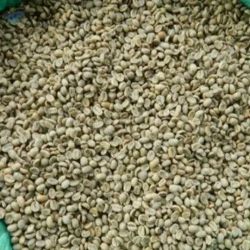
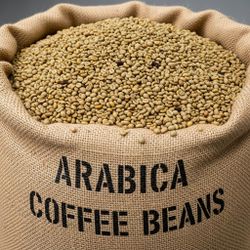
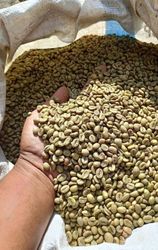
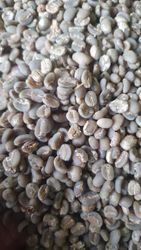
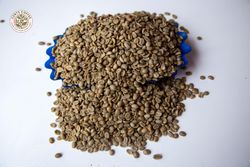
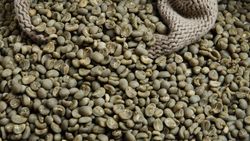
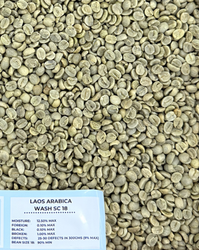
The product names and terms above are listing statements, not a uniform quality scale. For example, a 20-foot container is a shipment format, while a kilogram or ton figure is a weight; compare quantities only after the supplier confirms the net coffee weight and packaging. The supplier table provides the corresponding profile records for review.
3. Which Suppliers May Fit Your Buying Requirements?
The best starting point depends on the requested origin, lot size and specification. Use the listed details to decide whom to shortlist, then treat missing or ambiguous information as a question for the supplier rather than an assumed answer.
- For a smaller stated weight MOQ, PT. Artha Mustika Raya lists 1,000 kilograms and Integra Artha Terra lists 1 ton. Confirm the available lot and whether the supplier can meet your exact grade and packing requirement.
- For a stated 4 to 5 MT requirement, Almaa SCS lists 4 MT, while malter group and CENTS COFFEE LTD each list 5 MT. Their product descriptions and locations differ, so confirm origin, processing and shipment port before comparing quotations.
- For a larger weight-based request, THE GREEN INTERNATIONAL LIMITED lists 20 Tons and Njang Investments Limited lists 100 MT. Their listings need to be checked for current quantity, lot details and the exact meaning of the requested volume.
- For container-based sourcing, Farmers Cooperative Limited lists a 20-foot container MOQ for one product, and TTD lists a 20-foot Container MOQ for its Arabica offers. Ask for net weight, bag count, bag type and container loading details.
- For origin-specific buying, Integra Artha Terra’s description names Indonesian Arabica, while TTD’s product descriptions name Laos and Vietnam. Confirm that the offered lot matches the required country of origin and that documents will support it.
- For products described as organic, malter group and SATTER FOOD AND BEVERAGE use organic wording in product descriptions. Their listing text alone does not establish certification. Request a current certificate and check its holder, scope, product and shipment coverage.
CIF is listed in all ten profiles and FOB in nine, but the named location and allocation of costs still need to appear clearly in each quotation. The other listed trade terms vary by supplier. Ask for the exact Incoterm and named place or port, and compare offers on the same delivery basis.
Buying consideration: Shortlist suppliers against one written specification. If the product name leaves the origin, grade, processing method or package unclear, resolve those points before comparing price or committing to a volume.
4. How to Evaluate Arabica Coffee Suppliers Before Buying
A supplier profile can guide an initial shortlist, but a purchase decision needs lot-specific evidence and agreed commercial terms. Send the same request details to each candidate so the replies can be compared on a consistent basis.
- Define the coffee: country and region of origin, Arabica type or variety if required, grade, screen size, processing method, crop or harvest period and intended use.
- Set measurable quality limits for the lot. Specify the inspection or analysis parameters your business requires, and agree how results will be measured, who will test them and when.
- Confirm quantity and packing. State the required net weight, bag material and size, number of bags, pallet needs if any, and whether the supplier’s MOQ applies to the exact product configuration.
- Check company and document details. Match the supplier’s legal name across the profile, quotation and documents. Verify certificates with the issuing body and confirm that each document covers the product and shipment.
- Request a dated quotation. It should identify product origin and specification, quantity, currency, price unit, validity period, packaging, named delivery place or port, Incoterm and payment conditions.
- Review logistics and shipment documents. Confirm the actual loading port, route, lead time, export documents and the documents required by the destination market before agreeing the contract.
- Agree inspection, claims and payment terms in writing. Specify how the parties will handle a quality dispute, document discrepancy, short shipment or delay under the sales contract.
Keep product checks separate from platform profile fields. A verified-business or verified-phone marker does not answer whether a particular lot meets a buyer’s specification. Likewise, a certificate name in a listing does not establish that the certificate is valid for the proposed product, facility, destination or shipment date.
Illustrative Arabica inquiry format:
Product: Arabica green beans, origin and grade specified by buyer
Quality: Processing, screen size and agreed analysis limits
Quantity: Net weight and shipment schedule
Packaging: Bag material, bag weight and pallet requirement
Delivery: Named port or place and requested Incoterm
Documents: List of destination-market and contract requirements
This is an illustrative inquiry format. Set actual specifications and document requirements for the product and destination.
5. How Freshdi Helps Buyers Find Arabica Coffee Suppliers
Freshdi’s supplier category gives buyers a place to review Arabica coffee supplier profiles and product listings. Available details can help form an initial shortlist, while the buyer still needs to confirm specifications, origin, quantity, documents and commercial terms for the proposed lot.
Start by checking the product description and supplier location, then compare the stated MOQ, trade terms, port and certificates. Some listings combine Arabica and Robusta descriptions; others name multiple origins or leave product details open. Ask the supplier to identify the exact product and lot behind the quotation.
Buyers can browse the Arabica Coffee supplier category to review relevant listings. The profile records discussed here are live as of November 17, 2026, and may change after that date.
Once your specification is clear, browse Arabica listings to identify suppliers whose stated products and quantities merit a closer check.
View Related Suppliers for This Product →
6. Conclusion: Compare Arabica Listings Against Your Specification
These ten listings differ in stated origin, bean description, MOQ and shipping information. Integra Artha Terra names Indonesian grades 1 to 4; TTD lists fully washed Grade 1 Arabica from Laos and Vietnam; other profiles include container-based MOQs, mixed Arabica and Robusta descriptions or organic wording that requires certificate checks.
Choose a shortlist by matching the required origin, grade, processing, order size and destination terms. Request written confirmation and lot-specific documentation before comparing quotations. Freshdi’s Arabica Coffee supplier listings are a place to continue reviewing potential suppliers.
Use the supplier directory to review Arabica Coffee listings against the requirements in your sourcing brief.
View Related Suppliers for This Product →
Frequently Asked Questions
How many Arabica coffee suppliers are included?
The shortlist includes ten live Freshdi supplier records reviewed as of November 17, 2026. The records show suppliers based in seven countries. They are presented without a rank order and do not represent an official Freshdi ranking.
Which listed supplier has the lowest stated weight MOQ?
PT. Artha Mustika Raya lists 1,000 Kilogram, and Integra Artha Terra lists 1 Tons. Confirm the unit, current availability, product specification and whether the stated MOQ applies to the lot you want. A container-based MOQ cannot be compared directly with a weight-based quantity.
Do the listed country and port confirm the coffee’s origin?
No. Supplier location, loading port and product origin are separate details. For example, CENTS COFFEE LTD is based in Uganda and lists Mombasa, Kenya, as its port. Ask for the origin of the exact lot and verify it against the shipment documents.
Do product descriptions that say organic prove certification?
No. A product description using the word organic is not proof of certification. Ask for a current certificate and verify its holder, issuing body, scope and coverage of the specific product and shipment.
Can buyers compare the listed MOQs directly?
Only when the units and basis match. The listings include kilograms, tons, metric tonnes, boxes and 20-foot containers. Ask suppliers to confirm net coffee weight, packaging configuration and the quantity available for the same order scenario.
Does Freshdi verification confirm coffee quality or export capacity?
The records mark business and phone verification, but those profile fields do not establish the quality, origin, current availability or shipment capacity of a specific coffee lot. Request lot-specific specifications and documents, and carry out your own due diligence before ordering.
References
1. USDA Foreign Agricultural Service – Coffee Summary, 2026, 2026/27 July estimates.
2. International Coffee Organization – Coffee Market Report, October 2026, October 2026.
3. Freshdi – Arabica Coffee supplier profiles and product listings, Reviewed November 17, 2026.
Disclaimer: This article is compiled from platform data, public sources and information provided by third parties, for general informational purposes only. We do not guarantee its accuracy or completeness. Mentions and rankings of suppliers do not constitute an endorsement or guarantee, and strategies and examples are illustrative; results may vary. Please conduct your own due diligence before making business decisions.