
Introduction
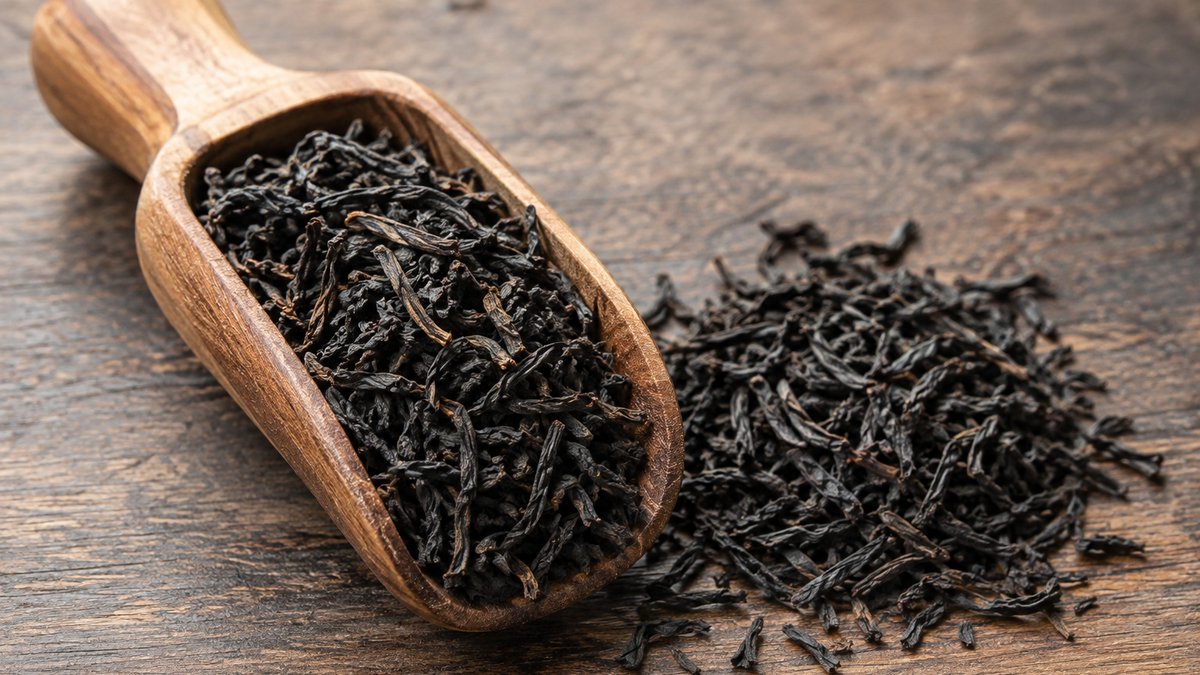
Ten suppliers with live Black Tea product listings were listed on Freshdi on November 16, 2026. Their supplier countries are India, the Netherlands, Pakistan, South Africa, Sri Lanka and Tanzania. The listings vary in tea type, stated minimum order quantity (MOQ), trade terms and available profile details.
This commercial shortlist is for importers and sourcing teams comparing possible suppliers. It is ordered for review, not presented as a best-to-worst ranking: the available fields do not provide a consistent quality, capacity or performance score. Buyers should compare product specifications and commercial terms against their own requirements, then confirm each offer directly through the relevant Freshdi listing.
Key Takeaways
- The ten profiles cover suppliers in six countries, with product listings that include CTC tea, Assam tea, Kenyan CTC tea, Ceylon tea and other Black Tea descriptions.
- Nine suppliers state a certificate or certificate-related profile entry; the names vary and do not establish that a document is current or applies to a particular tea listing.
- The stated MOQs range from 100 kilograms to 25 tons among listings with clear quantity units. One listing gives a container quantity, while another shows an unrelated unit that cannot be compared.
- Nine profiles list FOB among their trade terms. A listed term does not confirm that a supplier will accept it for a specific order or destination.
- Confirm tea grade, origin, specification, available volume, packaging, documents, named port, quotation basis and payment conditions before comparing offers.
1. Black Tea Market Overview for Global Buyers
Tea exports show why buyers should separate supplier location from the tea’s origin and specification. World Bank WITS data sourced from UN Comtrade reports that, in calendar year 2024, China exported USD 1.419 billion of tea under HS 0902, with a reported quantity of 374.1 million kilograms; Kenya exported USD 1.409 billion and 625.6 million kilograms; Sri Lanka exported USD 1.393 billion; and India exported USD 804.2 million. These are tea-wide figures under HS 0902, not black-tea-only statistics, and 2024 is the latest complete global comparison verified for this article.
The Freshdi listings describe a different, narrower view: ten supplier profiles with live Black Tea product listings on November 16, 2026. They include suppliers based in India, the Netherlands, Pakistan, South Africa, Sri Lanka and Tanzania. Some product descriptions name a tea style or origin, while others use a broad Black Tea label. A supplier’s listed country, the tea’s stated origin and the loading port are separate details; buyers should confirm each one for the actual shipment.
The profiles also differ in their business-type labels and commercial fields. Freshdi’s summary identifies seven Trading Companies, six Manufacturers and six Distributors/Wholesalers among the ten records; profiles can carry more than one business type. The summary reports that all ten list a country, business type, year established, verification status, port and products with an MOQ. These profile fields describe the listings, not independent evidence of production capacity or shipment performance.
Looking to Source Black Tea?
Connect with verified suppliers, discover matching products, and explore sourcing opportunities from global markets.
2. Meet 10 Black Tea Suppliers on Freshdi
The ten live product listings were selected for this article through a profile-based Freshdi selection. The selection does not come with a published scoring formula. This shortlist therefore uses product relevance and the stated profile fields to help buyers identify what to check, rather than claiming that one supplier is better than another. Freshdi marks all ten records as having verified business and verified phone status. That status does not replace product, document or transaction checks.
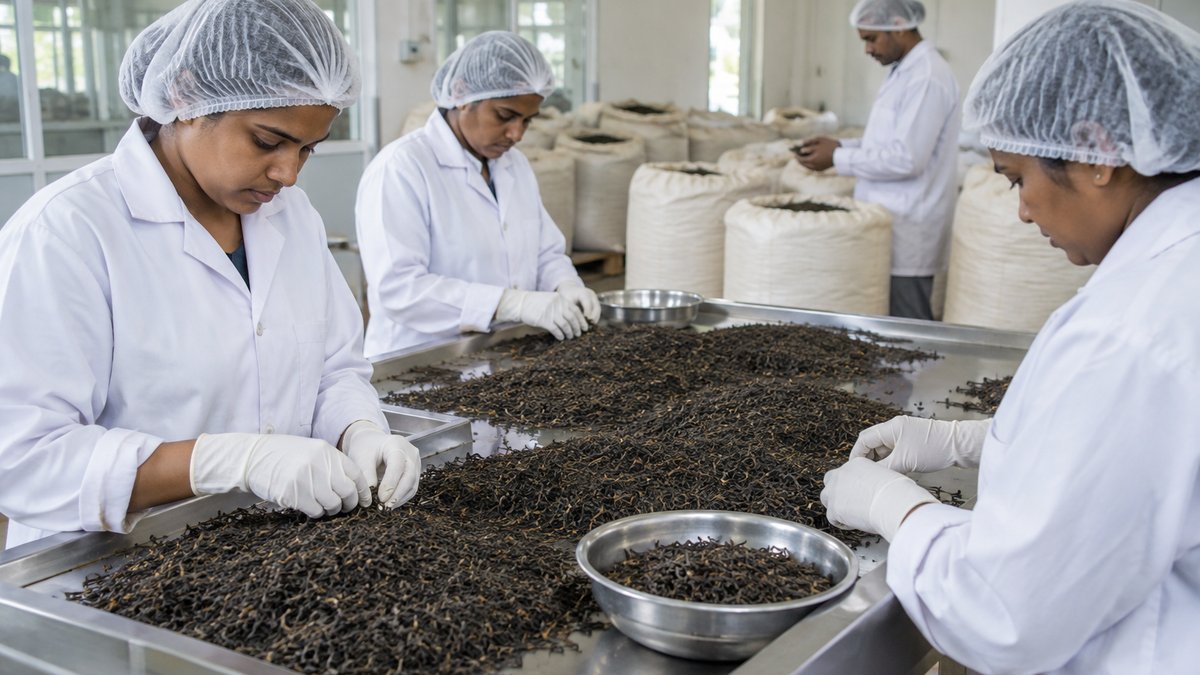
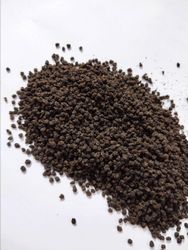
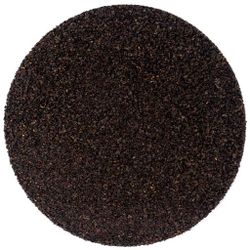
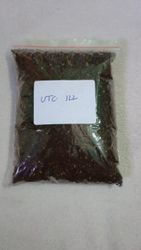
Insert the bulk_quality image after this paragraph.
2.1 Supplier selection criteria
Each profile was included because it contains a Black Tea product listing. The comparison uses the stated product description, supplier country, MOQ, trade terms, port, export countries, business type and certificate entries where supplied. Missing detail is treated as unstated, and a field that appears inconsistent or unusable is flagged for confirmation rather than corrected.
2.2 Ranking method and limits
Freshdi’s selection is profile-based, and the supplied data does not define a score or an official ranking. The supplier profiles below are presented in the order of their record IDs, not as a quality or reliability rank. The review date is November 16, 2026. Profile information is a live listing snapshot; it does not establish current availability, a valid quotation, tea quality, export history or suitability for a buyer’s destination.
2.3 Supplier profiles
2.3.1 AL SAAJ EXPORT & IMPORT LLP, India
The profile lists CTC Black Tea with a 500 kilogram MOQ and Assam Tea with a 100 kilogram MOQ. It identifies the business as a Trading Company, Manufacturer and Distributor/Wholesaler, and lists Mundra port in India. Certificate entries include GST and two entries described as a certificate of analysis or COA. Ask which tea each analysis covers and request a current specification and test results for the offered lot.
2.3.2 BF GLOBAL TRADING (PTY) LTD, South Africa
This profile lists two Black Tea products, each with a 25 ton MOQ, and Cape Town as the port. The listed business types are Manufacturer and Distributor/Wholesaler. Its profile includes a Registration Certificate entry and Argentina as an export country. Confirm tea origin, grade, packaging, quantity available and the relevance of the listed export destination to your order.
2.3.3 THE GREEN INTERNATIONAL LIMITED, Tanzania
The profile gives MOQs of 5 tons and 10 tons for two Black Tea listings and names Dar es Salaam as the port. It lists the business as a Trading Company, Distributor/Wholesaler and Manufacturer. Certificate entries include a phytosanitary certificate, export license and Tanzania-related registrations. Request the documents for the actual tea and shipment, and confirm the grade and origin for the product you intend to buy.
2.3.4 SRI GOVERDHAN, India
Two listings, Black Tea and black tea PF, each show a 5,000 kilogram MOQ. The profile lists Mundra, India, as the port, FOB and CIF terms, and exports to Vietnam, the United Arab Emirates, Turkey, Singapore and Malaysia. Its certificate entries include CE, MSME, IEC CODE and AD CODE. Ask what PF means in the supplier’s specification and which documents apply to the tea and destination market.
2.3.5 MHB GLOBAL NETWORKS, South Africa
The profile lists Kenyan CTC Black Tea, including PF1 in the product description, with a 1,000 kilogram MOQ and FOB terms from Cape Town. It lists Bahrain, China, the United Arab Emirates, Qatar, Kuwait, Japan, Saudi Arabia and Bangladesh as export countries. Its certificate entries include ISO 22000, FSSC 22000, USDA Organic / NOP Compliance Standard and Sri Lanka Tea Board Registration & Ceylon Certification. Confirm which documents are valid, their scope and whether they apply to this Kenyan tea listing.
2.3.6 Innopolis Bio Innovations, India
The product listing describes Black Tea of Sri Lankan origin with a 5,000 kilogram MOQ. The profile names Cochin as the port and lists FOB and EXW terms. Its business types are Business Service and Other, so buyers should establish the supplier’s role in the transaction and identify the actual producer or exporter. The profile lists GST and CIC certificate entries; request product-specific documents and confirm the shipping route.
2.3.7 Kajar India Exports, India
This profile lists Black Tea and Tea Bags with a 20 MT MOQ, Mundra as the port, and CIF, EXW, CFR and FOB terms. It identifies the business as a Manufacturer and Distributor/Wholesaler and lists FSSAI. Export countries include the United States, United Arab Emirates, United Kingdom, Germany, Netherlands, Spain and Italy. Ask whether the MOQ applies to loose tea, tea bags or a combined order, and confirm the relevant food-safety documents.
2.3.8 Tropixa Ceylon Pvt. Ltd., Sri Lanka
The profile lists a private-label Ceylon Tea product with an MOQ of 5,000 boxes, and CIF and FOB terms. It identifies the company as a Manufacturer and Trading Company and lists a Certificate of Incorporation entry. The port field says Sharm El Sheikh Port, which buyers should verify against the proposed shipment and supplier location. The listing title does not specify black tea, so confirm the tea type, origin, box configuration and whether the product meets your Black Tea requirement.
2.3.9 VERVE BY SARAA (VBS) GLOBAL (SMC - PRIVATE ) LIMITED, Pakistan
The profile lists Inayat Black Tea with an MOQ stated as 1,000 20-foot Container and FOB terms from Karachi Port. The listed business types are Manufacturer, Distributor/Wholesaler and Trading Company. A Certificate of association entry appears in the profile. Clarify the intended quantity and container basis, tea specification, packaging and available volume in writing before comparing this MOQ with orders stated in kilograms or tons.
2.3.10 FK GLOBAL TRADING, Netherlands
Two product listings describe Chinese Black Tea and Yunnan Black Tea. Both display an MOQ of “Wavelength In Kilometres,” which is not a usable tea quantity. The profile lists FOB, CIF, DAT, DDP, DAP, CPT and CIP terms, and Antwerp, Belgium, as the port. It does not list a certificate entry. Ask the supplier to confirm the MOQ in a weight or package unit, tea origin, grade, packaging and the actual loading port.
2.4 Quick supplier comparison
Use the Freshdi profile table to compare the ten records’ stated fields. MOQs with different units are not directly comparable. The Netherlands profile’s displayed MOQ is not a usable quantity, and the Pakistan profile’s container-based figure needs a defined shipment quantity before it can be compared with weight-based orders.
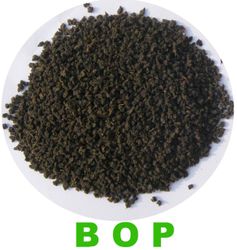
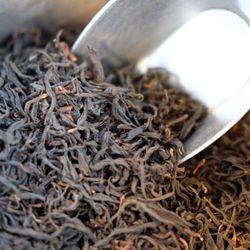
3. Which Suppliers May Fit Your Buying Needs?
For a first comparison of CTC or Assam tea, AL SAAJ EXPORT & IMPORT LLP lists both styles and gives a separate MOQ for each. MHB GLOBAL NETWORKS lists Kenyan CTC Black Tea with PF1 in the description. Ask both suppliers for the grade definition, leaf or particle specification, origin documents, packaging and a quotation for the same destination.
Buyers considering larger weight-based orders can compare BF GLOBAL TRADING’s 25 ton listings, THE GREEN INTERNATIONAL LIMITED’s 5 ton and 10 ton listings, and Kajar India Exports’ 20 MT listing. These figures are stated in different units or product contexts. Confirm whether the listed amount is a minimum for one product, one grade or a combined order, and ask what quantity is currently available.
For a private-label boxed product, Tropixa Ceylon Pvt. Ltd. lists a 5,000 box MOQ. Its product title does not establish that the tea is black, and its port entry should be checked. Buyers seeking an origin-specific listing can ask Innopolis Bio Innovations about the stated Sri Lankan origin and clarify its role as a business service or other entity.
Two listings need quantity clarification before they can be shortlisted against a weight-based order. VERVE BY SARAA states 1,000 20-foot Container; FK GLOBAL TRADING displays “Wavelength In Kilometres.” Ask for a revised MOQ with a defined weight, package count or container loading quantity. Do not infer the intended unit from the listing.
Certificate entries vary across profiles, and a profile entry alone does not show validity, product scope or acceptance in the destination market. Ask each supplier for the document number, issuing body, expiry date where applicable and the product or facility covered. Confirm destination-specific requirements with the relevant import authority before agreeing the document list.
4. How to Evaluate Black Tea Suppliers Before Buying
Start with a product specification that makes offers comparable. State whether you need CTC, orthodox, tea bags or another format, and define the grade, leaf size or particle description, moisture and other quality limits required by your contract. Ask for a representative sample or lot-specific certificate of analysis where appropriate, and agree how the shipment will be inspected.
Check the supplier’s business identity and role in the sale. A profile may identify a company as a manufacturer, trader, wholesaler or service business, but those labels do not establish who produced the tea. Confirm the contracting entity, the actual producer, product origin and the party responsible for export documents.
Confirm that the MOQ is clear and commercially workable. Ask whether it applies to one grade, multiple grades, a private-label pack or a full container. A figure in kilograms, tons, boxes or containers describes different order bases; request a weight and packaging breakdown before comparing offers.
Review every certificate and trade document for scope and destination relevance. Request current copies and check the issuer, holder, product, facility and dates. A supplier’s profile may name a certificate, but the profile entry does not show that the document covers the tea being offered or meets the importing country’s rules.
Ask for a dated quotation with currency, quantity unit, tea grade, packaging, named ports and the applicable Incoterm. FOB and CIF allocate costs and responsibilities differently, so compare offers on the same delivery basis and named destination. Confirm payment timing and documentary conditions in the written contract.
Check the shipment plan with the supplier before agreeing a purchase. Confirm available volume, packaging material, lot identification, loading port, lead time, shipping documents and who arranges each step. For a new supplier, use a documented approval process and independent checks suited to the order size and risk.
5. How Freshdi Helps Buyers Find Black Tea Suppliers
Freshdi’s supplier listings let buyers review the product and profile information recorded for each supplier. The Black Tea category is a starting point for comparing listed products, stated MOQs, ports and trade terms; profile fields should still be confirmed for the order under discussion.
Open the relevant supplier profiles, note which specifications are stated and prepare one written inquiry for each shortlisted seller. Include the tea type and grade, origin, quantity, packaging, destination, preferred delivery term and document requirements. Ask suppliers to identify any condition that differs from the request.
Buyers can browse Black Tea suppliers on Freshdi and compare the product information available on the listings. A profile is a lead for sourcing research, not a substitute for document review or transaction due diligence.
After defining the product specification and order quantity, buyers can review relevant supplier listings on Freshdi.
View Related Suppliers for This Product →
6. Conclusion: Compare the Listing Details Before You Shortlist
The ten profiles differ in tea descriptions, origin references, MOQ units, ports and commercial terms. Several provide a clear weight-based MOQ, while the container-based and unusable quantity entries need clarification. Product titles also vary in specificity, so confirm tea type, grade, origin and packaging before treating two offers as comparable.
Choose a shortlist against your written specification, ask each supplier the same questions and compare dated quotations on the same unit and delivery basis. Freshdi is where buyers can find the suppliers and product listings reviewed here.
Once your requirements are clear, use Freshdi’s Find Suppliers route to continue reviewing Black Tea listings.
View Related Suppliers for This Product →
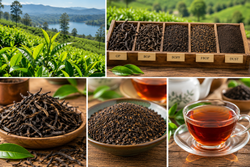
Insert the export_logistics image at the end of this section.
Frequently Asked Questions
How many Black Tea suppliers are included in this shortlist?
Ten suppliers with live Black Tea product listings on Freshdi were reviewed on November 16, 2026. Their listed supplier countries are India, the Netherlands, Pakistan, South Africa, Sri Lanka and Tanzania. The article order is not a quality ranking.
Which listed suppliers state a clear weight-based MOQ?
Examples include AL SAAJ EXPORT & IMPORT LLP, which lists 100 kilograms for Assam Tea and 500 kilograms for CTC Black Tea; THE GREEN INTERNATIONAL LIMITED, with 5 ton and 10 ton listings; and BF GLOBAL TRADING, with two 25 ton listings. Check the exact product, packaging and order basis with each supplier.
Can I treat a certificate listed on a supplier profile as proof for the tea I plan to buy?
No. The profile shows certificate entries, but does not establish that a document is current or covers a particular product, facility or destination. Request the relevant document and check its scope, holder, issuer and validity. Confirm destination requirements with the relevant authority.
Which profile details should I clarify before comparing quotations?
Confirm the tea type and grade, origin, MOQ unit, quantity available, packaging, named loading port, destination, Incoterm, payment conditions and documents. This is especially important when the listed unit is unclear, the port needs confirmation or the product title does not specify black tea.
Does Freshdi verification guarantee supplier performance?
No. The ten records show verified business and verified phone status, but those profile statuses do not guarantee product quality, current availability, shipment performance or suitability for a transaction. Buyers should conduct checks proportionate to the order and confirm commercial details in writing.
References
1. World Bank, World Integrated Trade Solution – Tea exports by country, HS 0902, 2024 trade data; accessed November 16, 2026.
2. United Nations Statistics Division – UN Comtrade trade statistics and data coverage, Accessed November 16, 2026.
3. Freshdi – Black Tea supplier profiles and live product listings reviewed for this article, November 16, 2026.
Disclaimer: This article is compiled from platform data, public sources and information provided by third parties, for general informational purposes only. We do not guarantee its accuracy or completeness. Mentions and rankings of suppliers do not constitute an endorsement or guarantee, and strategies and examples are illustrative; results may vary. Please conduct your own due diligence before making business decisions.