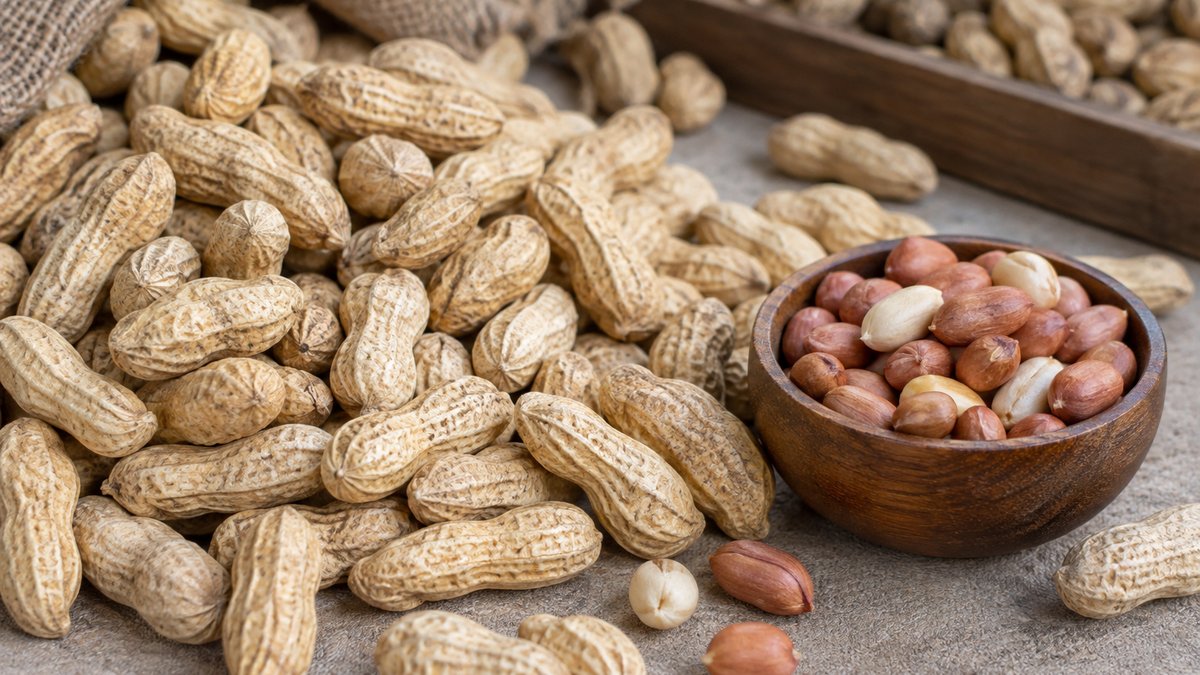

Ten peanut suppliers on Freshdi span seven countries, with varying products, MOQs and trade terms.
Peanuts are traded as kernels, shelled or in-shell nuts, and groundnuts, with different grades and uses across food processing and wholesale markets. Supplier profiles can help buyers identify leads, but a product title or profile field alone does not confirm a shipment-ready offer.
This article reviews all 10 peanut-related supplier records provided on Freshdi as of November 25, 2026. The records are presented as a comparison shortlist, not a ranked list: their published information varies, and the available fields do not support a reliable score of product quality, capacity or commercial performance.
Compare stated product descriptions, minimum order quantities, ports, trade terms and profile information against your own requirements. Confirm unclear specifications and current availability directly before comparing quotations or making a purchase decision.
Key Takeaways
- The 10 Freshdi supplier records cover Cameroon, France, Germany, India, Kenya, South Africa and Tanzania.
- Stated MOQs range from 100 kg to 25 tons, with one offer listed as a 20-foot container and some records using different or unclear units.
- Published product descriptions include Java and Bold peanuts, groundnuts, peanuts in bulk and peanut-related products; grade and processing details are not consistently stated.
- The records show a mix of trade terms and profile certificates, but neither establishes that a particular shipment meets your requirements.
- Use this as a lead-generation shortlist, confirm specifications and documents, then compare dated quotations on the same commercial basis.
1. Peanut Market Overview
Peanut sourcing spans food uses and oilseed markets, so buyers should define whether they need kernels, in-shell nuts, a named grade, or material for processing before requesting quotations. Harvest timing, crop origin, sorting and intended use can affect the relevant specification. The Freshdi listings reviewed here are from seven countries, but that platform sample is not a measure of national production, export volume or market share.
For global context, the USDA Foreign Agricultural Service’s November 2026 Oilseeds: World Markets and Trade tables estimate world peanut production at 50.02 million metric tons for the 2026/27 marketing year. The same November table estimates exports at 4.62 million metric tons and imports at 4.16 million metric tons for that year. These are USDA estimates, not final trade results, and they describe the broader oilseed peanut category rather than any one grade or supplier offer.
The USDA’s November 2026 country table estimates peanut production in China at 18.0 million metric tons and in India at 7.5 million metric tons for 2026/27. Those production estimates offer context for two major producing origins; they do not establish that a particular supplier sources from either country. The Freshdi records reviewed here include two Indian suppliers, three Tanzanian suppliers, and one each from Cameroon, France, Germany, Kenya and South Africa.
Freshdi listing observations are separate from those external market estimates. All 10 records include a supplier country, stated year established, verified-business and verified-phone fields, and products with an MOQ. Certificates, trade terms, export destinations and ports vary across the records. A profile field is useful for screening, but buyers should request relevant documents and confirm that they apply to the product, facility and shipment under discussion.
2. Meet 10 Peanut Suppliers on Freshdi
2.1 Supplier Selection Criteria
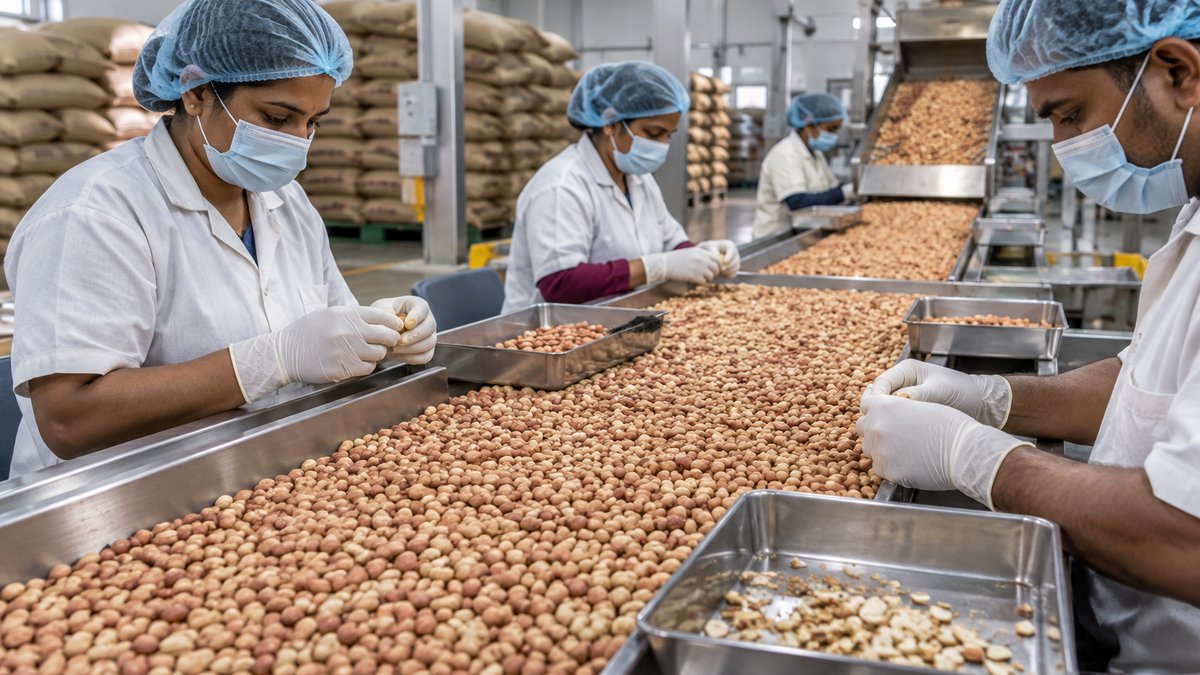
The shortlist includes all 10 peanut-related supplier records supplied for this article. Selection was based on the record’s connection to peanuts or groundnuts and the presence of published supplier and product information. The records include a range of supplier countries, business-type labels, product descriptions and MOQs. They are not endorsements, and inclusion does not indicate that a supplier has been independently assessed for quality, capacity or commercial performance.
2.2 Ranking Methodology
This is a profile-based comparison, not an official Freshdi ranking. No score or rank is assigned because the supplied records do not provide a consistent basis for evaluating product quality, fulfillment history, current capacity or quotation competitiveness. The display order follows the supplied record order. Data was reviewed on November 25, 2026; listings are live records as of that date. Missing details are described as not stated rather than inferred.
2.3 Supplier Profiles
2.3.1 Farmers Cooperative Limited — Tanzania
The profile lists the business types Trading Company, Business Service and Other, and a year established of 2026. Its peanut product records state MOQs of one and two 20-foot containers. CIF and FOB are listed as trade terms, and Dar-es-salam is the stated port. TIN is the listed certificate. The product descriptions do not specify a peanut grade, packaging configuration or payment term. Confirm the precise container quantity, product form and shipment details in a written offer.
2.3.2 BF GLOBAL TRADING (PTY) LTD — South Africa
Listed as a Manufacturer and Distributor/Wholesaler, the company’s profile gives 2018 as its year established. Its peanut product description uses the terms “premium” and “high quality,” with a stated MOQ of 25 tons; no measurable grade or quality parameters are provided in the record. Cape Town is the stated port. A Registration Certificate is listed, along with a broad range of trade terms. Confirm the applicable term, grade, packaging, capacity and documents for the specific order.
2.3.3 THE GREEN INTERNATIONAL LIMITED — Tanzania
The record identifies the company as a Trading Company, Distributor/Wholesaler and Manufacturer, established in 2007. Its bulk peanut product description refers to sorted peanuts and lists an MOQ of 25 tons. Dar es salaam is the stated port. The profile lists TDFA, TIN, EXPORT LICENSE, INCORPORATION and PHYTOSANITARY CERTIFICATE among its certificates, and CIF, CFR, TT and “To be discussed” among its trade or payment terms. Confirm the product specification, the exact documents available for this shipment and the agreed commercial terms.
2.3.4 Eurl Carys Trade — France
This Trading Company, Distributor/Wholesaler and Business Service record gives 2002 as the year established. Two peanut product descriptions refer to natural peanut nuts for snacks or food processing and to wholesale peanut nuts; both list an MOQ of 5 tons. The stated port is Izmir, Turkey, not a French port. EEC, ISO 4210, HALAL and ISO 9001:2015 appear in the certificate field. Confirm the origin, product grade, shipment route and relevance of each certificate to the goods offered.
2.3.5 APEX INTERNATIONAL — India
The profile lists a Trading Company established in 2005, with Nhava Sheva / Mumbai as the stated port. Product descriptions include Java Peanut 60/70 and Bold Peanut 40/50, with stated MOQs of 1 ton and 1,000 kg respectively. Halal Certificate and Kosher Certificate are listed. Several other trade terms are displayed. Ask the supplier to confirm whether the 60/70 and 40/50 descriptions refer to its current grade and sizing specification, and confirm packaging and the applicable Incoterm for your destination.
2.3.6 HIGHPROFILE AGRICULTURE SERVICES LIMITED — Tanzania
The record lists a Trading Company established in 2015 and Dar es salaam as its port. Two peanut product descriptions each state an MOQ of 100 kg. Listed certificates are TFDA, certificate of origin and Assay Repport, as written in the record. A range of trade terms is shown. The listing does not establish the size or packaging available for a larger order, or the detail of any assay. Confirm the exact product specification and whether the stated MOQ applies to your requested volume and packing.
2.3.7 BMU TRADING GMBH — Germany
This Trading Company profile gives 2022 as its year established and Hamburg as its stated port. Its peanut product description lists an MOQ of 100 kg. VAT is the certificate field entry; it is not a product-quality certificate. Several trade terms are listed, but the record does not specify grade, origin, packaging or payment terms. Ask for these details, together with the supplier’s current available quantity and a dated quotation, before assessing the offer.
2.3.8 MEME GROUP COMPANY LTD — Cameroon
The record lists a Distributor/Wholesaler and Trading Company established in 2012. Its product is described as “Peanuts / Groundnuts,” with an MOQ of 1 ton. The port is stated as “As per buyer’s request,” and a Registration Certificate is listed. FOB, FCA, CPT, CFR, CIF, FAS and CIP appear among its trade terms. Confirm the actual loading port, product form, origin and packaging for the proposed shipment; the available record does not specify these.
2.3.9 DABELU ENTERPRISES LIMITED — Kenya
This Trading Company, Manufacturer and Distributor/Wholesaler profile gives 2015 as the year established and Mombasa port as the stated port. The product is described as “Peanuts /Bold/Java,” with an MOQ of 18 MT. The record lists two company certificate entries and CIF or “To be discussed” as trade terms. No grade definition, packaging or payment arrangement is stated. Ask for the Bold or Java specification, shipment quantity and applicable commercial terms in writing.
2.3.10 Jaishnavi Exports — India
The profile lists a Trading Company established in 2020, with Mundra Port India as the stated port. Its Groundnut product has an MOQ of 15,000 kg; a separate Peanut Butter listing is not a raw peanut offer. The profile includes HALAL, ISO, FSSAI, phytosanitary certificates, USDA Organic, apeda and USFDA as certificate entries. These entries should not be treated as confirmation that every certificate is valid for a particular peanut shipment. Confirm the raw product’s grade, packaging, applicable documents and trade terms; the record lists FOB, FBO and LC.
2.4 Quick Supplier Comparison
| Supplier | Country | Products (MOQ) | Certificates | |
|---|---|---|---|---|
 | Farmers Cooperative Limited | Tanzania | Peanuts (MOQ 1 20-foot Container); Peanuts (MOQ 2 20-foot Container) | TIN |
 | BF GLOBAL TRADING (PTY) LTD | South Africa | High Quality Peanuts Premium Peanuts cheap quality Peanuts (MOQ 25 Tons); Groundnut (MOQ Tons) | Registration Certificate |
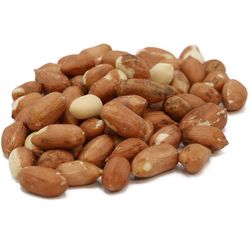 | THE GREEN INTERNATIONAL LIMITED | Tanzania | Carefully Sorted Peanuts Bulk Supply Quality Peanuts For Global Nut Trade Food Industry Buyers And Processing Factories (MOQ 25 Tons) | TDFA, TIN, EXPORT LICENSE, INCORPORATION, PHYTOSANITARY CERTIFICATE |
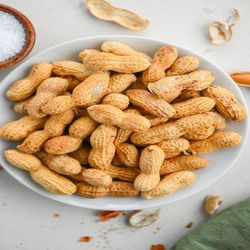 | Eurl Carys Trade | France | Natural Peanut Nuts With Rich Flavor And Nutritious Kernels For Snacks And Food Processing (MOQ 5 Tons); Wholesale Price Peanut Nuts With Natural Crunchy Texture For Retail Markets And Commercial Food Industries (MOQ 5 Tons) | EEC, ISO 4210, HALAL, ISO 9001:2015 |
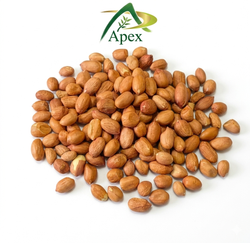 | APEX INTERNATIONAL | India | Java Peanut 6070, Java Peanut 60 70, Java Peanut 60/70, Peanut, Peanuts, Arachis hypogaea, Java Peanut, Java Peanut Kernels, Blanched Peanut, Indian Java Peanut, Indian Blanched Peanut, Peanuts Java Kernels, Peanuts Kernels, Peanut With Shell, Peanuts, Indian Peanuts,Java Peanuts, Java Peanut Supplier From India. (MOQ 1 Tons); Bold Peanut 4050, Bold Peanut 40 50,Peanut, Peanuts, Arachis hypogaea, Bold Peanuts Kernels, Bold Peanut, Indian Bold Peanut, Indian Bold Peanuts, Peanuts Kernels, Peanut With Shell, Peanuts,Indian Peanut, Bold Peanut Supplier From India. (MOQ 1000 Kilogram) | Halal Certificate, Kosher Certificate |
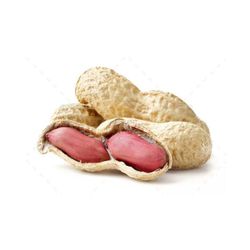 | HIGHPROFILE AGRICULTURE SERVICES LIMITED | Tanzania | Fast delivery Peanuts wholesale bulk supply affordable top quality (MOQ 100 Kilogram); Premium Peanuts bulk supply wholesale cheap price nutritious nuts (MOQ 100 Kilogram) | TFDA, certificate of origin, Assay Repport |
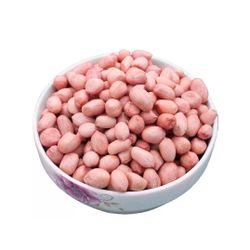 | BMU TRADING GMBH | Germany | Peanuts bulk supply wholesale cheap price premium quality (MOQ 100 Kilogram) | VAT |
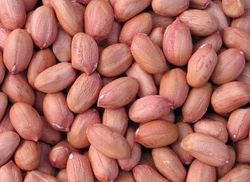 | MEME GROUP COMPANY LTD | Cameroon | Peanuts / Groundnuts (MOQ 1 Tons) | REGISTRATION CERTIFICATE |
 | DABELU ENTERPRISES LIMITED | Kenya | Peanuts /Bold/Java (MOQ 18 MT) | Company certificate of in cooperation , Company Certificate of pin and tax |
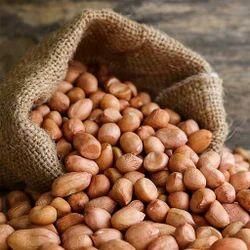 | Jaishnavi Exports | India | Groundnut (MOQ 15000 Kilogram); Peanut Butter (MOQ Container) | HALAL, ISO, FSSAI, phytosanitary certificates, USDA Organic, apeda, USFDA |
Looking to Source Peanut?
Connect with verified suppliers, discover matching products, and explore sourcing opportunities from global markets.
3. Which Suppliers Should You Contact for Your Buying Needs?
Shortlist suppliers by the details actually stated in the records, then close information gaps before treating any profile as a match. These groupings indicate possible leads for an inquiry, not confirmed suitability or availability.
- For a stated lower MOQ, HIGHPROFILE AGRICULTURE SERVICES LIMITED and BMU TRADING GMBH each list 100 kg. Confirm whether the quantity, product form and packaging are available for your order.
- For named size descriptions, APEX INTERNATIONAL lists Java Peanut 60/70 and Bold Peanut 40/50. Request the supplier’s current grade specification and a sample or other agreed quality evidence.
- For a bulk inquiry, THE GREEN INTERNATIONAL LIMITED and BF GLOBAL TRADING (PTY) LTD each list 25 tons; DABELU ENTERPRISES LIMITED lists 18 MT. Compare only after confirming that the product grades, units, packaging and delivery terms align.
- For a stated container-based MOQ, Farmers Cooperative Limited lists one and two 20-foot containers on separate peanut product records. Ask how each container quantity is packed and what net weight the offer covers.
- For a port-specific route, compare the stated ports—Dar es salaam, Cape Town, Izmir, Nhava Sheva / Mumbai, Mombasa, Hamburg and Mundra—with your destination and shipment plan. MEME GROUP COMPANY LTD states that the port is as per buyer’s request.
Eurl Carys Trade’s record shows a French supplier country but an Izmir, Turkey port. That difference is not necessarily a problem, but buyers should confirm product origin, loading location and export documentation. Likewise, certificates listed on a profile should be checked for issuer, validity, scope and applicability to the product and destination.
Send each shortlisted supplier the same inquiry: peanut form and grade, size or count, quality limits, quantity, packaging, destination, preferred Incoterm and required documents. This makes it easier to compare written offers on a like-for-like basis.
4. How to Evaluate Peanut Suppliers Before Buying
A supplier profile is a starting point. Before placing an order, check the product, business and shipment details that determine whether an offer fits your purchase.
- Define the product: Specify in-shell or shelled peanuts, variety or grade, size, intended use, crop or harvest requirements if relevant, and any buyer quality limits.
- Request evidence for quality: Ask for a current specification sheet and agreed inspection or testing documents. The International Plant Protection Convention’s ISPM 12 addresses phytosanitary certificates for export and re-export; whether a certificate is required depends on the product and destination’s import conditions.
- Check business information: Review the profile details and request relevant company documents directly. A verified-business or verified-phone field is a platform record, not a guarantee of product quality, order fulfillment or commercial reliability.
- Confirm order size and capacity: Ask whether the listed MOQ is current, how it is measured, the available quantity and whether supply can meet your delivery schedule.
- Review certificates carefully: Request the certificate itself and check its issuer, validity, named holder, covered facility or product, and destination-market relevance. Do not assume a profile’s certificate list applies to every shipment.
- Compare dated quotations: Ensure price currency and unit, validity period, packaging, quantity, included costs and trade term are clear. Do not compare offers with different units or delivery bases as if they were equivalent.
- Agree logistics and payment in writing: Confirm origin, loading port, destination, shipping documents, delivery responsibilities and payment schedule before proceeding.
Import controls and documentation depend on the destination country and the specific peanut product. The IPPC’s ISPM 12 sets requirements and guidance for phytosanitary certificates, but buyers should confirm the importing country’s current requirements with the relevant authorities and the supplier before shipment.
5. How Freshdi Helps Buyers Find Peanut Suppliers
Freshdi can be used to discover supplier and product listings, review the information available on each profile and identify potential leads for further screening. Buyers can browse peanut supplier listings on Freshdi or explore the wider Bean, Nut & Seed supplier category. Listings are useful for comparison, but buyers should confirm all material offer details directly.
Use the peanut buyer category to review the relevant buying category, and the broader buyer directory for additional sourcing context. The Freshdi supplier directory provides another route to review supplier listings. These links help you explore the platform; they do not replace product checks, due diligence or destination-specific compliance review.
If you need help navigating sourcing options, you can also contact a Freshdi Account Manager. Share your required grade, quantity, destination, packaging and delivery terms so that your sourcing criteria are clear.
Once your requirements are specific, use Freshdi’s supplier search to explore peanut listings and build a shortlist for direct verification.
View Related Suppliers for This Product →
6. Conclusion
The 10 Freshdi records present different potential sourcing leads: stated MOQs range from 100 kg to container quantities, and product descriptions include named Java and Bold types as well as bulk peanuts and groundnuts. The profiles differ in their stated ports, trade terms and certificates, while several important specifications are not stated.
Use the comparison to identify candidates, not to assume a supplier is the right fit. Define your peanut specification, send a consistent inquiry, confirm product and shipment documents, and compare dated quotations with matching units and delivery terms. You can continue by exploring peanut suppliers on Freshdi and reviewing the current information on each listing.
Frequently Asked Questions
How many peanut supplier profiles are included?
This comparison covers 10 Freshdi supplier records provided for review, spanning seven countries. It is a profile-based shortlist, not an official Freshdi ranking or an endorsement.
Which supplier listings show lower minimum order quantities?
HIGHPROFILE AGRICULTURE SERVICES LIMITED and BMU TRADING GMBH each list 100 kg. These are stated listing quantities, so confirm the current MOQ, product form, packaging and availability directly.
Which profiles list Java or Bold peanuts?
APEX INTERNATIONAL lists Java Peanut 60/70 and Bold Peanut 40/50. DABELU ENTERPRISES LIMITED describes its product as Peanuts /Bold/Java. Request the current grade specification and confirm how each supplier defines the size or type.
Do supplier profile certificates prove a peanut shipment is compliant?
No. A certificate entry on a profile does not establish that it is current, applies to the product or facility, or meets the destination’s requirements. Request the document and check its scope and validity. Confirm import requirements for the specific product and destination.
Why should buyers confirm the stated port and origin?
The supplier country, product origin and loading port may be different. For example, Eurl Carys Trade’s record lists France as the supplier country and Izmir, Turkey as the port. Confirm the origin and actual loading location in the offer and shipping documents.
How should buyers compare peanut supplier quotations?
Ask shortlisted suppliers for the same product grade, quantity, packaging, destination and delivery basis. Compare dated prices using the same currency and unit, and confirm what each quotation includes, the payment schedule and required shipment documents.
References
1. USDA Foreign Agricultural Service – Oilseeds: World Markets and Trade, November 2026, November 2026.
2. International Plant Protection Convention – Phytosanitary Certificates, ISPM 12, 2022.
3. Freshdi – Supplier and product listings for the 10 peanut-related supplier records reviewed, Reviewed November 25, 2026.
Disclaimer: This article is compiled from platform data, public sources and information provided by third parties, for general informational purposes only. We do not guarantee its accuracy or completeness. Mentions and rankings of suppliers do not constitute an endorsement or guarantee, and strategies and examples are illustrative; results may vary. Please conduct your own due diligence before making business decisions.