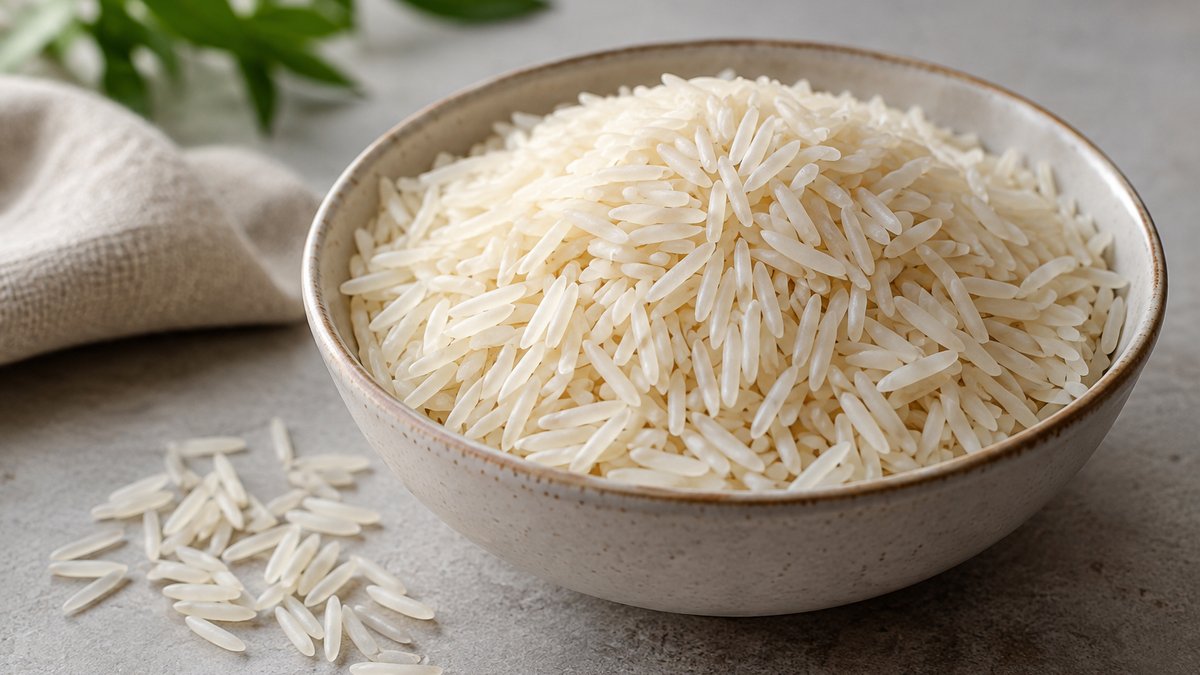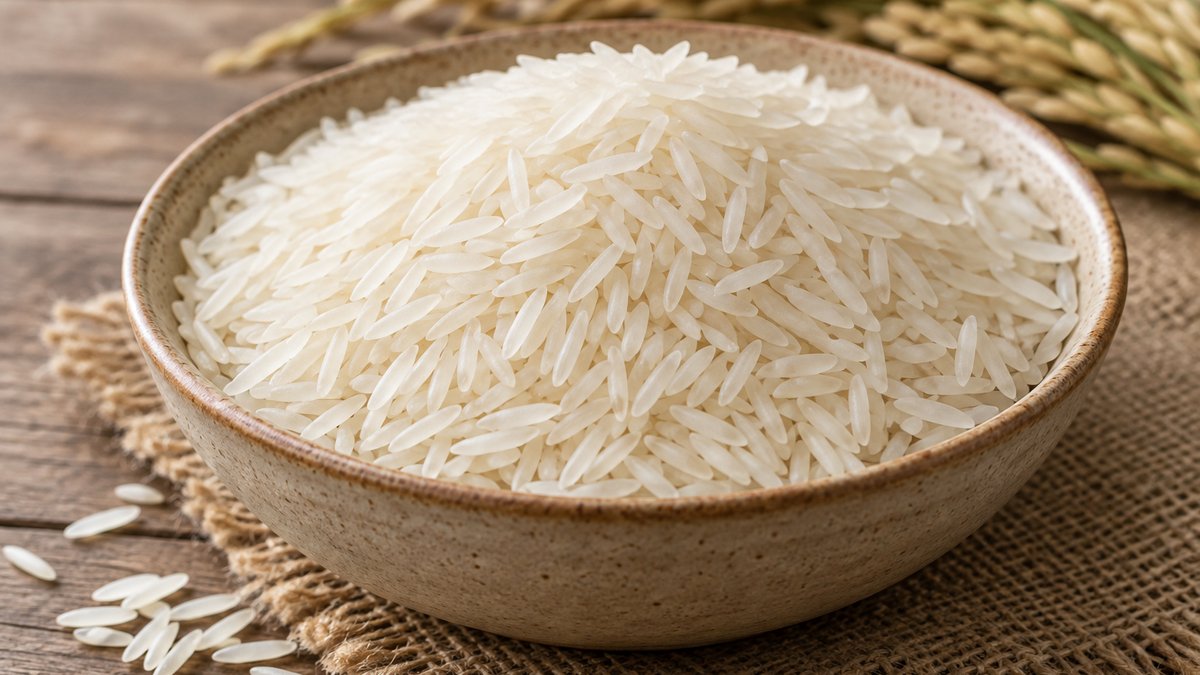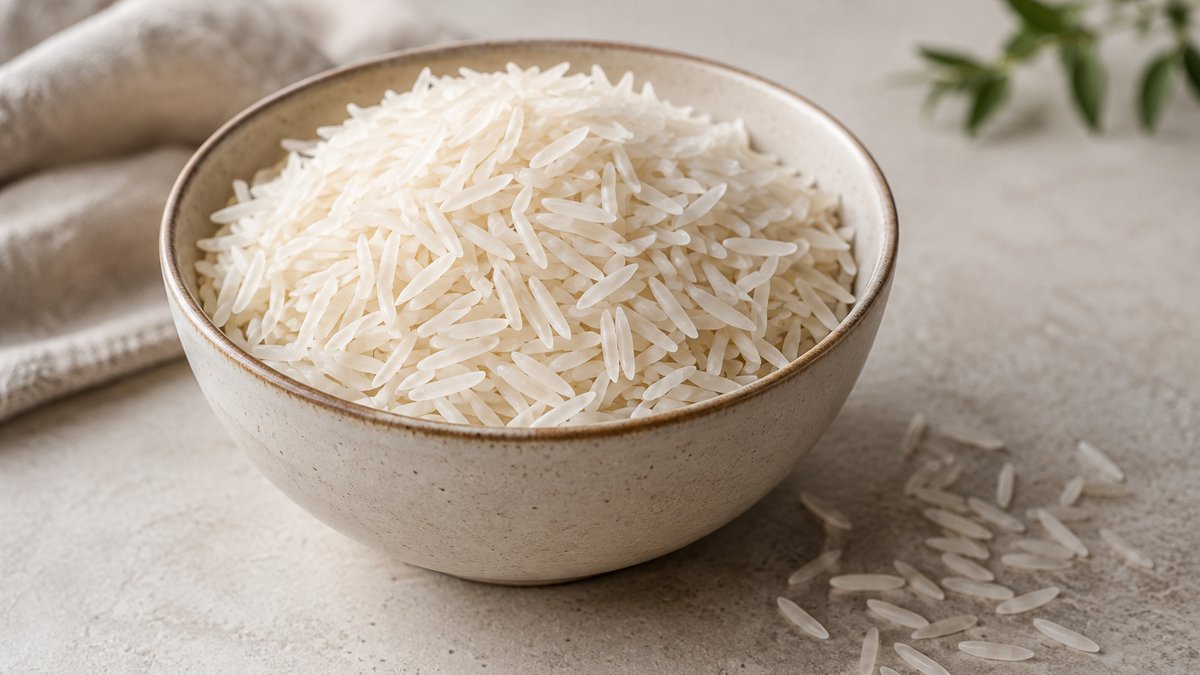

Parboiled rice suppliers often compete on more than price. Buyers may compare grain quality, broken percentage, moisture, origin, packaging, shipment volume and the commercial terms attached to an offer. A quotation that does not clearly identify these details can be difficult to evaluate, particularly when the buyer is comparing suppliers from different origins.
Recent Parboiled Rice buying requests on Freshdi illustrate two distinct sourcing requirements. One buyer based in India is requesting 50 MT for delivery to Algiers under CIF and L/C terms. Another buyer based in the United States is seeking 26 MT of Indian-origin parboiled rice in 50 kg PP bags for delivery to Accra, with FOB pricing and either T/T or L/C payment. Although both requests concern parboiled rice, their shipment volumes, delivery terms and stated information differ. This article reviews the two opportunities and explains what suppliers should confirm before preparing a commercial quotation.
Key Takeaways
- Both requests show Verification Level 2 buyer profiles with ratings above 4.0/5.
- The selected quantities are 50 MT and 26 MT, with destinations in Algeria and Ghana.
- Both requests specify payment by L/C, while the Accra request also accepts T/T.
- One buyer requests CIF delivery; the other specifies FOB.
- The Accra request explicitly identifies Indian origin and 50 kg PP bags, while the Algiers request leaves product grade and packaging open.
Market Overview: India’s Non-Basmati Rice Export Position
India is an important origin for international rice sourcing. According to APEDA’s 2025–26 Export Analytical Report, India exported approximately 15.04 million metric tons of non-Basmati rice, valued at around USD 5.86 billion. The report identifies Benin, Bangladesh, Guinea, Togo and Côte d’Ivoire among the leading destinations by export value for this product category.
These figures cover the broader non-Basmati rice category. They should not be interpreted as parboiled-rice-only export volumes, because the published category includes different non-Basmati rice forms. Nevertheless, the data provides useful context for suppliers evaluating India’s role in international rice trade, particularly when reviewing buyer requests that explicitly specify Indian origin.
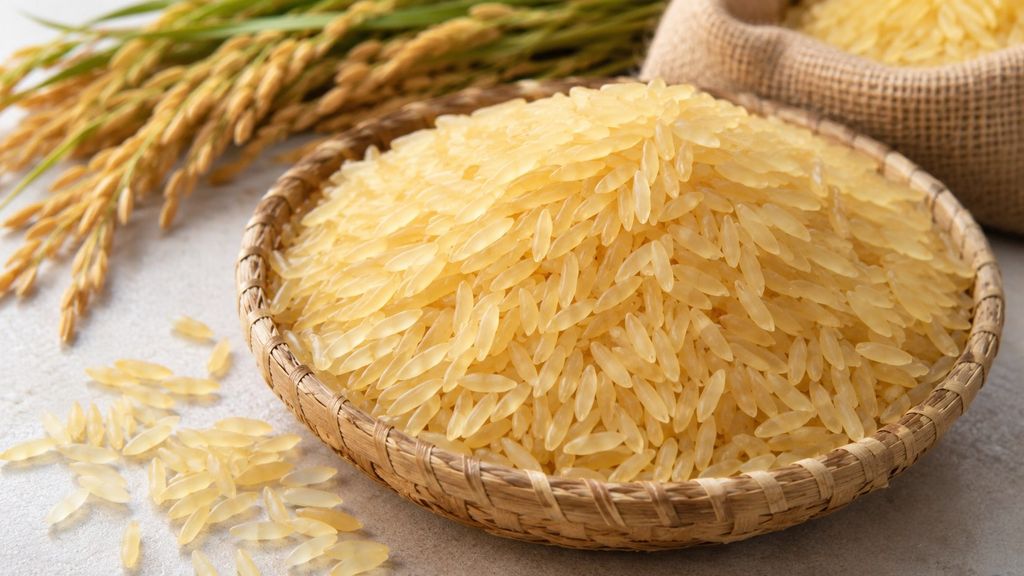
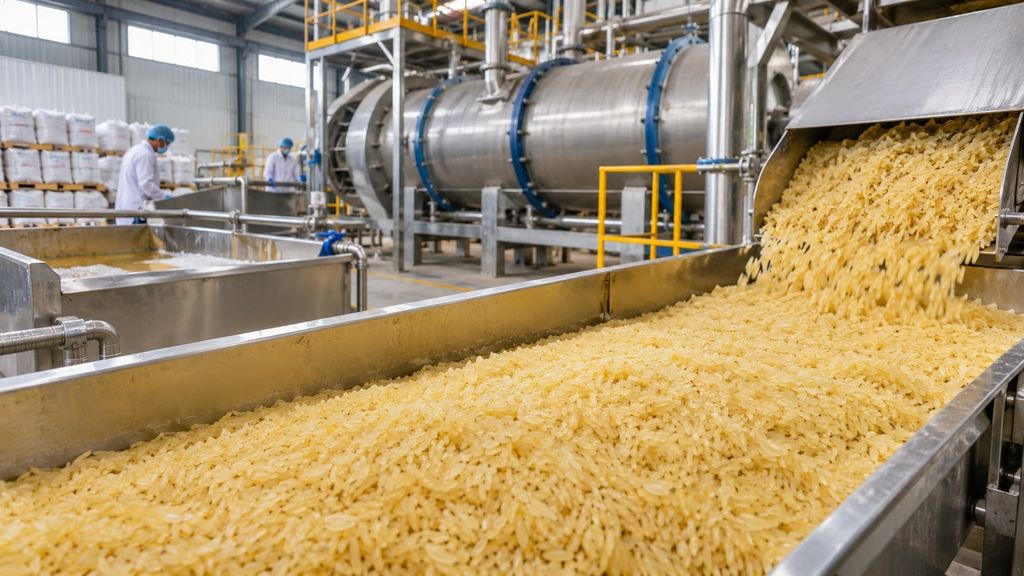
Parboiled rice requires careful product definition in commercial discussions. The term identifies rice that has undergone a hydrothermal treatment before milling, but it does not by itself define the variety, grain length, broken percentage, colour, moisture level or final milling characteristics. Two offers described simply as parboiled rice may therefore differ materially. For exporters, the practical priority is to translate the buyer’s broad product description into an agreed specification, including the variety, quality parameters, packaging, origin documentation and destination-market requirements, before finalising the price.
Buying Request Comparison Table
| Buying request | Buyer profile | Quantity | Destination | Trade | Payment | Additional details |
|---|---|---|---|---|---|---|
| Parboiled Rice – 50 MT for Algiers | India · Level 2 · 4.5/5 | 50 MT | Algiers, Algeria | CIF | L/C | Target price USD 400; sea freight |
| Parboiled Rice – 26 MT for Accra | United States · Level 2 · 4.8/5 | 26 MT | Accra, Ghana | FOB | T/T or L/C | Indian origin; 50 kg PP bags |
Source: Observed and compiled by Freshdi.
Buyer verification and ratings are screening signals, not guarantees of transaction performance.
Looking to Sell Parboiled Rice?
Connect with verified buyers, receive relevant buying leads, and explore sourcing opportunities from global markets.
Individual Buying Request Analysis
The details of each buying request are outlined below.
1. Parboiled Rice – 50 MT for Algiers, Algeria
Buyer market: India · Verification: Level 2 · Buyer profile rating: 4.5/5
Destination port: Alger, Algeria · Quantity: 50 MT
Trade term: CIF · Payment term: L/C · Target price: USD 400 · Shipping method: Sea freight
Why this request may matter
This request provides a relatively clear commercial starting point. The buyer specifies a 50 MT quantity, a destination port in Algeria, CIF delivery and payment by letter of credit. A target price of USD 400 is also displayed. However, the request does not identify the rice variety, grain length, broken percentage, moisture limit, colour, packaging or detailed quality standard, so suppliers should not assume that the buyer accepts every parboiled rice grade at the same price.
What to clarify first
The request does not explicitly state the price unit or provide a detailed specification against which the figure can be compared. Confirm whether USD 400 is intended per metric ton and whether it represents a CIF target for the specified destination. Also clarify which parboiled rice variety and grain length are required, what broken percentage and moisture limit the product should meet, the preferred packaging format and bag weight, the required L/C conditions, the issuing bank requirements and the shipment schedule.
2. Parboiled Rice – 26 MT of Indian-Origin Rice for Accra, Ghana
Buyer market: United States · Verification: Level 2 · Buyer profile rating: 4.8/5
Destination: Accra, Ghana · Quantity: 26 MT · Product origin requested: India
Trade term: FOB · Payment terms: T/T or L/C · Packaging: 50 kg PP bags
Why this request may matter
This request is more specific about origin and packaging. The buyer explicitly asks for Indian-origin parboiled rice packed in 50 kg polypropylene bags, with FOB pricing and payment by either T/T or L/C. For suppliers, the origin requirement is an important screening point: exporters should state the actual country of origin and be prepared to provide supporting origin documentation. A supplier offering rice from another country should not present it as an equivalent match without first obtaining the buyer’s approval.
What to clarify first
The request does not state the required variety, broken percentage, moisture limit, grain length or named FOB loading port. These omissions matter because FOB pricing depends on the agreed port of shipment and the supplier’s delivery responsibilities. Confirm which parboiled rice variety and broken percentage are acceptable, any maximum moisture and foreign-matter limits, and which Indian loading port should be used. Ask whether the buyer requires a specific bag material, stitching or printed marking, which payment method is preferred, and whether a pre-shipment sample or laboratory report is required. The buyer also asks for a quotation per metric ton, lead time and sample availability.
What These Buying Requests Mean for Parboiled Rice Suppliers
Origin can be a decisive requirement. The Accra request explicitly asks for Indian-origin rice. Suppliers should state the country of origin clearly and ensure that their supporting documents are consistent with the offer. If the product is sourced from another country, this should be disclosed rather than implied to meet the requirement.
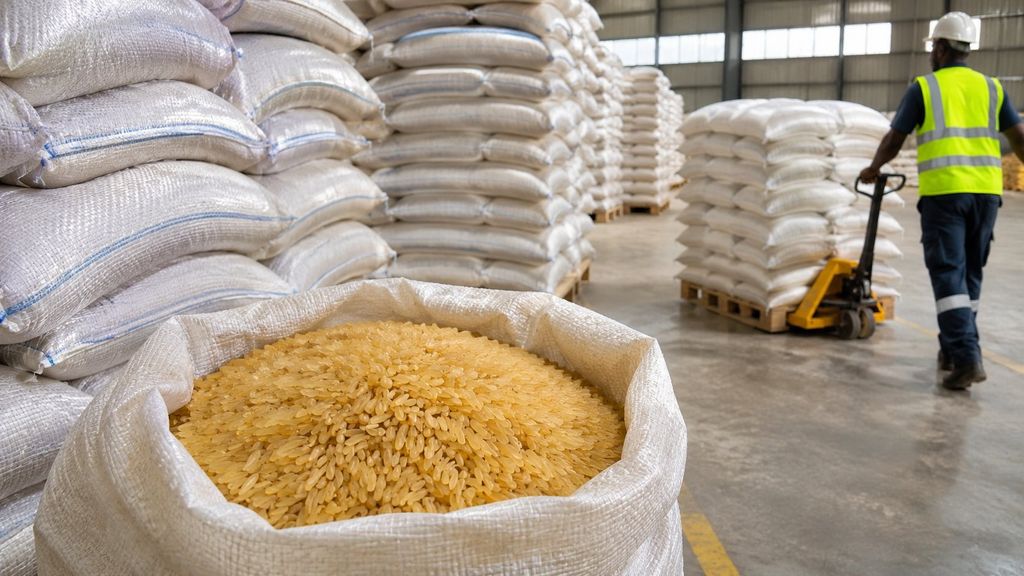
Packaging should be treated as part of the specification. The Accra buyer requests 50 kg PP bags. Suppliers should confirm the bag’s material, weight tolerance, stitching, printing and palletisation requirements. The Algiers request does not specify packaging, so exporters should propose their available options and ask the buyer to confirm the preferred format.
Product quality needs measurable parameters. The word “parboiled” is not a complete specification. Suppliers should be ready to provide the variety, grain length, broken percentage, moisture, foreign matter, damaged kernels and other quality parameters supported by their product records. The buyer should confirm which parameters are mandatory for acceptance.
CIF and FOB quotations should not be mixed. The Algiers request specifies CIF, while the Accra request specifies FOB. A CIF offer should account for the agreed destination port, freight and insurance. An FOB offer should identify the named loading port and the agreed shipment basis. Suppliers should not compare the two prices without accounting for the different cost responsibilities.
Payment terms should be confirmed before final pricing. Both requests mention L/C, while the Accra buyer also accepts T/T. Suppliers should confirm the preferred payment method, documentary conditions, issuing bank and payment timing. A payment option displayed in an RFQ should not be treated as an agreed contract term.
Commercial and Export Considerations
Product identity and grade. State the rice variety, parboiled form, grain length and milling characteristics, and clearly distinguish the offered product from raw, steamed or other processed rice forms.
Quality parameters. Provide the broken percentage, moisture, foreign matter, damaged kernels and other relevant measurements. Attach a current Certificate of Analysis where available and ensure that the test results correspond to the offered lot.
Origin and traceability. State the actual country of origin and prepare the relevant supporting documents. For Indian-origin offers, exporters should ensure that their documentation and export registration requirements are in order.
Packaging. Specify the bag material, net weight, printing or buyer marking, stitching and loading arrangement. For a 50 kg PP bag requirement, suppliers should confirm whether customised packaging is required.
Incoterms and port. Quote on the exact basis requested. CIF requires a confirmed destination port and freight calculation; FOB requires a named loading port. Any alternative quotation should be presented separately and clearly labelled.
Payment and documents. Confirm whether the buyer prefers L/C or T/T. For an L/C transaction, review the issuing bank, documentary clauses, presentation period and payment conditions before accepting the order.
Export compliance. APEDA’s published rice export guidance identifies general requirements for Indian rice exporters, including an Import Export Code, APEDA e-RCMC, phytosanitary certification and the applicable registration-cum-allocation requirements. Exporters should check the latest APEDA and DGFT notices and destination-specific requirements for the actual product and shipment.

How Freshdi Helps Suppliers Discover Parboiled Rice Buying Requests
Freshdi allows suppliers to review buyer-posted requirements across rice categories and international markets. By exploring Parboiled Rice buying requests, suppliers can compare visible information such as buyer market, quantity, destination, packaging, trade terms and payment preferences before deciding whether an inquiry is relevant to their capabilities. When a request matches the supplier’s product and export capacity, the supplier can review the original RFQ and use the quotation workflow where available. A useful response should include a product specification sheet, origin, available quantity, packaging details, price basis, lead time and relevant certificates.
Suppliers can also improve their business presentation by completing their company profile, adding detailed product listings and submitting the required business documents for verification. Access to full buyer contact details and certain connection features may depend on account eligibility and plan access, so suppliers should check the access shown in their own Freshdi accounts.
Explore Parboiled Rice buying requests
Frequently Asked Questions
What quantity of parboiled rice are buyers requesting in these Freshdi listings?
The two selected requests specify 50 MT and 26 MT. These are individual buyer requirements, not a platform-wide minimum or average order size. Review each original request for the latest quantity and confirm whether partial shipments or repeat deliveries are acceptable.
Do these buyers require Indian-origin parboiled rice?
The Accra request explicitly asks for Indian-origin parboiled rice. The Algiers request does not specify a country of origin in the visible requirements. State your actual product origin and clarify whether the buyer has any origin preference before quoting.
What packaging is required for the Accra request?
The Accra request specifies 50 kg PP bags. It does not provide further details about printing, buyer markings, stitching or palletisation. Include your available bag specifications and confirm whether customised packaging is required.
Which trade terms appear in the two selected requests?
The Algiers request specifies CIF, while the Accra request specifies FOB. Quote using the requested Incoterm and confirm the named port. If you offer an alternative basis, present it separately to avoid confusion.
Which payment methods do the buyers accept?
The Algiers request specifies L/C. The Accra request lists both T/T and L/C. Confirm the buyer’s preferred method and agree the documentary and payment conditions before moving toward a contract.
What documents should Indian parboiled rice exporters prepare?
Review the applicable requirements published by APEDA and DGFT. General rice export guidance includes an Import Export Code, APEDA e-RCMC, phytosanitary certification and applicable contract registration requirements. Additional documents may depend on the destination market and the buyer’s contract.
How can suppliers respond to parboiled rice buying requests on Freshdi?
Review the visible request details, assess whether your product and commercial terms match, and submit a quotation through the available Freshdi workflow. A clear offer should include the product grade, origin, quantity, packaging, price basis, payment terms, lead time and supporting documents.
Conclusion: Match the Specification Before Quoting
These two recent Parboiled Rice requests provide different starting points for suppliers: a 50 MT CIF inquiry for Algeria and a 26 MT FOB inquiry for Ghana requiring Indian-origin rice in 50 kg PP bags. The most useful next step is to compare each request against your actual product specification, origin, packaging capability and export arrangements. Confirm missing details with the buyer, calculate the quotation on the correct Incoterm and provide supporting documentation before presenting a final offer.
References
1. APEDA, Export Analytical Report 2025–26 (non-Basmati rice exports).
2. APEDA and DGFT, published rice export guidance and notices.