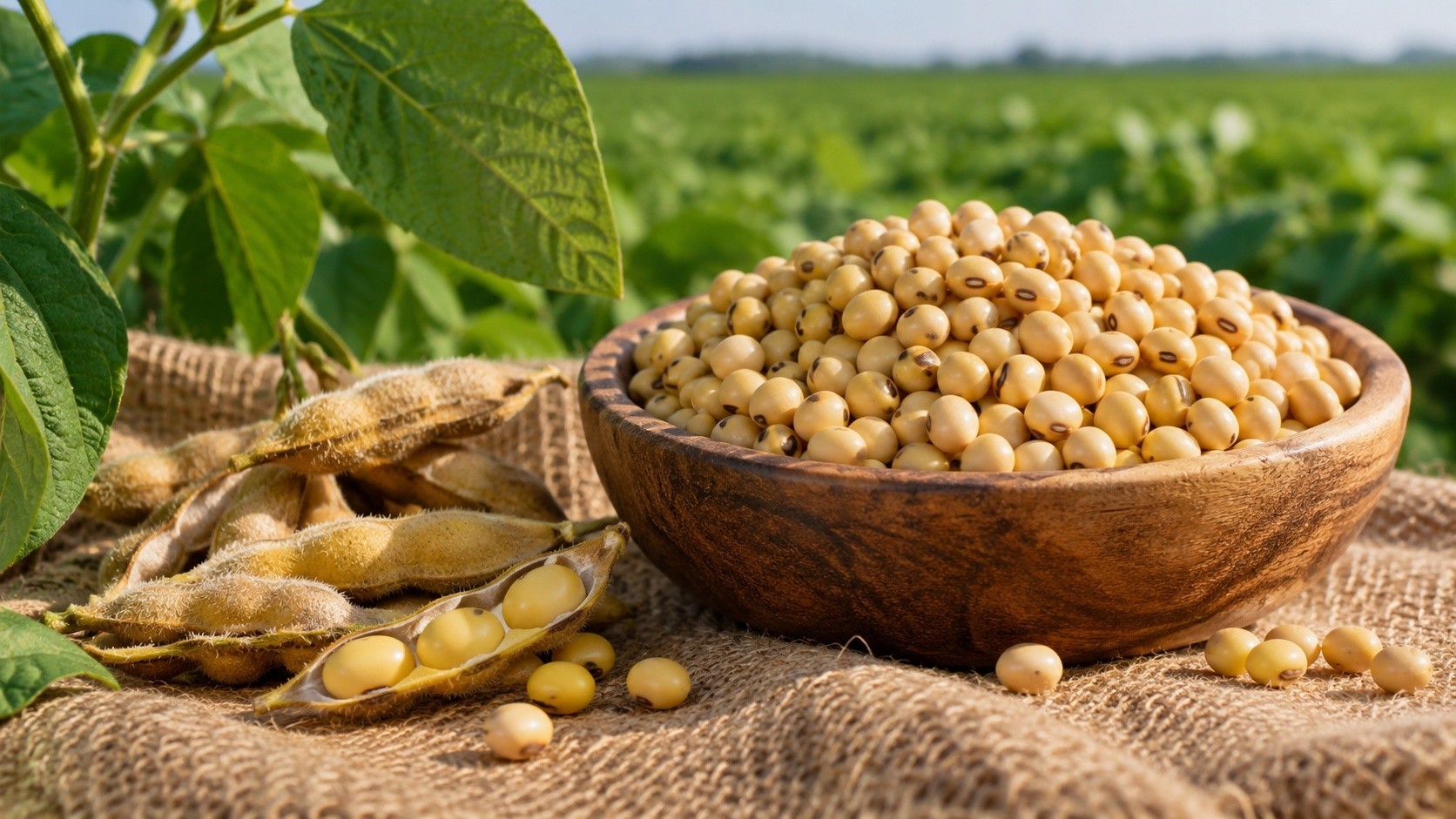

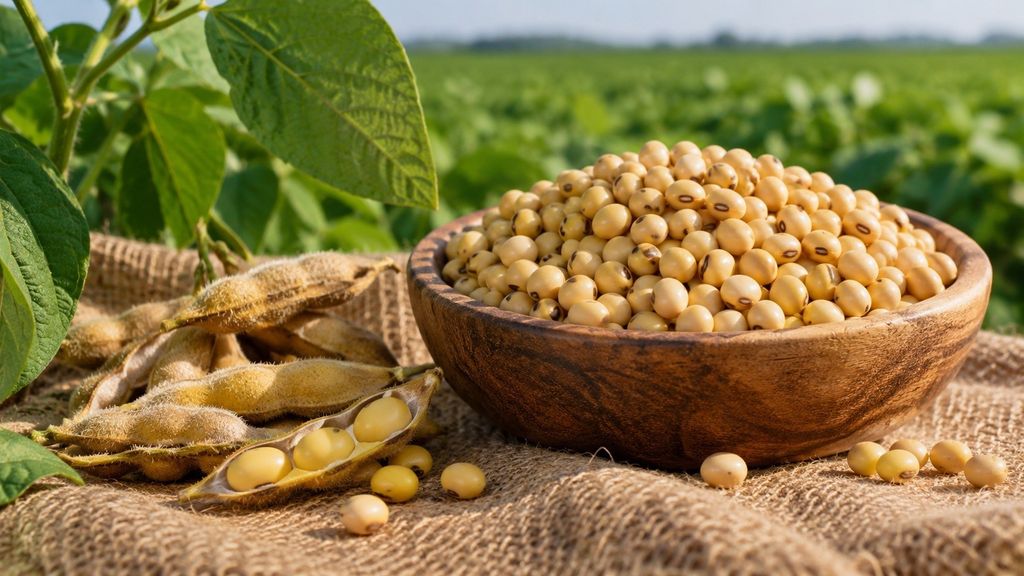
Soybean suppliers do not face one standard type of inquiry. A request for 12,000 metric tons in jute bags calls for a very different capacity and export plan from a 2,500 MT dried-bean order, and both differ from a 1 kg request that specifies yellow, dried, organic soybeans. The headline quantity alone does not tell an exporter whether the product is the right form, whether the origin and quality can be documented, or whether the named delivery route is commercially workable.
This Freshdi roundup compares three recent whole-soybean buying requests from buyers in Togo, Canada and Denmark, with stated destinations in Lomé and Dar es Salaam and one unresolved destination field. The requests range from 1 kg to 12,000 MT and include jute-bag packaging, dried and machine-cleaned beans, non-GMO and organic claims, CIF and FOB terms and T/T and L/C payment. The aim is practical: help exporters decide which inquiry matches their product and shipment scale, and identify the questions that must be answered before a firm quotation is issued.
Key Takeaways
- The three qualifying RFQs span 1 kg, 2,500 MT and 12,000 MT, very different commercial scales that should not share one pricing or logistics assumption.
- The Togo inquiry requests whole soybeans in jute bags and lists both CIF and FOB with T/T payment; the named destination is the Port of Lomé.
- The 2,500 MT request documents dried, machine-cleaned, Kenya-origin and Non-GMO beans, but also contains a reference to soybean cake for animal feed that needs clarification.
- The 1 kg Denmark inquiry specifies yellow, dried, organic soybeans with 100% purity, but the destination field displays “1” and should be corrected before quoting.
- Freshdi buyer Level 2 and Level 3 and rating signals were used as screening criteria; they do not guarantee payment, product fit or a completed transaction.
Market Overview: Soybean Supply, Prices and Trade Terms
For exporters, the relevant market question is not simply whether soybean supply is large. It is whether the current buying request aligns with the seller’s origin, grade, processing condition, order scale and preferred delivery basis.
USDA’s Economic Research Service, in its 15 October 2026 Soybeans and Oil Crops Market Outlook, raised its U.S. 2026/27 soybean production forecast by 27 million bushels to 4.56 billion bushels, with an average yield forecast of 53.1 bushels per acre. The same outlook raised U.S. soybean export projections to nearly 1.7 billion bushels. These are U.S. marketing-year projections, not a global production estimate and not evidence of demand in any one destination represented in the RFQs.
Freshdi’s Soybean Market Insight page, accessed on 7 November 2026, shows 861 active soybean supply listings from 221 suppliers across 49 origin countries. Its FOB price sample places listed soybeans in a USD 292–580 per metric ton range, with a median of USD 445 across 52 priced listings. Freshdi separately reports a USD 500 median across five buyer-price observations. These figures have different sample sizes and are platform observations, not traded-market benchmarks or firm quote indications; the buyer-price sample is especially small and should not be treated as a market-clearing price.
The platform’s trade-term comparison is useful as a quotation signal: CIF appears in 60.9% of buyer-request observations compared with 43.3% of supply-listing observations. On payment, L/C appears in 55.2% of buyer-side observations versus 34.3% of supply-side observations. Freshdi reports the underlying samples as 191 buyer and 92 supply observations for trade terms, and 168 buyer and 89 supply observations for payment terms. This does not mean that every soybean buyer requires CIF or L/C, but it suggests that exporters who can prepare a well-costed CIF offer and document their ability to work under an acceptable L/C may be relevant to a wider share of platform inquiries.
View Soybean Market Insight on Freshdi →
Buying Request Comparison: Three Recent Soybean Inquiries
The table below separates buyer country from destination and preserves the product details as displayed. Missing or inconsistent information is flagged rather than silently completed.
| Buying request | Buyer profile | Quantity | Documented product details | Destination and terms |
|---|---|---|---|---|
| Soybean | Togo · Level 2 · 4.4/5 | 12,000 MT | Whole soybeans; jute bags | Port of Lomé, Togo · CIF or FOB · T/T |
| Wholesale Soya Beans | Canada · Level 2 · 4.5/5 | 2,500 MT | Dried; common cultivation style; Kenya origin; machine cleaned; Non-GMO field marked Yes | Dar es Salaam, Tanzania; ship-to Rwanda · CIF · T/T |
| Dried Soybeans | Denmark · Level 2 · 4.7/5 | 1 kg | Yellow; dried; organic; 100% purity; Vietnam origin | Destination field: “1” (unclear) · FOB · L/C |
Source: Observed and compiled by Freshdi.
Looking to Sell Soybean?
Connect with verified buyers, receive relevant buying leads, and explore sourcing opportunities from global markets.
Detailed Analysis of Each Buying Request
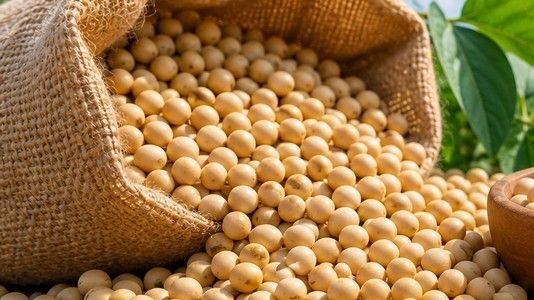 | 1. 12,000 MT Whole Soybeans for Togo Hot Buy Buyer: Jason Brito / Jason Trading Co., Ltd. · Buyer country: Togo · Verification: Level 2 · Rating: 4.4/5 Quantity: 12,000 MT · Product and packaging: Whole soybeans; jute bags Destination: Port of Lomé, Togo; ship-to Togo Trade term: CIF or FOB · Payment: T/T Why this request may matter This is the largest stated volume in the roundup and the clearest bulk-packaging requirement. A supplier should assess whether it can assemble the full volume, maintain consistent lot quality and arrange the port shipment on the buyer’s chosen basis. What to clarify first Confirm loading port, shipment schedule and whether 12,000 MT is one shipment or a programme; agree bag net weight and bag material; define variety, crop year, moisture, foreign matter, protein and oil parameters and GMO status. Request confirmation of whether the buyer wants a CIF offer, an FOB offer or both as separate quotations. |
The RFQ states whole soybeans, a 12,000 MT quantity, jute-bag packaging, the Port of Lomé, and both CIF and FOB as trade-term options with T/T payment. It does not specify the origin the buyer will accept, variety, crop year, required grade, moisture level, foreign-matter tolerance, bag net weight or delivery schedule. The greeting refers to “whole SOYBEAN”, so suppliers should quote whole beans rather than soybean meal or cake unless the buyer later changes the product requirement.
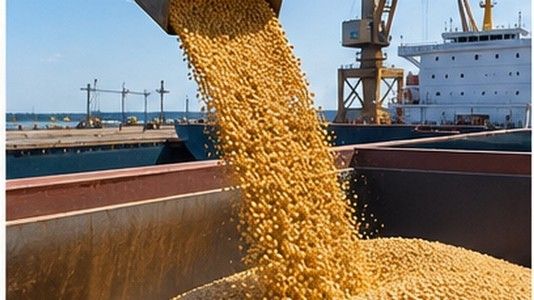 | 2. 2,500 MT Dried, Machine-Cleaned Soya Beans Hot Buy Buyer: Euripide Jean GISA · Buyer country: Canada · Verification: Level 2 · Rating: 4.5/5 Quantity: 2,500 MT Documented product: Dried; common cultivation style; Kenya origin; machine cleaned; Non-GMO field marked Yes Destination and routing: Dar es Salaam, Tanzania; a separate ship-to field says Rwanda Trade term: CIF · Payment: T/T Why this request may matter The request is more specific about product condition and origin than the Togo inquiry. It can suit suppliers able to substantiate Kenyan origin, machine cleaning and Non-GMO status for a dried whole-bean lot. What to clarify first Resolve the destination conflict: Dar es Salaam is the named port but Rwanda is the ship-to field. The final paragraph also mentions “soya beans cake for animal feeds”, which conflicts with the whole-bean RFQ title and its dried and machine-cleaned fields. Confirm whether the buyer wants whole soybeans or soybean cake or meal before pricing. |
This request contains the most important product-form ambiguity in the roundup. The title and structured fields identify soya beans, quantity 2,500 MT, dried style, common cultivation type, Kenya origin and machine-cleaned processing; the Non-GMO field is marked Yes. Yet the free-text ending refers to “soya beans cake for animal feeds” and a Non-GMO cake requirement. Whole soybeans and soybean cake or meal are different products with different specifications, processing and price bases. Suppliers should not treat the two references as interchangeable. There is a second routing conflict: Dar es Salaam, Tanzania is named as the destination port, while “Ship to” is Rwanda. CIF costing cannot be completed responsibly until the final delivery point and any inland leg are confirmed.
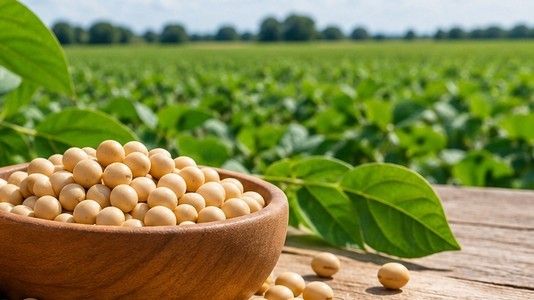 | 3. 1 kg Dried Yellow Soybeans from Vietnam New RFQ Buyer: Jensen (Staff) · Buyer country: Denmark · Verification: Level 2 · Rating: 4.7/5 Quantity: 1 kg Documented product: Dried yellow soybeans; 100% purity; organic; Vietnam origin Destination: The destination field displays “1”, which is unclear Trade term: FOB · Payment: L/C Why this request may matter The quantity is unusually small compared with the two bulk requests. It may be relevant to suppliers who can quote very small lots, but the listing does not state whether this is a sample, trial or full purchase requirement. What to clarify first Ask the buyer to confirm the intended destination and whether the 1 kg quantity is correct. Define what “100% purity” means (for example, the purity or foreign-matter test basis), identify the organic certification or acceptable proof, confirm whether Vietnam origin is mandatory, and specify the loading point for FOB. |
The Denmark request specifies dried soybeans, 1 kg, yellow colour, 100% purity, organic features, Vietnam origin, FOB and L/C. The destination field is displayed as “1”, which is not a usable port or destination description. The listing also asks for a quotation per kilogram, lead time, proposed payment terms and sample availability. The 1 kg quantity should therefore be treated as the stated requirement only; the RFQ does not confirm that it is a sample order. A supplier should confirm the destination and the quantity purpose before preparing a final offer.
What These Buying Requests Mean for Soybean Suppliers
Taken together, the requests show three different sales situations rather than one uniform soybean specification. The 12,000 MT Togo inquiry is a bulk-capacity question: a supplier must decide whether it can assemble and ship the required volume, then cost CIF and FOB separately. The 2,500 MT request is more origin- and process-specific, but its whole-bean versus cake wording and Tanzania-versus-Rwanda routing need resolution before an offer can be considered comparable. The 1 kg Denmark inquiry is a small-quantity request in which the proof behind organic status, purity and origin may matter more than vessel planning.
A supplier should therefore segment its response. For the largest order, demonstrate available volume by shipment window and the ability to load the agreed number of jute bags. For the 2,500 MT request, provide evidence for Kenyan origin, drying, machine cleaning and Non-GMO status only if those claims can be documented, but first ask the buyer to confirm the product is whole soybean rather than cake or meal. For the 1 kg request, quote against the stated kilogram basis and ask for the correct destination, organic standard and required evidence. Do not use a large-volume price to price a micro-lot, or infer that “organic” and “Non-GMO” mean the same thing.
Commercial and Export Considerations
Before preparing a firm soybean quotation, suppliers should turn broad descriptions into testable and contract-ready specifications. The following are general commercial checks; they are not extra buyer requirements unless they appear in the RFQ itself.
Product identity and grade. Distinguish whole soybean from soybean cake or meal, and state variety, crop year, origin, colour, intended use and grade where applicable. Do not substitute a processed product for a whole-bean RFQ.
Quality and condition. Propose measurable limits for moisture, foreign matter, damaged or discoloured beans, protein and oil content where relevant. Agree sampling, laboratory method, inspection point and the certificate of analysis before fixing the price.
GMO and organic claims. Treat Non-GMO and organic as separate claims. Identify the required certification scheme, certifying body, scope, validity period and lot traceability. A profile label or product description is not a substitute for shipment-specific evidence.
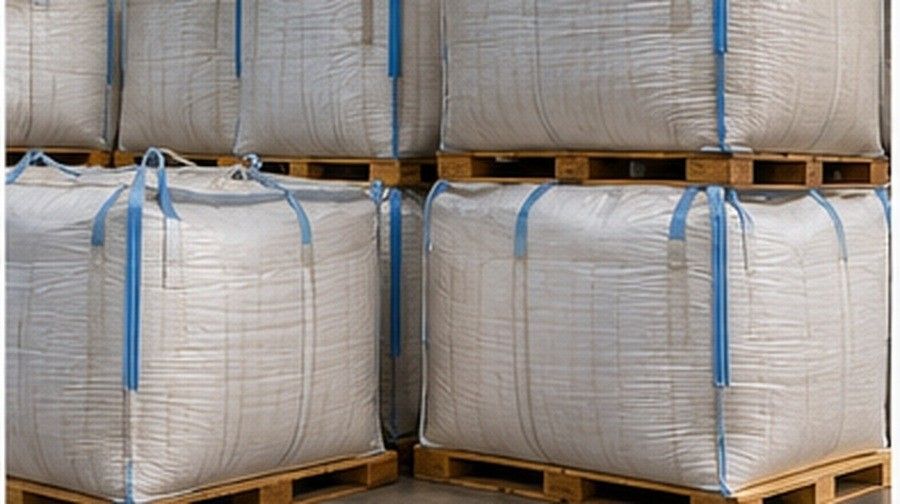
Packaging and shipment. Only the Togo request explicitly says jute bags. Confirm net weight per bag, bag construction, stitching, palletisation, container loading plan, ventilation and moisture protection. The other two requests do not specify packaging.
Incoterms and named place. Prepare separate CIF and FOB prices for Lomé if both are requested. For Dar es Salaam, confirm whether the commercial obligation ends at the port or includes onward delivery to Rwanda. For the Denmark inquiry, confirm the correct destination and loading point before using FOB.
Payment and documents. The RFQs list T/T or L/C. For L/C, agree issuing bank, confirmation if required, presentation period and documentary conditions before accepting. For every shipment, align invoice, packing list, bill of lading, certificate of origin, phytosanitary or other certificates with the buyer’s confirmed import requirements.

How Freshdi Helps Suppliers Discover Soybean Buying Requests
A useful sourcing workflow starts by filtering for the product actually sold. On Freshdi, suppliers can browse the Soybean Buying Requests category and compare the visible quantity, buyer country, destination, product description, trade term and payment method. Open each request to check whether the buyer is asking for whole beans, dried beans, seed, meal or another product; then compare the details with your own stock, origin and documentation. The market-insight page can add platform context on listed supply, origins and common trade terms, but its listing and price observations should not be treated as a guaranteed buyer price or a confirmed transaction.
Suppliers can inspect public request information and use the available quotation workflow where enabled. Access to full buyer contact details depends on account permissions and plan; viewing a request or submitting a quotation does not guarantee a buyer response.
Explore Soybean Buying Requests on Freshdi
Frequently Asked Questions
Are whole soybeans the same product as soybean meal or soybean cake?
No. Whole soybeans are the intact seeds, while soybean meal or cake is a processed by-product after oil extraction. Their protein, oil, fibre, moisture, handling and pricing bases differ. The 2,500 MT Freshdi request is titled “Wholesale Soya Beans” and its structured fields describe dried, machine-cleaned soybeans, but its final text mentions soybean cake for animal feed. Suppliers should ask the buyer to confirm which product is actually required before offering a price.
What specifications should I include in a bulk whole-soybean quotation?
State the exact product identity, grade or variety, crop year, country of origin, colour, moisture, foreign matter, damaged-bean limits, protein and oil content where tested, and the applicable sampling or inspection method. Include net weight per bag, packaging details, available quantity, shipment window, named loading point, destination and Incoterm. If the buyer has not stated a quality limit, present your available specification separately and ask the buyer to confirm acceptance rather than treating it as an agreed requirement.
Does Non-GMO automatically mean a soybean lot is organic?
No. Non-GMO and organic are distinct claims and may require different evidence. A buyer asking for Non-GMO soybeans may expect a test or identity-preserved supply chain, while an organic claim normally needs documentation under the buyer’s accepted certification scheme. Ask which certificate, standard, certifying body, validity period and lot-traceability records are acceptable. Do not use an organic certificate to assume Non-GMO status, or the reverse, unless the applicable scope explicitly supports both claims.
How should I quote a 12,000 MT soybean order when the buyer lists both CIF and FOB?
Prepare separate FOB and CIF offers using the same product specification, quantity basis, shipment window and validity period. For FOB, identify the named port of loading and what is included up to loading on board. For CIF, add the applicable freight and insurance to the named destination port, here Port of Lomé, and state the Incoterms version. The RFQ does not specify loading origin, shipment split or jute-bag net weight, so these should be confirmed before final pricing.
What should I do when a soybean RFQ shows a destination port that looks incomplete?
Do not guess the intended destination. In the 1 kg dried-soybean request, the destination field displays “1”, which is not a usable port or destination description. Ask the buyer to confirm the destination country, city or port, and whether the quantity is correct. This matters even for a small order because the loading point, export documents, freight method and FOB responsibilities depend on a real named place.
Can I quote the 2,500 MT Kenya-origin soybean request on CIF Dar es Salaam if the buyer says ship-to Rwanda?
Not safely without clarification. The request names Dar es Salaam, Tanzania as the destination port but separately states “Ship to Rwanda”. The final delivery point affects inland transport, cost, risk allocation and documents after port arrival. Ask whether the requirement is CIF Dar es Salaam only, or whether the buyer expects onward delivery to a Rwandan consignee. If onward delivery is required, confirm the exact inland destination and the agreed Incoterm before pricing.
How do I see full buyer contact details for these RFQs?
Full buyer contact details are unlocked separately for each RFQ on Freshdi, and the unlock is needed before you can view them and send a quotation. The platform keeps contact information behind this step so suppliers can check buyer intent before sharing sensitive commercial terms. Access depends on your account plan and the unlock credits available to you. A visible verification level or rating is a screening signal, not a guarantee of payment or a completed deal.
Conclusion: Match the Bean, the Volume and the Route
These three Freshdi inquiries illustrate why soybean sourcing requires more than matching a product name. A 12,000 MT whole-bean requirement, a 2,500 MT dried and machine-cleaned lot with an origin and product-form question, and a 1 kg organic dried-bean inquiry call for different sales, quality and logistics responses. Suppliers should verify the exact product, confirm origin and quality evidence, reconcile buyer-market and destination fields, and price the correct Incoterm and payment terms. Start with the request that fits your available stock and documentation, then use the Freshdi Soybean category to review more buyer demand.
References
1. Freshdi Soybean Market Insight, data accessed 7 November 2026. Platform listing, price and trade-term observations; not global market totals or a transaction-price index.
2. USDA Economic Research Service, Soybeans and Oil Crops: Market Outlook, updated 15 October 2026. U.S. 2026/27 production and export forecast.