
Introduction
Shipping Basmati rice from India to Togo involves more than obtaining a plant-health certificate. Rice is a plant product, so phytosanitary controls may apply; it is also a food product, so Togo’s rice-import procedure includes separate food-safety and market-authorization steps. These controls serve different purposes, are handled by different authorities and should not be treated as interchangeable documents.
This guide focuses on food-grade Basmati rice, especially shipments cleared through the Autonomous Port of Lomé. Togo’s published procedure for rice identifies a phytosanitary import permit and certificate alongside prior import and food-safety steps. Requirements can depend on the product’s form, route and current administrative instructions. Before shipment, the Togolese importer should confirm the applicable conditions with the relevant authorities and share them with the Indian exporter so that inspection and certification are arranged against the correct destination requirements.
Key Takeaways
- Togo’s published plant-health procedure calls for an import permit for regulated plant products and an exporting-country phytosanitary certificate for arrival inspection.
- For rice imported through the Autonomous Port of Lomé, the published procedure lists additional food-related steps, including a prior import declaration, microbiological analysis, sanitary fitness documentation and marketing authorization.
- A phytosanitary certificate addresses plant-health requirements; it does not replace food-safety certificates, laboratory results, customs documents or Togo’s rice-market authorization.
- India’s APEDA rice-export guidance lists a phytosanitary certificate issued by DPPQS among export requirements and identifies an APEDA RCAC for Basmati rice exports.
- Confirm the product form, any additional declarations or treatments, the permit conditions and document timing before the cargo is loaded; do not assume a treatment or pest statement applies without Togo’s official instructions.
1. What SPS controls apply to Basmati rice entering Togo?
Sanitary and phytosanitary (SPS) measures are controls designed to protect health. In this trade lane, it is useful to separate phytosanitary controls, which address plant pests and regulated plant products, from food-safety controls, which address whether rice intended for consumption meets applicable safety and quality conditions. A certificate or test for one purpose does not automatically satisfy the other.
Togo’s published procedure for importing plants and plant products says importers of regulated goods—including cereals and plant products—apply to the Plant Protection Directorate (Direction de la Protection des Végétaux, DPV) for a phytosanitary import permit before shipment. The application identifies the goods, origin, supplier, transport mode and entry point. At arrival, the procedure calls for inspection by DPV with the permit and a phytosanitary certificate from the country of origin.
Separately, Togo’s procedure for rice imported through the Autonomous Port of Lomé describes rice as a sensitive product and lists prior import authorization, microbiological analysis, a sanitary fitness certificate and a marketing authorization among the steps or documents in the process. These are not all phytosanitary documents: they belong to food-safety, trade-control or market-authorization procedures. The importer should confirm the current steps for the specific consignment and route rather than assume that a plant-health permit alone clears the rice for sale.
The International Plant Protection Convention’s ISPM 12 explains that phytosanitary certificates attest that consignments meet the importing country’s phytosanitary import requirements. The certificate is therefore not a general promise that a food product is safe in every respect. Togo’s published procedures likewise list different documents for plant-health and rice-import processes.
Importers comparing rice offers can check relevant Basmati rice buying requests and suppliers while confirming the exact product and compliance scope.
View Latest Rice Buying Requests →View Potential Rice Suppliers →
Buying consideration: Before negotiating shipment dates, ask the Togolese importer to identify the competent authority for each approval and provide the current written conditions for the specific rice form and route. Keep plant-health, food-safety and customs requirements in separate checklist columns.
Looking to Sell Basmati Rice?
Connect with verified buyers, receive relevant buying leads, and explore sourcing opportunities from global markets.
2. Which approvals should the Togolese importer arrange before shipment?
For a plant product covered by Togo’s phytosanitary controls, the importer’s first plant-health step is to submit the DPV import-permit application before the consignment is shipped. Togo’s official application form requests the applicant’s details, transport mode, point of entry, description of the goods, country and place of origin, supplier address, purpose of import, and the location where the goods will be sold, used or grown. Use a precise product description such as food-grade Basmati rice and state the actual origin and entry point; avoid relying on a generic description such as “cereals.”
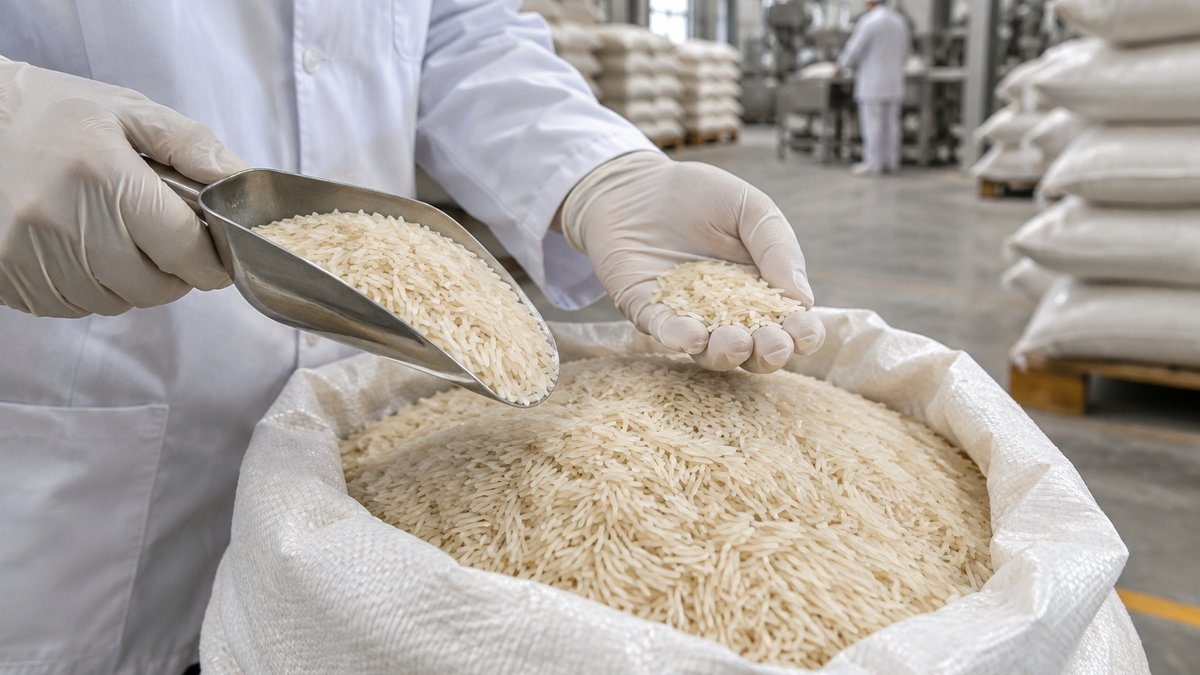
The DPV’s decision is the permit itself: the authority may issue a numbered and dated permit or refuse the request with a reason. The exporter should receive the approved permit and review every condition before finalizing the certificate application in India. A permit may contain instructions that affect inspection, treatment, additional declarations or shipment timing. Do not infer those conditions from another destination’s rice protocol.
For rice imported through the Autonomous Port of Lomé, the published import procedure also lists a prior import declaration certificate and a sequence of food-related checks, including microbiological analysis, a sanitary fitness certificate and a marketing authorization. It identifies a product sample and data sheet among materials for the marketing-authorization step. The importer should confirm the current procedure, responsible offices, timing and whether each item applies to the planned shipment. These requirements are distinct from the DPV plant-health permit.
Some Togo procedure pages report indicative timing, but actual processing can depend on the authority and shipment. Treat published estimates as planning information, not guaranteed service levels. No shipment should be booked on the assumption that a permit or analysis will be issued by a particular date unless the responsible authority or importer has confirmed it.
Once the product form and destination requirements are clear, buyers can compare relevant Basmati rice requests and potential suppliers against the same brief.
View Latest Rice Buying Requests →View Potential Rice Suppliers →
Buying consideration: Make the importer responsible for confirming Togo-side approvals and deadlines in writing, and make the exporter responsible for supplying the documents and product information needed for those applications. Agree who arranges samples, testing, inspection and any required corrections before dispatch.
3. What must the Indian exporter provide for phytosanitary certification?
India’s APEDA guidance for rice exports lists a phytosanitary certificate issued by the Directorate of Plant Protection, Quarantine & Storage (DPPQS) among the export requirements. It also lists an APEDA Registration-cum-Allocation Certificate (RCAC) for Basmati and non-Basmati rice following registration of export contracts. Exporters should check the applicable current APEDA and DPPQS procedures for their consignment; the RCAC is an export-administration requirement and is not a substitute for Togo’s import permit or food-safety approvals.
Under the IPPC framework, the exporting country’s national plant protection organization issues a phytosanitary certificate when the consignment meets the importing country’s requirements and the official certification basis. For this lane, the exporter should use Togo’s permit and any current official plant-health conditions to guide the certificate application. The product identity, origin, quantity, packaging and consignment details should be consistent across the permit, invoice, packing list and certificate application. Resolve discrepancies before issuance rather than trying to reconcile them at the destination.
A phytosanitary certificate is not an automatic certification of a particular pest-free status beyond the official requirements applied to that consignment. Nor should an exporter add an extra declaration, treatment statement or pest claim simply because it appeared in a protocol for another country. The available published Togo procedure establishes the permit and certificate steps, but does not specify in the cited procedure a Basmati-specific additional declaration or treatment. The importer should obtain any such requirement directly from the competent Togolese plant-health authority and provide it to DPPQS before the certificate is issued.
The certificate should be issued by the authorized Indian plant-protection authority, not created by the seller or a private inspection company. A commercial laboratory report or private quality inspection may support a transaction, but it does not become an official phytosanitary certificate merely because it describes the product as clean or pest-free.
Buying consideration: Before loading, compare the final phytosanitary certificate with the Togo permit and shipping documents. If an official condition is unclear, pause the application and request clarification through the importer and relevant authorities; do not guess at the required certificate wording.
4. Which supporting documents and tests belong in the rice shipment file?
The exact document set depends on the route and current Togo instructions. The published rice procedure for import through the Autonomous Port of Lomé includes plant-health paperwork as well as food-related and commercial documentation. The importer and exporter should prepare one controlled file and distinguish documents required before shipment from those produced after arrival or during clearance.
Do not call every document in the file an SPS certificate. The phytosanitary certificate concerns plant health. A microbiological analysis or sanitary fitness document concerns food-related controls. A prior import certificate or marketing authorization is an administrative market-entry control. A commercial invoice and bill of lading support the transaction and customs process. Keeping these functions distinct helps the parties identify which authority should answer a question or correct a document.
The product sample and data sheet referenced in Togo’s Lomé rice procedure should be prepared according to the current authority instructions. The parties should establish who supplies the sample, how it is identified, whether it must represent the export lot, and whether analysis must occur before the marketing-authorization application. Do not assume that an analysis performed for another shipment, product form or destination will be accepted for this consignment.
Buyers with a defined rice specification can explore related suppliers after listing the documents, testing and product details their shipment requires.
View Related Suppliers for This Product →
Buying consideration: Create a document matrix that records the document name, issuing authority, responsible party, submission stage, validity period and the person who checks it. Confirm any original, electronic-copy or language requirements with the receiving authority rather than assuming that a scanned copy will suffice.
5. What happens during inspection and arrival checks in Togo?
Under Togo’s published plant-product import procedure, the consignment is inspected on arrival by DPV, with the phytosanitary import permit and phytosanitary certificate from the country of origin presented. The purpose is plant-health control. The importer should ensure that the cargo and paperwork are available for examination and that the certificate describes the consignment actually presented.
Rice also passes through food-related steps in the procedure published for the Autonomous Port of Lomé. That procedure lists microbiological analysis and a sanitary fitness certificate, among other steps, and indicates that a product sample and data sheet are involved in obtaining marketing authorization. The importer should verify which checks occur before shipment, at port or through a designated laboratory or office, and how results are linked to the import file. Plant-health inspection and food-safety analysis should be tracked separately even if both concern the same shipment.
If documents do not match, a required permit is missing, or a test is incomplete, clearance or marketing may be delayed. The available published procedures do not provide a universal list of remedies for every discrepancy, so avoid promising that a missing document can be supplied after arrival or that a particular treatment will resolve a non-compliance. The importer should ask the relevant authority how a specific issue is handled before the shipment moves.
Storage and handling should preserve the condition of the rice while checks are pending. Keep lot identification and package markings aligned with the paperwork, retain copies of certificates and laboratory reports, and document any sampling or inspection performed. These are practical recordkeeping measures; they do not replace any official Togo requirement.
Buying consideration: Before shipment, agree who will attend or coordinate arrival inspection, who receives authority notices, and who can produce missing records quickly. Ensure the importer has the complete file before the vessel arrives, while preserving the original records required by the relevant authority.
6. How can buyers and exporters use a pre-shipment SPS checklist?
The most reliable way to manage the India–Togo Basmati rice shipment is to make each requirement traceable to a current authority instruction. The importer leads on destination-country approvals; the exporter coordinates Indian export compliance and provides accurate shipment information. Both parties should review one shared checklist before confirming loading.
- Define the product: Confirm that the goods are food-grade Basmati rice and state the actual form, processing condition, packaging and country of origin. If the consignment is paddy, seed or another form rather than milled food rice, confirm whether a different set of plant-health rules applies.
- Obtain the Togo permit: The importer should confirm the DPV application and secure the permit before shipment where required. Check that origin, supplier, transport mode and entry point are accurate.
- Confirm rice-specific import steps: For a shipment through Lomé, verify the current prior import, laboratory, sanitary fitness and marketing-authorization process, including the order and timing of applications.
- Give conditions to the exporter: Share the permit and any official plant-health requirements with the Indian exporter before it applies for certification. Ask the competent authority to clarify any required additional declaration or treatment.
- Arrange Indian certification: Check the current DPPQS phytosanitary certification process and APEDA requirements applicable to Basmati rice exports. Allow time for any required inspection or testing.
- Prepare the food-safety file: Confirm which analyses, samples, certificates and data sheets Togo requires, who issues or accepts them, and when each must be submitted.
- Cross-check the shipment set: Compare commodity description, origin, quantity, packaging and other identifying particulars across the permit, certificate, invoice, packing list and transport documents.
- Plan arrival and records: Assign responsibility for inspection coordination, laboratory follow-up and document retention. Do not treat publication of an online procedure as confirmation that a particular shipment has already been approved.
Illustrative pre-shipment inquiry format:
Product: Food-grade Basmati rice; specify form and processing condition
Origin: India
Destination and entry point: Togo; state the planned entry point
Plant-health permit: Togolese importer to confirm DPV permit and share conditions
Phytosanitary certificate: Indian exporter to arrange through the authorized plant-protection authority, subject to Togo’s conditions
Food-safety checks: Importer to confirm required analysis, sanitary documentation and marketing authorization
Shipment file: Align certificate, permit, invoice, packing list and transport particulars
Timing: Confirm authority and laboratory lead times before fixing loading date
This is an illustrative coordination format, not a complete legal checklist or universal specification. The importer and exporter should adapt it to the current authority instructions, shipment route, product form and contract.
After confirming the compliance brief, buyers can use Freshdi’s supplier-finding step to explore suppliers relevant to Basmati rice.
View Related Suppliers for This Product →
Freshdi can be a place to explore relevant Basmati rice suppliers once the buyer has set the product, destination and document requirements. Supplier discovery does not replace official permit checks, regulatory confirmation or independent review of the shipment file.
Frequently Asked Questions
Does Basmati rice imported from India into Togo need a phytosanitary certificate?
Togo’s published procedure for importing regulated plant products calls for inspection on arrival with a phytosanitary import permit and a phytosanitary certificate from the country of origin. The importer should confirm the current product-specific conditions with DPV and provide them to the Indian exporter before certification.
Is the phytosanitary certificate the same as a sanitary or health certificate?
No. A phytosanitary certificate addresses plant-health requirements, while sanitary or food-safety documentation and microbiological analysis address different controls. Togo’s published rice-import procedure lists these types of steps separately.
Who applies for Togo’s phytosanitary import permit?
The Togolese importer applies to the Plant Protection Directorate under the published procedure. The application requests details such as the goods, origin, supplier, transport mode and entry point. The importer should share the issued permit and conditions with the Indian exporter.
Does Togo require fumigation of every Basmati rice shipment from India?
The cited published Togo rice-import procedure does not establish a universal fumigation requirement for every Basmati rice consignment. Do not assume a treatment is required or apply a treatment statement from another country’s protocol; confirm any treatment condition with Togo’s competent plant-health authority.
Are laboratory analysis and marketing authorization separate from phytosanitary clearance?
Yes. Togo’s published procedure for rice imported through the Autonomous Port of Lomé lists food-related analysis, sanitary fitness documentation and marketing authorization as separate steps from the plant-health permit and certificate. Confirm the current sequence and applicability with the importer and relevant authorities.
What should the Indian exporter verify before the certificate is issued?
The exporter should obtain the applicable Togo conditions and import permit, check current DPPQS procedures, and ensure certificate details match the permit and shipment documents. Any required additional declaration or treatment should come from an official destination requirement, not an assumption.
Can a buyer rely on a phytosanitary certificate to confirm the rice is safe to eat?
No. A phytosanitary certificate is for plant-health requirements; it is not a general food-safety guarantee. Buyers should separately confirm Togo’s applicable food-safety analyses, sanitary documentation and marketing-authorization process.
References
1. Agricultural and Processed Food Products Export Development Authority (APEDA) – Requirements for Export of Rice, Accessed November 10, 2026.
2. Ministry of Agriculture, Fisheries, Animal Resources and Food Sovereignty of Togo – Application for an Import Permit for Plants and Plant Products, Accessed November 10, 2026.
3. Togo Trade Portal / InterCom Togo – Import Rice through the Autonomous Port of Lomé, Validated September 22, 2026.
4. Ministry of Agriculture, Fisheries, Animal Resources and Food Sovereignty of Togo – Interministerial Order on Fees for Services of the Plant Protection Directorate, August 2, 2011.
5. International Plant Protection Convention (IPPC) – International Standard for Phytosanitary Measures No. 12: Phytosanitary Certificates, 2022.