
Introduction
For a South African exporter shipping cooking oil to India, “which certificates are required?” does not have one universal answer. The product may be a single-source vegetable oil, a blend, a crude oil for further processing, or a refined oil for direct food use. Those distinctions, together with the correct customs classification and the shipment’s intended use, affect which authorities and requirements apply.
A useful starting point is to separate the Indian importer’s food-import and clearance obligations from certificates a supplier may be asked to provide. India’s Food Safety and Standards Authority of India (FSSAI) regulates imported food and may scrutinize documents, inspect consignments, and sample or test them through its import-clearance process. That process is not the same as requiring every exporter to obtain one generic “cooking oil certificate” before shipment.
Key Takeaways
- Identify the exact oil, processing state, blend composition, intended use and customs classification before deciding which certificates apply.
- FSSAI food-import clearance is a regulatory process; its No Objection Certificate is an import-clearance outcome, not a generic pre-shipment certificate for the South African supplier.
- A certificate of analysis can help document product specifications, but do not assume it replaces official Indian inspection or is universally required for every cooking-oil consignment.
- Do not assume that health or phytosanitary certificates apply to every product described as cooking oil; check the applicable Indian rules and commodity classification.
- Separate mandatory official requirements from buyer-requested assurance documents, and agree document format, issuing body and timing before shipment.
1. What Does “Cooking Oil” Need to Mean Before You Check Certificates?
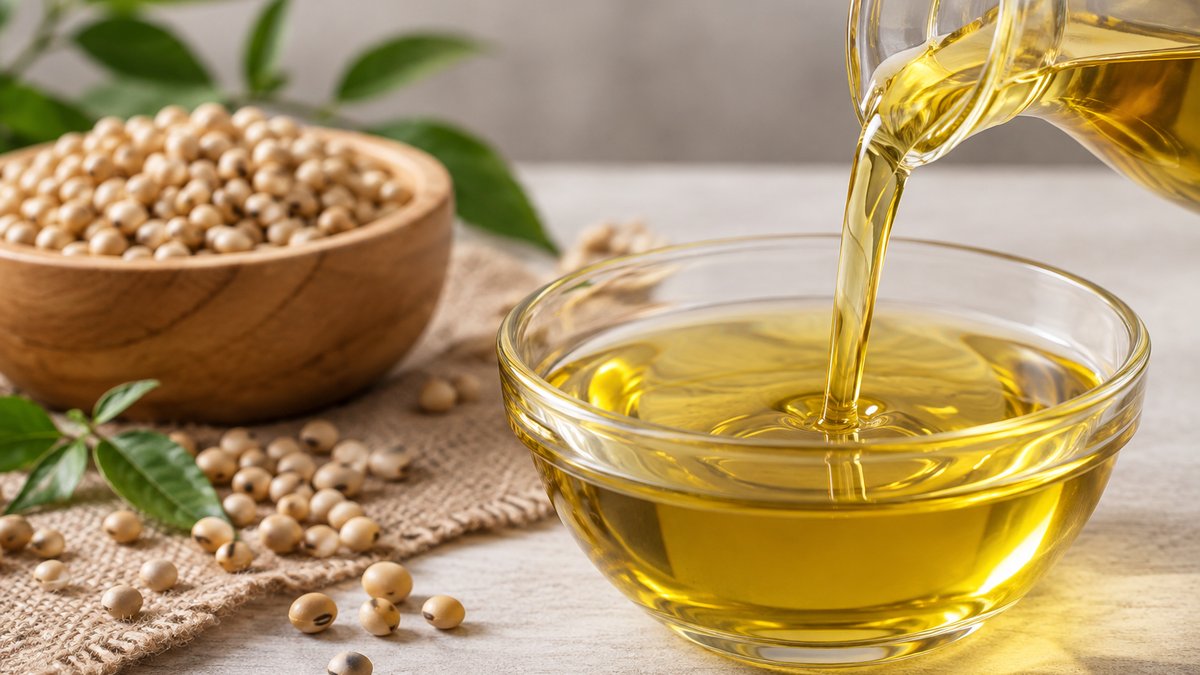
“Cooking oil” is a commercial description, not a sufficiently precise regulatory product identity. Before checking certificates for a South Africa-to-India shipment, document the oil’s source and composition—for example, whether it is a single vegetable oil or a blend—and whether it is crude, refined, otherwise processed, or intended for further processing. Also state whether it is for human consumption or another use, and whether it will be imported in bulk or retail-ready packaging.
These details matter because food-safety, customs and other government-agency checks depend on the product actually declared. An edible vegetable oil and a food-grade oil derived from fish, for example, should not automatically be treated as the same regulatory case. Blended oils may also need to be assessed by their ingredients and applicable product standards, rather than by a broad label alone.
In India, the FSSAI Food Import Clearance System (FICS) operates with customs as part of the food-import clearance process. FSSAI describes document scrutiny, visual inspection, and risk-based sampling and testing; a conforming consignment can receive a No Objection Certificate (NOC), while a non-conforming result can lead to a Non-Conformance Report. The exact checks for a particular shipment should be confirmed against its declared commodity and current rules.
Once the oil type and intended market use are clear, buyers can compare relevant product offers and sourcing requirements.
View Latest Oil & Fats Buying Requests →View Potential Oil & Fats Suppliers →
Buying consideration: Before asking a supplier for certificates, give them the oil’s exact identity, processing state, composition, intended use, packaging format and Indian destination details. Ask your Indian importer or customs broker to confirm the applicable classification and agency requirements for that specific product.
Looking to Sell Cooking Oil?
Connect with verified buyers, receive relevant buying leads, and explore sourcing opportunities from global markets.
2. Which Indian Import Requirements Are the Importer’s Responsibility?
A certificate is only one possible part of import compliance. FSSAI states that food imports are subject to India’s food-safety law and the Food Safety and Standards (Import) Regulations, 2017. Its published import guidance describes the importer using FICS and the customs-connected clearance process. FSSAI’s food-import manual also identifies an importer-side FSSAI import licence and a valid Importer-Exporter Code (IEC) as relevant import prerequisites. These are licences or registrations, not certificates that a South African oil producer obtains on the Indian buyer’s behalf.

FSSAI’s general import information says referred food consignments may undergo document scrutiny, visual inspection, sampling and testing. The authority also describes risk-based selection, so buyers should not assume every shipment follows an identical testing path. A supplier’s own test report may be useful evidence, but it does not itself guarantee that the Indian authority will accept the goods or waive its clearance process.
The customs document set can include the commercial invoice, packing list and transport document, with other records depending on the commodity and government-agency requirements. A certificate of origin may be relevant to establish origin or support a tariff claim where applicable. It is not a substitute for food-safety clearance, and its necessity and acceptable format should be checked for the transaction rather than presumed.
Buying consideration: Ask the Indian importer or customs broker to provide a shipment-specific document checklist before the oil is loaded. Confirm which records the exporter must issue, which the importer must file, and which are conditional on a tariff preference, product classification or other official measure.
3. Is a Health Certificate Required for Cooking Oil Imported into India?
Do not assume that a health certificate is required—or that it is not required—solely because a product is called cooking oil. FSSAI’s published health-certificate orders identify specific food categories subject to that requirement. Its 2022 clarification discusses certificates for milk and milk products, pork and pork products, and fish and fishery products, and explains that an integrated certificate may be accepted for those covered products when it contains the required information.
That material does not establish a blanket health-certificate requirement for every vegetable cooking oil. At the same time, the answer for a particular shipment must be checked against the current applicable rules and the product’s correct classification—especially if the product is an animal- or marine-derived oil, a blend, or described under a category that may bring a different measure into scope. A certificate issued for a different food category should not be treated as evidence that the cooking oil meets India’s requirements.
A phytosanitary certificate is associated with plant-health controls, but this article cannot establish a universal rule for every processed oil or oil blend. Whether such a certificate applies must be verified against the exact product and current import conditions. Likewise, the fact that South Africa has export-control and customs procedures does not mean every cooking-oil shipment requires a separate South African export permit or food-health certificate.
Buying consideration: For any certificate described as mandatory, request the exact rule or official instruction, the competent issuing authority, the required wording and the point at which it must be presented. If the requirement cannot be matched to the product and destination, treat it as unconfirmed until the importer or relevant authority verifies it.
4. When Is a Certificate of Analysis Useful, and Is It Mandatory?
A certificate of analysis (COA) reports test results for a sample against stated parameters. For a cooking-oil purchase, it can help a buyer compare the offered product with the agreed specification, but the term alone does not say which parameters were tested, which method was used, when the sample was taken, or whether the sample represents the shipment.
FSSAI’s import process may include sampling and laboratory testing by the authority. A supplier’s COA should therefore be treated as supporting product documentation, not as a substitute for FICS clearance or an assurance that the consignment will pass official inspection. Whether a COA must accompany a particular customs filing should be checked for the specific product and shipment; general import-document guidance may list COAs among examples of supporting records without making them a universal certificate requirement for every oil.
- Match the product: Ensure the report names the same oil, grade or blend, processing state and batch as the commercial documents.
- Check the test scope: Review the parameters and methods against the buyer’s product specification and the applicable Indian standard.
- Check the sample basis: Establish whether the sample was taken from production, a finished lot, or the shipment, and who collected it.
- Review the issuer: Confirm the laboratory or testing body, report date, sample identification and any relevant accreditation claimed.
- Agree acceptance rules: Put the required limits, sampling method and handling of a failed result into the purchase contract.
Avoid requesting a generic “quality certificate” without defining what it must prove. Depending on the oil and transaction, the buyer may ask for test results relevant to identity, composition or quality. The specific parameters and acceptable limits must be drawn from the applicable product standard, the agreed specification and any Indian regulatory requirement—not invented from a generic checklist.
A clear product specification makes it easier to ask potential suppliers for relevant, batch-linked test documentation.
View Related Suppliers for This Product →
5. Which South African Export Documents and Buyer-Requested Certificates Should Be Separated?
On the South African side, SARS describes customs export declarations and says supporting documents may need to be produced when required. South Africa’s government guidance also explains that export permits apply to certain controlled goods, not automatically to every exported product; product-specific export-control information should be checked with the relevant authority. These general procedures do not establish that cooking oil from South Africa always needs an export permit or a particular government-issued food certificate.
A buyer may request assurance documents beyond the minimum official import paperwork—for example, a COA, evidence of a food-safety management-system certification, or a certificate of origin. Such requests can be commercially important, but they should be labelled accurately as buyer-requested or contractually agreed unless a specific law or official order makes them mandatory. An audit or management-system certificate also does not prove that a particular shipment meets every product specification.
For any third-party or voluntary certificate, agree the scheme, scope, certificate holder, site or product coverage, validity period and verification method. Ensure that a certificate issued for a plant or management system is not presented as a product-level approval or Indian import authorization.
Buying consideration: Ask the supplier to identify each proposed document as a legal requirement, customs-supporting document, or buyer-requested assurance. For mandatory claims, record the applicable authority and rule; for voluntary or contractual requests, specify what the certificate covers and how it will be checked.
6. How Can Buyers and Suppliers Confirm the Certificate Checklist Before Shipment?
The safest document plan is built around the actual product and transaction, then checked by the Indian importer and customs broker against current official requirements. Because “cooking oil” can describe different commodities and presentations, a checklist prepared for one oil should not automatically be reused for another.
Step 1: Write a precise product description
Record the oil’s source, exact commercial identity, processing state, blend composition if relevant, intended use, packaging and customs classification. Make sure the description is consistent across the contract, invoice, packing list, test report, label and customs declaration.
Step 2: Confirm the Indian-side requirements
Have the importer or customs broker check FSSAI import-licensing and FICS requirements, the applicable product standard, and whether another agency’s permit or certificate is triggered by the classification or product type. Ask specifically whether any health or phytosanitary certificate applies to this oil, rather than relying on a general statement about food or plant products.
Step 3: Assign responsibility and timing
For each document, note who obtains it, who issues it, whether an original or electronic copy is required, when it must be available and which shipment details it must match. Check certificate names, dates, product identity, batch references, consignee details and origin information before dispatch.
Illustrative document-check inquiry:
Product: Exact oil identity; single oil or blend
Processing and use: Crude/refined or other form; intended end use
Destination: India; confirm port and importer details
Classification: Proposed customs code, for importer/broker confirmation
Certificates: List each requested certificate and whether mandatory or buyer-requested
Testing: COA parameters, sampling basis, test method and issuer
Shipment documents: Invoice, packing list, transport document and any conditional records
This is an illustrative checklist, not a universal document set. Adjust it to the oil, current Indian requirements, contract and shipment.
Buyers can use Freshdi to explore relevant cooking-oil suppliers and buying requests, then share a precise product and document checklist when comparing offers. Supplier profiles or commercial discussions should not be treated as evidence of a certificate unless the applicable document has been provided and its scope verified.
With the product identity and document checklist defined, buyers can continue sourcing cooking-oil suppliers for the specific requirement.
View Related Suppliers for This Product →
The practical outcome is a shipment-specific checklist—not a blanket certificate list for every item sold as cooking oil. Reconfirm requirements close to shipment, since regulations, customs instructions and product classification can change.
Frequently Asked Questions
Is a health certificate always required to import cooking oil into India?
Do not assume that it is. FSSAI’s published health-certificate material identifies specific food categories, and its 2022 clarification discusses milk and milk products, pork and pork products, and fish and fishery products. Confirm the current rule against the exact oil and customs classification, particularly for blends or animal- or marine-derived oils.
Does a South African cooking-oil exporter need an FSSAI licence?
FSSAI import guidance identifies an import licence as an importer-side requirement. The Indian importer should confirm its licence and clearance arrangements. Do not confuse that licence with a supplier certificate issued in South Africa.
Is a certificate of analysis mandatory for every cooking-oil import?
The sources reviewed do not establish a universal COA requirement for every cooking-oil shipment. A COA may be requested by the buyer or relevant to a specific filing, and FSSAI may conduct its own sampling and testing. Confirm the document checklist for the exact commodity and shipment.
Does a phytosanitary certificate apply because cooking oil comes from a plant?
Not automatically. Check the current commodity-specific Indian import conditions and customs-agency requirements for the exact processed oil and classification. Do not infer a phytosanitary requirement solely from plant origin.
Is an FSSAI No Objection Certificate the same as a supplier certificate?
No. The NOC is an import-clearance outcome in FSSAI’s food-import process when the consignment is found conforming. It is not a generic pre-shipment certificate that a South African supplier can issue in advance.
What should a buyer ask a supplier to provide before shipment?
Start with the exact oil identity, processing state, composition, intended use and packaging. Then agree which commercial documents, test reports and certificates are needed, who issues each one, whether it is legally required or buyer-requested, and how it will be checked. The Indian importer or broker should verify the current official requirements.
References
1. Food Safety and Standards Authority of India – Food Imports, Accessed November 2026.
2. Food Safety and Standards Authority of India – Manual for Food Imports, 2025.
3. Food Safety and Standards Authority of India – Food Safety and Standards (Import) Regulation, 2017 — Amendments, Updated October 27, 2025.
4. Food Safety and Standards Authority of India – Clarification on Requirement of Health Certificate to Be Accompanied with the Import of Food Consignments, September 26, 2022.
5. South African Revenue Service – Exports, Accessed November 2026.
6. South African Government – Register as Exporter, Accessed November 2026.